Dalek is the never-before-told history of the Doctor's most dangerous enemies, the famous Outer Space Robot People of the planet Skaro - from their genesis in the thousand-year conflict between Thals and Kaleds, to their survival of the Time War and (as foreseen by the Time Lords) their conquest of the universe.
Employing a wide range of examples from Uncle Tom's Cabin and Birth of a Nation to Zelig and Personal Best, Janet Staiger argues that a historical examination of spectators' responses to films can make a valuable contribution to the history, criticism, and philosophy of cultural products.
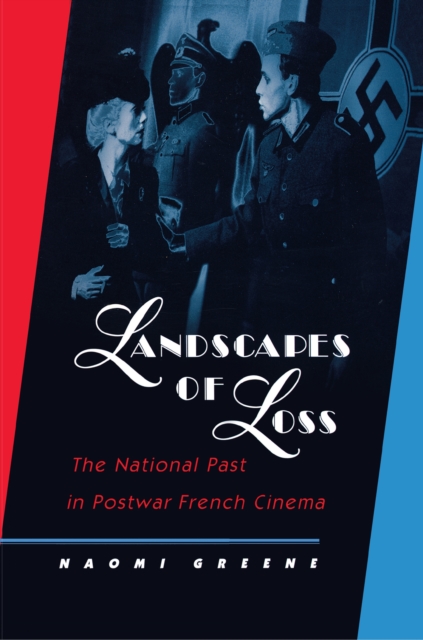
In Landscapes of Loss, Naomi Greene makes new sense of the rich variety of postwar French films by exploring the obsession with the national past that has characterized French cinema since the late 1960s.
Frank Bank's story is a sometimes wild, sometimes bawdy, often poignant, always funny account of a real-life Louie Louie who led a nation to California-dreamin'.
These two volumes examine a significant but previously neglected moment in French cultural history: the emergence of French film theory and criticism before the essays of Andr Bazin.
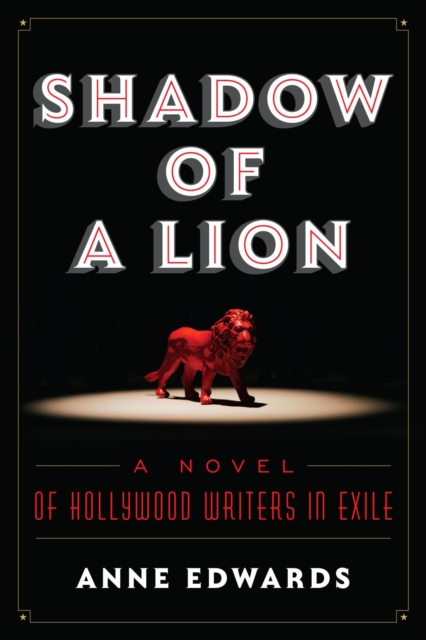
On September 23, 1947, a number of the film industry's leading writers, producers, and directors received subpoenas that summoned them to Washington to testify before the Un-American Activities Committee of the House of Representatives.
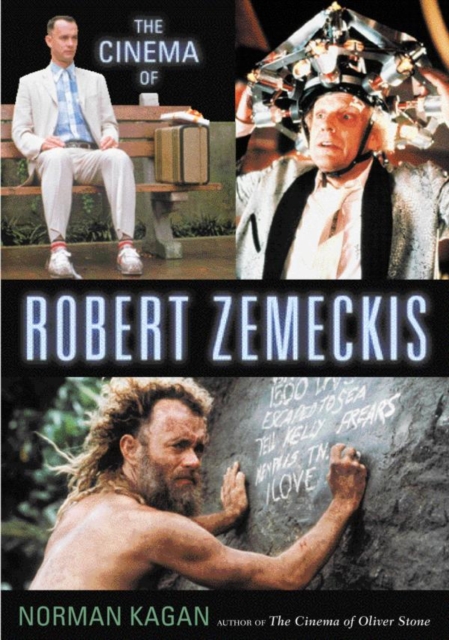
Robert Zemeckis has risen to the forefront of American filmmaking with a string of successes: Romancing the Stone, Back to the Future I, II, & III, Who Framed Roger Rabbit?
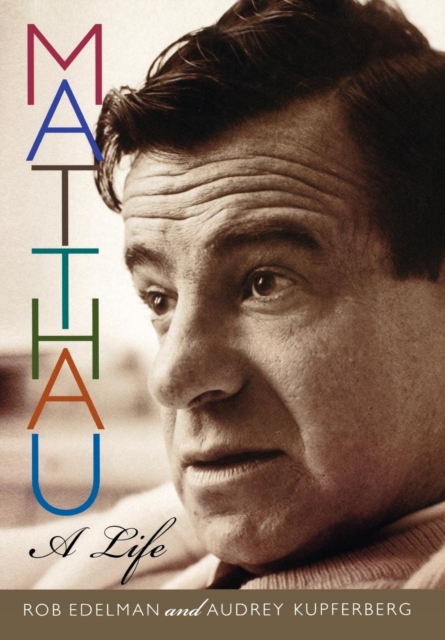
Funny yet down-to-earth, honest yet full of exaggeration, actor Walter Matthau (1920-2000) will always occupy a place in America's heart as one of the great comic talents of his generation.
Memoria de apariencias es una antología de los comentarios de Calderón de la Barca a las escenografías y los artilugios técnicos utilizados en las puestas en escena de sus Autos sacramentales.
Here it is: the first-time look at the remarkable American multinational mass media empire and its century of entertainmentthe story of Twentieth Century Fox (19152015).
Action, African greats, alcohol, Robert Aldrich, aliens, Woody Allen, Pedro Almodovar, Robert Altman, animated, anime, apocalypses, Argentina, art, Asia minor, avant garde.
Matthew Shaffer's more than twenty years as a performer, choreographer, director, Broadway collaborator, writer, and producer has allowed him opportunities to work with celebrities like Megan Mullally, Ben Stiller, and the elite competition team of Dance Moms.
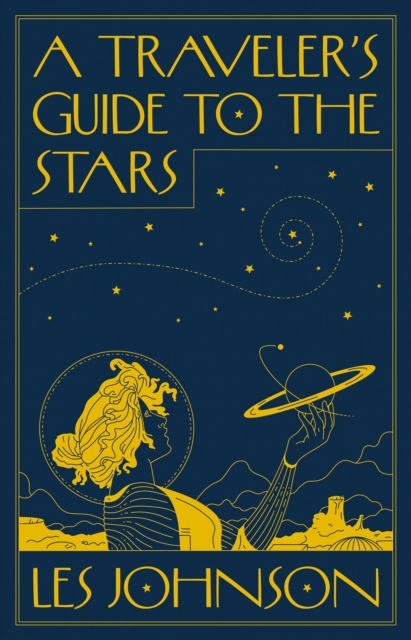
A brief guide to the real science of interstellar travelWith known exoplanets now numbering in the thousands and initiatives like 100 Year Starship and Breakthrough Starshot advancing the idea of interstellar travel, the age-old dream of venturing forth into the cosmos and perhaps even colonizing distant worlds may one day become a reality.
How a legendary woman from classical antiquity has come to embody the threat of transcendent beauty in movies and TVHelen of Troy in Hollywood examines the figure of the mythic Helen in film and television, showing how storytellers from different Hollywood eras have used Helen to grapple with the problems and dynamics of gender and idealized femininity.
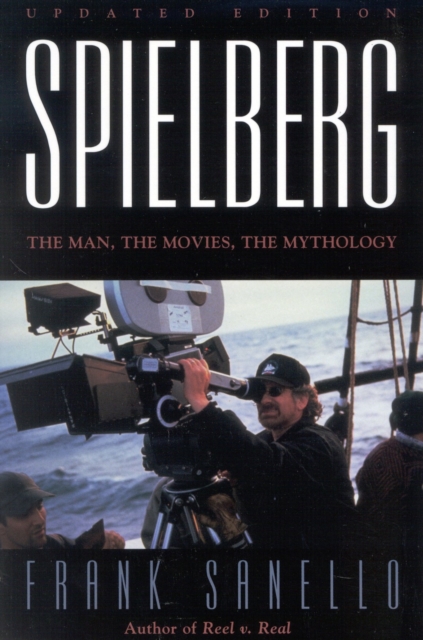
Based on more than a half dozen interviews with the director himself, this unauthorized biography recounts Spielberg's childhood, education, career, philanthropic and charitable endeavors, and his extremely private personal life.
Edo vive solo y alejado de la civilización cuando recibe la terrible noticia de la muerte de su única hija, de modo que decide volver a la metrópoli para tratar de averiguar lo que realmente ha pasado.