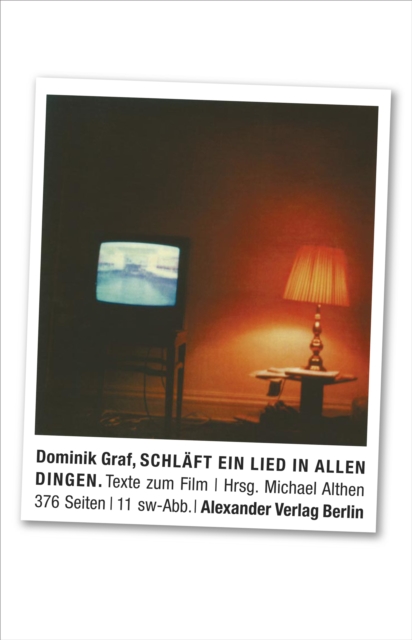
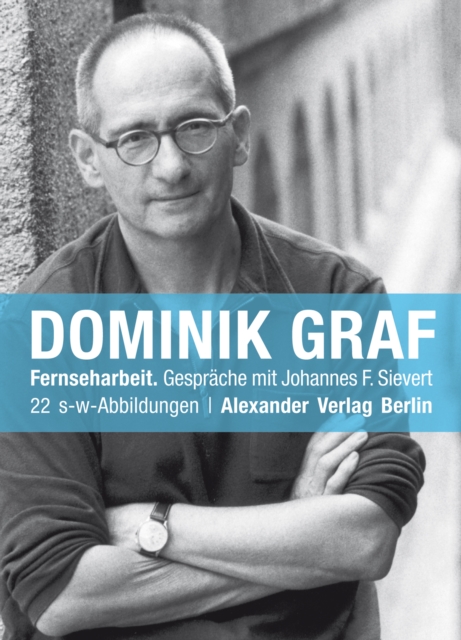
Dominik Graf schreibt über Filmklassiker und -entdeckungen aus Osteuropa, England, Frankreich, Italien, Amerika und Deutschland, über Filmkarrieren und Musik im Film.
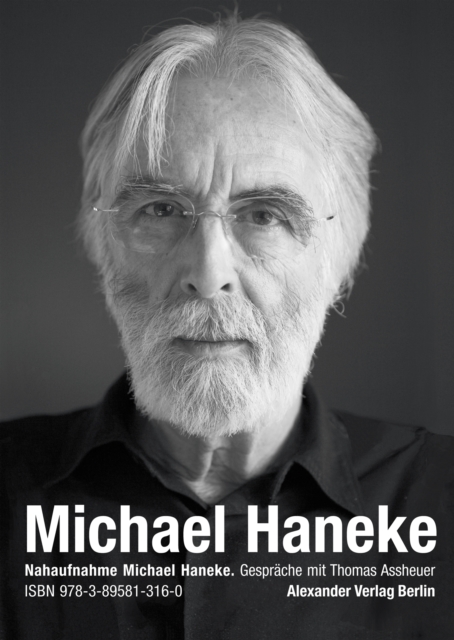
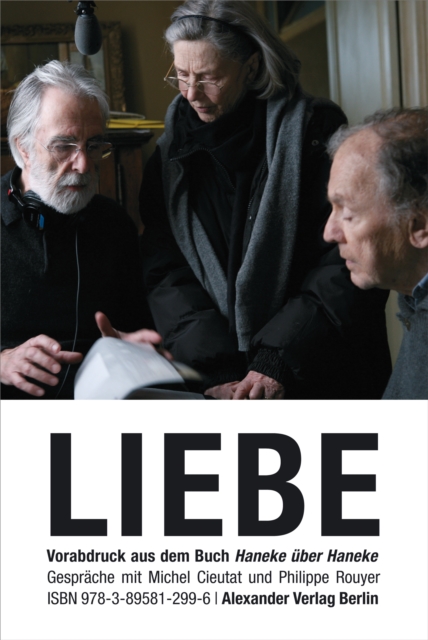
Der österreichische Regisseur und Drehbuchautor Michael Haneke wurde mit Filmen wie "Funny Games", "Die Klavierspielerin", "Caché", "Das weiße Band" und zuletzt "Liebe" bekannt.
In 'Von der Figur zum Charakter' setzt sich Linda Seger mit einem essentiellen Bereich des Filmemachens auseinander, dem Erschaffen glaubwürdiger und spannender Filmfiguren.
Hysteriker/West trifft Staatszombie/OstMichael Eberth folgt 1990 dem Ruf Thomas Langhoffs als Chefdramaturg an das Berliner Deutsche Theater, das ehemalige Staatstheater der DDR.
Zehn Jahre nach dem Ende des Ersten Weltkriegs und inmitten des Tonrauschs, der die Filmwelt erfasst hatte, wurde die Deutsche Gesellschaft für Ton und Bild e.
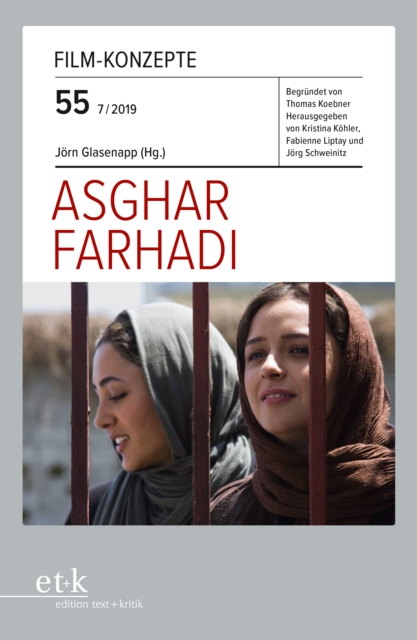
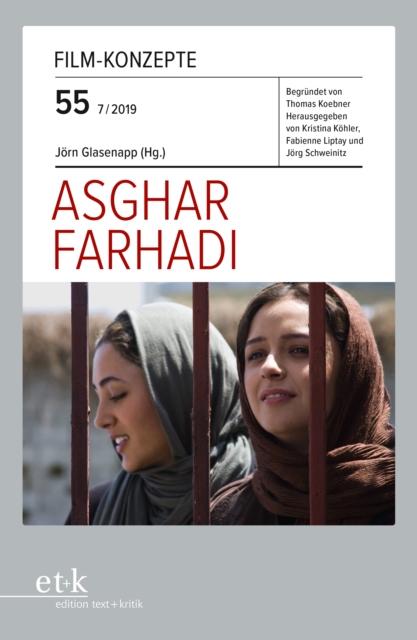
Spätestens mit seinem oscarprämierten Scheidungsdrama "Nader und Simin – Eine Trennung" (2011) ist Asghar Farhadi (*1972) aus dem Schatten seiner berühmten iranischen Regiekollegen Abbas Kiarostami, Mohsen Makhmalbaf und Jafar Panahi herausgetreten.
Spätestens mit seinem oscarprämierten Scheidungsdrama "Nader und Simin – Eine Trennung" (2011) ist Asghar Farhadi (*1972) aus dem Schatten seiner berühmten iranischen Regiekollegen Abbas Kiarostami, Mohsen Makhmalbaf und Jafar Panahi herausgetreten.
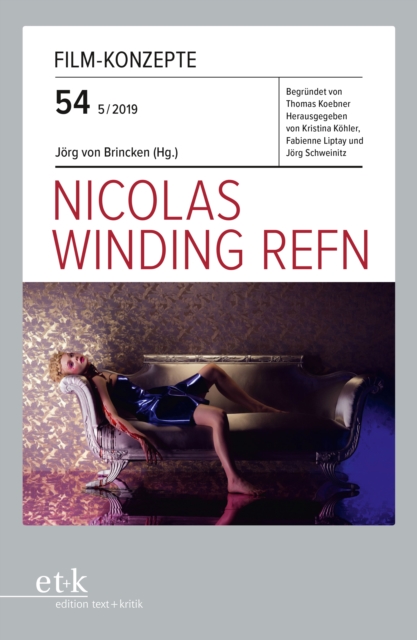
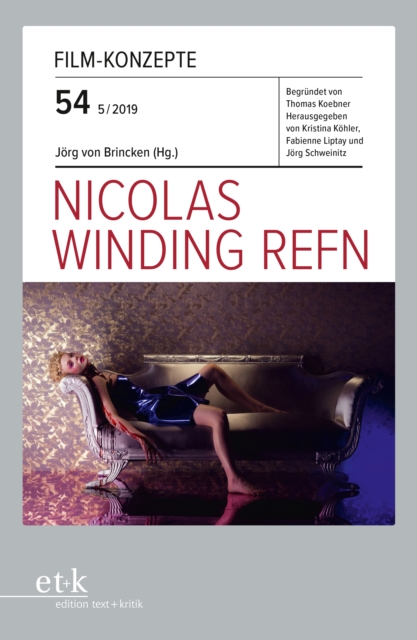
Nicolas Winding Refn (*1970) gehört zu den bemerkenswertesten, aber auch umstrittensten Regisseuren, die sich in der heutigen internationalen Filmlandschaft finden lassen.
Nicolas Winding Refn (*1970) gehört zu den bemerkenswertesten, aber auch umstrittensten Regisseuren, die sich in der heutigen internationalen Filmlandschaft finden lassen.
Woody Allen (*1935): Als schreibender, regieführender und schauspielender Autor hat er insgesamt fast 50 Kinofilme gedreht und wurde vielfach für sein Werk ausgezeichnet.
Woody Allen (*1935): Als schreibender, regieführender und schauspielender Autor hat er insgesamt fast 50 Kinofilme gedreht und wurde vielfach für sein Werk ausgezeichnet.
Die politisch und kulturell bewegte Zeit zwischen der Französischen Revolution und der Wiederherstellung der "guten alten Ordnung" 1848 bewegte zeitgenössische Literaten wie Büchner, Heine und Goethe.
Die politisch und kulturell bewegte Zeit zwischen der Französischen Revolution und der Wiederherstellung der "guten alten Ordnung" 1848 bewegte zeitgenössische Literaten wie Büchner, Heine und Goethe.
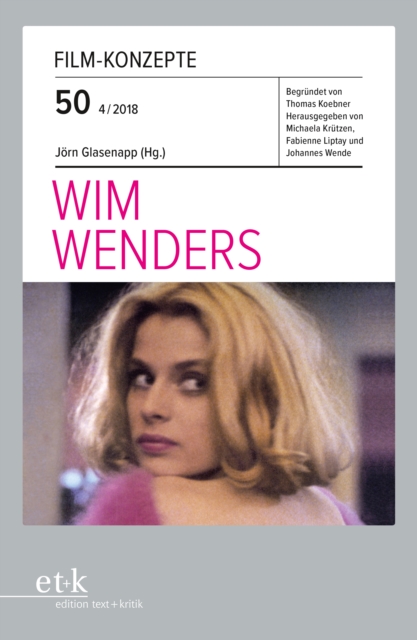
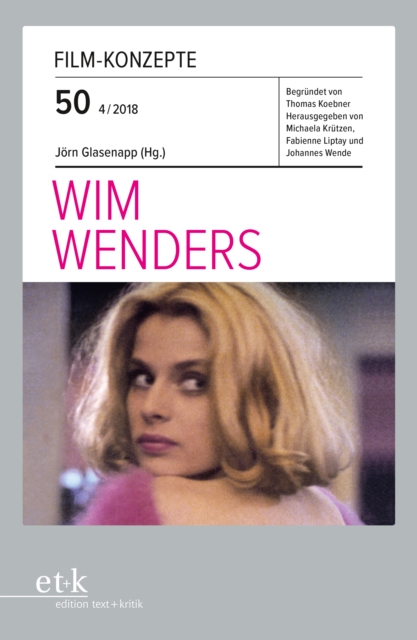
Wim Wenders darf als der international angesehenste und bei weitem wichtigste Gegenwartsregisseur Deutschlands bezeichnet werden – und gewiss auch als einer der produktivsten.
Wim Wenders darf als der international angesehenste und bei weitem wichtigste Gegenwartsregisseur Deutschlands bezeichnet werden – und gewiss auch als einer der produktivsten.
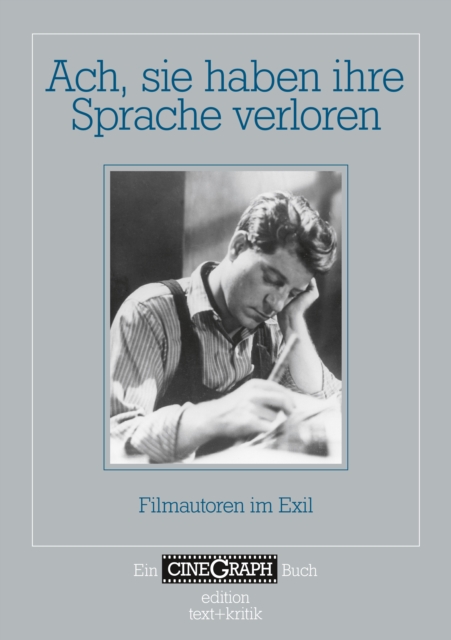
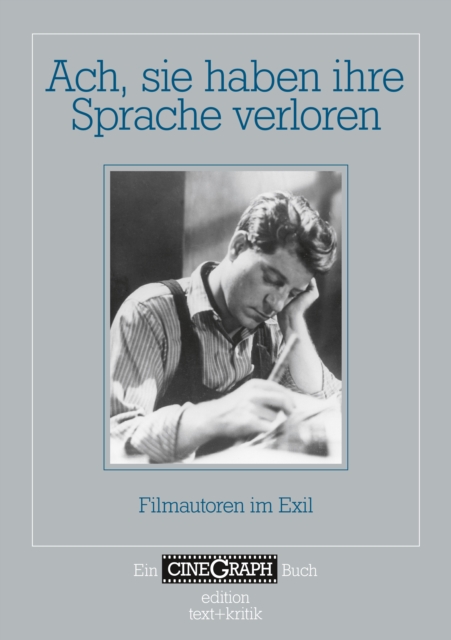
Nach 1933 flüchteten zahlreiche Menschen aus Deutschland vor den Nationalsozialisten in europäische Nachbarländer oder nach Übersee, darunter viele Filmschaffende.
Nach 1933 flüchteten zahlreiche Menschen aus Deutschland vor den Nationalsozialisten in europäische Nachbarländer oder nach Übersee, darunter viele Filmschaffende.
Das Werk, das Chantal Akerman hinterlässt, umfasst nahezu fünfzig Filme – experimentelle und erzählende, dokumentarische und fiktionale, literarische und autobiografische Arbeiten, die für das Kino und für das Fernsehen ebenso wie als Installationen für den Ausstellungsraum entstanden sind.
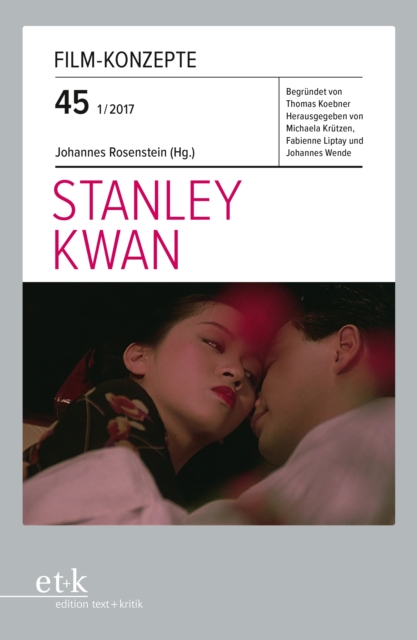
Stanley Kwan gehört mit Wong Kar-Wai zu den wichtigsten Vertretern der sogenannten Second Wave im Hongkong-Kino, einer Strömung, die sich im Zuge der Übergabe der Kronkolonie an die Volksrepublik China filmisch mit dem Übergang beschäftigte.