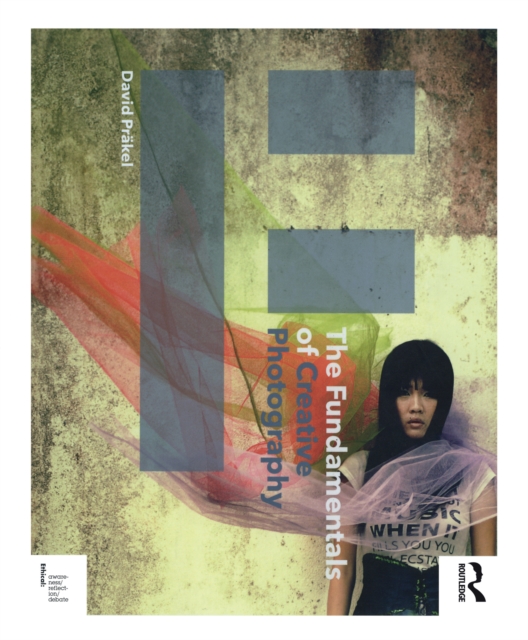
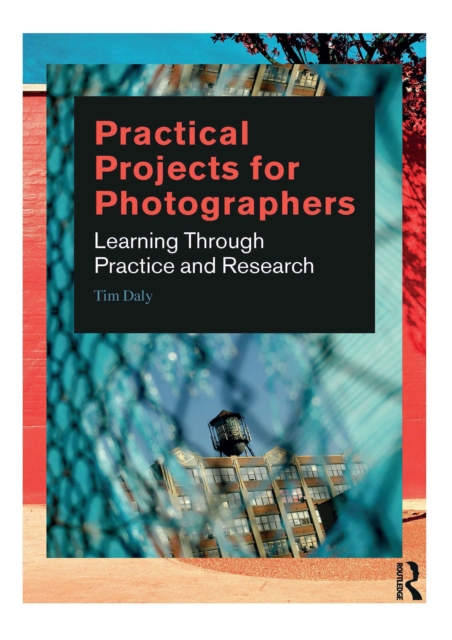
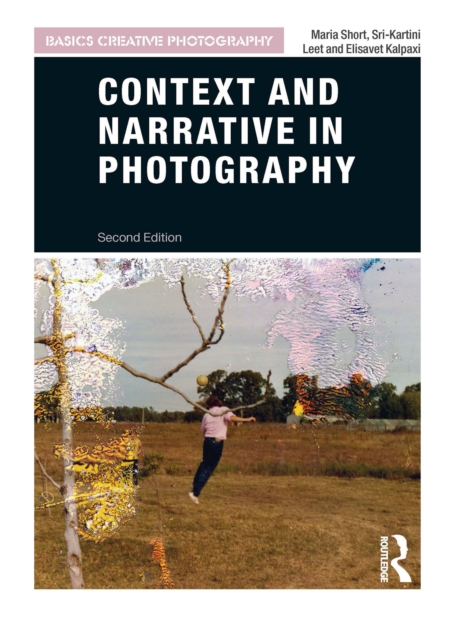
This book explores a range of photographic practices, including landscape and portraiture, still life and abstract, and considers techniques such as, directorial photography, photomontage and camera-less photography.
Running a Successful Photography Business is the definitive business bible for every professional photographer - a one-stop resource covering everything you need to know to make your business a success.
Photography FAQs: Black and White covers every aspect of black & white photography, from capturing the image to filtration, to developing and printing an image and successful presentation.
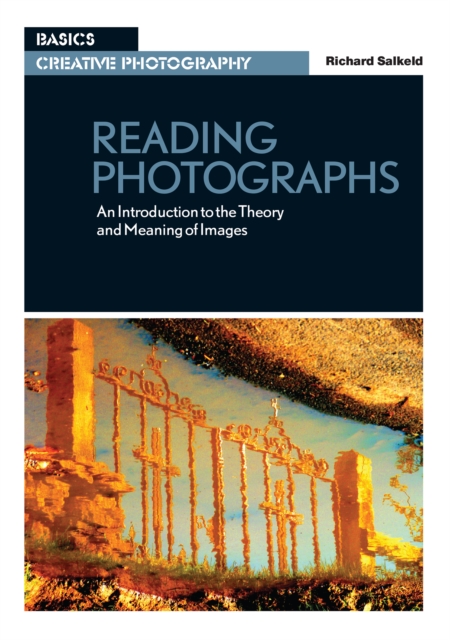
Reading Photographs is a clear and inspiring introduction to theories of representation and visual analysis and how they can be applied to photography.
Providing a thorough and comprehensive introduction to the study of photography, this second edition of Photography: The Key Concepts has been expanded and updated to cover more fully contemporary changes to photography.
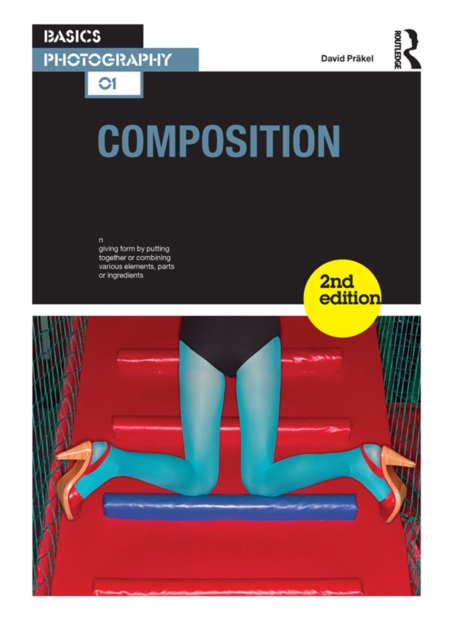
Basics Photography 06: Working in Black & White, by David Prakel, provides a comprehensive guide to the basic theory and practice of black and white photography, from the relationship between colour and greyscale tones to the art of seeing in black and white.
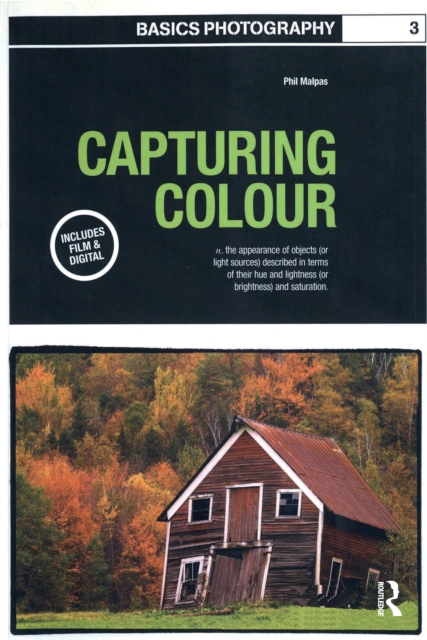
Basics Photography 03: Capturing Colour gives readers a comprehensive introduction to the subject of colour and how to master its use in the process of photographic image-making.
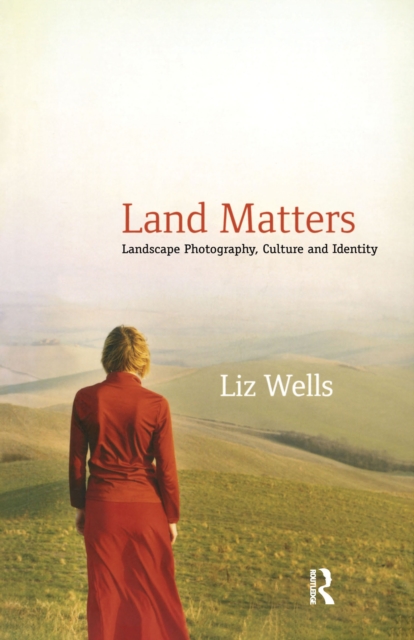
In this major work on landscape photography, extensively illustrated in colour and black & white, Liz Wells is concerned with the ways in which photographers engage with issues about land, its representation and idealisation.
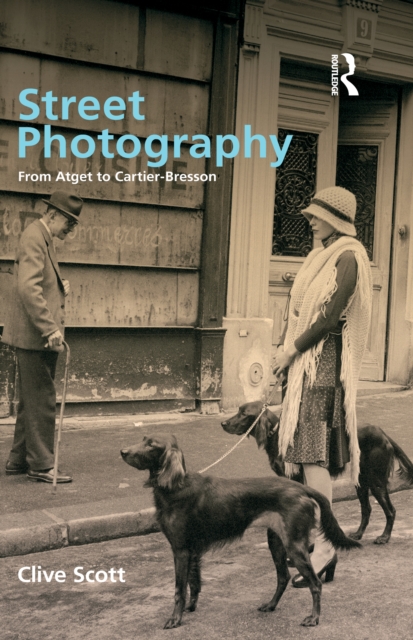
Street photography is perhaps the best-loved and most widely known of all photographic genres, with names like Cartier-Bresson, Brassai and Doisneau familiar even to those with a fleeting knowledge of the medium.
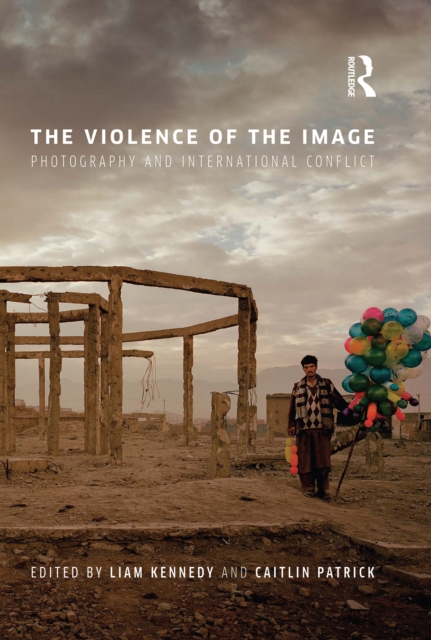
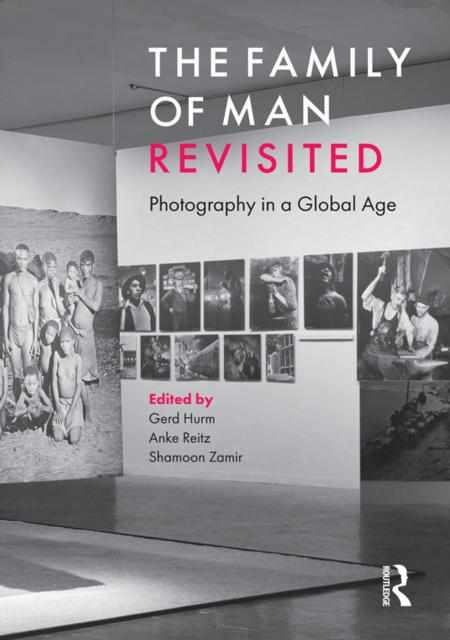
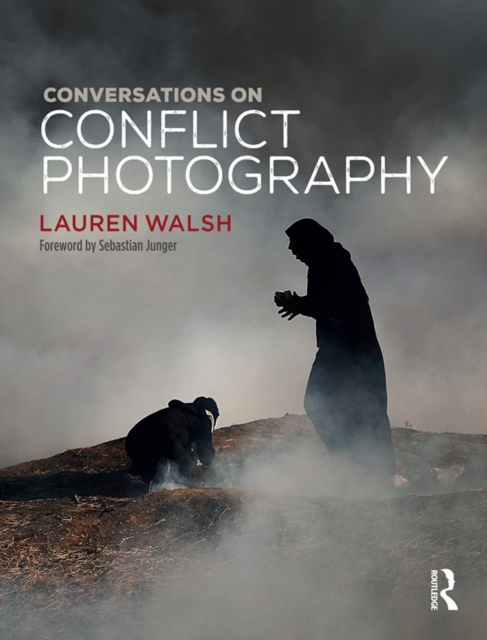
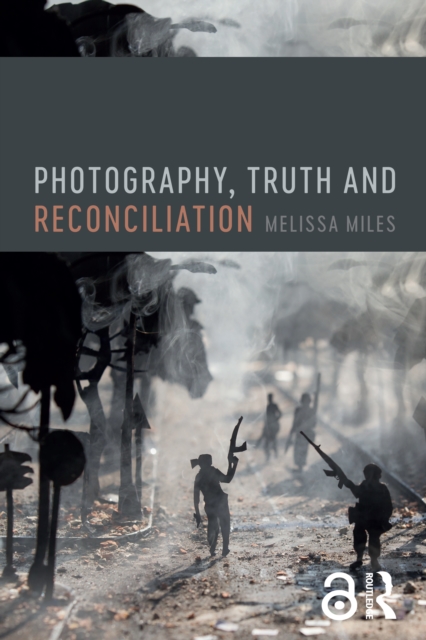
Photography has visualized international relations and conflicts from the midnineteenth century onwards and continues to be an important medium in framing the worlds of distant, suffering others.
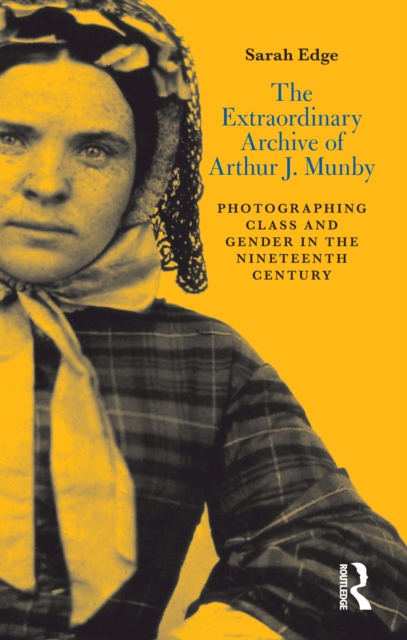
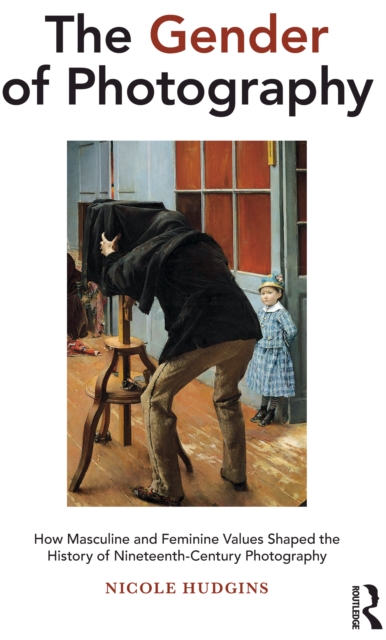
In the mid-1860s Arthur J Munby began to collect the first mass-produced photographic images of working-class women in England, recording fascinating details about the women, the places he purchased the photographs and the raging debates on this new commercial practice of photography, in accompanying diaries.
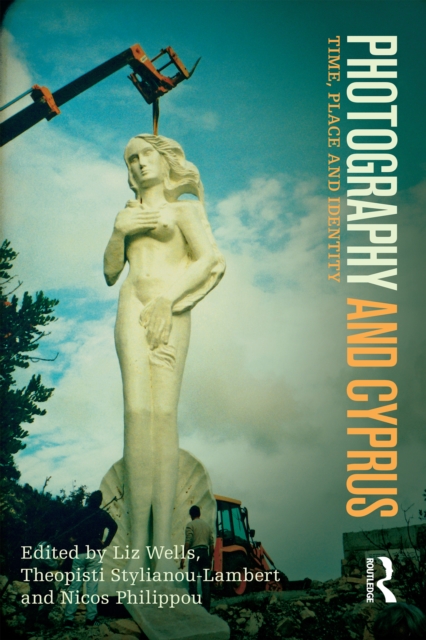
Formerly a British colony, the island of Cyprus is now a divided country, where histories of political and cultural conflicts, as well as competing identities, are still contested.
Expert photographer and instructor Tim Daly presents over 20 practical projects for the budding photographer to develop their technical and research skills.
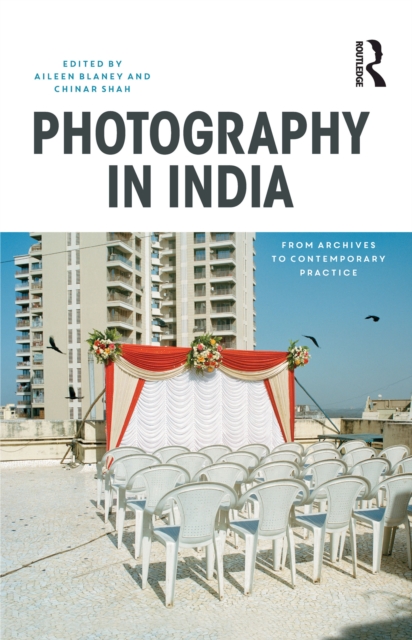
Photography's prominence in the representation and experience of India in contemporary and historical times has not guaranteed it a position of sustained attention in research and scholarship.
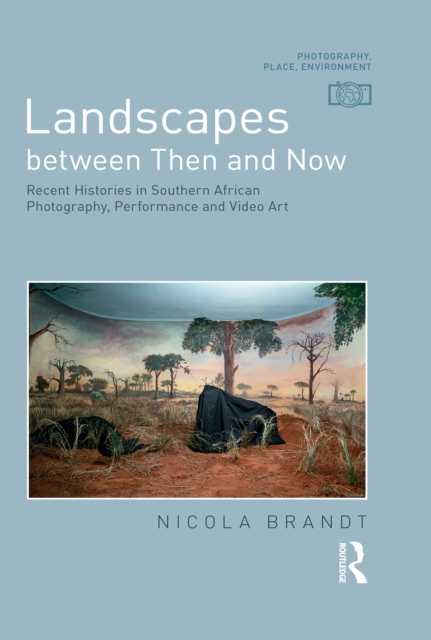
In Landscapes Between Then and Now, Nicola Brandt examines the increasingly compelling and diverse cross-disciplinary work of photographers and artists made during the transition from apartheid to post-apartheid and into the contemporary era.
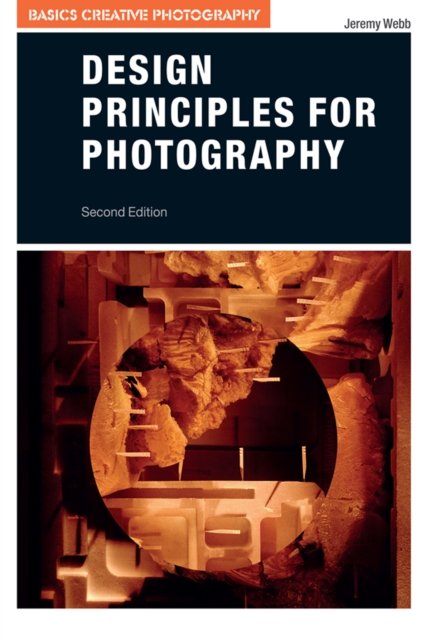
In an age over-saturated with photographic imagery, Design Principles for Photography demonstrates how design awareness can add a new level of depth to your images.
However beautiful or technically dazzling your photographs might be, if they don't tell a story, convey an idea or make your viewer stop and think, they are unlikely to make a lasting impression.
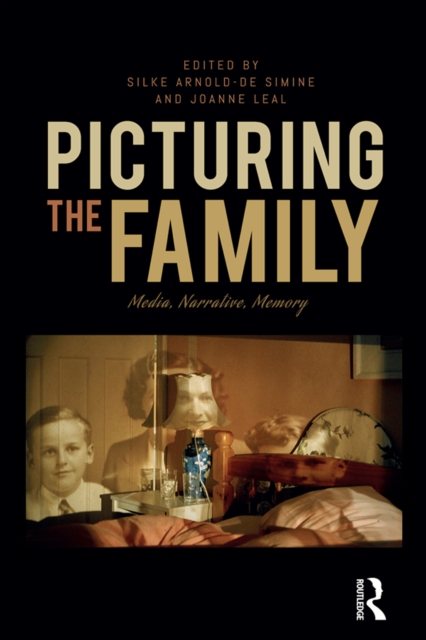
Whether pasted into an album, framed or shared on social media, the family photograph simultaneously offers a private and public insight into the identity and past of its subject.
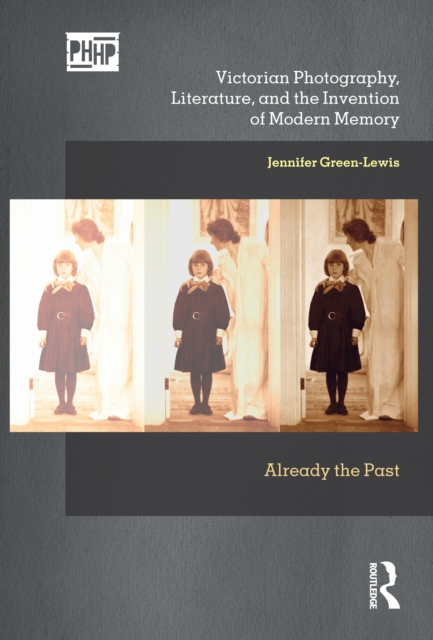
Analysing a broad range of texts by inventors, cultural critics, photographers, and novelists, this book argues that Victorian photography ultimately defined the concept of memory for generations to come - including our own.
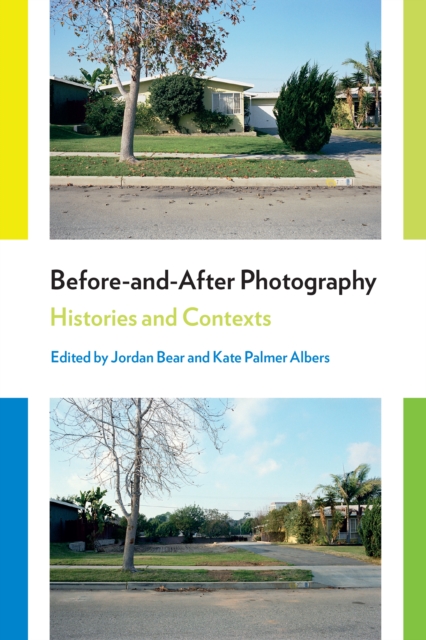
The before-and-after trope in photography has long paired images to represent change: whether affirmatively, as in the results of makeovers, social reforms or medical interventions, or negatively, in the destruction of the environment by the impacts of war or natural disasters.
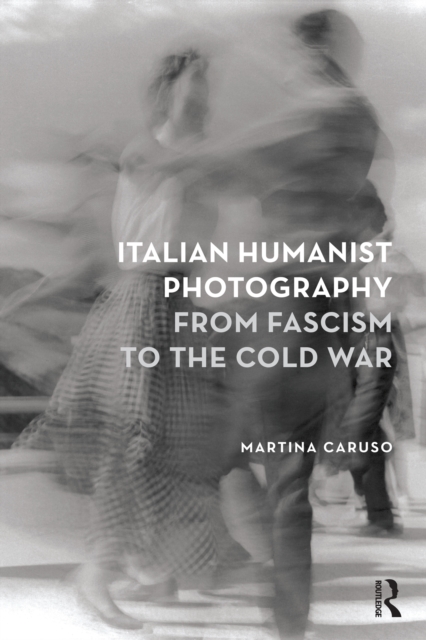
Spanning four decades of radical political and social change in Italy, this interdisciplinary study explores photography's relationship with Italian painting, film, literature, anthropological research and international photography.
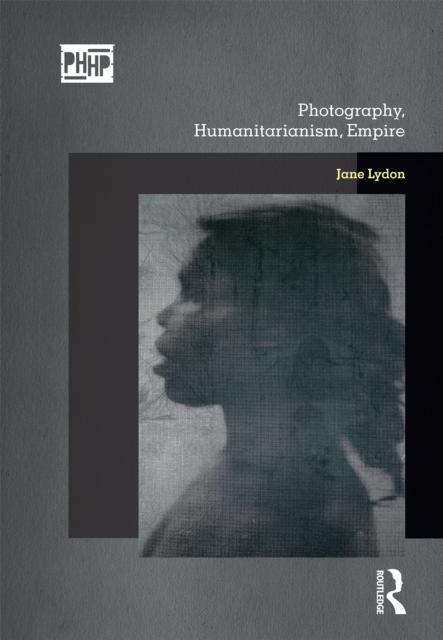
With their power to create a sense of proximity and empathy, photographs have long been a crucial means of exchanging ideas between people across the globe; this book explores the role of photography in shaping ideas about race and difference from the 1840s to the 1948 Declaration of Human Rights.
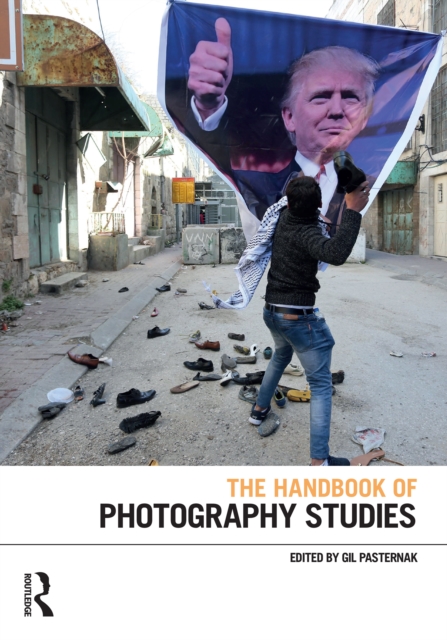
The Handbook of Photography Studies is a state-of-the-art overview of the field of photography studies, examining its thematic interests, dynamic research methodologies and multiple scholarly directions.
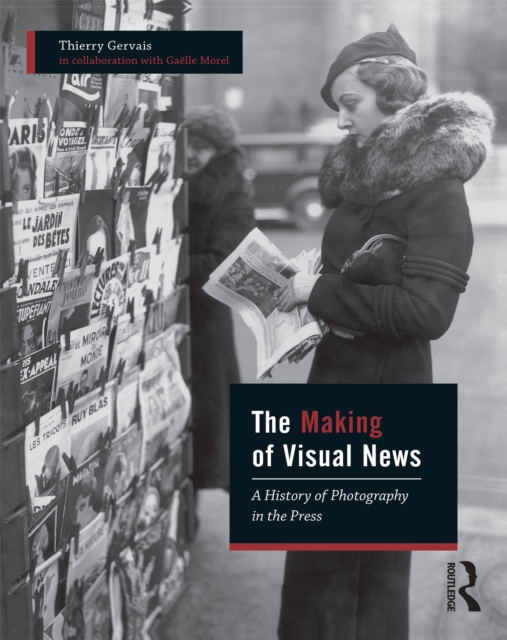
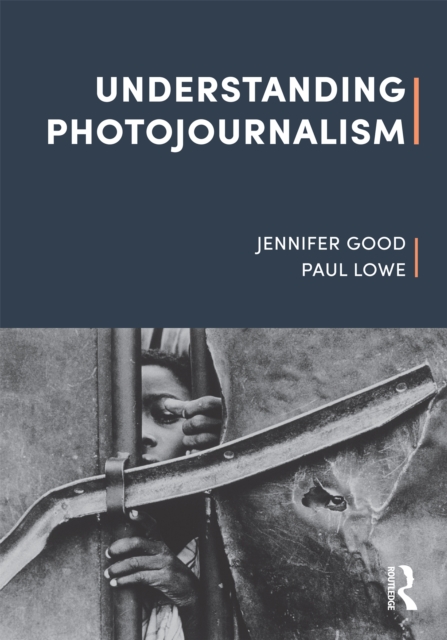
Understanding Photojournalism explores the interface between theory and practice at the heart of photojournalism, mapping out the critical questions that photojournalists and picture editors consider in their daily practice and placing these in context.
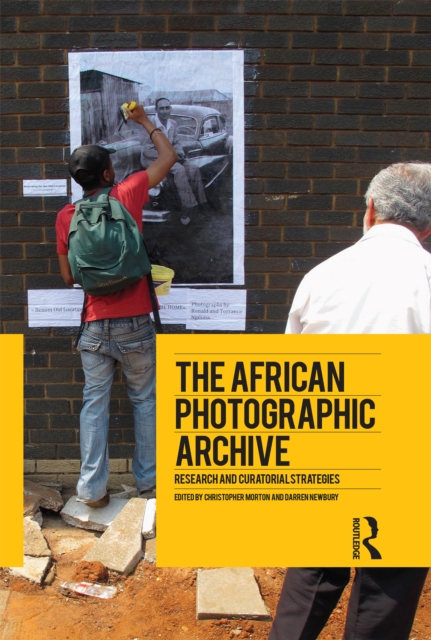
African photography has emerged as a significant focus of research and scholarship over the last twenty years, the result of a growing interest in postcolonial societies and cultures and a turn towards visual evidence across the humanities and social sciences.