This Element seeks to demonstrate how ceramics forward study of Egyptian society writ large, identifying key research questions and qualitative and quantitative methods.
This Element seeks to demonstrate how ceramics forward study of Egyptian society writ large, identifying key research questions and qualitative and quantitative methods.
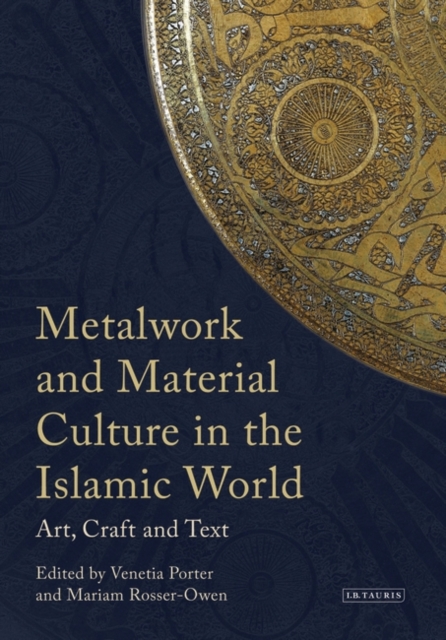
The material and visual culture of the Islamic World casts vast arcs through space and time, and encompasses a huge range of artefacts and monuments from the minute to the grandiose, from ceramic pots to the great mosques.
In the eighteenth and early nineteenth centuries, much of what is now the southwestern United States was known as Alta California, a remote part of New Spain.
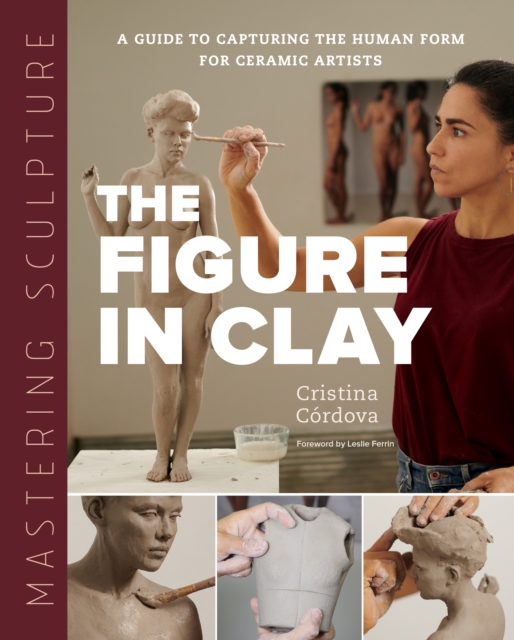
Explore the human form in depth, from concept sketches and armatures to detailed instructions for constructing legs, torso, arms, hands, and head from clay.
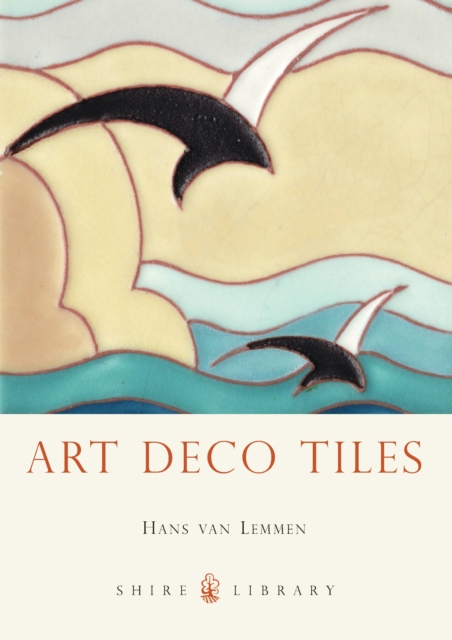
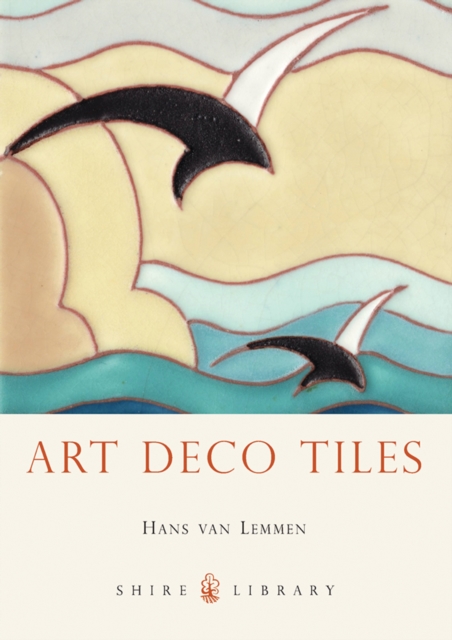
Art Deco was arguably the twentieth century's most popular and memorable design movement, and has come to define the inter-war period with its clean sleek lines, streamlined shapes, bold abstract forms and bright colours.
Art Deco was arguably the twentieth century's most popular and memorable design movement, and has come to define the inter-war period with its clean sleek lines, streamlined shapes, bold abstract forms and bright colours.
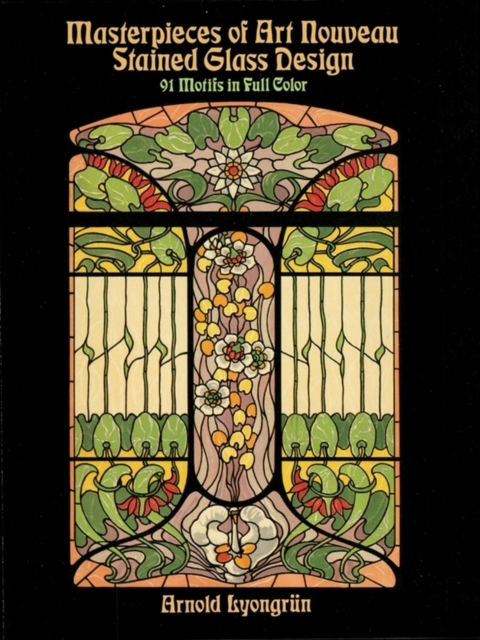
Discover the artist within and create beautiful stained glass Beautiful stained glass isn't reserved solely for church windows-it can be used to create intricate patterns in home windows, decorate cabinet doors, patio doors, ceilings, skylights, mirrors, lighting fixtures, garden decorations, and much more.
Discover the artist within and create beautiful stained glass Beautiful stained glass isn't reserved solely for church windows-it can be used to create intricate patterns in home windows, decorate cabinet doors, patio doors, ceilings, skylights, mirrors, lighting fixtures, garden decorations, and much more.
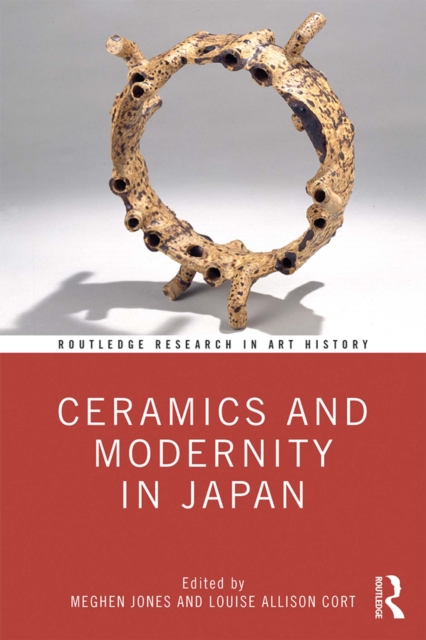
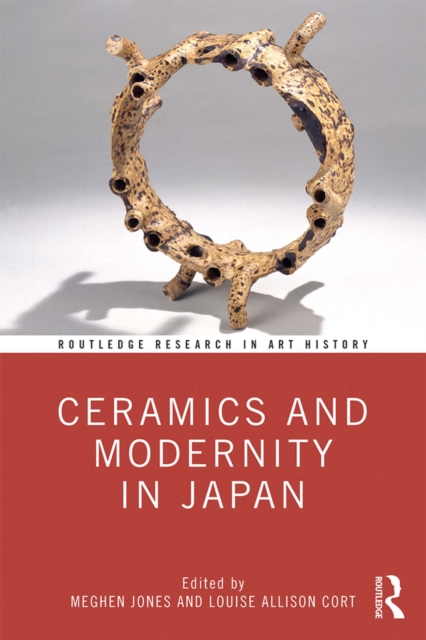
Ceramics and Modernity in Japan offers a set of critical perspectives on the creation, patronage, circulation, and preservation of ceramics during Japan's most dramatic period of modernization, the 1860s to 1960s.
Ceramics and Modernity in Japan offers a set of critical perspectives on the creation, patronage, circulation, and preservation of ceramics during Japan's most dramatic period of modernization, the 1860s to 1960s.
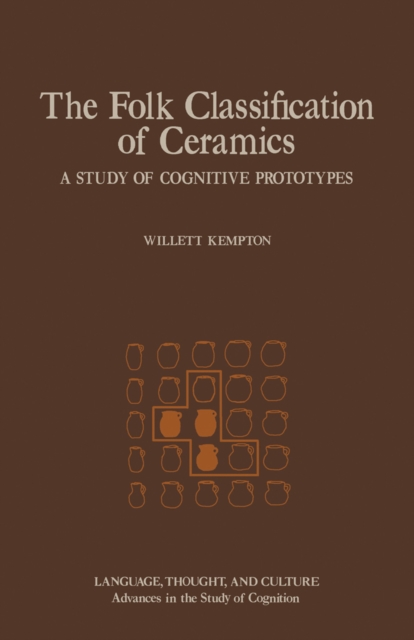
The Folk Classification of Ceramics: A Study of Cognitive Prototypes provides a general understanding of folk classification that compares cognitive structures across cultures through anthropological field studies.
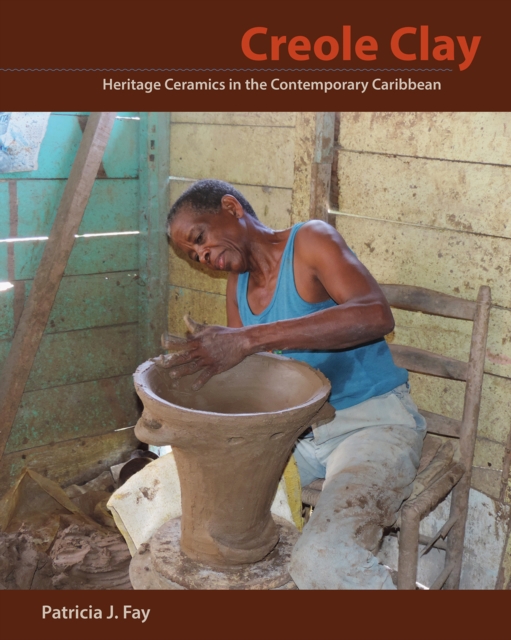
"e;Artfully combines personal narrative, ethnographic insight, and an artisan's treatise on material culture and production techniques to bring quotidian Caribbean ceramic wares to life as material expressions of cultural adaptation and markers of the region's socio-economic history.
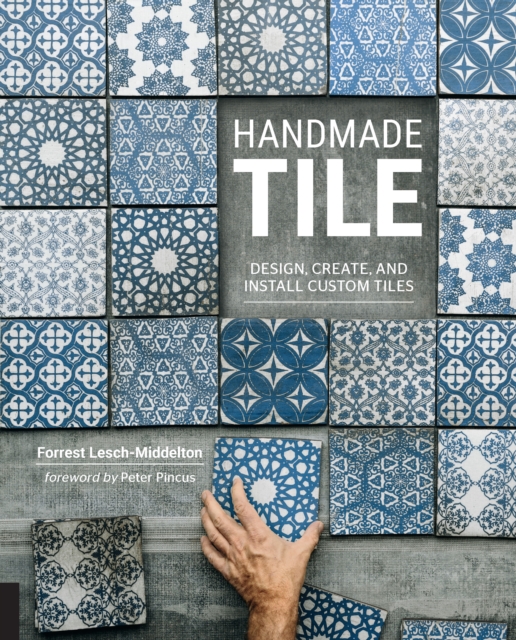
Handmade Tileis a contemporary guide for ceramic artists and anyone interested in custom tile installationsfrom making, designing, and decorating to designing your space and installation.
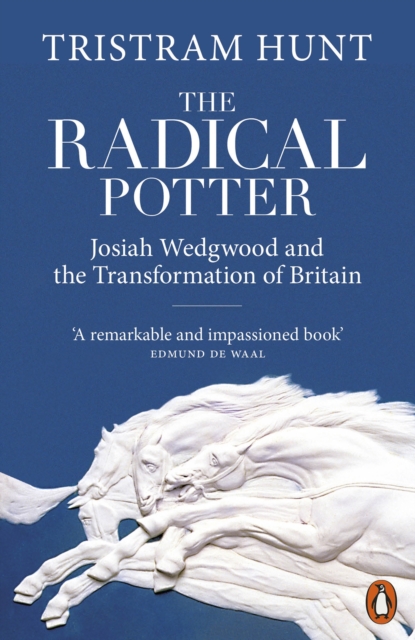
*Longlisted for the William MB Berger Prize for British Art History, 2022*A spectacular biography of the great designer, entrepreneur, abolitionist and beacon of the Industrial Revolution, from acclaimed historian and Director of the Victoria and Albert Museum, Tristram HuntJosiah Wedgwood, perhaps the greatest English potter who ever lived, epitomized the best of his age.
Ceramics had a far-reaching impact in the second half of the twentieth century, as its artists worked through the same ideas regarding abstraction and form as those for other creative mediums.