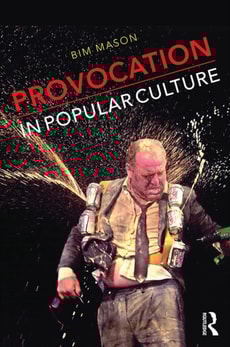
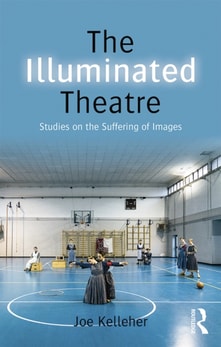
Examining the artistic, intellectual, and social life of performance, this book interrogates Theatre and Performance Studies through the lens of display and modern visual art.
This book, first published in 1981, sets out the critical reaction to some fifty key post-war productions of the British theatre, as gauged primarily through the contemporary reviews of theatre critics.
This book, first published in 1981, sets out the critical reaction to some fifty key post-war productions of the British theatre, as gauged primarily through the contemporary reviews of theatre critics.
The Routledge Handbook of Language and Humor presents the first ever comprehensive, in-depth treatment of all the sub-fields of the linguistics of humor, broadly conceived as the intersection of the study of language and humor.
The Routledge Handbook of Language and Humor presents the first ever comprehensive, in-depth treatment of all the sub-fields of the linguistics of humor, broadly conceived as the intersection of the study of language and humor.
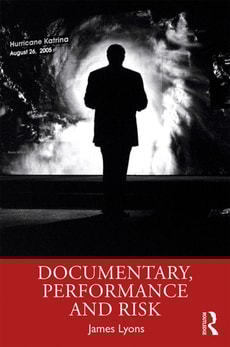
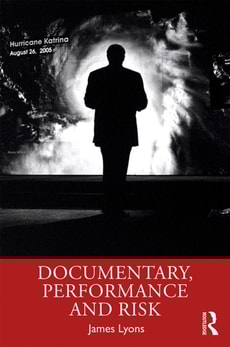
Documentary, Performance and Risk explores how some of the most significant recent American feature documentaries use performance to dramatically animate major categories of risk.
Documentary, Performance and Risk explores how some of the most significant recent American feature documentaries use performance to dramatically animate major categories of risk.
William Shakespeare's The Taming of the Shrew has succeeded in surviving in contemporary culture, and has even managed to penetrate to the most modern media of mass communications.
William Shakespeare's The Taming of the Shrew has succeeded in surviving in contemporary culture, and has even managed to penetrate to the most modern media of mass communications.
The Routledge Dictionary of Contemporary Theatre and Performance provides the first authoritative alphabetical guide to the theatre and performance of the last 30 years.
The Routledge Dictionary of Contemporary Theatre and Performance provides the first authoritative alphabetical guide to the theatre and performance of the last 30 years.
Theatre has always been subject to a wide range of social, political, moral, and doctrinal controls, with authorities and social groups imposing constraints on scripts, venues, staging, acting, and reception.
Theatre has always been subject to a wide range of social, political, moral, and doctrinal controls, with authorities and social groups imposing constraints on scripts, venues, staging, acting, and reception.