Based on theatrical research of unusual depth and enterprise, Theatre as a Weapon (1986) shows how the workers' theatre of the 1920s and 1930s transformed the social function of theatre.
Bringing together contributors from dance, theatre, visual studies and art history, Perform, Repeat, Record addresses the conundrum of how live art is positioned within history.
The Human Touch is a book focused on the creative processes at work in British contemporary improvisational theatre and how these processes draw on the humanity of the participants: their cognitive abilities, their lives, and their relationships to each other.
Immersive Storytelling and Spectatorship in Theatre, Museums, and Video Games is the first volume to explore immersion as it is experienced in all three of these storytelling forms: the theatre, museums and historic sites, and video games.
Showcasing the Optimal, Maximal, Incremental, and Threshold (OMIT) and Accelerate The Curve (ATC) models, this book offers a solid understanding of high performance and how to improve it.
This book explores historical, socio-political, and metatheatrical readings of a whole host of dying bodies and risen corpses, each part of a long tradition of living death on stage.
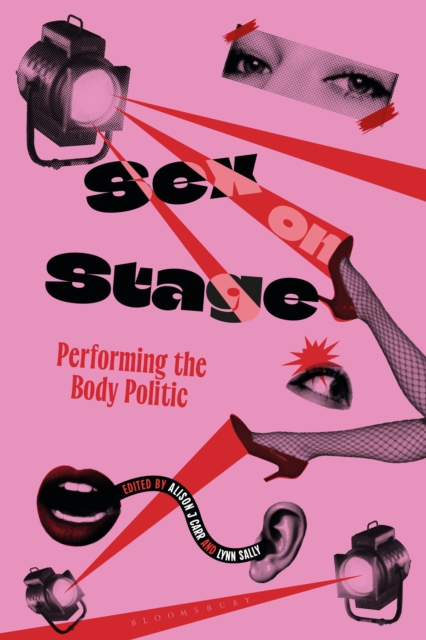
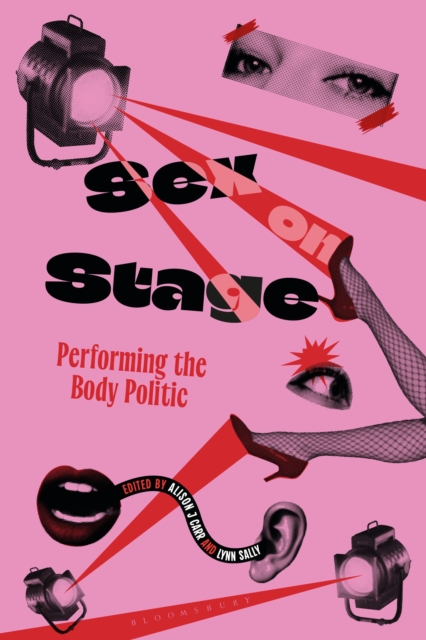
This is the first collection of original essays, articles, and images from authors, activists, artists, and scholars that grapple with the explicit body and the staging of sex across multiple spaces from burlesque to drag, to sex work, to traditional theatre.
Lee provides a comprehensive insight into important topics within modern Korean theatre and conducts an in-depth evaluation of the major discourses that shaped Korean theatre during the 20th century.
Based on theatrical research of unusual depth and enterprise, Theatre as a Weapon (1986) shows how the workers' theatre of the 1920s and 1930s transformed the social function of theatre.
This book explores historical, socio-political, and metatheatrical readings of a whole host of dying bodies and risen corpses, each part of a long tradition of living death on stage.
Bringing together the latest research and perspectives in the fields of analytic philosophy and theater studies, this collection of essays provides a reflection of how these two fields have emerged and intersected in the twenty-first century.
First Published in 2000, Recording Women documents the work of three leading feminist theatre companies, Sphinx Theatre Company, Scarlett Theatre and Foresight Theatre, through a combination of interviews with theatre practitioners and detailed descriptions of productions in performance.
This accessible book outlines the key ideas that define the global phenomenon of applied theatre, not only its theoretical underpinning, its origins and practice, but also providing eight real-life examples drawn from a diversity of forms and settings.
This is the first collection of original essays, articles, and images from authors, activists, artists, and scholars that grapple with the explicit body and the staging of sex across multiple spaces from burlesque to drag, to sex work, to traditional theatre.
This book identifies and theorises mess in contemporary performance and argues that mess offers a site from which subjects might mobilise and find agency, even as the complexity (and indeed messiness) of everyday life conditions and contains.
Queering the Stage: Inclusive Approaches to Performing Gender and Sexuality addresses a history of stereotyping and provides inclusive approaches to navigating gender and sexuality in a way that does not reduce the broad spectrum of LGBTQ+ communities into a single monolith.
The Routledge Companion to Twentieth Century British Theatre and Performance provides a broad range of perspectives on the multiple models and examples of theatre, artists, enthusiasts, enablers, and audiences that emerged over this formative 100-year period.
Fifty Key Improv Performers highlights the history, development, and impact of improvisational theatre by highlighting not just key performers, but institutions, training centers, and movements to demonstrate the ways improv has shaped contemporary performance both onstage and onscreen.
The Human Touch is a book focused on the creative processes at work in British contemporary improvisational theatre and how these processes draw on the humanity of the participants: their cognitive abilities, their lives, and their relationships to each other.
Teaching Dance Improvisation serves as an introduction to, and a springboard for the author's theories, practices, and curriculum building of dance improvisation as a technique.
Consent in Shakespeare's Classical Mediterranean fills a gap in knowledge about how female-identified, gender-fluid, and non-binary characters made choices about intimacy, engagement, and marriage in Shakespeare's classical Mediterranean plays.
This accessible introduction challenges fixed understandings of the geographical or conceptual "e;origins"e; of feminist performance, offering a fresh and open-ended guide to the moments and movements that have come to define this vital field.
This anthology of essays, a companion to Puppet and Spirit: Ritual, Religion, and Performing Objects, Volume I, aims to explore the many types of relationships that exist between puppets, broadly speaking, and the immaterial world.
This book identifies and theorises mess in contemporary performance and argues that mess offers a site from which subjects might mobilise and find agency, even as the complexity (and indeed messiness) of everyday life conditions and contains.
This accessible book outlines the key ideas that define the global phenomenon of applied theatre, not only its theoretical underpinning, its origins and practice, but also providing eight real-life examples drawn from a diversity of forms and settings.
The Routledge Companion to Twentieth Century British Theatre and Performance provides a broad range of perspectives on the multiple models and examples of theatre, artists, enthusiasts, enablers, and audiences that emerged over this formative 100-year period.
Winner of the Barbara Jelavich Book Prize 2023"e;I am Jugoslovenka"e; argues that queer-feminist artistic and political resistance were paradoxically enabled by socialist Yugoslavia's unique history of patriarchy and women's emancipation.