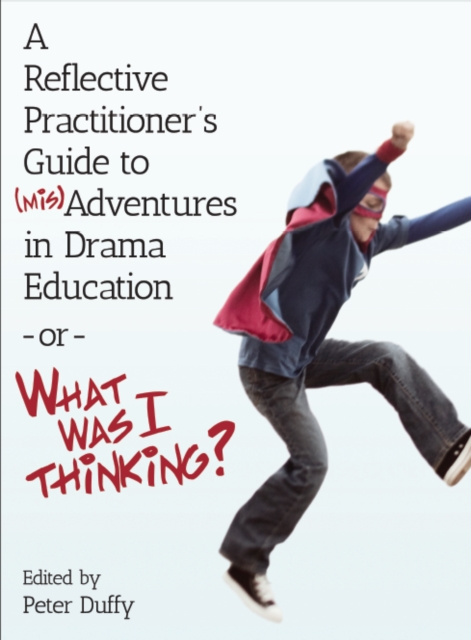
This collection of essays from many of the world's preeminent drama education practitioners captures the challenges and struggles of teaching with honesty, humour, openness and integrity.
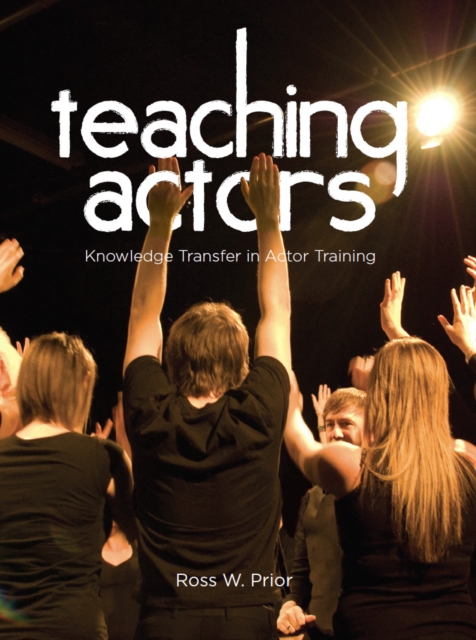
Teaching Actors draws on history, literature, and original research conducted across leading drama schools in England and Australia, to offer those involved in actor training a critical framework within which to think about their work.
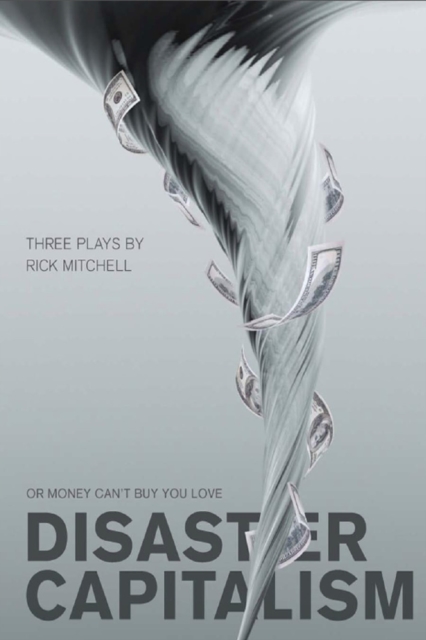
This book includes three full-length plays by award-winning dramatist Rick Mitchell: Shadow Anthropology, a dark comedy about the US occupation of Afghanistan; Through the Roof, a Faustian trip through the social history of natural disaster in New Orleans; and Celestial Flesh, a sacrilegious romp through the 1980s sanctuary movement.
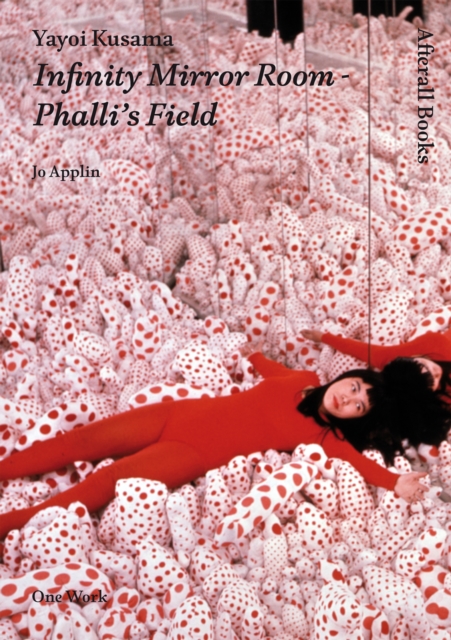
A study of Kusama''s era-defining work, a “sublime, miraculous field of phalluses,” against the background of abstraction, eroticism, sexuality, and softness.
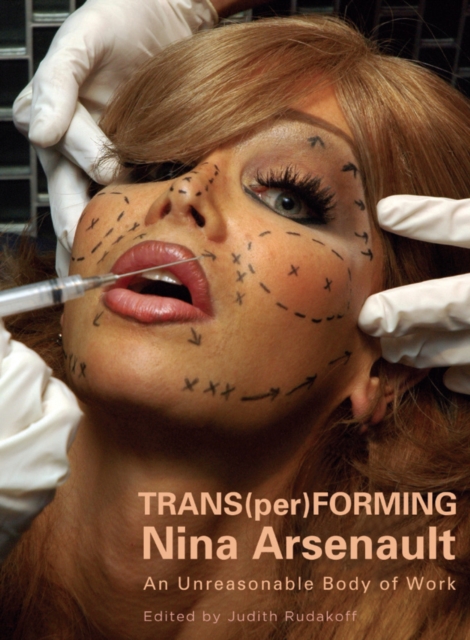
After sixty surgeries at a cost of almost $200,000 to feminize and beautify her originally male body, transgendered Canadian artist Nina Arsenault has created a body of work emanating from her experiences that includes photographs, videos disseminated online, a website, a blog, several social networking presentation sites, stage plays, print media writing and performance of the body in both celebrity appearances and daily public life.
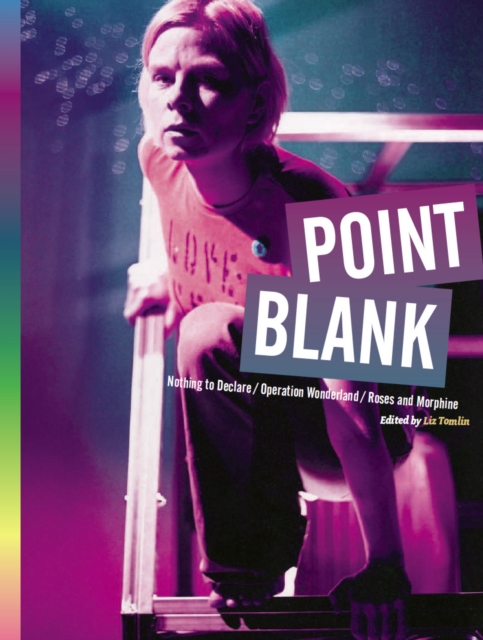
Point Blank, one of Britain's most provocative new theater companies, has received a deluge of critical acclaim for its darkly comic political satire and bleak metaphorical landscapes.
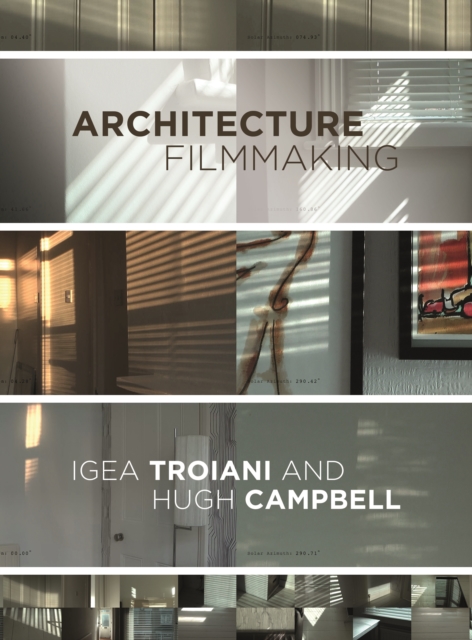
Unlike other books on architecture and film, Architecture Filmmaking investigates how the now-expanded field of architecture utilizes the practice of filmmaking (feature/short film, stop motion animation and documentary) or video/moving image in research, teaching and practice, and what the consequences of this interdisciplinary exchange are.
Despite the increasing popularity of academic filmmaking programs in the United States, some of contemporary America's most exciting film directors have emerged from the theater world.
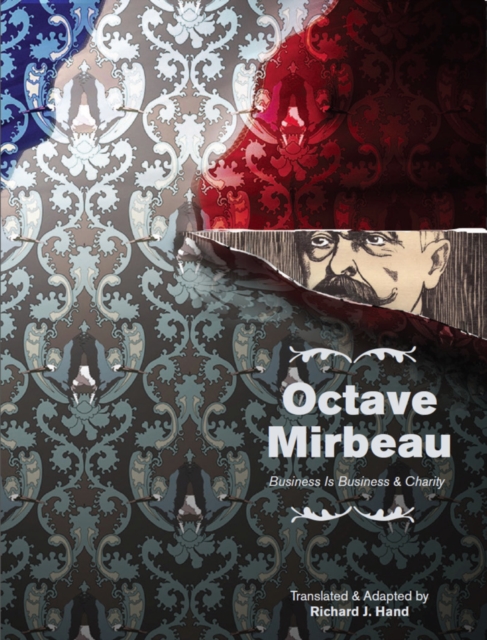
Octave Mirbeau was one of the most prolific literary figures of France s storied Belle Epoque, and his innovative theatrical works are only recently being rediscovered and appreciated by modern audiences.
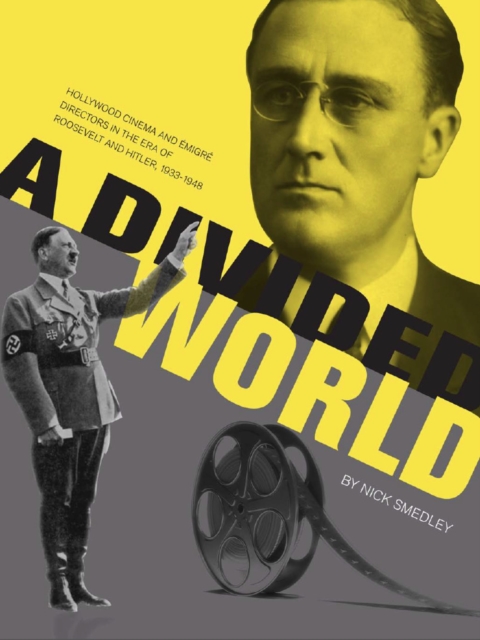
Roosevelt's New Deal introduced sweeping social, political and cultural change across the United States, which the Hollywood film community embraced enthusiastically.
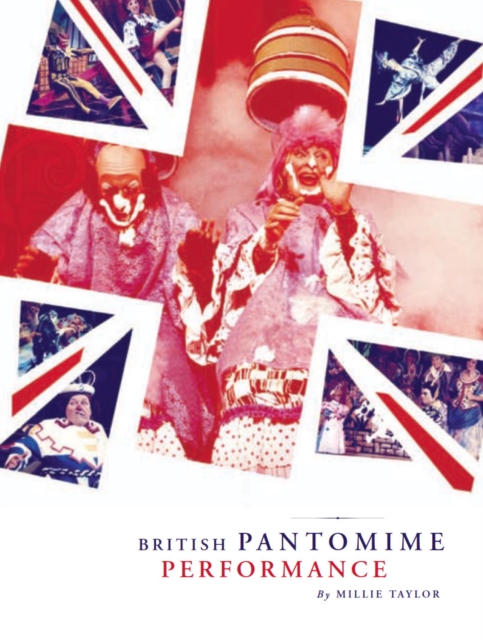
This original analysis of contemporary British pantomime addresses the question of how pantomime creates a unique interactive relationship with, and potentially transformative experience for, its audiences.
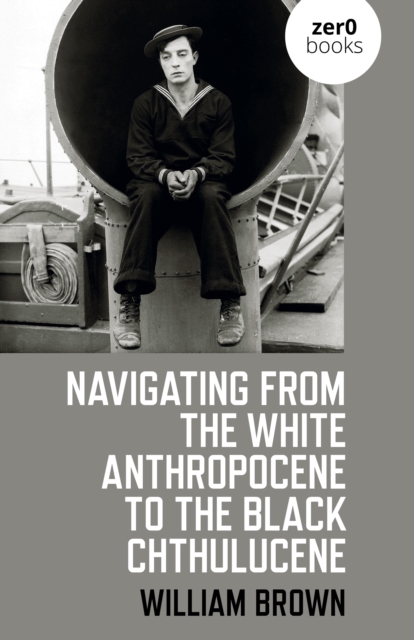
Navigating from the White Anthropocene to the Black Chthulucene radically re-interprets Buster Keaton''s iconic 1924 film, The Navigator, through the combined lenses of posthumanism and critical race theory.
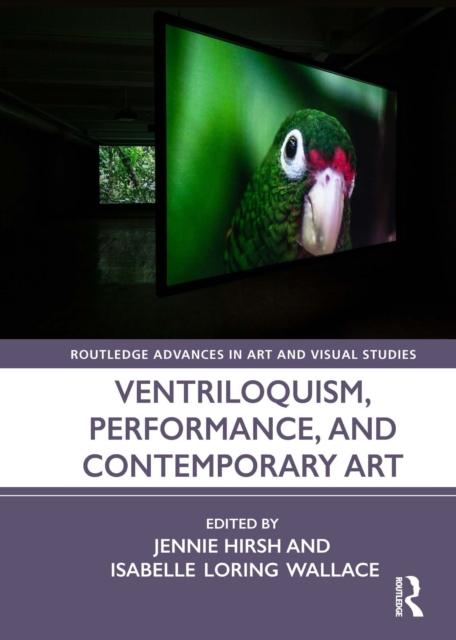
Ventriloquism, Performance, and Contemporary Art volume calls attention to the unexpected prevalence of ventriloqual motifs and strategies within contemporary art.
Ventriloquism, Performance, and Contemporary Art volume calls attention to the unexpected prevalence of ventriloqual motifs and strategies within contemporary art.
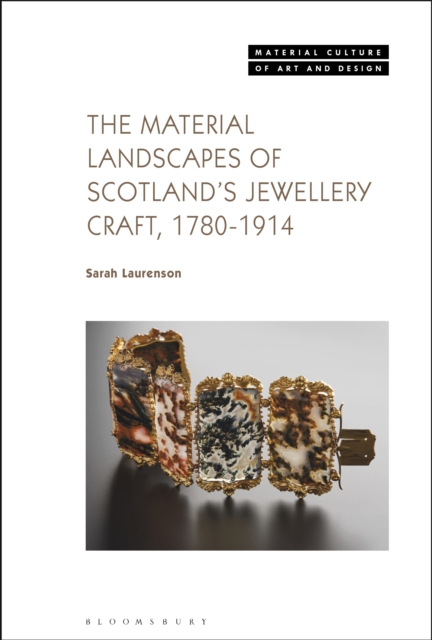
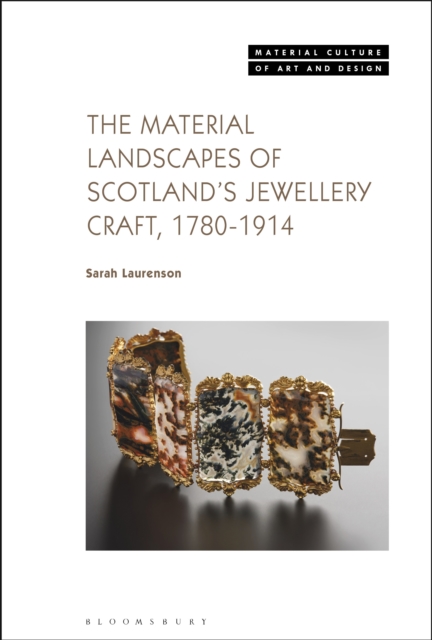
Shortlisted for the History Book Award in Scotland's National Book Awards, 2023Shortlisted for the Society of Authors Translation Prize 2019During the long 19th century, Scotland was home to an established body of skilled jewellers who were able to access a range of materials from the country's varied natural landscape: precious gold and silver; sparkling crystals and colourful stones; freshwater pearls, shells and parts of rare animals.
Shortlisted for the History Book Award in Scotland's National Book Awards, 2023Shortlisted for the Society of Authors Translation Prize 2019During the long 19th century, Scotland was home to an established body of skilled jewellers who were able to access a range of materials from the country's varied natural landscape: precious gold and silver; sparkling crystals and colourful stones; freshwater pearls, shells and parts of rare animals.
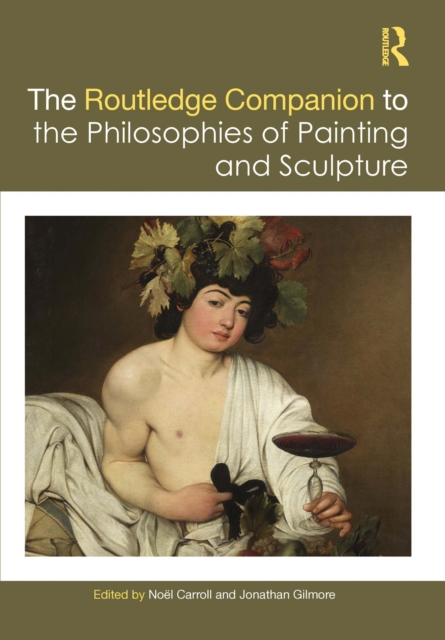
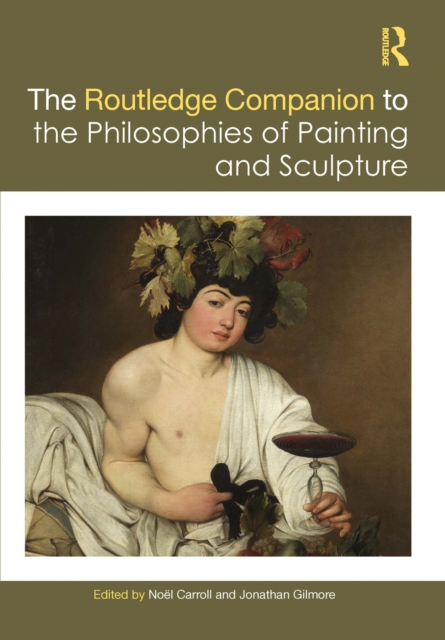
Comprising 45 chapters, written especially for this volume by an international team of leading experts, The Routledge Companion to the Philosophies of Painting and Sculpture is the first handbook of its kind.
Comprising 45 chapters, written especially for this volume by an international team of leading experts, The Routledge Companion to the Philosophies of Painting and Sculpture is the first handbook of its kind.
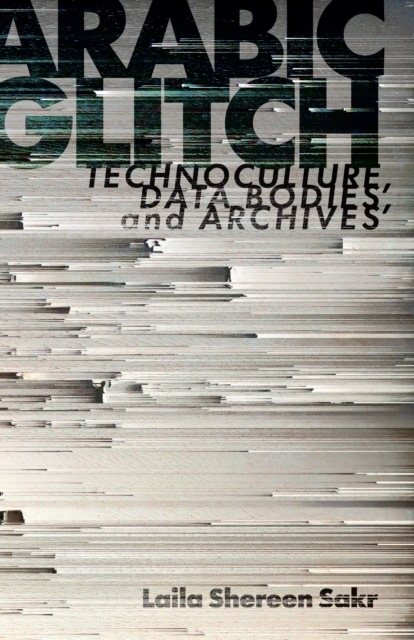
Arabic Glitch explores an alternative origin story of twenty-first century technological innovation in digital politics-one centered on the Middle East and the 2011 Arab uprisings.
Arabic Glitch explores an alternative origin story of twenty-first century technological innovation in digital politics-one centered on the Middle East and the 2011 Arab uprisings.
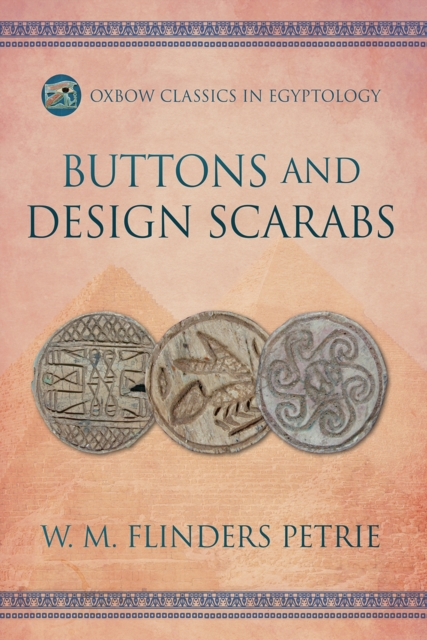
This facsimile reissue of Flinders Petrie’s extensive catalog of buttons and scarabs describes and illustrates over 1500 examples, along with an appendix on additions to the ‘Scarabs and Cylinders’ volume published earlier.
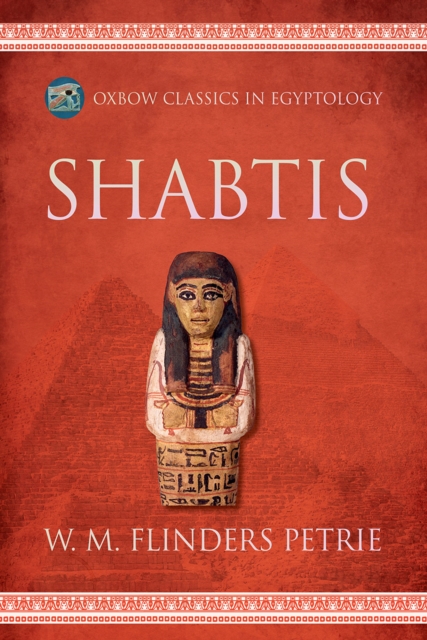
Facsimile edition of the 1972 reissue of Flinders Petrie’s 1914 pioneering typological catalog of Egyptian Shuabtis, one of a number of such catalogs to be reissued in this new series.
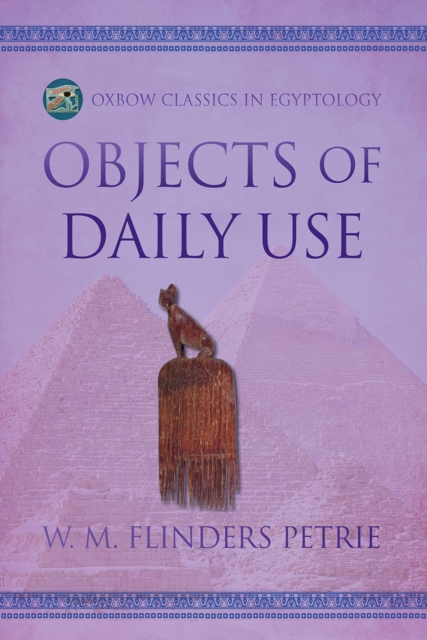
Facsimile edition of the 1974 reissue of Flinders Petrie’s fully illustrated 1927 description and catalog of personal and everyday Egyptian and Roman objects in his collections.
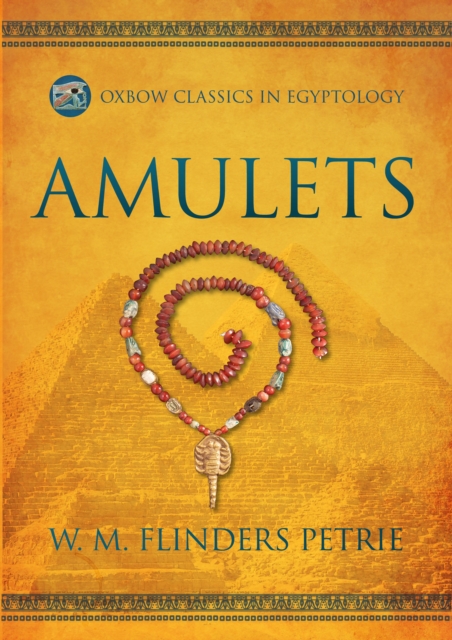
Facsimile edition of the 1972 reissue of Flinders Petrie’s 1914 pioneering typological catalogue of Egyptian amulets, one of a number of such catalogs to be reissued in this new series.
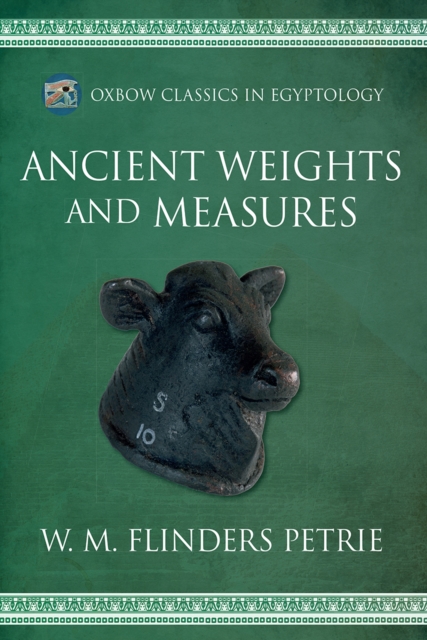
Facsimile of volume of detailed catalogs prepared by Flinders Petrie of ancient weights and measures based on examination of over 4000 Egyptian weights within his collections.
This book enhances critical perspectives on human rights through the lens of performance studies and argues that contemporary artistic interventions can contribute to our understanding of human rights as a critical and embodied doing.
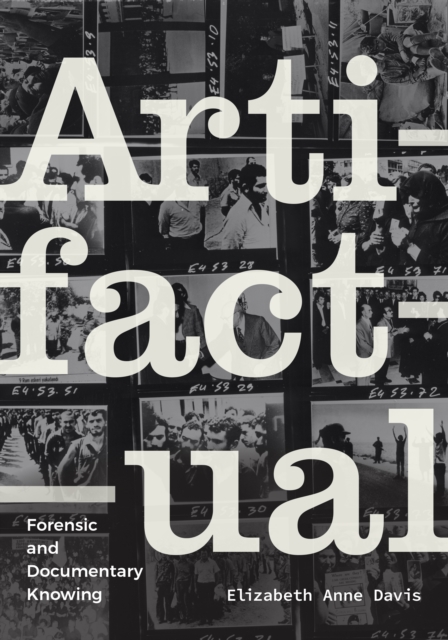
In Artifactual, Elizabeth Anne Davis explores how Cypriot researchers, scientists, activists, and artists process and reckon with civil and state violence that led to the enduring division of the island, using forensic and documentary materials to retell and recontextualize conflicts between and within the Greek-Cypriot and Turkish-Cypriot communities.
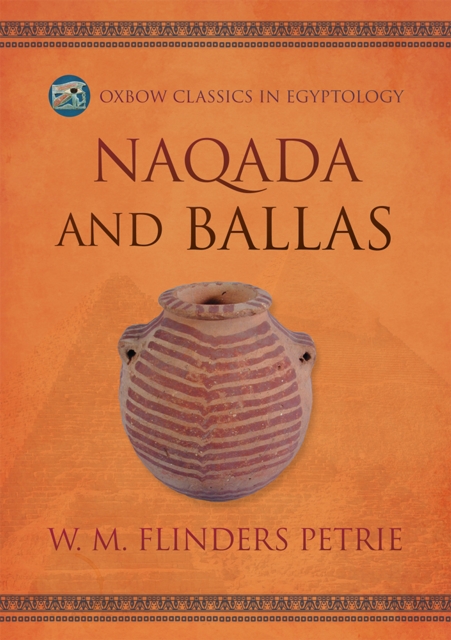
Facsimile edition of the 1974 reissue of Flinders Petrie’s 1896 account of the excavation, mainly, of tombs in the area around Ballas and Naqada on the edge of the Egyptian desert, 30 miles north of Thebes.
Facsimile edition of the 1974 reissue of Flinders Petrie’s 1896 account of the excavation, mainly, of tombs in the area around Ballas and Naqada on the edge of the Egyptian desert, 30 miles north of Thebes.