The Complete Idiot's Guide to Making Metal Jewelry gives readers more than 125 step-by-step instructions and 200 fully illustrated color photos, for various metal jewelry making techniques, including soldering, smithing, stamping, hammering, riveting, and wiring.
A definitive guide to the metaverse: why it's important, why it matters to society, and how to create a metaverse that works for all of us---------------'Brimming with big and convincing arguments about where human life is heading' Arianna Huffington---------------The metaverse is a vision of how the next generation of the internet will operate.
This is the story of Faberge's Imperial Easter eggs - of their maker, of the tsars who commissioned them, of the middlemen who sold them and of the collectors who fell in love with them.
Paul Scheerbart (1863-1915) was a visionary German novelist, theorist, poet, and artist who made a lasting impression on such icons of modernism as Walter Benjamin, Bruno Taut, and Walter Gropius.
Leo Steinberg was one of the most original and daring art historians of the twentieth century, known for taking interpretative risks that challenged the profession by overturning reigning orthodoxies.
"e;The eye that gathers impressions is no longer the eye that sees a depiction on a surface; it becomes a hand, the ray of light becomes a finger, and the imagination becomes a form of immediate touching.
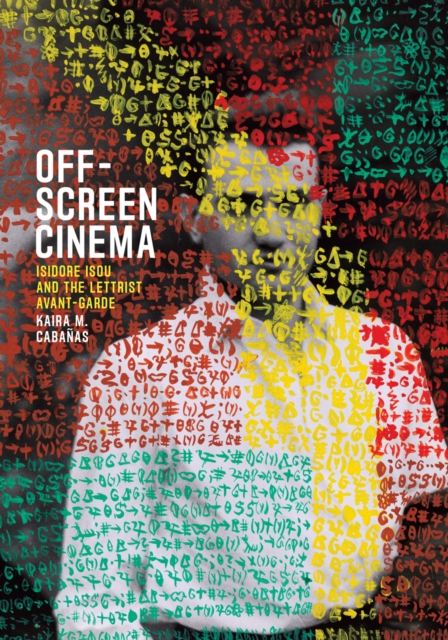
One of the most important avant-garde movements of postwar Paris was Lettrism, which crucially built an interest in the relationship between writing and image into projects in poetry, painting, and especially cinema.
Most of the seven million people who visit the cathedral of Notre Dame in Paris each year probably do not realize that the legendary gargoyles adorning this medieval masterpiece were not constructed until the nineteenth century.
Most of the seven million people who visit the cathedral of Notre Dame in Paris each year probably do not realize that the legendary gargoyles adorning this medieval masterpiece were not constructed until the nineteenth century.
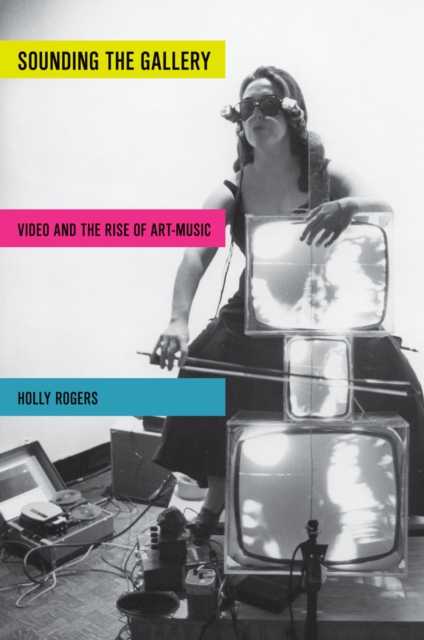
Becoming commercially available in the mid 1960s, video quickly became integral to the intense experimentalism of New York City's music and art scenes.
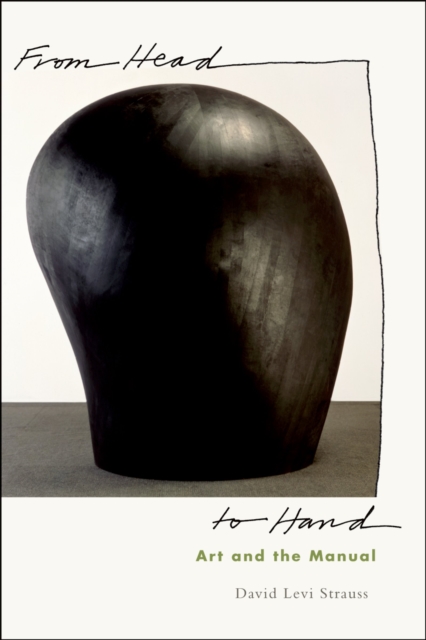
In his third book, Strauss delves into the mysterious process whereby an idea is born in the mind and materialized through the hand in the expression of an artwork.
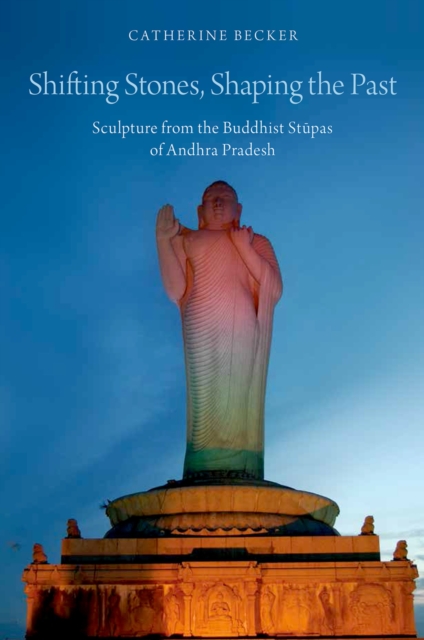
In this wide-ranging exploration of the creation and use of Buddhist art in Andhra Pradesh, India, Catherine Becker examines how material remains and visual experiences shape and reveal essential human concerns.
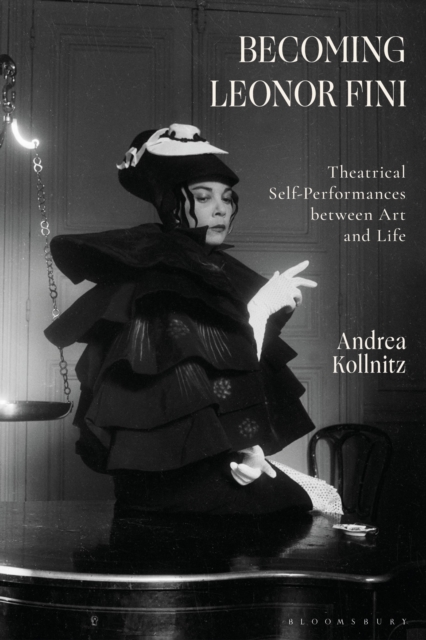
Italian-Argentine artist Leonor Fini (1907-1996) can be seen as the original artist-celebrity; her self-mythologization was promulgated by some of the 20th century's most prominent photographers, from Henri Cartier-Bresson to Dora Maar.
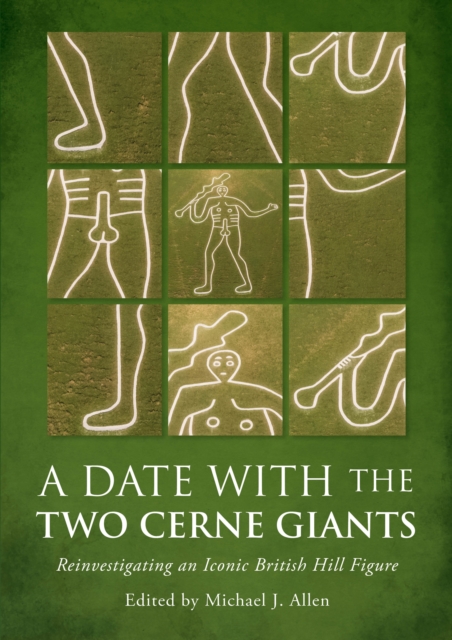
The date of the Cerne Giant has long been a matter for debate, as exemplified by a public and televised debate of March 1996, published as The Cerne Giant: An Antiquity on Trial (1999, Oxbow Books).
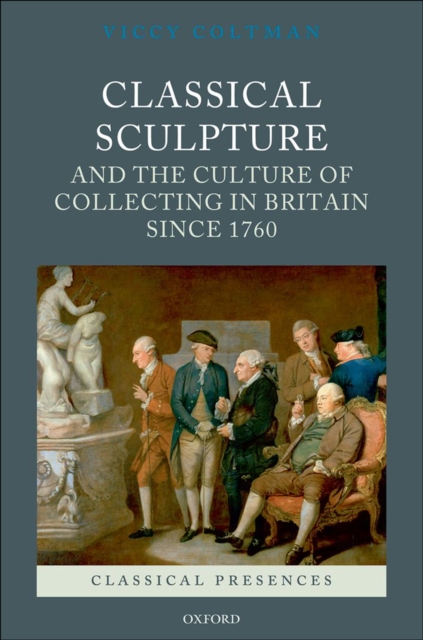
This is a book about classical sculptures in the early modern period, centuries after the decline and fall of Rome, when they began to be excavated, restored, and collected by British visitors in Italy in the second half of the eighteenth century.
This is a book about classical sculptures in the early modern period, centuries after the decline and fall of Rome, when they began to be excavated, restored, and collected by British visitors in Italy in the second half of the eighteenth century.
Transfiguration explores the work of John Ruskin, Robert Browning, Dante Gabriel Rossetti, and Walter Pater, treating in particular the ways in which they engaged with the Christian content of their subject, and, in Pater's case, how the art of Christianity was contrasted with classical sculpture.
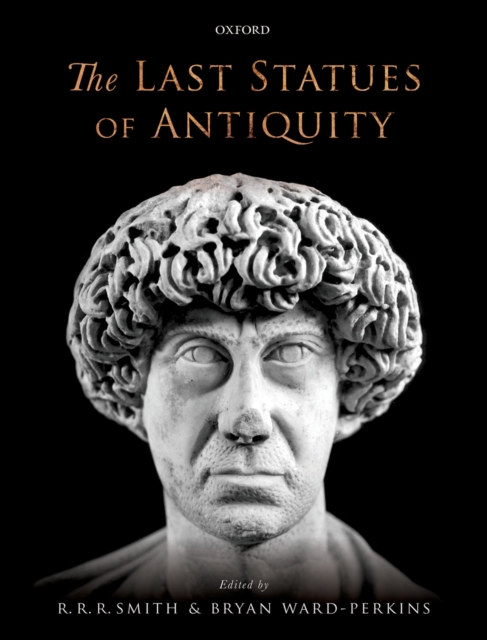
Spanning centuries and the vastness of the Roman Empire, The Last Statues of Antiquity is the first comprehensive survey of Roman honorific statues in the public realm in Late Antiquity.
Oedipus the King * Aias * Philoctetes * Oedipus at ColonusSophocles stands as one of the greatest dramatists of all time, and one of the most influential on artists and thinkers over the centuries.
Alongside the works of the better-known classical Greek dramatists, the tragedies of Lucius Annaeus Seneca have exerted a profound influence over the dramaturgical development of European theatre.
The art of the object reached unparalleled heights in the medieval Islamic world, yet the intellectual dimensions of ceramics, metalwares, and other plastic arts in this milieu have not always been acknowledged.
The art of the object reached unparalleled heights in the medieval Islamic world, yet the intellectual dimensions of ceramics, metalwares, and other plastic arts in this milieu have not always been acknowledged.
Today, teachers and performers of Turkish classical music intentionally cultivate melancholies, despite these affects being typically dismissed as remnants of the Ottoman Empire.
Today, teachers and performers of Turkish classical music intentionally cultivate melancholies, despite these affects being typically dismissed as remnants of the Ottoman Empire.
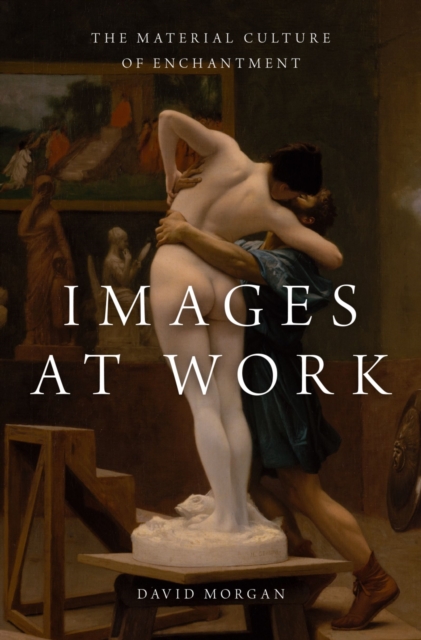
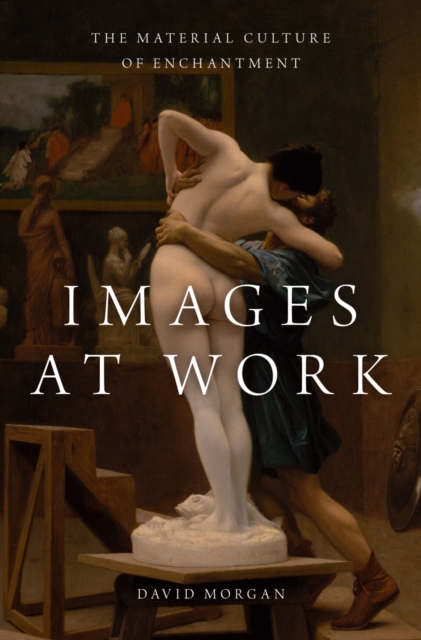
Images can be studied in many ways--as symbols, displays of artistic genius, adjuncts to texts, or naturally occurring phenomena like reflections and dreams.
Images can be studied in many ways--as symbols, displays of artistic genius, adjuncts to texts, or naturally occurring phenomena like reflections and dreams.
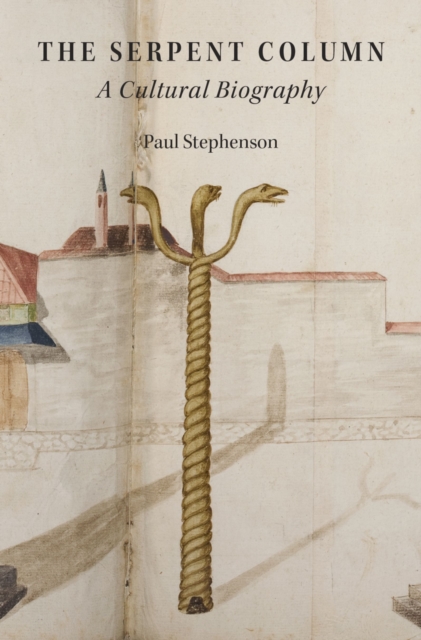
The Serpent Column, a bronze sculpture that has stood in Delphi and Constantinople, today Istanbul, is a Greek representation of the Near Eastern primordial combat myth: it is Typhon, a dragon defeated by Zeus, and also Python slain by Apollo.
In this wide-ranging exploration of the creation and use of Buddhist art in Andhra Pradesh, India, Catherine Becker examines how material remains and visual experiences shape and reveal essential human concerns.
A landmark illustrated history of rural church monuments - the forgotten national treasures of England and WalesDeep in the countryside, away from metropolitan abbeys and cathedrals, thousands of funerary monuments are hidden in parish churches.
Benvenuto Cellini was a celebrated Renaissance sculptor and goldsmith - a passionate craftsman who was admired and resented by the most powerful political and artistic personalities in sixteenth-century Florence, Rome and Paris.