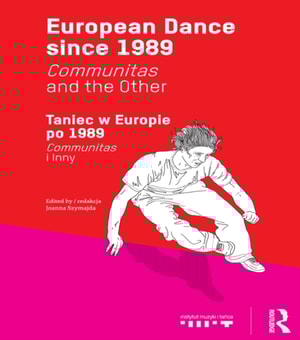
We experience and understand the world, including music, through body movement-when we hear something, we are able to make sense of it by relating it to our body movements, or form an image in our minds of body movements.
We experience and understand the world, including music, through body movement-when we hear something, we are able to make sense of it by relating it to our body movements, or form an image in our minds of body movements.
Shakespeare, Trauma and Contemporary Performance examines how contemporary performances of Shakespeare's texts on stage and screen engage with violent events and histories.
Shakespeare, Trauma and Contemporary Performance examines how contemporary performances of Shakespeare's texts on stage and screen engage with violent events and histories.
First published in 1990, this book was the first to explore Foucault's work in relation to education, arguing that schools, like prisons and asylums, are institutions of moral and social regulation, complex technologies of disciplinary control where power and knowledge are crucial.
First published in 1990, this book was the first to explore Foucault's work in relation to education, arguing that schools, like prisons and asylums, are institutions of moral and social regulation, complex technologies of disciplinary control where power and knowledge are crucial.
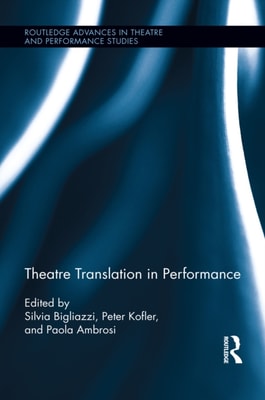
This volume focuses on the highly debated topic of theatrical translation, one brought on by a renewed interest in the idea of performance and translation as a cooperative effort on the part of the translator, the director, and the actors.
This volume focuses on the highly debated topic of theatrical translation, one brought on by a renewed interest in the idea of performance and translation as a cooperative effort on the part of the translator, the director, and the actors.
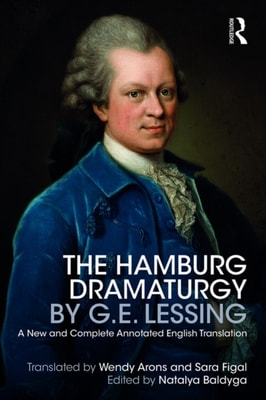
While eighteenth-century playwright and critic Gotthold Ephraim Lessing made numerous contributions in his lifetime to the theater, the text that best documents his dynamic and shifting views on dramatic theory is also that which continues to resonate with later generations - the Hamburg Dramaturgy (Hamburgische Dramaturgie, 1767-69).
While eighteenth-century playwright and critic Gotthold Ephraim Lessing made numerous contributions in his lifetime to the theater, the text that best documents his dynamic and shifting views on dramatic theory is also that which continues to resonate with later generations - the Hamburg Dramaturgy (Hamburgische Dramaturgie, 1767-69).
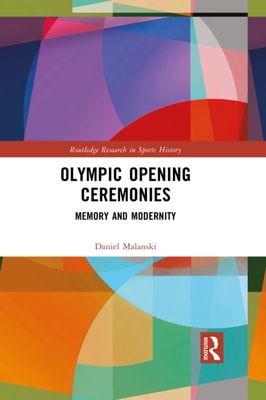
This is the first book to unpack the history and significance of the opening ceremony of the Olympic Games, the frontispiece of the most watched event on Earth.
Time and Timelessness examines the development of Jung's understanding of time throughout his opus, and the ways in which this concept has affected key elements of his work.
Time and Timelessness examines the development of Jung's understanding of time throughout his opus, and the ways in which this concept has affected key elements of his work.
As the symbolists, constructivists and surrealists of the historical avant-garde began to abandon traditional theatre spaces and embrace the more contingent locations of the theatrical and political 'event', the built environment of a performance became not only part of the event, but an event in and of itself.
As the symbolists, constructivists and surrealists of the historical avant-garde began to abandon traditional theatre spaces and embrace the more contingent locations of the theatrical and political 'event', the built environment of a performance became not only part of the event, but an event in and of itself.
This book makes a significant contribution to interdisciplinary engagements between Theatre Studies and Cultural Geography in its analysis of how theatre articulates transnational geographies of Asian culture and identity.
This book makes a significant contribution to interdisciplinary engagements between Theatre Studies and Cultural Geography in its analysis of how theatre articulates transnational geographies of Asian culture and identity.
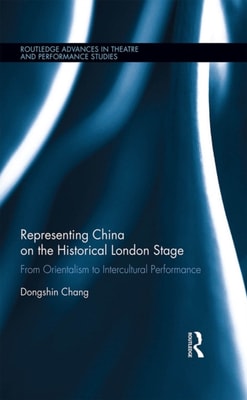
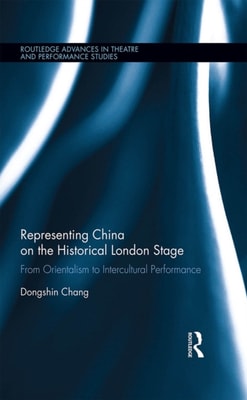
This book provides a critical study of how China was represented on the historical London stage in selected examples from the late seventeenth century to the early twentieth century-which corresponds with the Qing Dynasty (1644-1911), China's last monarchy.
This book provides a critical study of how China was represented on the historical London stage in selected examples from the late seventeenth century to the early twentieth century-which corresponds with the Qing Dynasty (1644-1911), China's last monarchy.