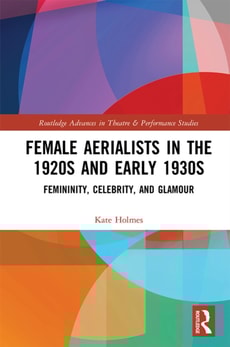
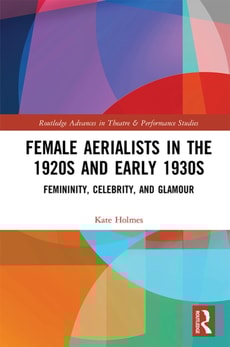
Female solo aerialists of the 1920s and early 1930s were internationally popular performers in the largest live performance mass entertainment of the period in the UK and USA.
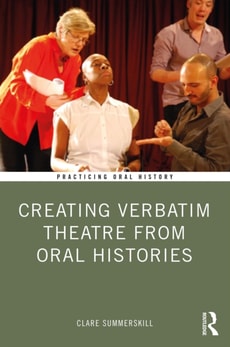
Offering a roadmap for practicing verbatim theatre (plays created from oral histories), this book outlines theatre processes through the lens of oral history and draws upon oral history scholarship to bring best practices from that discipline to theatre practitioners.
Female solo aerialists of the 1920s and early 1930s were internationally popular performers in the largest live performance mass entertainment of the period in the UK and USA.
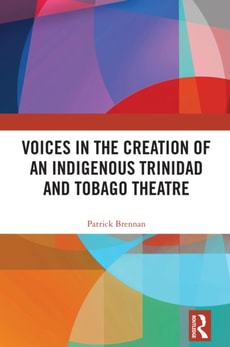
This book explores how, from the mid-20th century, a new form of theatre emerged in Trinidad and Tobago as its playwrights came to mine the Afro-Creole Trinidadian folk milieu.
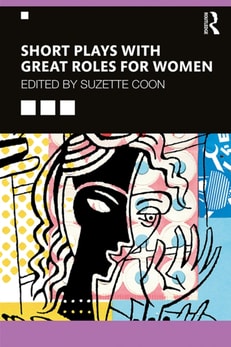
Short Plays with Great Roles for Women is an antidote to the traditional underrepresentation of women on stage, by offering twenty-two short plays that put women right at the centre of the action.
Short Plays with Great Roles for Women is an antidote to the traditional underrepresentation of women on stage, by offering twenty-two short plays that put women right at the centre of the action.
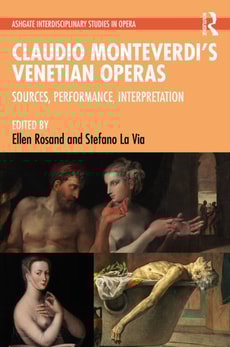
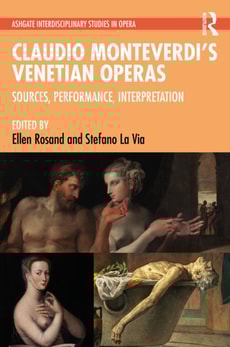
Claudio Monteverdi's Venetian Operas features chapters by a group of scholars and performers of varied backgrounds and specialties, who confront the various questions raised by Monteverdi's late operas from an interdisciplinary perspective.
Aotearoa New Zealand in the Global Theatre Marketplace offers a case study of how the theatre of Aotearoa has toured, represented and marketed itself on the global stage.
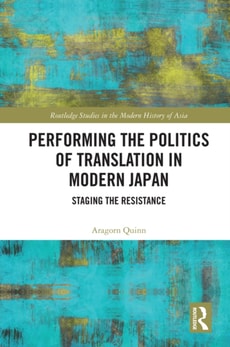
Performing the Politics of Translation in Modern Japan sheds new light on the adoption of concepts that motivated political theatres of resistance for nearly a century and even now underpin the collective understanding of the Japanese nation.
Claudio Monteverdi's Venetian Operas features chapters by a group of scholars and performers of varied backgrounds and specialties, who confront the various questions raised by Monteverdi's late operas from an interdisciplinary perspective.
Aotearoa New Zealand in the Global Theatre Marketplace offers a case study of how the theatre of Aotearoa has toured, represented and marketed itself on the global stage.
Performing the Politics of Translation in Modern Japan sheds new light on the adoption of concepts that motivated political theatres of resistance for nearly a century and even now underpin the collective understanding of the Japanese nation.
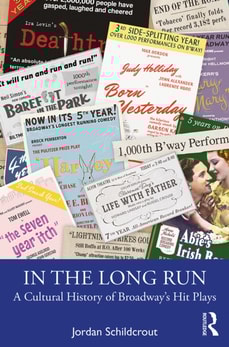
In the Long Run: A Cultural History of Broadway's Hit Plays presents in-depth analysis of 15 plays that ran over 1,000 performances, examining what made each so popular in its time-and then, in many cases, fall into obscurity.
Sporting Performances is the first anthology to tackle sports and physical culture from a performance perspective; it serves as an invitation and provocation for scholarly discourse on the connections between sports and physical culture, and theatre and performance.
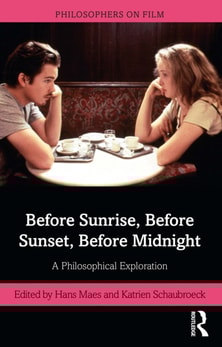
Richard Linklater's celebrated Before trilogy chronicles the love of Jesse (Ethan Hawke) and Celine (Julie Delpy) who first meet up in Before Sunrise, later reconnect in Before Sunset and finally experience a fall-out in Before Midnight.
Sporting Performances is the first anthology to tackle sports and physical culture from a performance perspective; it serves as an invitation and provocation for scholarly discourse on the connections between sports and physical culture, and theatre and performance.
In the Long Run: A Cultural History of Broadway's Hit Plays presents in-depth analysis of 15 plays that ran over 1,000 performances, examining what made each so popular in its time-and then, in many cases, fall into obscurity.
Global in scope and featuring thirty-five chapters from more than fifty dance, music, and theatre scholars and practitioners, The Routledge Companion to Musical Theatre introduces the fundamentals of musical theatre studies and highlights developing global trends in practice and scholarship.
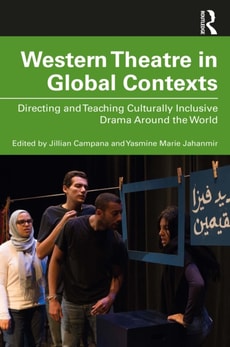
Western Theatre in Global Contexts explores the junctures, tensions, and discoveries that occur when teaching Western theatrical practices or directing English-language plays in countries that do not share Western theatre histories or in which English is the non-dominant language.
Richard Linklater's celebrated Before trilogy chronicles the love of Jesse (Ethan Hawke) and Celine (Julie Delpy) who first meet up in Before Sunrise, later reconnect in Before Sunset and finally experience a fall-out in Before Midnight.
Western Theatre in Global Contexts explores the junctures, tensions, and discoveries that occur when teaching Western theatrical practices or directing English-language plays in countries that do not share Western theatre histories or in which English is the non-dominant language.
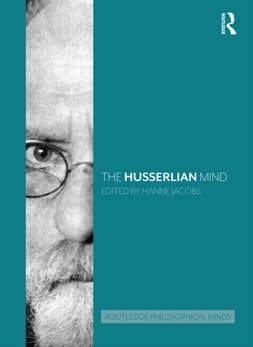
Edmund Husserl (1859-1938) is widely regarded as the principal founder of phenomenology, one of the most important movements in twentieth-century philosophy.
Global in scope and featuring thirty-five chapters from more than fifty dance, music, and theatre scholars and practitioners, The Routledge Companion to Musical Theatre introduces the fundamentals of musical theatre studies and highlights developing global trends in practice and scholarship.
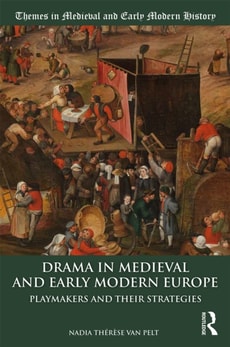
Drama in Medieval and Early Modern Europe moves away from the customary conceptual framework that artificially separates 'medieval' from 'early modern' drama to explore the role of drama and spectacle in England, France, the Low Countries, Spain, Italy, Switzerland, and the German-speaking areas that now constitute Austria and Germany.
Edmund Husserl (1859-1938) is widely regarded as the principal founder of phenomenology, one of the most important movements in twentieth-century philosophy.