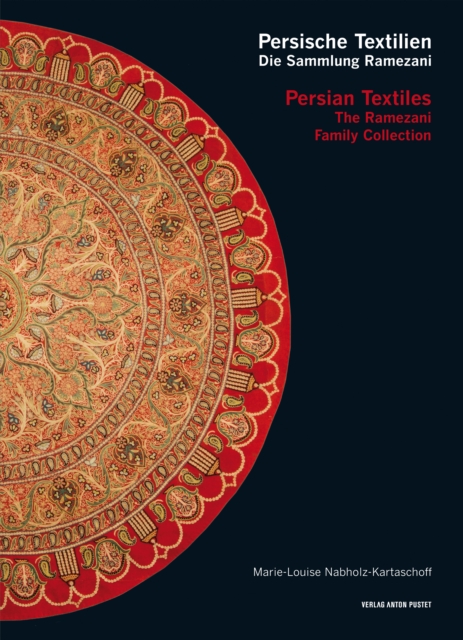
From zar-baft to qalamkarPersian textiles from the late 19th to the early 20th century display a multitude of techniques as well as many different kinds of illustrations.
Written sources from the ancient Near East and eastern Mediterranean, from the third to the first millennia BC, provide a wealth of terms for textiles.
Written sources from the ancient Near East and eastern Mediterranean, from the third to the first millennia BC, provide a wealth of terms for textiles.
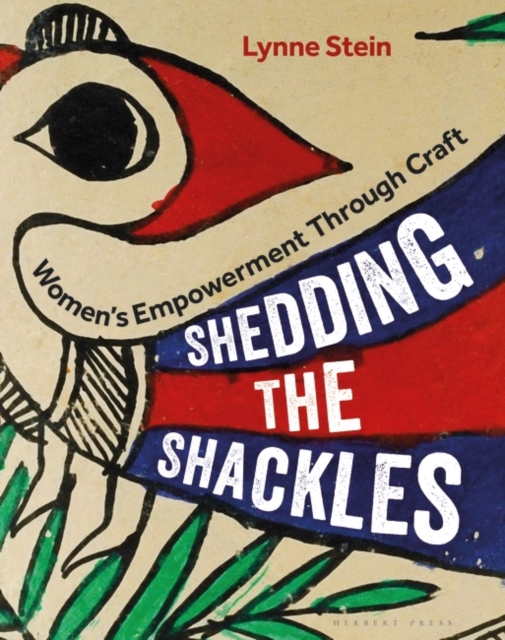
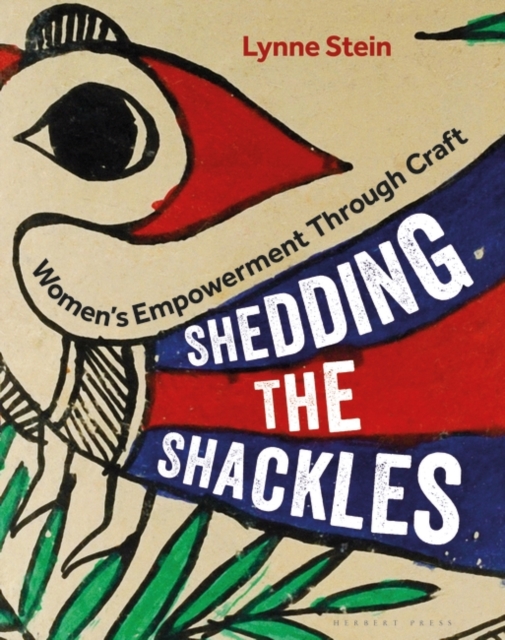
A celebration of female inventiveness and aesthetic sensibility, Shedding the Shackles explores women's craft enterprises, their artisanal excellence, and the positive impact their individual projects have on breaking the poverty cycle.
A celebration of female inventiveness and aesthetic sensibility, Shedding the Shackles explores women's craft enterprises, their artisanal excellence, and the positive impact their individual projects have on breaking the poverty cycle.
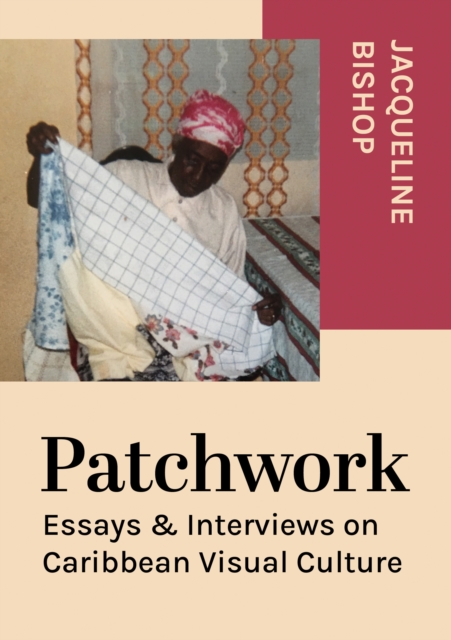
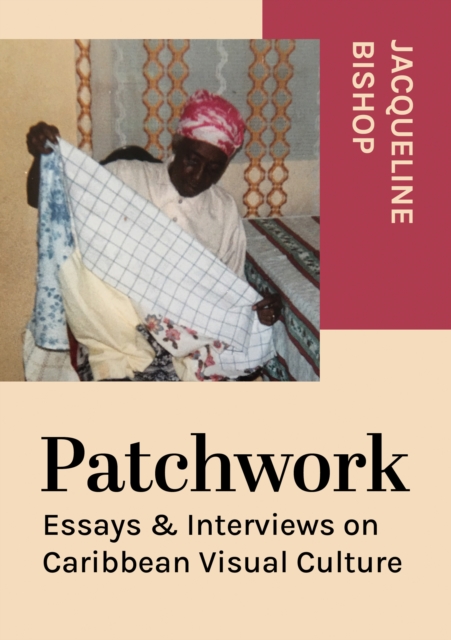
The patchwork is an apt metaphor for the region not only because of its colourfulness and the making of something whole out of fragments but as an attempt to make coherence out of disorder.
The patchwork is an apt metaphor for the region not only because of its colourfulness and the making of something whole out of fragments but as an attempt to make coherence out of disorder.
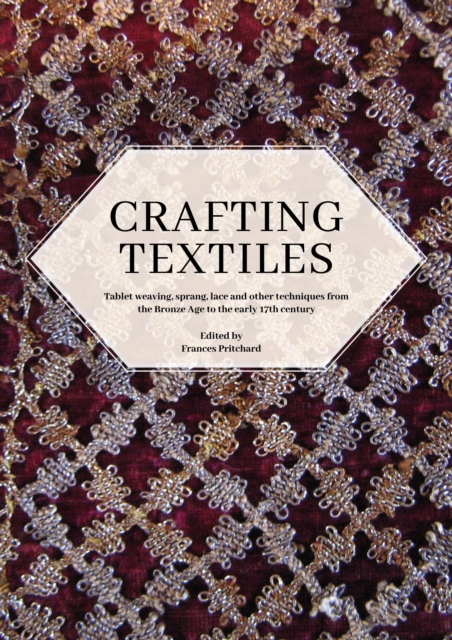
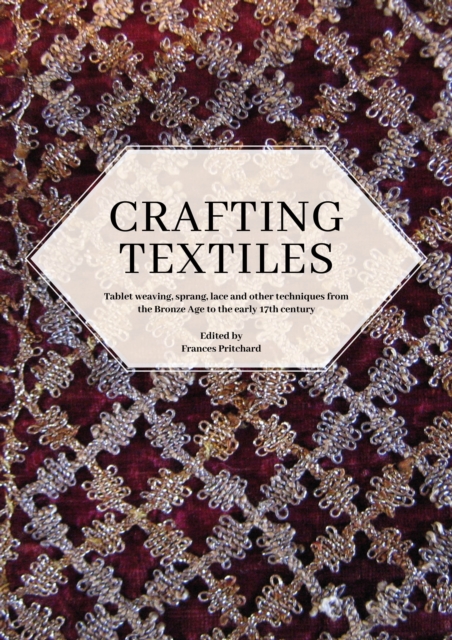
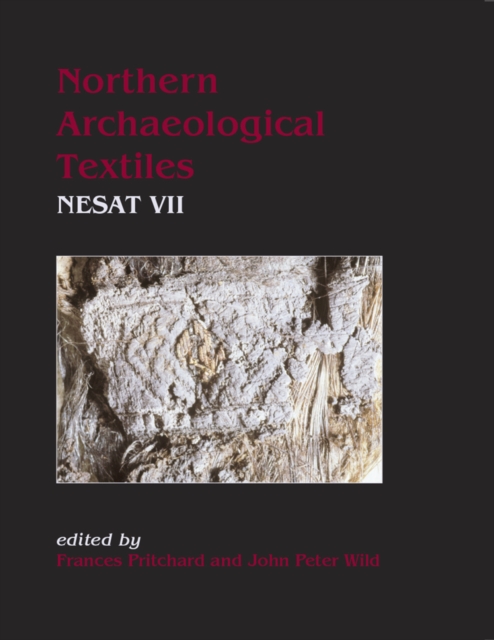
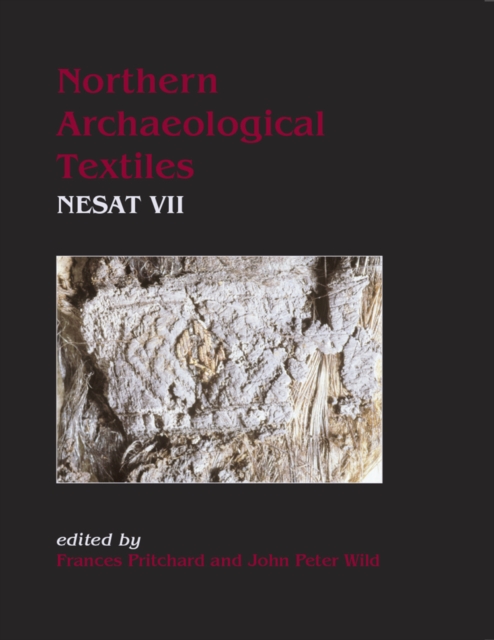
New research into the techniques of tablet weaving, sprang, braiding, knotting and lace is presented in this lavishly illustrated volume written by leading specialists from Austria, Canada, Denmark, France, Germany, Sweden, Switzerland, the UK, and USA.
New research into the techniques of tablet weaving, sprang, braiding, knotting and lace is presented in this lavishly illustrated volume written by leading specialists from Austria, Canada, Denmark, France, Germany, Sweden, Switzerland, the UK, and USA.
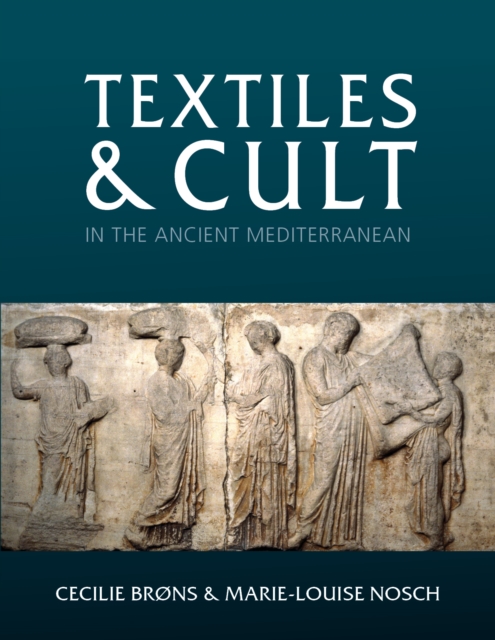
Twenty-four experts from the fields of Ancient History, Semitic philology, Assyriology, Classical Archaeology, and Classical Philology come together in this volume to explore the role of textiles in ancient religion in Greece, Italy, The Levant and the Near East.
Twenty-four experts from the fields of Ancient History, Semitic philology, Assyriology, Classical Archaeology, and Classical Philology come together in this volume to explore the role of textiles in ancient religion in Greece, Italy, The Levant and the Near East.
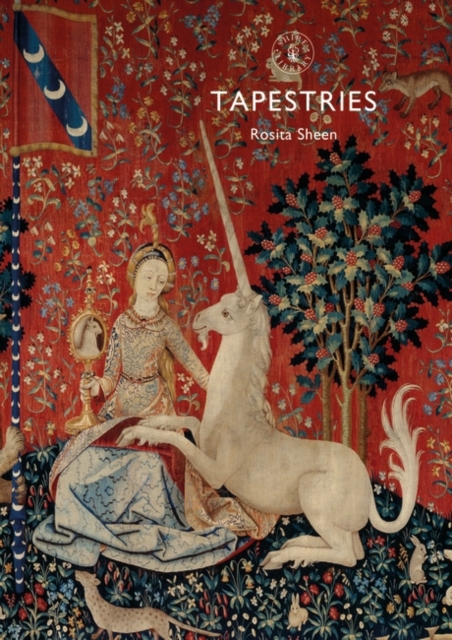
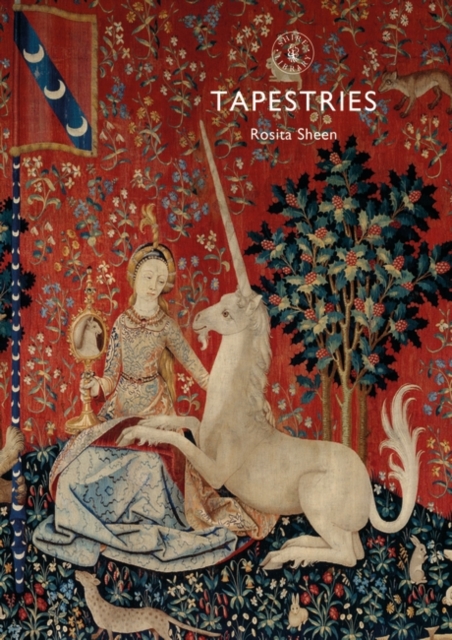
Tapestries have been an enigmatic form of artwork for hundreds of years, with the intricate symbolism of their woven narratives still fascinating viewers today.
Tapestries have been an enigmatic form of artwork for hundreds of years, with the intricate symbolism of their woven narratives still fascinating viewers today.
Twenty chapters present the range of current research into the study of textiles and dress in classical antiquity, stressing the need for cross and inter-disciplinarity study in order to gain the fullest picture of surviving material.
Twenty chapters present the range of current research into the study of textiles and dress in classical antiquity, stressing the need for cross and inter-disciplinarity study in order to gain the fullest picture of surviving material.
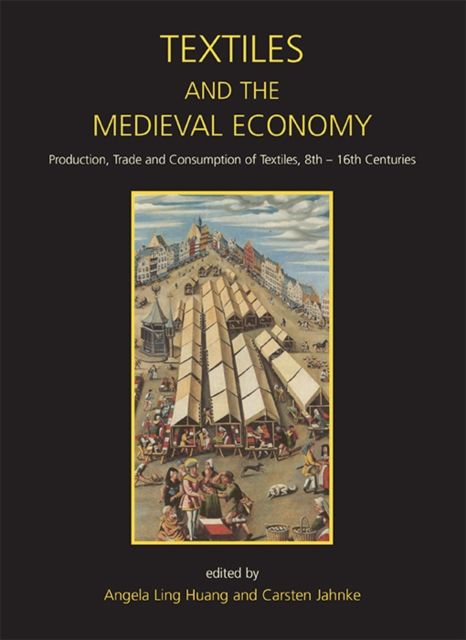
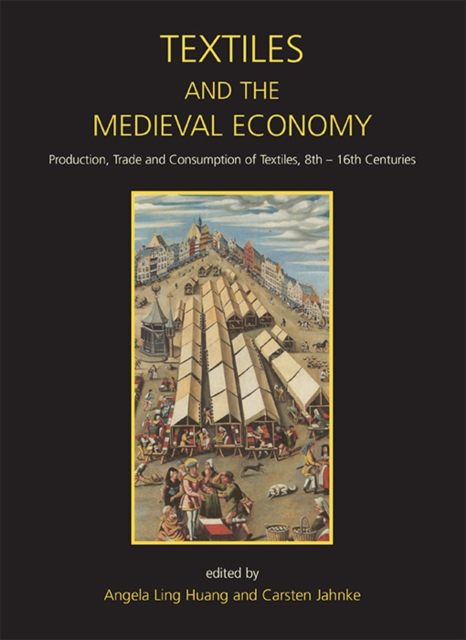
Archaeologists and textile historians bring together 16 papers to investigate the production, trade and consumption of textiles in Scandinavia and across parts of northern and Mediterranean Europe throughout the medieval period.
Archaeologists and textile historians bring together 16 papers to investigate the production, trade and consumption of textiles in Scandinavia and across parts of northern and Mediterranean Europe throughout the medieval period.
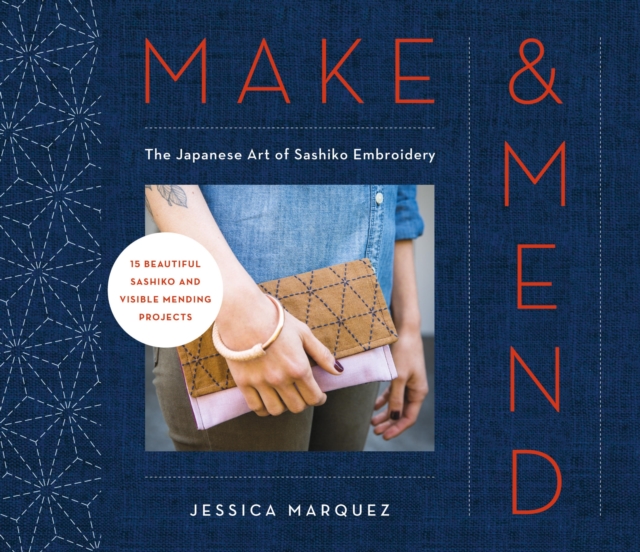
Make and Mend is an exquisite, full-colour guide to sashiko, a simple Japanese stitching technique that uses stunning patterns to decorate or repair clothing, accessories and home textiles - requiring no special equipment other than a sewing needle and some thread!
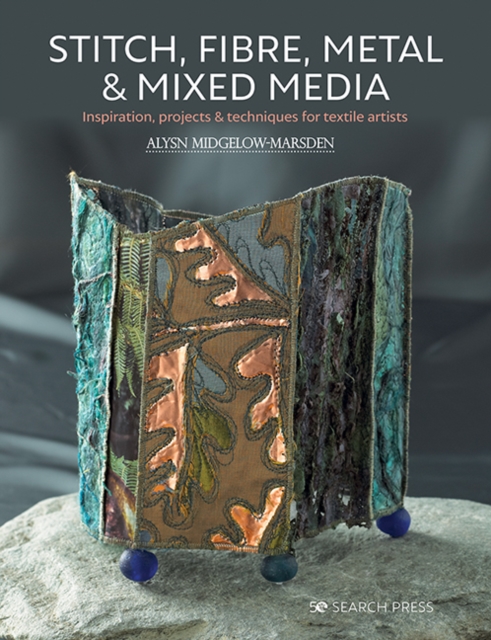
Alysn Midgelow-Marsden shows how to use both textile-based and mixed media techniques to create beautiful artworks using metal in the form of shim, foil and woven fabric alongside many other materials.