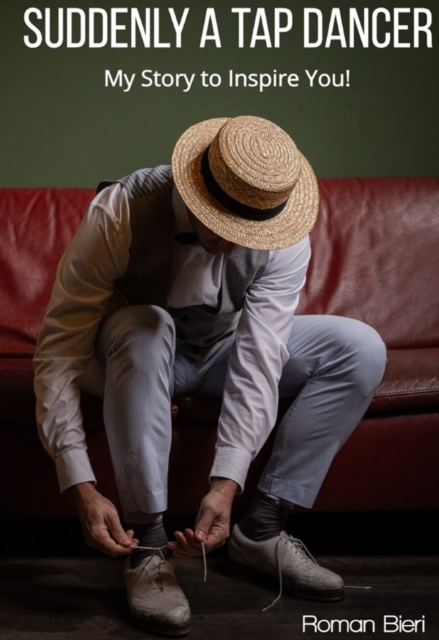
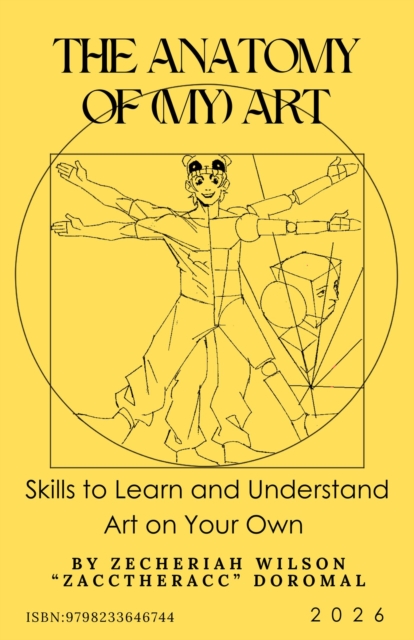
This book tells the story of a crazy idea, the courage to start over, countless hours of practice in the basement, embarrassing performances, deep doubts-and the incredible feeling of growing beyond yourself.
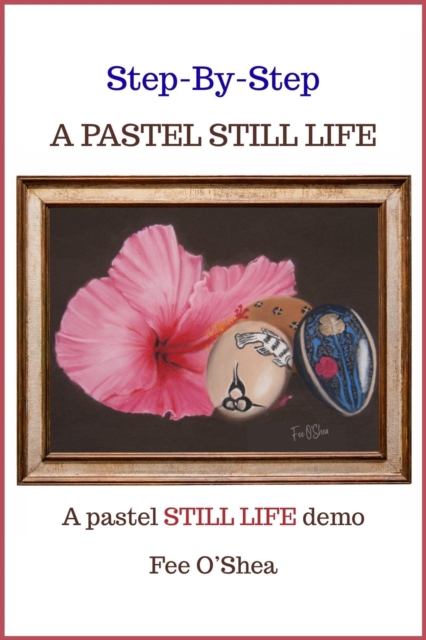
Step By Step: A Pastel Scene Demo by Fee O'Shea is a warm, practical, and highly accessible guide that takes readers through the complete process of creating a pastel painting from start to finish.
A Pastel Still Life Demo is a gentle, confidence-building guide that helps artists experience the quiet joy of creating a still life in soft pastels—without fuss, intimidation, or expensive materials.
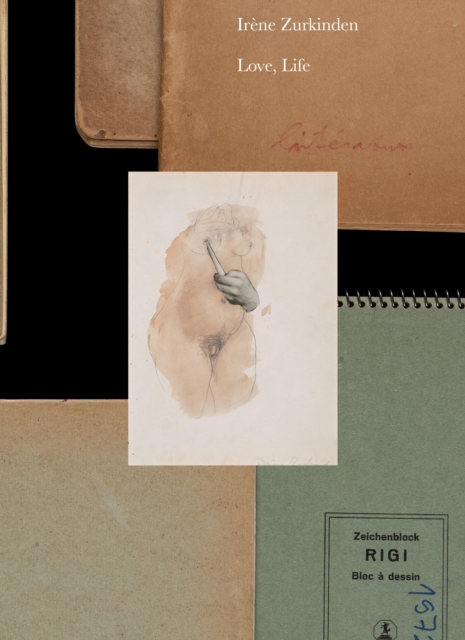
A unique insight into the work of Irene Zurkinden - with sketchbooks published for the very first timeAccompanying the exhibition of the same name, this book offers a fascinating insight into the multifaceted work of Irene Zurkinden.
In einem Land, in dem uralte Rivalitäten und tief verwurzelte Traditionen die zwischenmenschlichen Beziehungen prägen, versuchen die Königreiche Sanshain und Tsuki, einen neuen Weg des Friedens und der Zusammenarbeit zu finden.
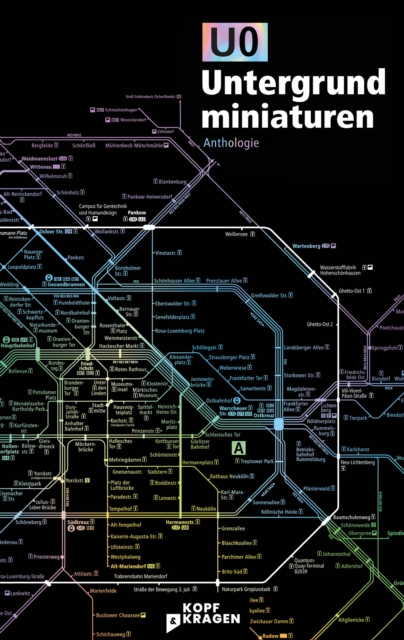
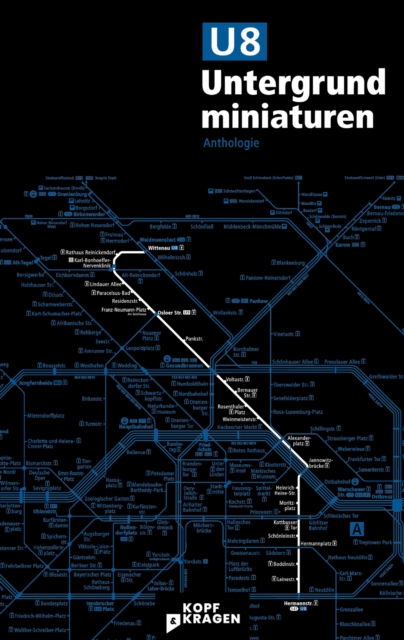
20 Autor:innen und Kunstler:innen wagen einen Blick in unsere ungewisse Zukunft, genauer gesagt, in das Berlin des Jahres 2039: Wohin werden sich diese Stadt, dieses Land und dieser Kontinent entwickeln?
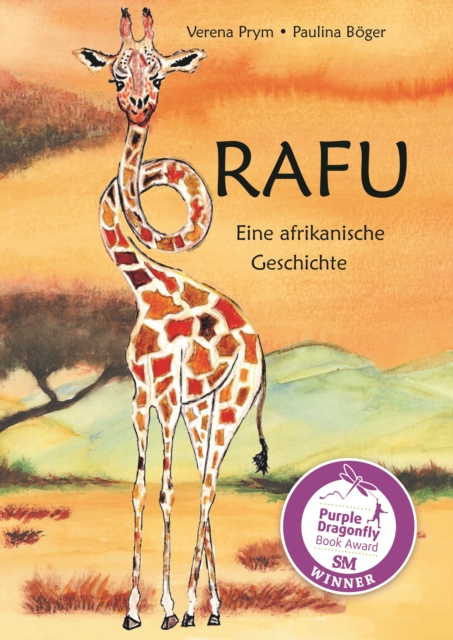
"Rafu" ist der Silbermedailliengewinner des Purple Dragonfly Book Award 2020 in der Kategorie Picture Books 6 & Older und erzielte Honorable Mention in der Kategorie Best Illustrations.
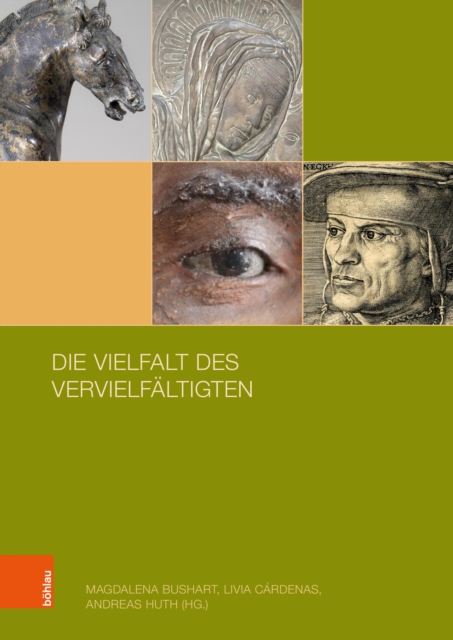
Gedruckte Bilder und abgeformte Bildwerke haben eines gemeinsam: Sie gehen auf 'Urformen' zurück, zu denen sie in einem spannungsreichen Verhältnis stehen.