Although written from a Lutheran religious tradition, the invitation and reach of They Are Us: Lutherans and Immigration, Second Edition is broad and inclusive.
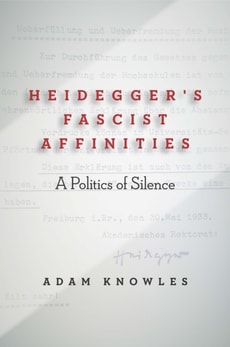
Reexamining the case of one of the most famous intellectuals to embrace fascism, this book argues that Martin Heidegger's politics and philosophy of language emerge from a deep affinity for the ethno-nationalist and anti-Semitic politics of the Nazi movement.
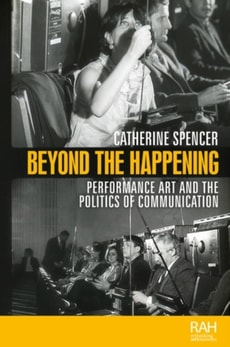
Beyond the Happening uncovers the heterogeneous, uniquely interdisciplinary performance-based works that emerged in the aftermath of the early Happenings.
Missiologists and theologians do not often talk to each other, which has resulted in increased ignorance of each others questions and concerns about how to do theology in ways that effectively serve the Churchs mission.
Mechanistic dehumanization occurs when human beings are objectified and exploited as a means to an end, comparable to expendable components of a machine.
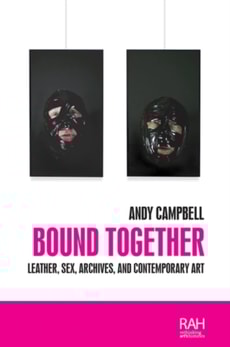
What are the archives of gay and lesbian leather histories, and how have contemporary artists mined these archives to create a queer politics of the present?
In this, the first full-length treatment of the child in Spanish cinema, Sarah Wright explores the ways that the cinematic child comes to represent 'prosthetic memory'.
A lively examination of the life and work of one of the great Enlightenment intellectualsPhilosopher, translator, novelist, art critic, and editor of the Encyclopedie, Denis Diderot was one of the liveliest figures of the Enlightenment.
Looking beneath the surface of seemingly ordinary social interactions, The Moral Power of Money investigates the forces of power and morality at play, particularly among the poor.
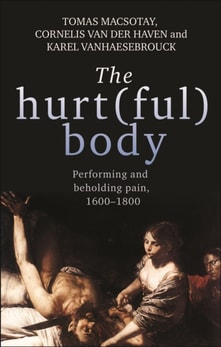
This book offers a cross-disciplinary approach to pain and suffering in the early modern period, based on research in the fields of literary studies, art history, theatre studies, cultural history and the study of emotions.
The church's witness to the world falters in an age of doctrinal uncertainty, emerging experiments of life forms and behavior norms, and consequent cultural pressures.
Digital Marketing: Integrating Strategy, Sustainability, and Purpose, Second Edition, draws on the latest digital tactics and strategic insights to help students understand how to generate sustainable growth through digital integration.
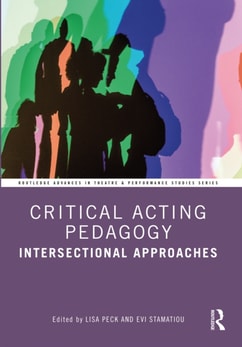
Critical Acting Pedagogy: Intersectional Approaches invites readers to think about pedagogy in actor training as a research field in its own right: to sit with the complex challenges, risks, and rewards of the acting studio; to recognise the shared vulnerability, courage, and love that defines our field and underpins our practices.
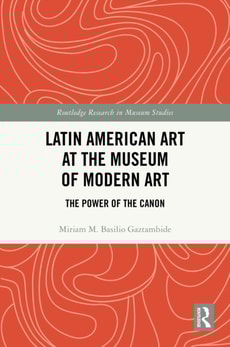
This book sheds light on an as-yet unstudied aspect of The Museum of Modern Art's (MoMA) preeminent role in establishing the definition of the problematic term "e;Latin American art"e; in the United States from the 1930s to the present through its collection displays.
The Gospel of John and the Religious Quest argues that at its origin the Fourth Gospel was part of a dialogue with various religious traditions, and that to this day it is being used in active dialogue with those who live in traditions other than the Christian.
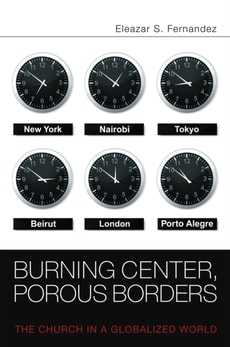
Burning Center, Porous Borders articulates what the church is and is called to be about in the world, a world now globalized to the point that the local is lived globally and the global is lived locally.
As the Christian church in the West moves further into the post-Christian era a dilemma rises for those thoughtful followers of Jesus Christ who find themselves in venerable, older church institutions that have become forgetful of their reason for being in the purpose of God.
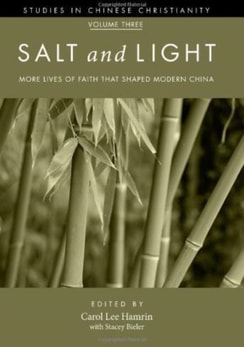
In this centennial year of China's 1911 Revolution, Volume 3 in the Salt and Light series includes the life stories of influential Chinese who played a political or military role in the new Republic that emerged.