With simple, heartbreaking detail, Das Maddimadugu recalls the joys and tragedies of his childhood in a destitute family of the untouchable caste, nearly sold into slavery, and "e;adopted"e; by a single Mennonite missionary woman.
Utilizing resources from Martin Luther and the Lutheran tradition, this study offers an understanding of the gospel as promise as key to addressing the challenge of relating the missio Dei to a generous, constructive approach toward the religious other.
Secular contemporary development discourse deals with the problems of societal development and transformation by prioritizing the human good in terms of vital and social values with the aim of providing the basic necessities of life through social institutions that work.
In this pertinent and engaging volume leading Christian philosophers, theologians, and writers from all over the denominational map explode the black-and-white binaries that characterize both sides of the New Atheism debate.
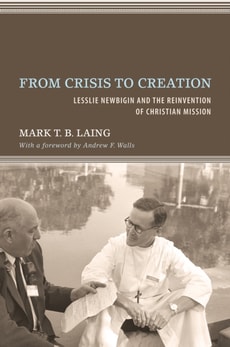
Lesslie Newbigin (1909-1998) was one of the seminal theologians of mission in the twentieth century, and perhaps the most important in the English-speaking world.
Christian Warfare in Rhodesia-Zimbabwe examines the history of the Salvation Army in Rhodesia-Zimbabwe and its relationships with the state and with the rest of the church.
Some time ago, Ralph Winter brilliantly identified three eras of modern missions: Era 1: William Carey focused on the coastlands; Era 2: Hudson Taylor focused on the inlands; Era 3: Donald McGavran and Cameron Townsend focused on unreached peoples.
Creative Ways to Build Christian Community is exactly what its title says it is: a very personal, practical response to the present and future prospect of isolation, a treasure trove of examples and suggestions about how to accomplish the Great Commission from community builders telling how, over the years and the ministries, they have implemented creative ways to build up churches and organizations to develop more intensive Christian fellowship and, thereby, create community.
The work of American Baptist missionaries among the Telugu people in India in the nineteenth century came to fruition in 1897, when Telugus established their own indigenous missionary organization, the Telugu Home Missionary Society.
Classical orthodoxy, the Reformational understanding of the gospel, and the Great Awakening beliefs and behaviors, including missions/missiology, reflect what the evangelical movement and its mission should be if it is to have a future.