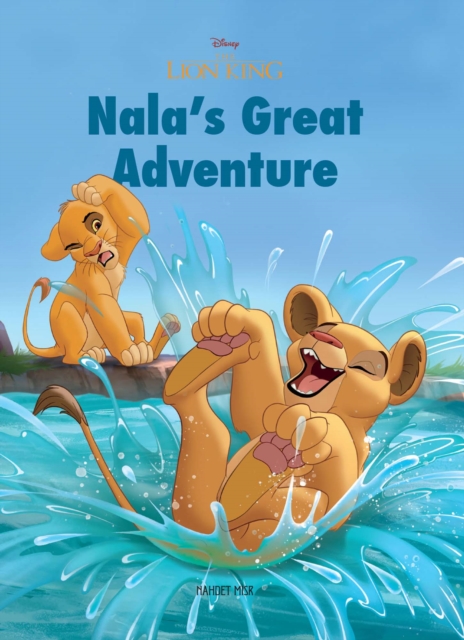
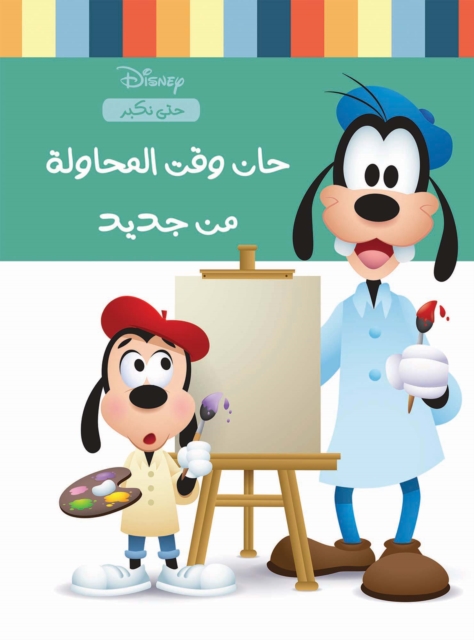
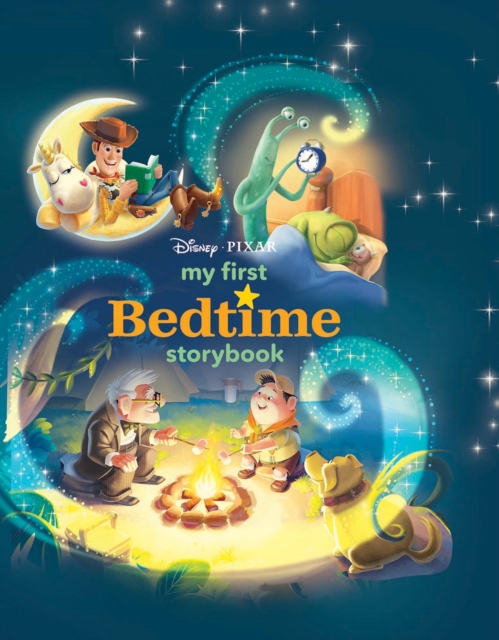
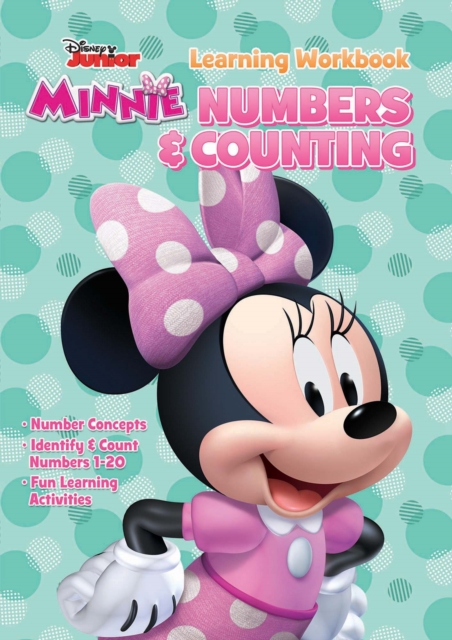
Collaborating with Disney Learning blends our educational expertise with beloved characters to develop learning content that reinforces early numeracy and literacy skills during early learning.
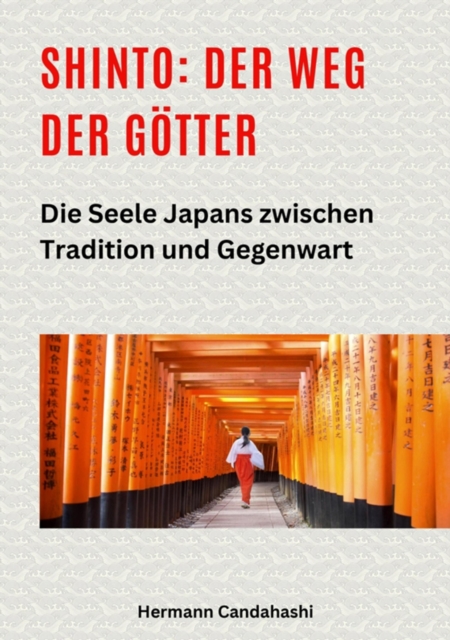
Shinto: Der Weg der Götter II – Die Seele Japans zwischen Tradition und GegenwartTauchen Sie ein in die magische Welt des Shintoismus – die spirituelle Seele Japans!
Las dibujos no son solamente representaciones visuales: histéricamente han estado mas tiempo vinculados al gesto, a la abstracción y al símbolo, que a las representaciones miméticas.
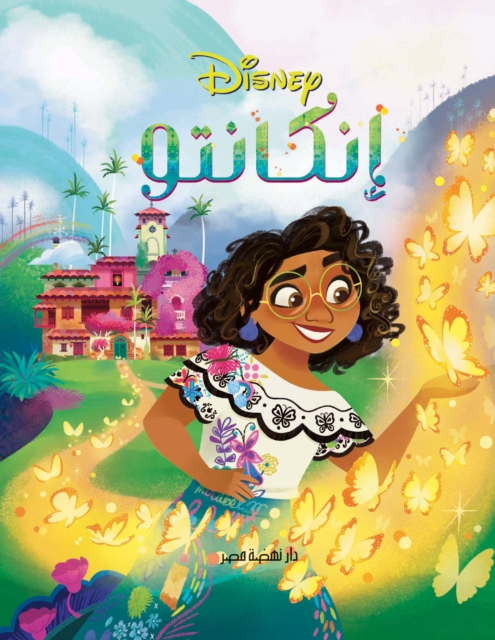
Disney's Encanto tells the story of the extraordinary Madrigal family, who live hidden away in the mountains of Colombia, in a magical house and a vibrant town called Encanto.
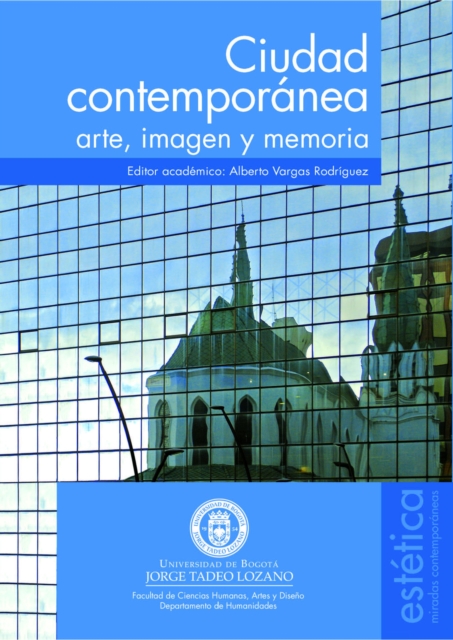
El volumen aquí presentado reúne unos materiales que serán sin duda alguna de gran ayuda para un debate sobre la ciudad contemporánea y su futuro, ayudando a profesionales y estudiantes a pensar nuevas formas de aproximación y lectura.
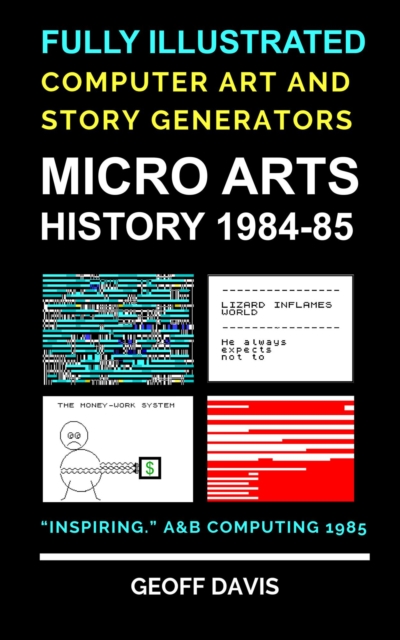
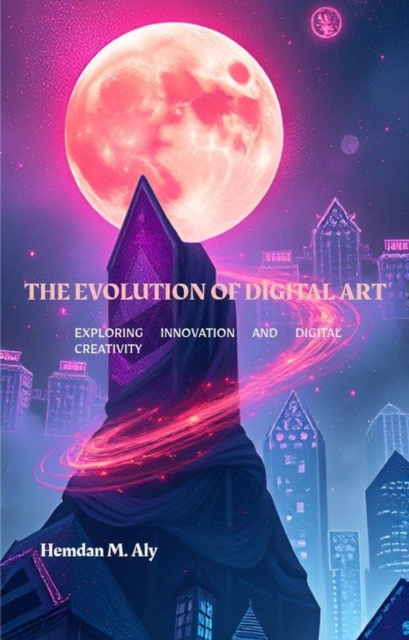
"e;The Evolution of Digital Art: Exploring Innovation and Creativity"e; is a must-read for anyone interested in the intersection of technology and creativity.
Das Erscheinungsbild einer Stadt ist geprägt von den Gebäuden und anderen Spuren, die die jeweilige herrschende Elite im Laufe der Jahrhunderte hinterlassen hat.
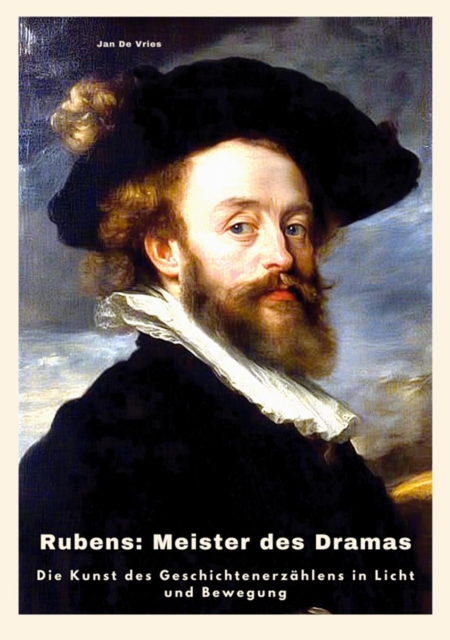
Peter Paul Rubens gilt als einer der größten Meister des Barock – ein Visionär, der die Kunst seiner Zeit revolutionierte und Emotionen, Bewegung und Farbe in eine einzigartige Harmonie verwandelte.