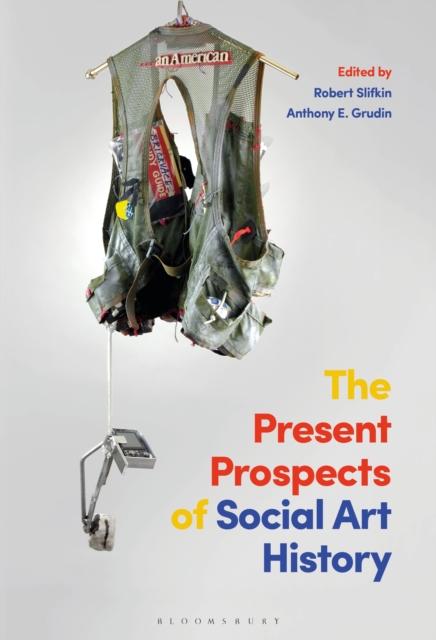
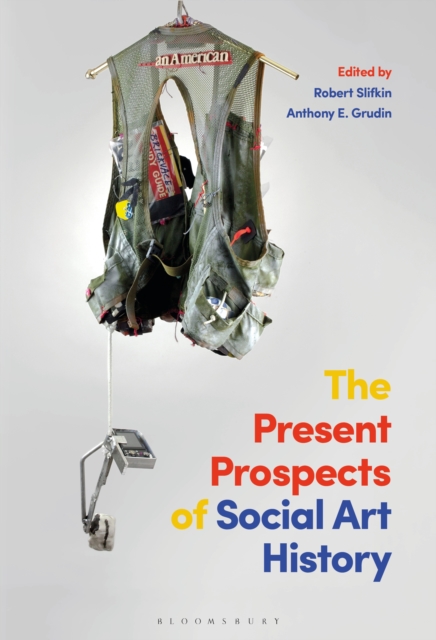
Anchored in artistic practice, this vibrant collection of essays and writings spans a period from 1992-2017 and the work of leading artists such as Adel Abdessemed, Richard Avedon, Sonia Boyce, Frank Bowling, Omer Fast, Mona Hatoum, Susan Hiller, Alfredo Jaar, Glenn Ligon and Shen Yuan.
Anchored in artistic practice, this vibrant collection of essays and writings spans a period from 1992-2017 and the work of leading artists such as Adel Abdessemed, Richard Avedon, Sonia Boyce, Frank Bowling, Omer Fast, Mona Hatoum, Susan Hiller, Alfredo Jaar, Glenn Ligon and Shen Yuan.
The Present Prospects of Social Art History represents a major reconsideration of how art historians analyze works of art and the role that historical factors, both those at the moment when the work was created and when the historian addresses the objects at hand, play in informing their interpretations.
The Present Prospects of Social Art History represents a major reconsideration of how art historians analyze works of art and the role that historical factors, both those at the moment when the work was created and when the historian addresses the objects at hand, play in informing their interpretations.
Gustave Caillebotte was more than a painter: he collected and researched postage stamps; designed and built yachts; administered and participated in the sport of yachting; collected paintings; cultivated and collected rare orchids; designed and tended his gardens; and engaged in local politics.
Gustave Caillebotte was more than a painter: he collected and researched postage stamps; designed and built yachts; administered and participated in the sport of yachting; collected paintings; cultivated and collected rare orchids; designed and tended his gardens; and engaged in local politics.
Recognizable, recurring spatial settings in video games serve not only as points of reference and signposts for orientation, but also as implicit sources of content.
Recognizable, recurring spatial settings in video games serve not only as points of reference and signposts for orientation, but also as implicit sources of content.
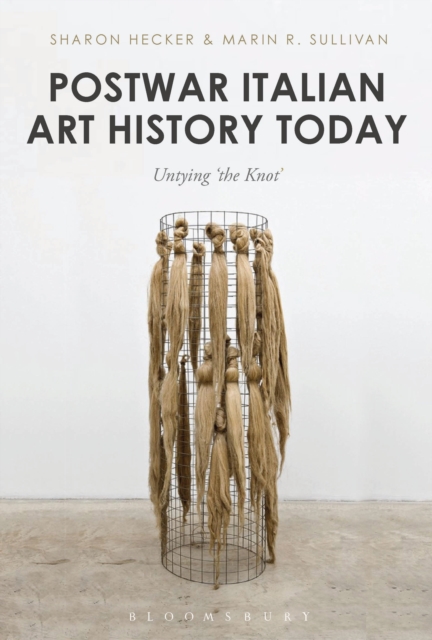
Postwar Italian Art History Today brings fresh critical consideration to the parameters and impact of Italian art and visual culture studies of the past several decades.
Postwar Italian Art History Today brings fresh critical consideration to the parameters and impact of Italian art and visual culture studies of the past several decades.
New Nonfiction Film: Art, Poetics and Documentary Theory is the first book to offer a lengthy examination of the relationship between fiction and documentary from the perspective of art and poetics.
New Nonfiction Film: Art, Poetics and Documentary Theory is the first book to offer a lengthy examination of the relationship between fiction and documentary from the perspective of art and poetics.
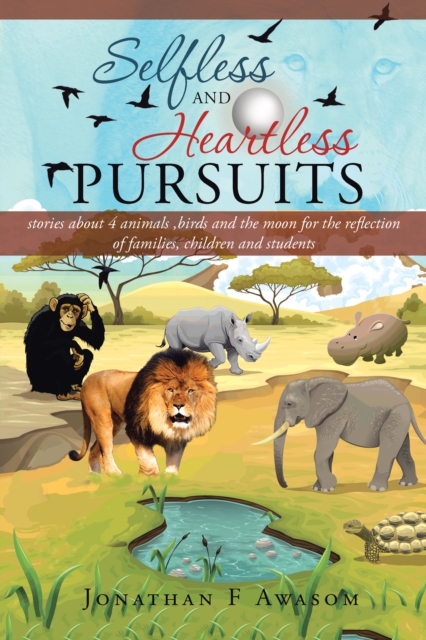
Selfless and Heartless Pursuits consists of four morale fables from Cameroon, Africa, whose characters are the animals, the birds and the moon impersonating human beings from all walks of life who are bound together by challenging circumstances.
This book is about a Green vintage locomotive cartoon character , that spreads his goodwill, with mother natures wonders, like constructing a Rainbow, filling a lake, making a tornado, and more, as most is written in a poetic and educational form, not only structured for a beginner, while being peppered with rhymes, chimes, and colorful Illustrations, but for an advanced reader as well, that will enjoy the definitions for each illustration, as he or she thumbs through the glossary, looking up words like appreciation, conservation, awareness, tornado, and more.
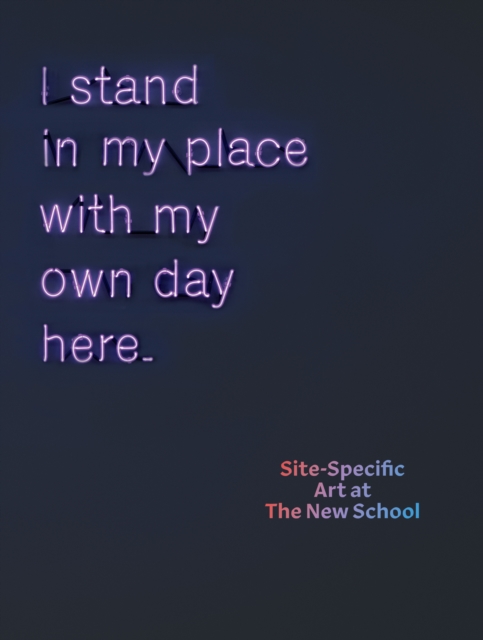
I Stand in My Place with My Own Day Here features essays by more than fifty renowned international writers who consider thirteen monumental works of art created for The New School between 1930 and the present.
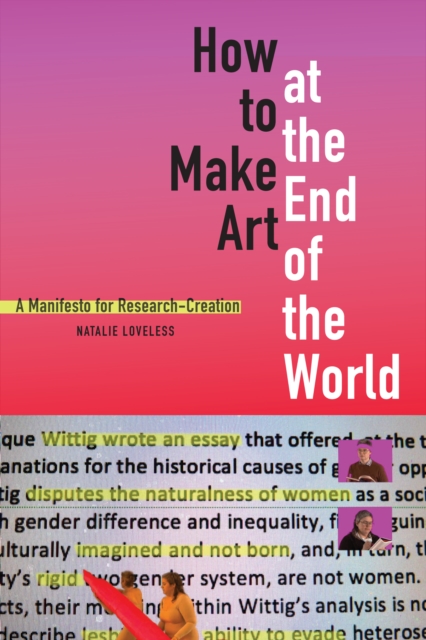
In recent years, the rise of research-creation-a scholarly activity that considers art practices as research methods in their own right-has emerged from the organic convergences of the arts and interdisciplinary humanities, and it has been fostered by universities wishing to enhance their public profiles.
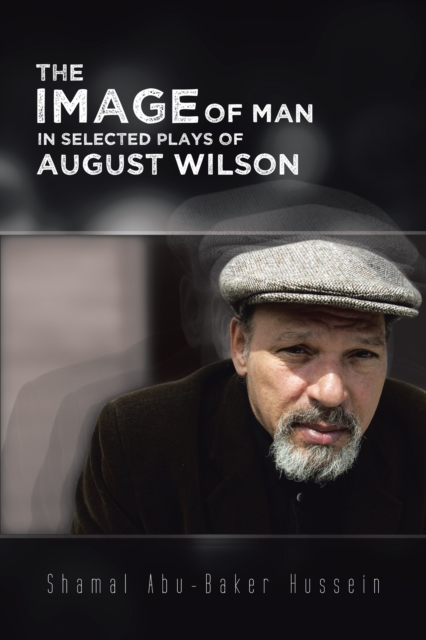
Wilson's approach can be seen as a communal romanticism, dealing with ordinary people, language, and problems, giving the priority to the feeling and human dignity over logic, power and money, putting freedom and equity as a pivotal concern, almost presenting women and children as victims, and highlighting the importance of heritage, identity, and culture.