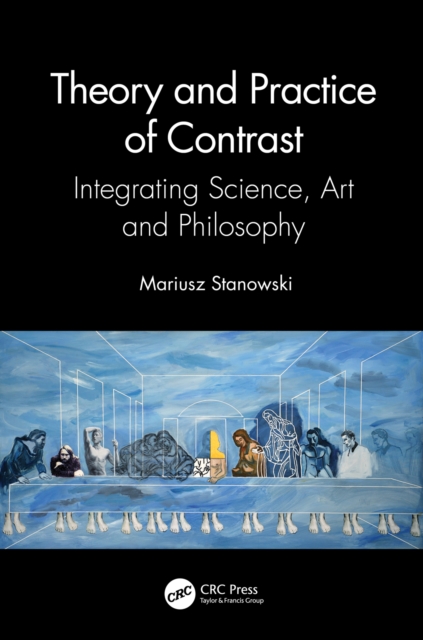
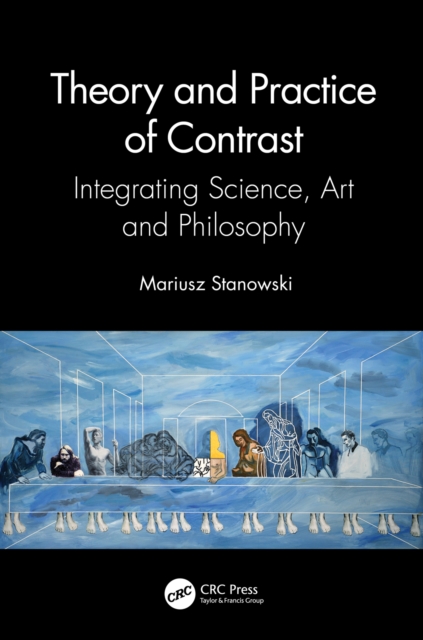
The book Theory and Practice of Contrast completes, corrects and integrates the foundations of science and humanities, which include: theory of art, philosophy (aesthetics, epistemology, ontology, axiology), cognitive science, theory of information, theory of complexity and physics.
The book Theory and Practice of Contrast completes, corrects and integrates the foundations of science and humanities, which include: theory of art, philosophy (aesthetics, epistemology, ontology, axiology), cognitive science, theory of information, theory of complexity and physics.
This book is intended as a structured presentation of the major ideas of the most important trends of thought in the Marxist theory of art and is constructed as a map of the field of Marxist aesthetics.
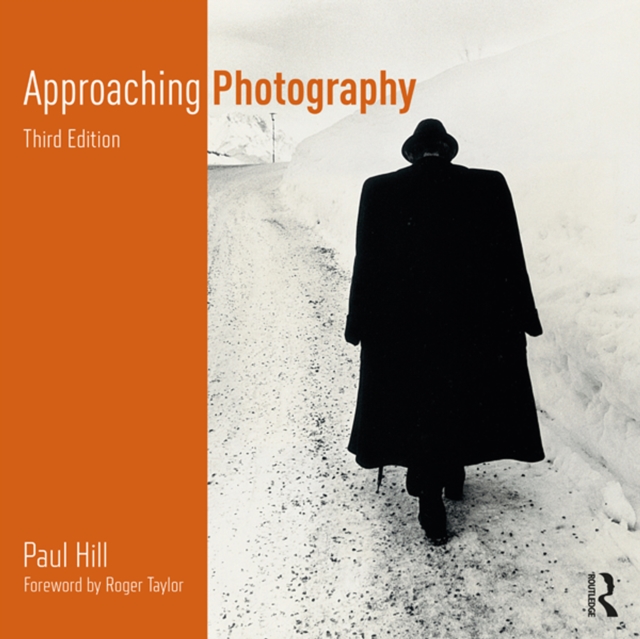
Fully updated and revised, this seminal book explains and illustrates what photographs are, how they were made and used in the past and, more particularly, what their place is in the creative arts and visual communications world of today.
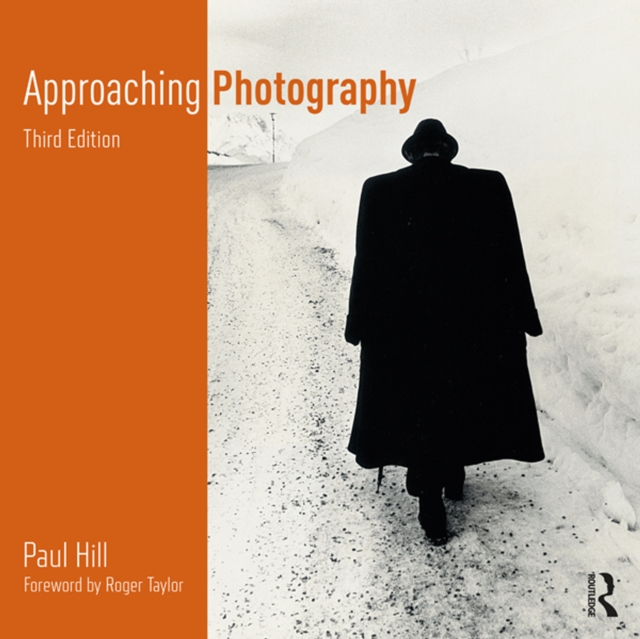
Fully updated and revised, this seminal book explains and illustrates what photographs are, how they were made and used in the past and, more particularly, what their place is in the creative arts and visual communications world of today.
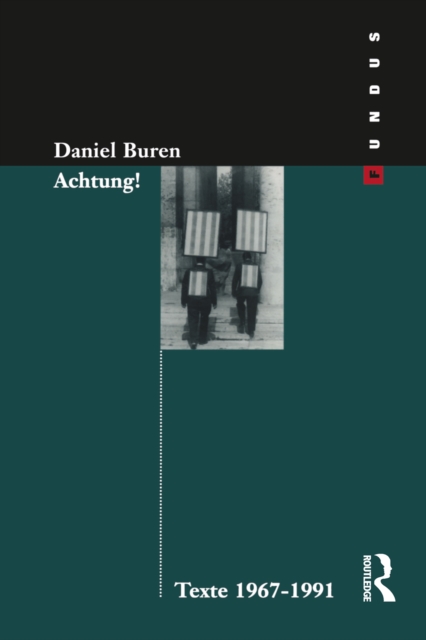
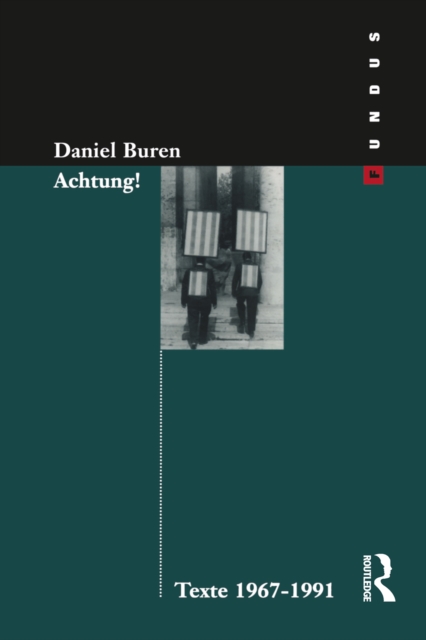
Fur diesen Band wurden Texte von Daniel Buren ausgewahlt, die seine kunstlerische wie theoretische Arbeit seit 1967 besonders anschaulich dokumentieren.
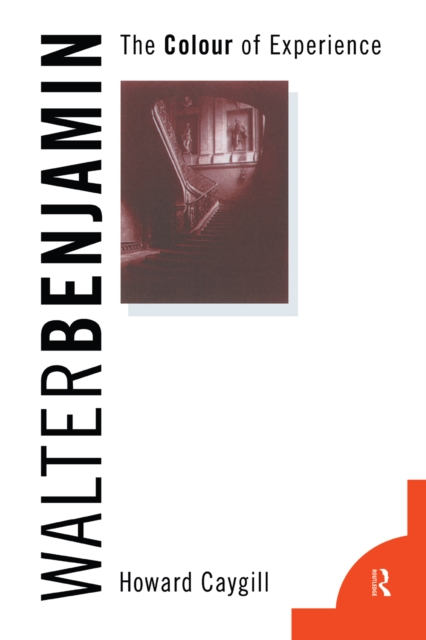
This book analyzes the development of Walter Benjamin's concept of experience in his early writings showing that it emerges from an engagement with visual experience, and in particular the experience of colour.
This 14th edition of Sales Force Management continues to build on the book's reputation as a contemporary classic, fully updated for modern sales management teaching, research, and practice.
Fur diesen Band wurden Texte von Daniel Buren ausgewahlt, die seine kunstlerische wie theoretische Arbeit seit 1967 besonders anschaulich dokumentieren.
This book analyzes the development of Walter Benjamin's concept of experience in his early writings showing that it emerges from an engagement with visual experience, and in particular the experience of colour.
Doing Research in Design presents new ways of thinking about the relationship between design and research by positioning design as a social as well as a material practice.
In 1945, French political prisoners returning from the concentration camps of Germany coined the phrase 'the concentrationary universe' to describe the camps as a terrible political experiment in the destruction of the human.
Play art' or interactive art is becoming a central concept in the contemporary art world, disrupting the traditional role of passive observance usually assumed by audiences, allowing them active participation.
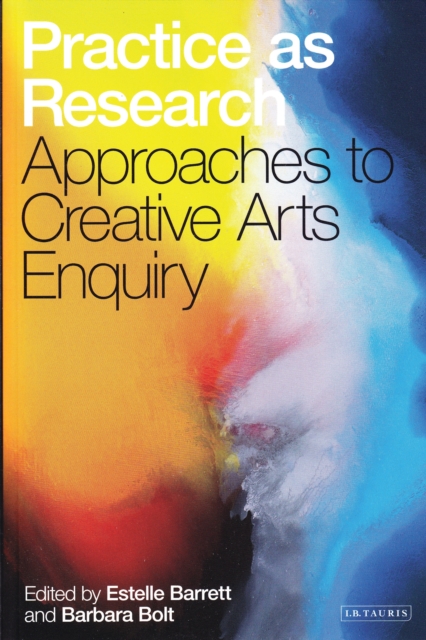
Practice-led research is a burgeoning area across the creative arts, with studio informed doctorates frequently favoured over traditional approaches to research.
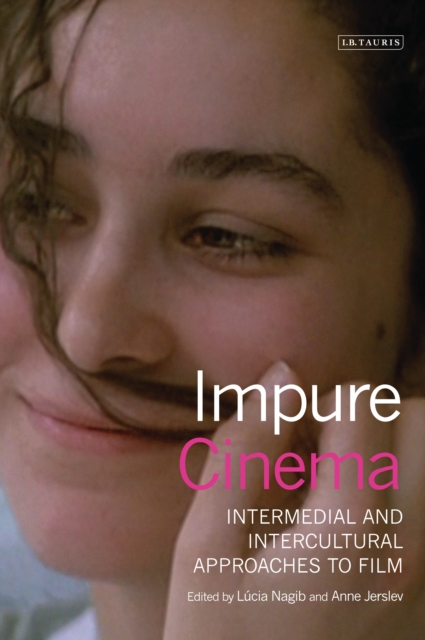
Andre Bazin's famous article, 'Pour un cinema impur: defense de l'adaptation', was first translated into English simply as 'In Defence of Mixed Cinema', probably to avoid any uncomfortable sexual or racial resonances the word 'impure' might have.
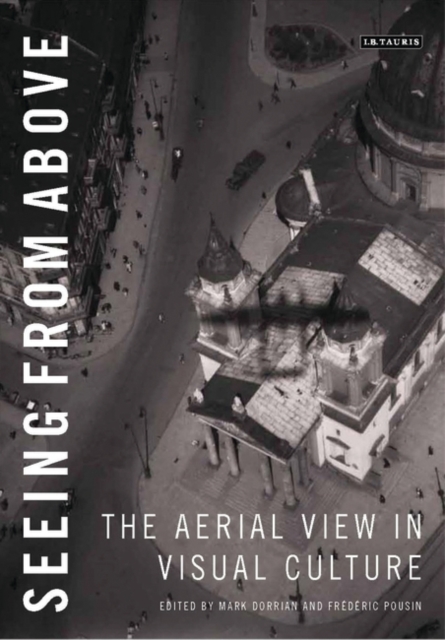
The view from above, or the 'bird's-eye' view, has become so ingrained in contemporary visual culture that it is now hard to imagine our world without it.
From the 'Monster of Ravenna' to the 'Elephant Man', Myra Hindley and Ted Bundy, the visualisation of 'real', human monsters has always played a part in how society sees itself.
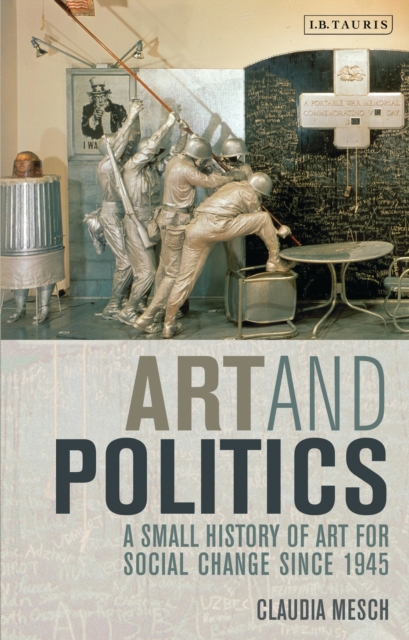
Art today is an increasingly multifaceted phenomenon, encompassing transgressive works that intervene in war and ecological disasters, in inequalities and revolutionary changes in technology.
Often derided as unscientific and self-indulgent, psychoanalysis has been an invaluable resource for artists, art critics and historians throughout the twentieth century.
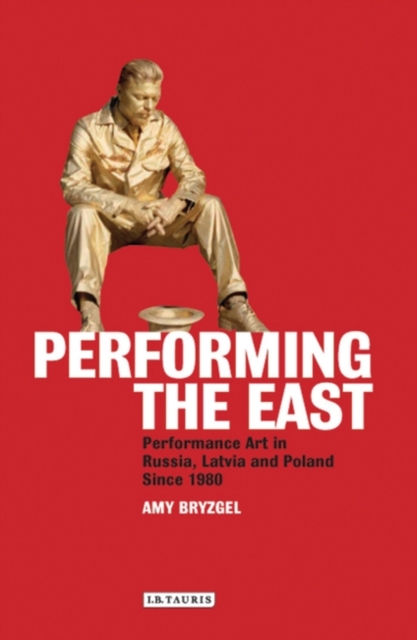
Performance art in Western Europe and North America developed in part as a response to the commercialisation of the art object, as artists endeavoured to create works of art that could not be bought or sold.
Accused by the tabloid press of setting out to 'shock', controversial artworks are vigorously defended by art critics, who frequently downplay their disturbing emotional impact.
Trash, garbage, rubbish, dross, and detritus - in this enjoyably radical exploration of 'Junk', Gillian Whiteley rethinks art's historical and present appropriation of junk within our eco-conscious and globalised culture.
What if modernism had been characterised by evolving, interconnected and multi-sensory images rather than by the monolithic objects often described by its artists and theorists?