This book brings together thirteen scholars to introduce the newest and most cutting-edge research in the field of Russian and East European art history.
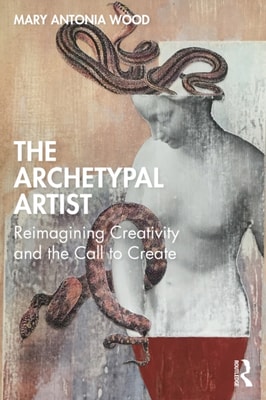
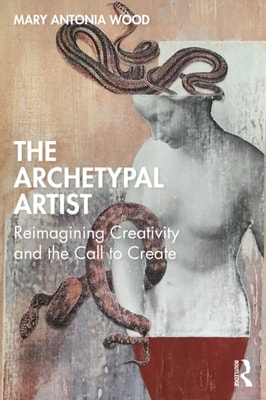
In this thoughtful and revelatory book, Wood explores enduring and powerful theories on art, creativity, and what Jung called the "e;creative spirit"e; in order to illuminate how artists can truly understand what it means to be a creator.
In this thoughtful and revelatory book, Wood explores enduring and powerful theories on art, creativity, and what Jung called the "e;creative spirit"e; in order to illuminate how artists can truly understand what it means to be a creator.
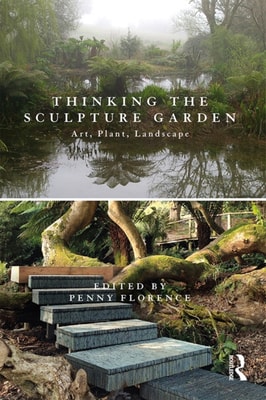
This innovative book poses two, deceptively simple, questions: what is a sculpture garden, and what happens when you give equal weight to the main elements of landscape, planting and artwork?
This innovative book poses two, deceptively simple, questions: what is a sculpture garden, and what happens when you give equal weight to the main elements of landscape, planting and artwork?
Employing an interdisciplinary approach, this book breaks new ground by considering how Robert Motherwell's abstract expressionist art is indebted to Alfred North Whitehead's highly original process metaphysics.
Employing an interdisciplinary approach, this book breaks new ground by considering how Robert Motherwell's abstract expressionist art is indebted to Alfred North Whitehead's highly original process metaphysics.
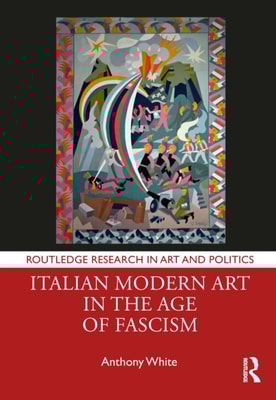
This book examines the work of several modern artists, including Fortunato Depero, Scipione, and Mario Radice, who were working in Italy during the time of Benito Mussolini's rise and fall.
This book examines the work of several modern artists, including Fortunato Depero, Scipione, and Mario Radice, who were working in Italy during the time of Benito Mussolini's rise and fall.
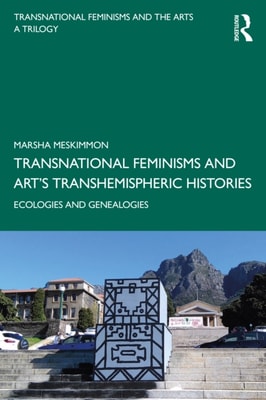
In this second book of her trailblazing trilogy, Marsha Meskimmon proposes that decolonial, ecocritical, feminist art's histories can unravel the anthropocentric legacies of Eurocentric universalism, to create transformative conversations between and across many and more-than-human worlds.
In this second book of her trailblazing trilogy, Marsha Meskimmon proposes that decolonial, ecocritical, feminist art's histories can unravel the anthropocentric legacies of Eurocentric universalism, to create transformative conversations between and across many and more-than-human worlds.
Viewing artistic works through the lens of both contemporary gerontological theory and postmodernist concepts, the contributing scholars examine literary treatments, cinematic depictions, and artistic portraits of aging from Shakespeare to Hemingway, from Horton Foote to Disney, from Rembrandt to Alice Neale, while also comparing the attitudes toward aging in Native American, African American, and Anglo American literature.
This edited collection explores a subject of great potential for both art historians and museologists - that of the nature of the specimen and how it might be reinterpreted.
This edited collection explores a subject of great potential for both art historians and museologists - that of the nature of the specimen and how it might be reinterpreted.
***'An indispensable volume'Vogue'As rabid admirers and collectors of contemporary art and photography we wholeheartedly recommend this passionate and joyous book.
Italian futurism visualized diverse types of motion, which had been rooted in pervasive kinetic and vehicular forces generated during a period of dramatic modernization in the early 20th century.
Italian futurism visualized diverse types of motion, which had been rooted in pervasive kinetic and vehicular forces generated during a period of dramatic modernization in the early 20th century.
In This Is Not a Copy, Kaja Marczewska identifies a characteristic 'copy-paste' tendency in contemporary culture-a shift in attitude that allows reproduction and plagiarizing to become a norm in cultural production.
In This Is Not a Copy, Kaja Marczewska identifies a characteristic 'copy-paste' tendency in contemporary culture-a shift in attitude that allows reproduction and plagiarizing to become a norm in cultural production.
Arriving in New York City in the first decade of the twentieth century, six painters-Robert Henri, John Sloan, Everett Shinn, Glackens, George Luks, and George Bellows, subsequently known as the Ashcan Circle-faced a visual culture that depicted the urban man as a diseased body under assault.
Arriving in New York City in the first decade of the twentieth century, six painters-Robert Henri, John Sloan, Everett Shinn, Glackens, George Luks, and George Bellows, subsequently known as the Ashcan Circle-faced a visual culture that depicted the urban man as a diseased body under assault.
Taking as its point of departure Roland Barthes' classic series of essays, Mythologies, Rebecca Houze presents an exploration of signs and symbols in the visual landscape of postmodernity.
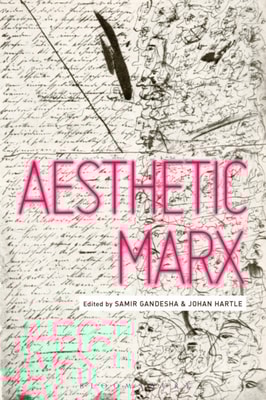
The whole of Marx's project confronts the narrow concerns of political philosophy by embedding it in social philosophy and a certain understanding of the aesthetic.
The whole of Marx's project confronts the narrow concerns of political philosophy by embedding it in social philosophy and a certain understanding of the aesthetic.