A stunning visual history of sculpture from prehistory through modernityThis book presents an aesthetic of sculptural art, which has too often submitted to the rule of architecture and painting.
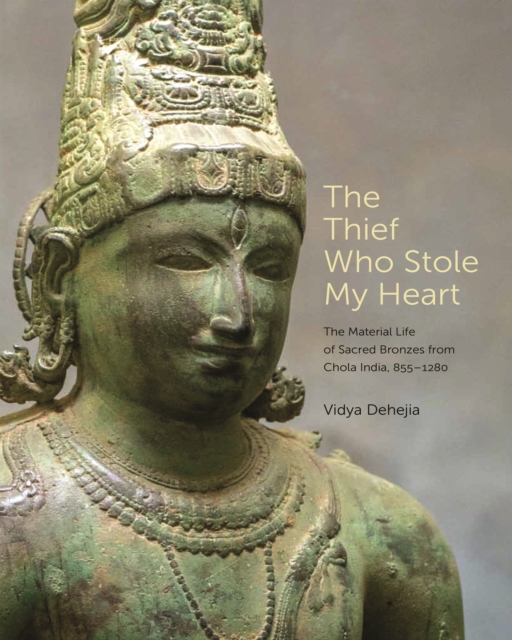
The first book to put the sacred and sensuous bronze statues from India's Chola dynasty in social contextFrom the ninth through the thirteenth century, the Chola dynasty of southern India produced thousands of statues of Hindu deities, whose physical perfection was meant to reflect spiritual beauty and divine transcendence.
From a leading art historian of Renaissance Italy, a compelling account of the artistic and cultural impact of the sack of sixteenth-century RomeIn this illustrated account of the sack of Rome as a cultural and artistic phenomenon, Andre Chastel reveals the historical ambiguities of preceding events and the traumatic contrast between the flourishing world of art under Pope Clement VII and the city after it was looted by the troops of Emperor Charles V in 1527.
A cultural and social history of art collecting, art history, and the art marketIn The Rare Art Traditions, Joseph Alsop offers a wide-ranging cultural and social history of art collecting, art history, and the art market.
A major account of Renaissance portraiture by one of the twentieth century's most eminent art historiansIn this book, John Pope-Hennessy provides an unprecedented look at two centuries of experiment in portraiture during the Renaissance.
How ornamentation enables a direct and immediate encounter between viewers and art objectsBased on universal motifs, ornamentation occurs in many artistic traditions, though it reaches its most expressive, tangible, and unique form in the art of the Islamic world.
The classic work by internationally acclaimed Cezanne scholar John RewaldIn Cezanne and America, John Rewald presents a full account of how Paul Cezanne's reputation and influence became established in America between 1891 and 1921, and of how some of the world's largest collections of his works were formed in the United States.
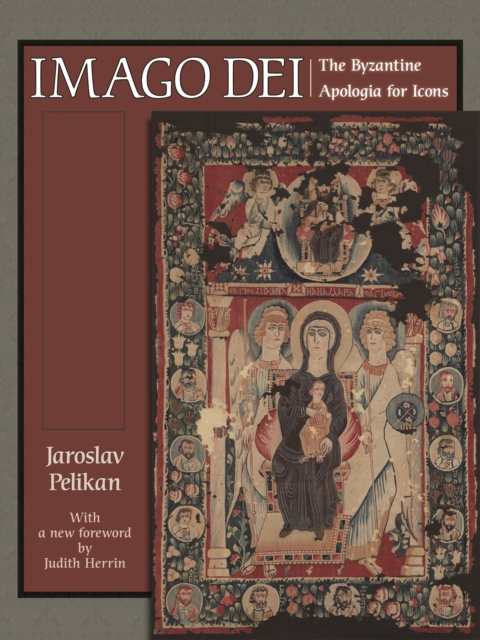
A sweeping account of the controversies surrounding the worship of images in the early Byzantine churchIn 726, the Byzantine emperor, Leo III, issued an edict that all religious images in the empire were to be destroyed, a directive that was later endorsed by a synod of the church in 753 under his son, Constantine V.
A major account of Renaissance portraiture by one of the twentieth century's most eminent art historiansIn this book, John Pope-Hennessy provides an unprecedented look at two centuries of experiment in portraiture during the Renaissance.
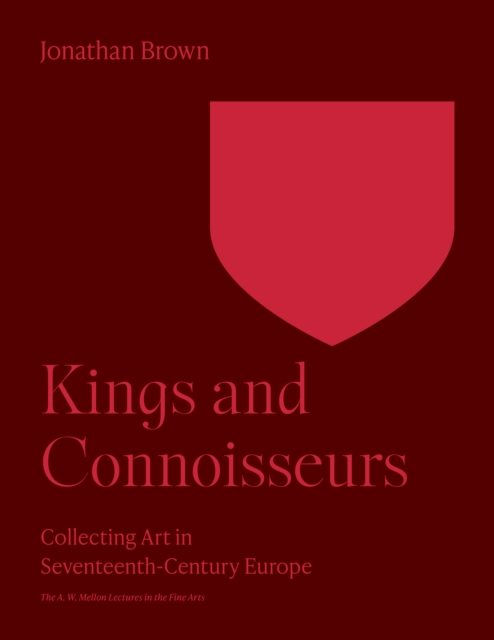
A vivid and exciting account of royal collectors, art dealers, connoisseurs, and the rise of old master paintingsOld master paintings are among the most valuable and prestigious of the visual arts, and the best examples command the highest prices of any luxury commodity.
How ornamentation enables a direct and immediate encounter between viewers and art objectsBased on universal motifs, ornamentation occurs in many artistic traditions, though it reaches its most expressive, tangible, and unique form in the art of the Islamic world.
Eine triumphale Neuerzählung der Menschheitsgeschichte»Und so ist in dieser anderen Art der Kulturgeschichte auch eine zeitgemäße kleine, rebellische Kulturtheorie eingeschmuggelt, die uns vor dem Irrtum bewahren kann, dass mit der Kultur etwas nicht stimmt.
'A genius writer' FABULOUS MAGAZINE Explore your sensuality Discover your inner power Reclaim your sexuality with this gentle and mind-opening journal by sexual priestess and activist Lucy-Anne Holmes.
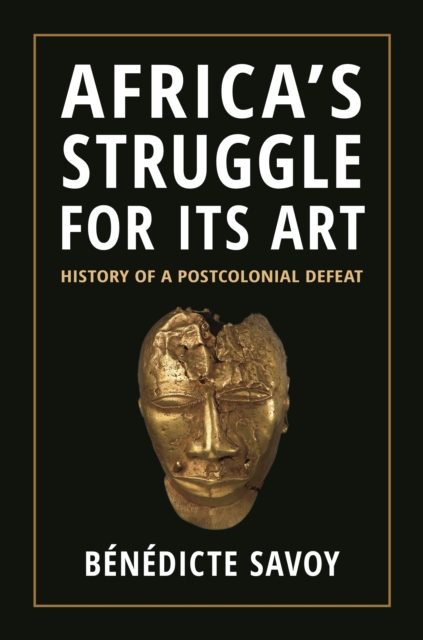
A major new history of how African nations, starting in the 1960s, sought to reclaim the art looted by Western colonial powers For decades, African nations have fought for the return of countless works of art stolen during the colonial era and placed in Western museums.
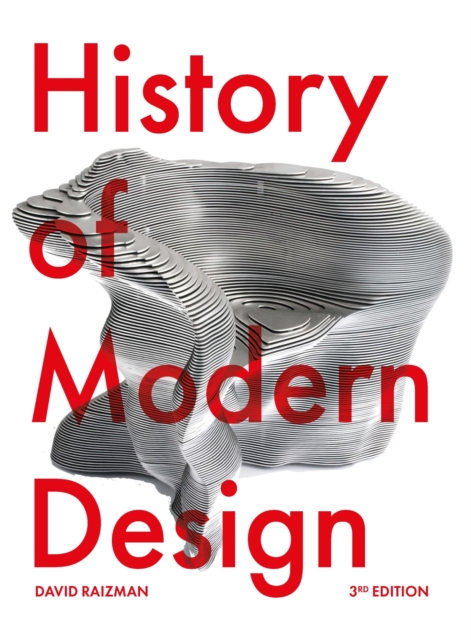
This unparalleled and wide-ranging book surveys the history of applied arts and industrial design from the eighteenth century to the present day, exploring the dynamic relationship between design and manufacturing, and the technological, social and commercial contexts in which this relationship has developed.
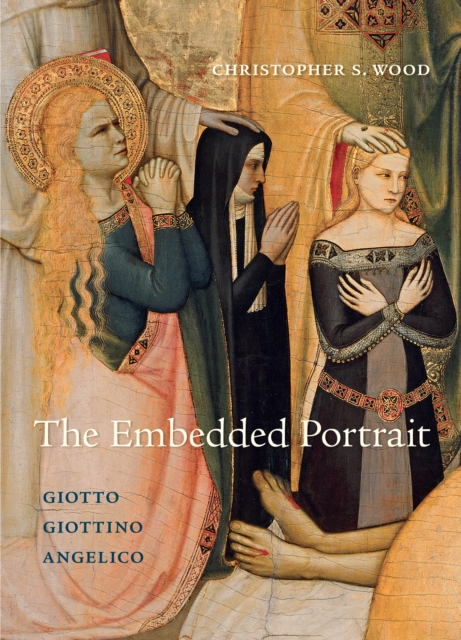
A new study of the early Renaissance portraitIn fourteenth-century Italy, ever more women and mennot only clergy but also laityintroduced their own portraits into sacred paintings.
Zeit seines Lebens arbeitete George Chan, der Vater des »integrated farming«, mit Bauern aus der ganzen Welt zusammen und suchte nach einer Formel, um »Abfall in Wohlstand« zu verwandeln.
Für sein Notizbuch hat der mexikanische Künstler Abraham Cruzvillegas Auszüge und Aufzeichnungen aus seinem persönlichen Skizzenbuch sowie assoziative Fotografien gesammelt.
Im Fokus der Texte des Kulturkritikers Andrew Ross, der einen alternativen Globalisierungsansatz verfolgt, stehen Themen wie die prekäre kognitive Arbeit, die Organisation von Arbeit sowie die urbane Gesellschaft.
Sigmund Freuds Untersuchung des Moses von Michelangelo sowie seine Sammlung antiker Kleinskulpturen bieten, gemeinsam betrachtet, Elemente einer visuellen Psychoanalyse, die dem ikonoklastischen Grundzug dieser Wissenschaft widerspricht.
Bei Recherchen für seinen Beitrag zur dOCUMENTA (13) stieß der Künstler Clemens von Wedemeyer in der Berliner Akademie der Künste auf das mit handschriftlichen Notizen und Zeichnungen versehene Regiebuch des Regisseurs Eberhard Itzenplitz, auf dessen Basis das Drehbuch von Ulrike Meinhof Bambule.
Das Notizenmachen ist unverzichtbarer Bestandteil des akademischen Lebens, ein Ritual, das in so vielen Handschriften ausgeführt wird, wie es Individuen gibt.
In the form of a lexicon, artist Mariam Ghani describes, together with her father, the renowned anthropologist and political scientist Ashraf Ghani, the cycle of repeated collapse and recovery that Afghanistan has undergone over the course of the twentieth century.
Mario Bellatins schriftstellerisches Œuvre zeichnet sich durch eine experimentelle und fragmentarische Erzählweise aus, in der er Realität und Fiktion kunstvoll miteinander verknüpft.
Der Künstler Francesco Matarrese unternimmt in diesem Notizbuch eine Neulektüre von zwei Texten der Moderne: In einer »extremen Begegnung« stellt er Recentness of Sculpture (Neuerdings die Skulptur) des amerikanischen Kunstkritikers Clement Greenberg von 1967 einem Auszug aus Lotta contro il lavoro!
Der Philosoph Graham Harman wiederholt das bekannte Gleichnis Sir Arthur Stanley Eddington aus dem Jahre 1927 der »zwei Tische«: den vertrauten »Tisch des täglichen Lebens« und dessen Nebenbuhler, den »wissenschaftlichen Tisch« der Physik.
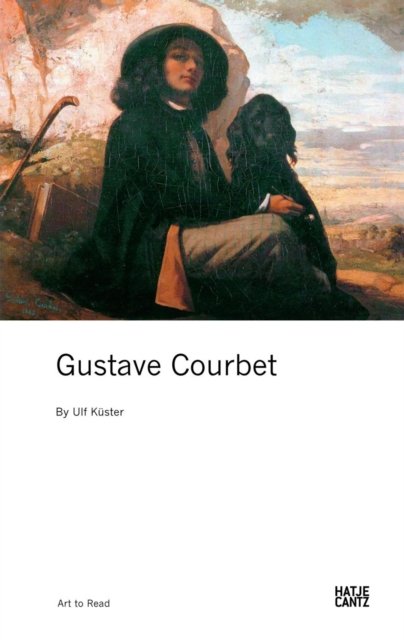
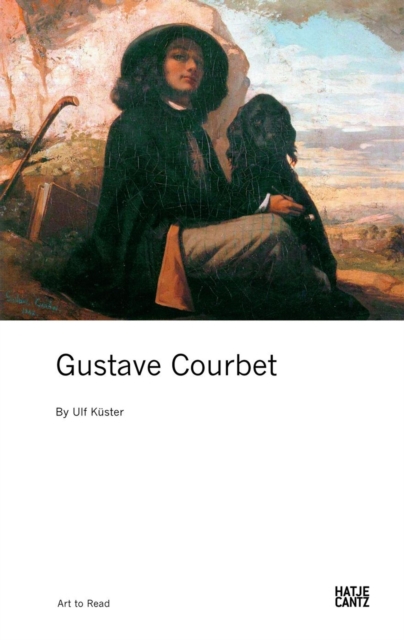
Gustave Courbet (1819-1877) is considered to have introduced the practice of socially engaged painting, and he is viewed as one of the most important repre-sentatives of Realism.
1989 wurden die damaligen Mitglieder von Group Material – Doug Ashford, Julie Ault, Felix Gonzalez-Torres und Karen Ramspacher – von der MATRIX Gallery am Berkeley University Art Museum dazu eingeladen, sich mit dem Thema AIDS auseinanderzusetzen.
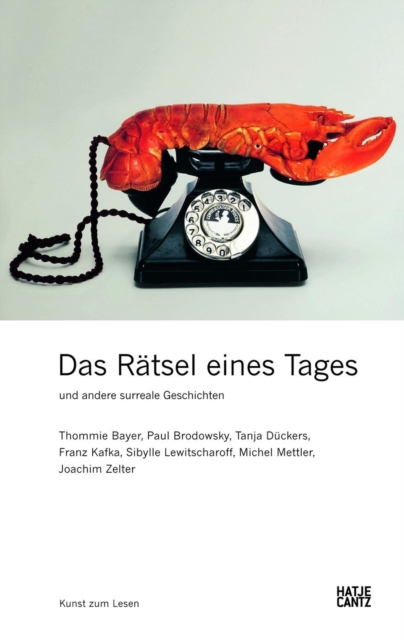
»Ich glaube an die künftige Auflösung dieser scheinbar so gegensätzlichen Zustände von Traum und Wirklichkeit in einer Art absoluter Realität, wenn man so sagen kann: Surrealität.
In einer Zeit, in der der Austausch mit der Welt meist über das Internet erfolgt, wird dieser vorwiegend durch Vorgaben und Formate der Suchmaschine Google reguliert, die für den Philosophen und Medientheoretiker Boris Groys damit die traditionelle Rolle der Philosophie und Religion eingenommen hat.
»Angenommen, wir hätten ein genau eingestelltes, ultra-empfindliches Instrument, das wir dazu verwenden könnten, uns an die Schattierungen und Feinheiten des Nichts heranzuzoomen und auf sie einzustimmen.