Unique perspectives from an acclaimed art historian on the relationship between drawing and paintingFrom Drawing to Painting interweaves biographical information about five renowned French artists-Nicolas Poussin, Antoine Watteau, Jean-Honore Fragonard, Jacques-Louis David, and Jean-Auguste-Dominique Ingres-with a fascinating look at dozens of their drawings and the links that they have to their paintings.
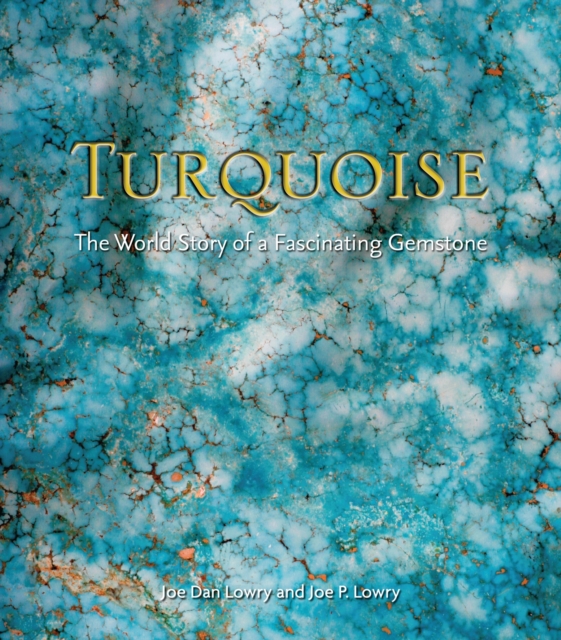
Turquoise has been mined on six continents and traded by cultures throughout the world's history, including the Europeans, Chinese, Mayan, Aztec, Inca, and Southwest Native Americans.
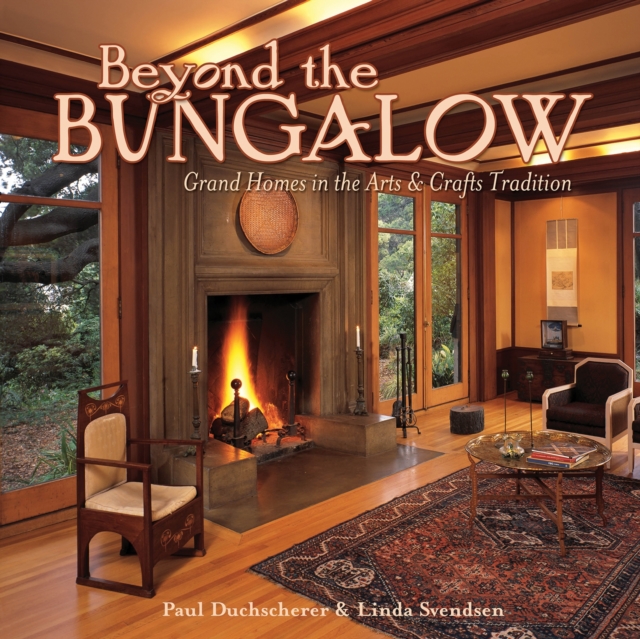
Beyond the Bungalow, the newest book from renowned designer and Arts & Crafts expert Paul Duchscherer, celebrates the larger members of the Arts & Crafts family, and pays tribute to their remarkable artistic beauty, craftsmanship, and diversity of style.
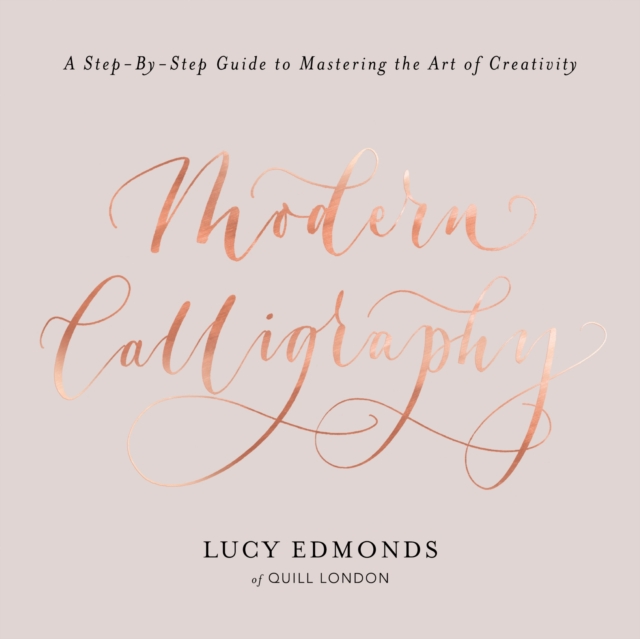
Beautifully illustrated with a covetable rose gold foil cover, Modern Calligraphy is a step-by-step workbook for those wanting to learn this super trendy form of lettering.
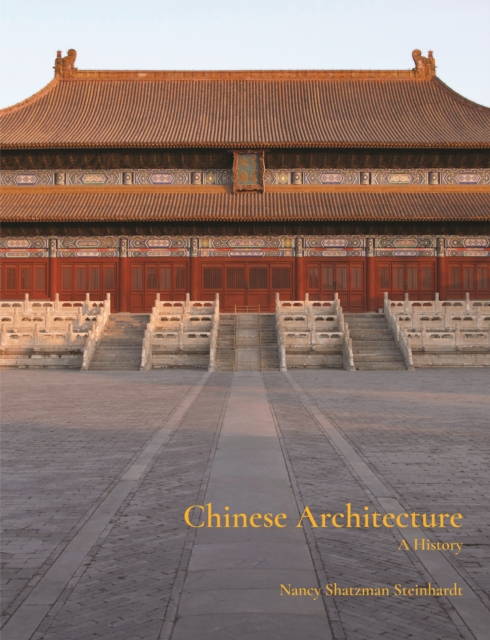
An unprecedented survey of the origins and evolution of Chinese architecture, from the last millennia BCE to todayThroughout history, China has maintained one of the world's richest built civilizations.
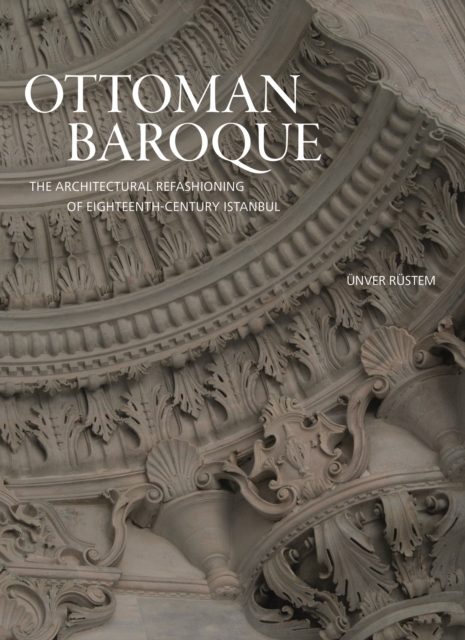
A new approach to late Ottoman visual culture and its place in the worldWith its idiosyncratic yet unmistakable adaptation of European Baroque models, the eighteenth-century architecture of Istanbul has frequently been dismissed by modern observers as inauthentic and derivative, a view reflecting broader unease with notions of Western influence on Islamic cultures.
The eighteenth-century Venetian painter Giambattista Tiepolo spent his life executing commissions in churches, palaces, and villas, often covering vast ceilings like those at the W rzburg Residenz in Germany and the Royal Palace in Madrid with frescoes that are among the glories of Western art.
Two years after The Collector had brought him international recognition and a year before he published The Magus, John Fowles set out his ideas on life in The Aristos.
The life of the painter and designer Duncan Grant spanned great changes in society and art, from Edwardian Britain to the 1970s, from Alma-Tadema to Gilbert and George.
Passionate, provocative, entertaining and informative, Scribble, Scribble, Scribble ranges far and wide: from cookery and family to Barack Obama, from preaching and Shakespeare to Victorian sages, from Charlotte Rampling and Hurricane Katrina to 'The Fate of Eloquence in the Age of The Osbournes'.
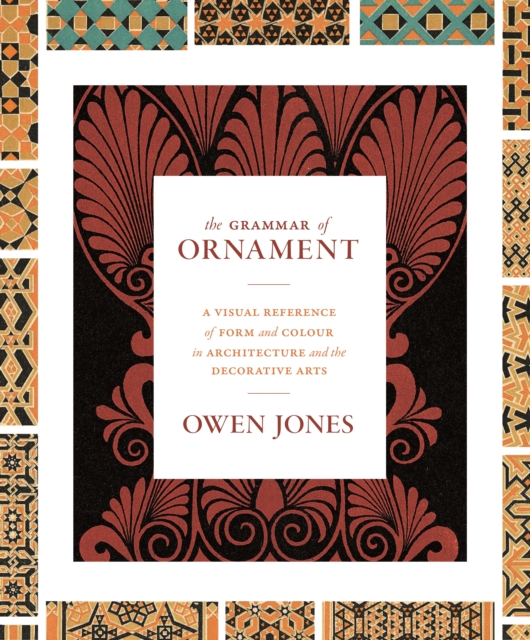
A complete and unabridged full-color edition of the classic sourcebook on ornamental designFirst published in 1856, The Grammar of Ornament remains a design classic.
Learn all you need to know to improve your marketing skills fromresearching and analyzing customers' buying habits to creating andmanaging a strong brand.
Late Antique and Medieval Art of the Mediterranean World is a much-needed teaching anthology that rethinks and broadens the scope of the stale and limiting classifications used for Early Christian-Byzantine visual arts.
A Companion to Contemporary Art is a major survey covering the major works and movements, the most important theoretical developments, and the historical, social, political, and aesthetic issues in contemporary art since 1945, primarily in the Euro-American context.
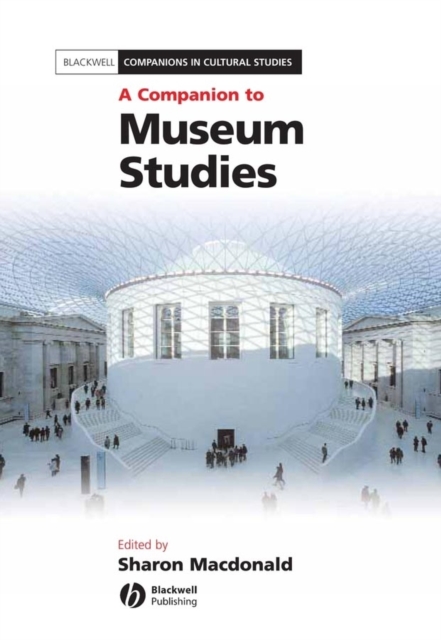
A Companion to Museum Studies captures the multidisciplinary approach to the study of the development, roles, and significance of museums in contemporary society.
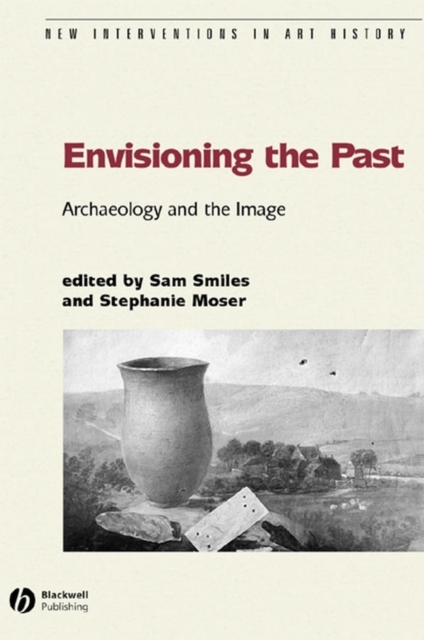
Envisioning the Past: Archaeology and the Image is a groundbreaking collection of original essays that brings together archaeologists, art historians and anthropologists to provide new perspectives on the construction of knowledge concerning the antiquity of man.
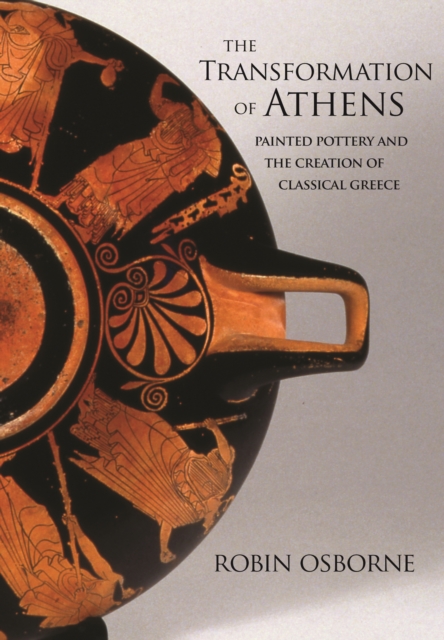
How remarkable changes in ancient Greek pottery reveal the transformation of classical Greek cultureWhy did soldiers stop fighting, athletes stop competing, and lovers stop having graphic sex in classical Greek art?
The first book on the central importance of literary sources in the paintings of Cy TwomblyMany of Cy Twombly's paintings and drawings include handwritten words and phrases-naming or quoting poets ranging from Sappho, Homer, and Virgil to Mallarme, Rilke, and Cavafy.
A complete and unabridged full-color edition of the classic sourcebook on ornamental designFirst published in 1856, The Grammar of Ornament remains a design classic.
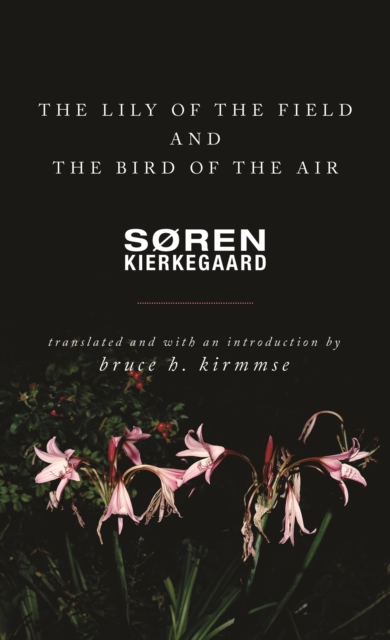
A masterful new translation of one of Kierkegaard's most engaging worksIn the Sermon on the Mount, Jesus tells his followers to let go of earthly concerns by considering the lilies of the field and the birds of the air.
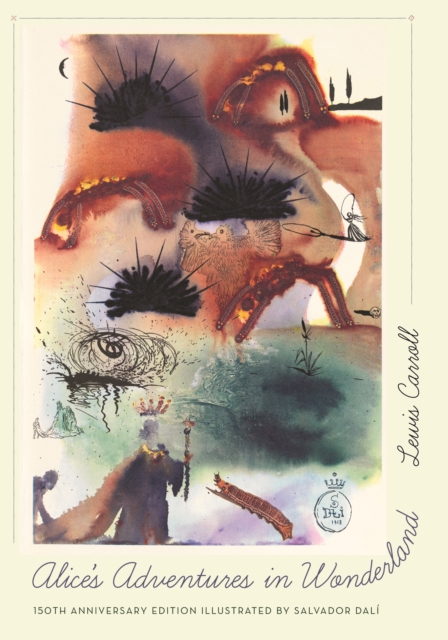
A stunning anniversary edition of Alice's adventures, illustrated by Salvador Dali Commemorating the 150th anniversary of one of the most beloved classics of children's literature, this illustrated edition presents Alice like you've never seen her before.
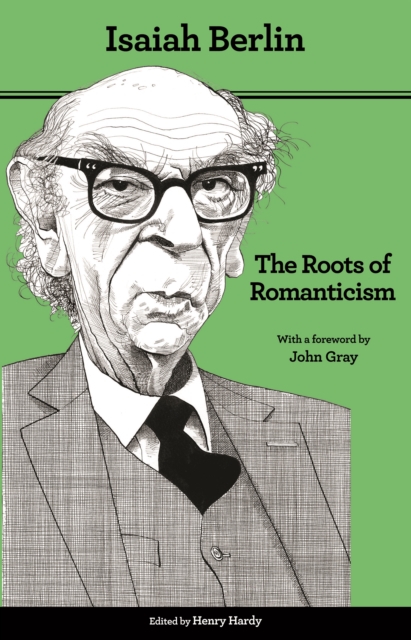
A brilliant brief account of romanticism and its influence from one of the most important philosophers and intellectual historians of the twentieth centuryIn The Roots of Romanticism, one of the twentieth century's most influential philosophers dissects and assesses a movement that changed the course of history.
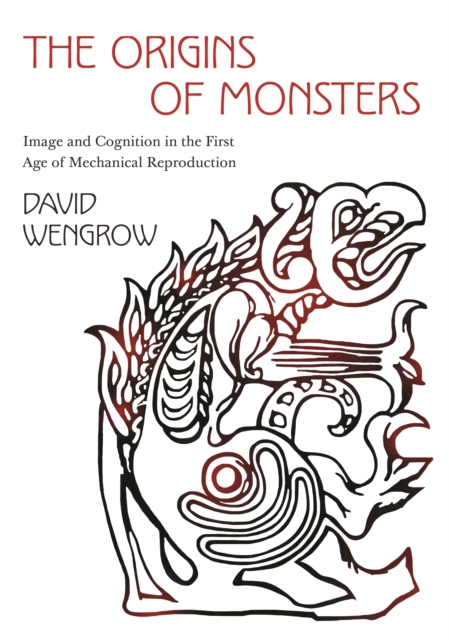
It has often been claimed that "e;monsters"e;--supernatural creatures with bodies composed from multiple species--play a significant part in the thought and imagery of all people from all times.
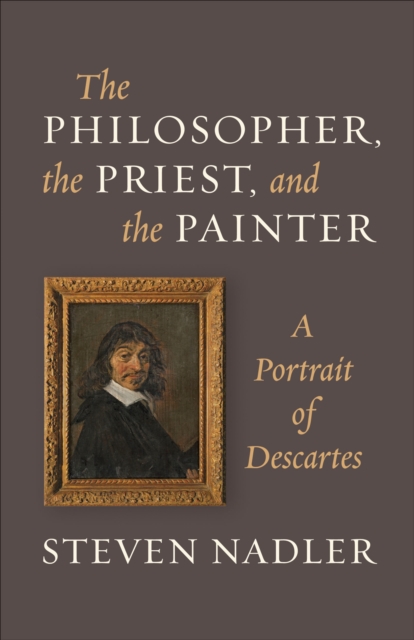
How a famous painting opens a window into the life, times, and philosophy of Rene DescartesIn the Louvre museum hangs a portrait that is considered the iconic image of Rene Descartes, the great seventeenth-century French philosopher.
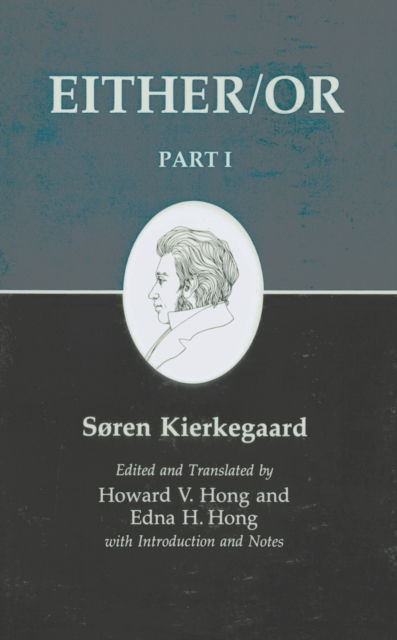
Soren Kierkegaard, the nineteenth-century Danish philosopher rediscovered in the twentieth century, is a major influence in contemporary philosophy, religion, and literature.
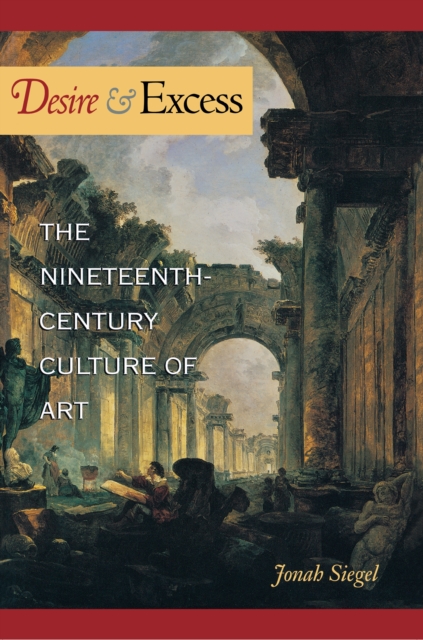
In this fascinating look at the creative power of institutions, Jonah Siegel explores the rise of the modern idea of the artist in the nineteenth century, a period that also witnessed the emergence of the museum and the professional critic.
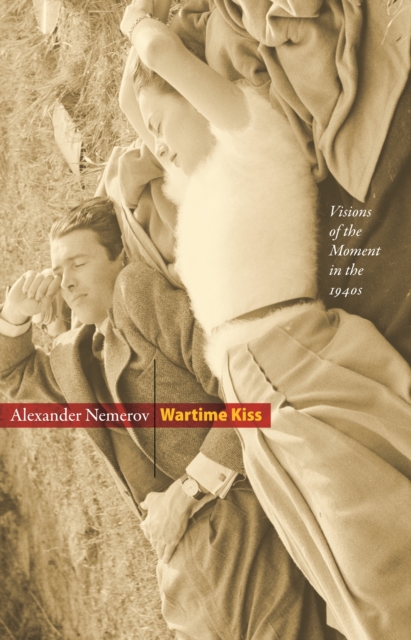
A deeply personal meditation on the haunting power of American photos and films of the 1940sWartime Kiss is a personal meditation on the haunting power of American photographs and films from World War II and the later 1940s.
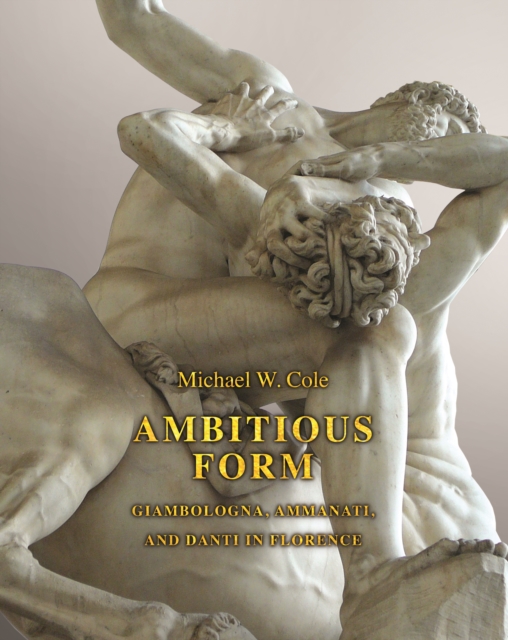
Ambitious Form describes the transformation of Italian sculpture during the neglected half century between the death of Michelangelo and the rise of Bernini.
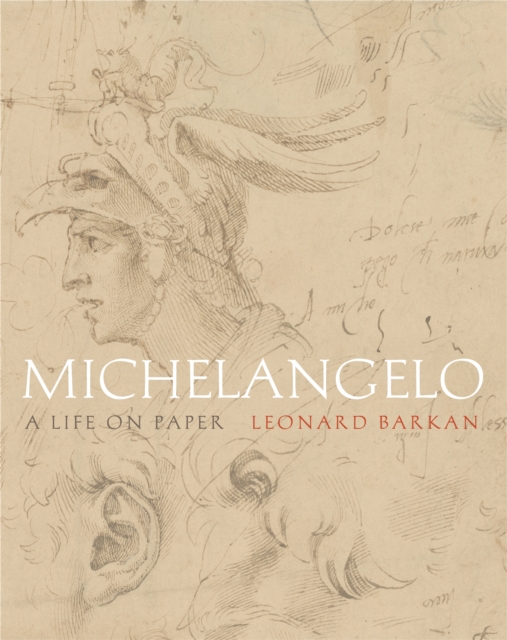
A groundbreaking account of the role of writing in Michelangelo's artMichelangelo is best known for great artistic achievements such as the Sistine ceiling, the David, the Pieta, and the dome of St.