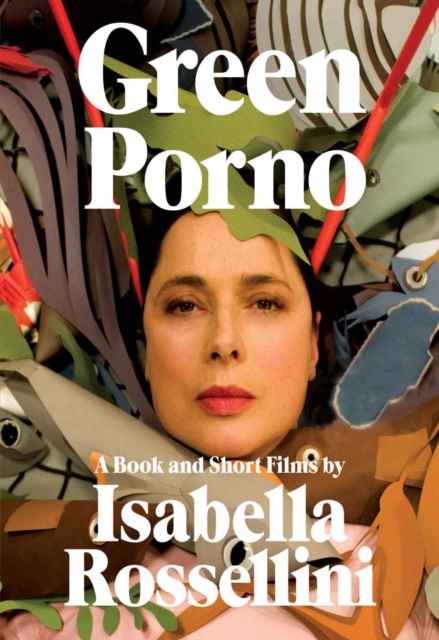
From the beloved actress Isabella Rossellini comes Green Porno, a strange and enlightening visual exploration of the sex lives of insects and sea creatures, based on the wildly popular short videos of the same name.
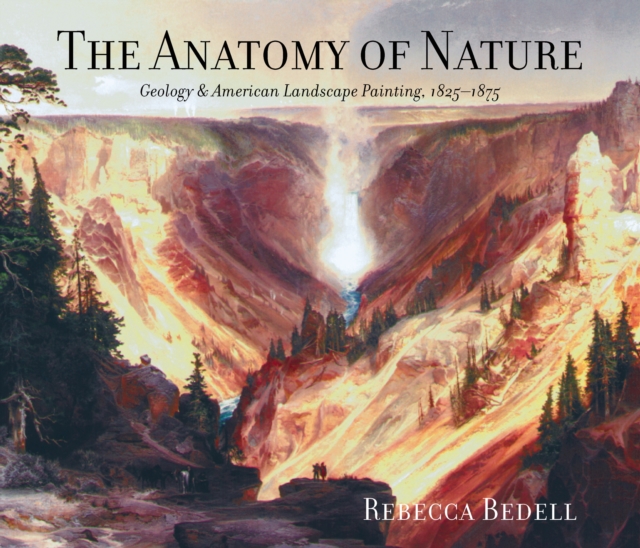
An illuminating account of the interplay between science, religion, and nature in nineteenth-century landscape paintingGeology was in vogue in nineteenth-century America.
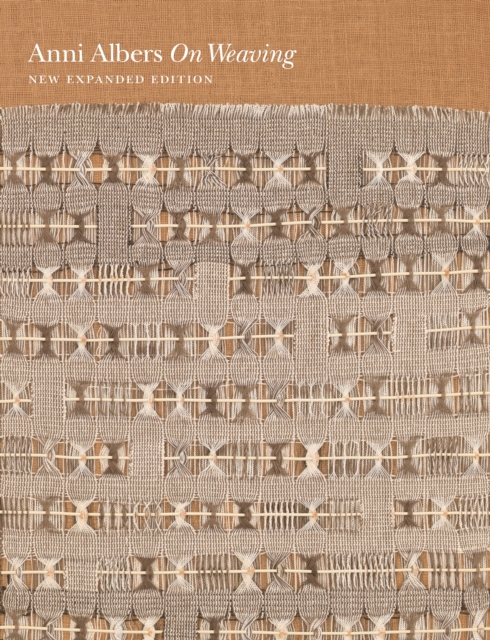
The classic book on the art and history of weaving-now expanded and in full colorWritten by one of the twentieth century's leading textile artists, this splendidly illustrated book is a luminous meditation on the art of weaving, its history, its tools and techniques, and its implications for modern design.
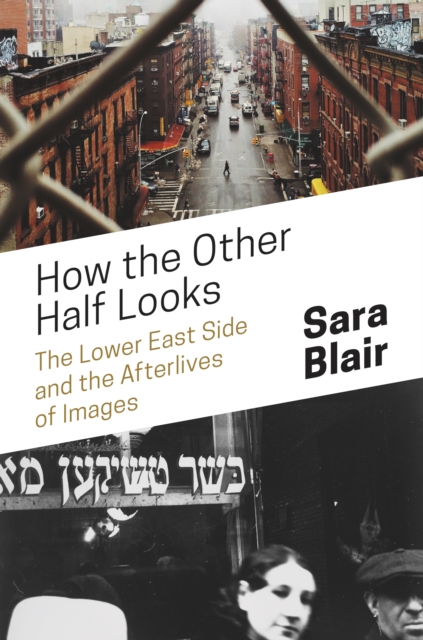
How New York's Lower East Side inspired new ways of seeing AmericaNew York City's Lower East Side, long viewed as the space of what Jacob Riis notoriously called the "e;other half,"e; was also a crucible for experimentation in photography, film, literature, and visual technologies.
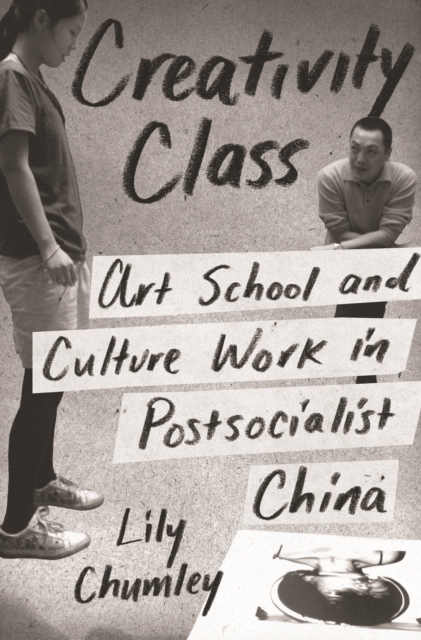
The last three decades have seen a massive expansion of China's visual culture industries, from architecture and graphic design to fine art and fashion.
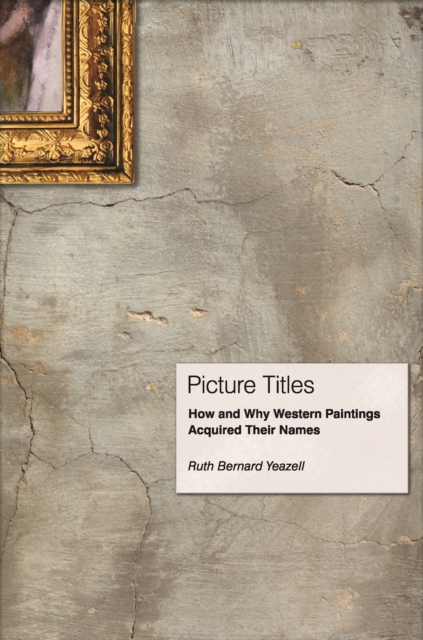
How the practice of titling paintings has shaped their reception throughout modern historyA picture's title is often our first guide to understanding the image.
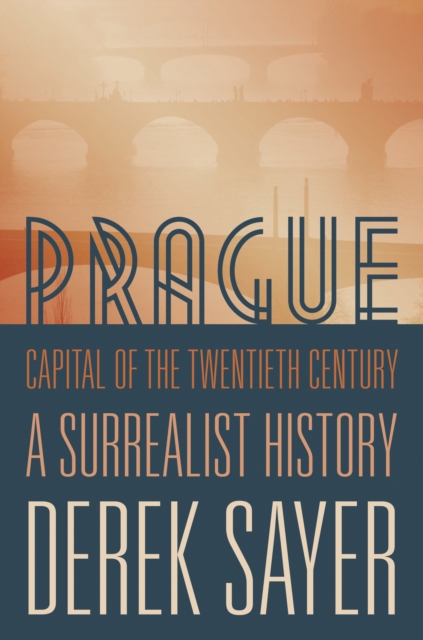
The story of modernity told through a cultural history of twentieth-century PragueSetting out to recover the roots of modernity in the boulevards, interiors, and arcades of the "e;city of light,"e; Walter Benjamin dubbed Paris "e;the capital of the nineteenth century.
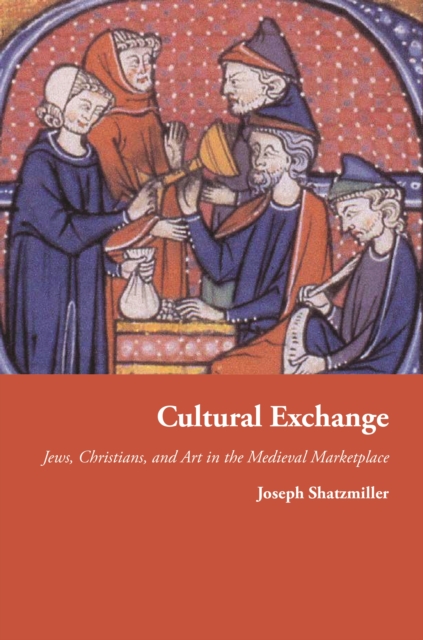
Demonstrating that similarities between Jewish and Christian art in the Middle Ages were more than coincidental, Cultural Exchange meticulously combines a wide range of sources to show how Jews and Christians exchanged artistic and material culture.
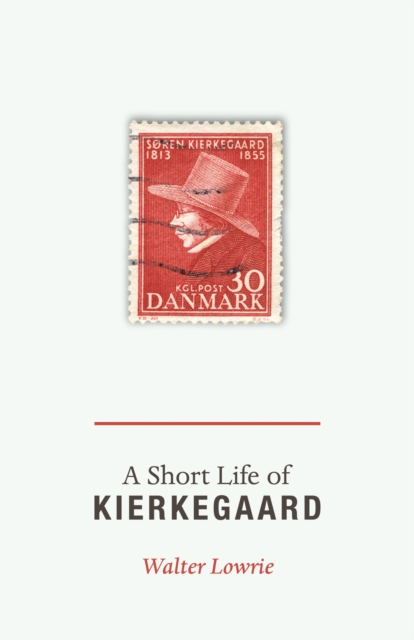
A small, insignificant-looking intellectual with absurdly long legs, Soren Kierkegaard (1813-1855) was a veritable Hans Christian Andersen caricature of a man.
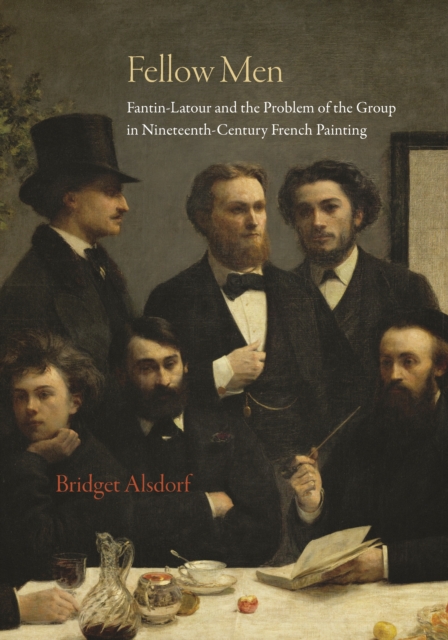
Focusing on the art of Henri Fantin-Latour (1836-1904) and his colleagues Gustave Courbet, Edgar Degas, Edouard Manet, Frederic Bazille, and Pierre-Auguste Renoir, Fellow Men argues for the importance of the group as a defining subject of nineteenth-century French painting.
A portrait of a great American dynasty and its legacy in business, technology, the arts, and philanthropyMeyer Guggenheim, a Swiss immigrant, founded a great American business dynasty.
Matching gorgeous prose to gorgeous artworks, Prose responds to each image as a moment of theatrical revelation, sensual or spiritual, and frequently both.
Wedding the American oral storytelling tradition with progressive music journalism, Mitch Myers' The Boy Who Cried Freebird is a treatise on the popular music culture of the twentieth century.
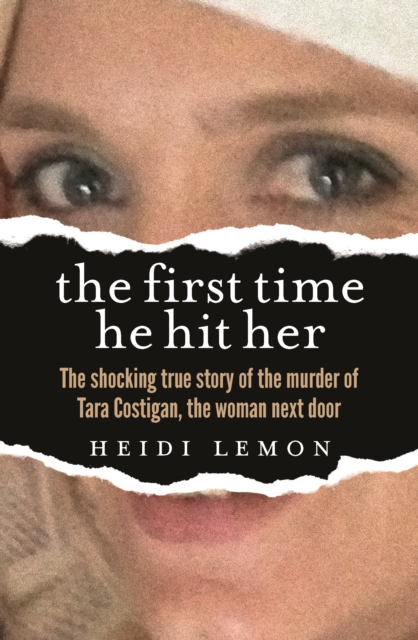
For readers of true crime and books such as See What You Made Me Do, a shocking and movingly told portrait of the murder of suburban mum Tara Costigan and an examination of why domestic violence affects us allTara Costigan was the woman next door.
Sure to be hailed alongside H is for Hawk and The Hare with Amber Eyes, an exceptional work that is at once an astonishing journey across countries and continents, an immersive examination of a great artist's work, and a moving and intimate memoir.
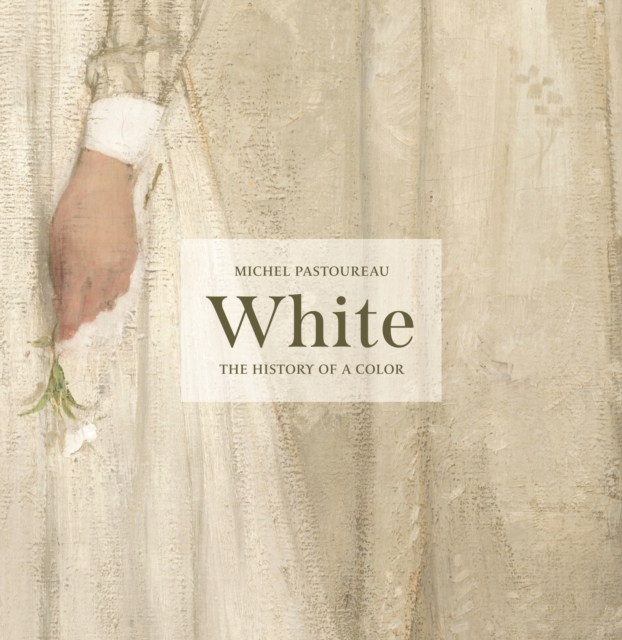
From the acclaimed author of Blue, a beautifully illustrated history of the color white in visual culture, from antiquity to todayAs a pigment, white is often thought to represent an absence of color, but it is without doubt an important color in its own right, just like red, blue, green, or yellowand, like them, white has its own intriguing history.
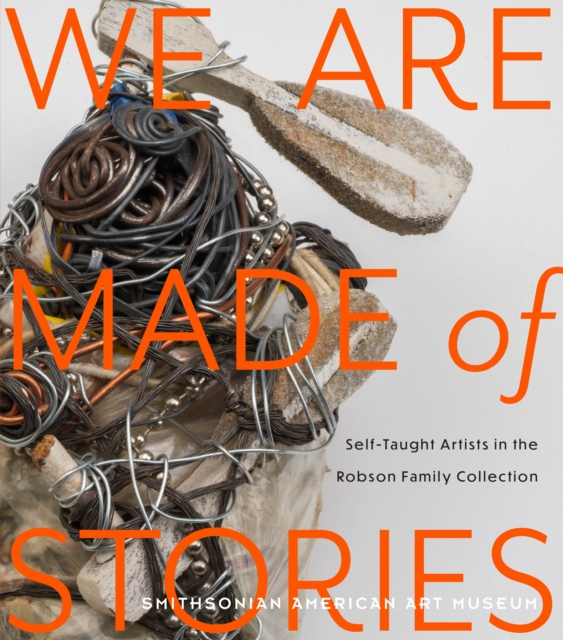
A richly illustrated history of self-taught artists and how they changed American artArtists without formal training, who learned from family, community, and personal journeys, have long been a presence in American art.
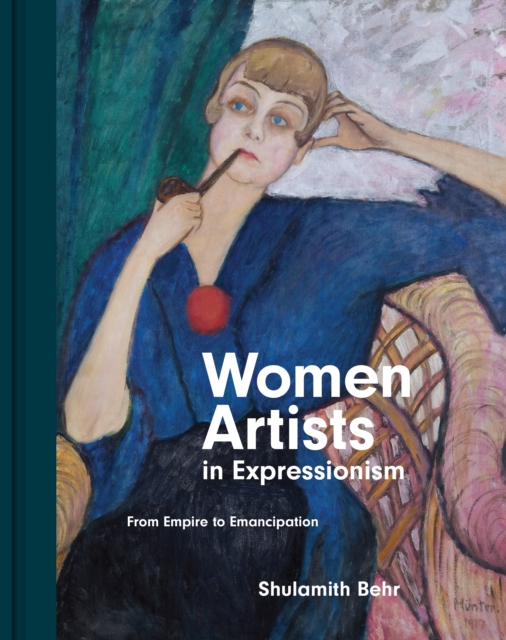
A beautifully illustrated examination of the women artists whose inspired search for artistic integrity and equality influenced Expressionist avant-garde cultureWomen Artists in Expressionism explores how women negotiated the competitive world of modern art during the late Wilhelmine and early Weimar periods in Germany.
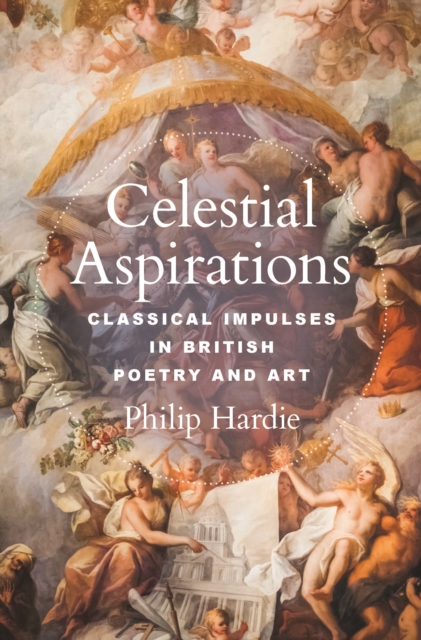
A unique look at how classical notions of ascent and flight preoccupied early modern British writers and artistsBetween the late sixteenth century and early nineteenth century, the British imagination-poetic, political, intellectual, spiritual and religious-displayed a pronounced fascination with images of ascent and flight to the heavens.
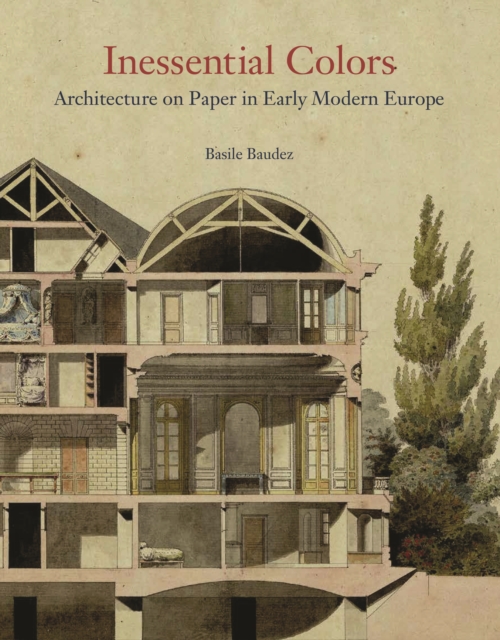
The first comprehensive account of how and why architects learned to communicate through colorArchitectural drawings of the Italian Renaissance were largely devoid of color, but from the seventeenth century through the nineteenth, polychromy in architectural representation grew and flourished.
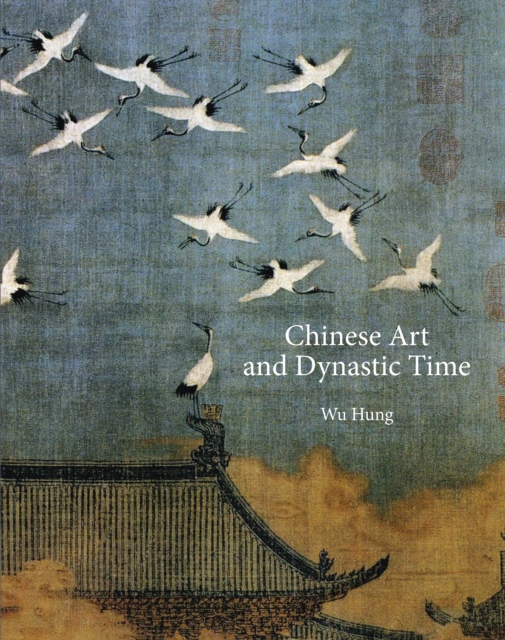
A sweeping look at Chinese art across the millennia that upends traditional perspectives and offers new pathways for art historyThroughout Chinese history, dynastic time-the organization of history through the lens of successive dynasties-has been the dominant mode of narrating the story of Chinese art, even though there has been little examination of this concept in discourse and practice until now.
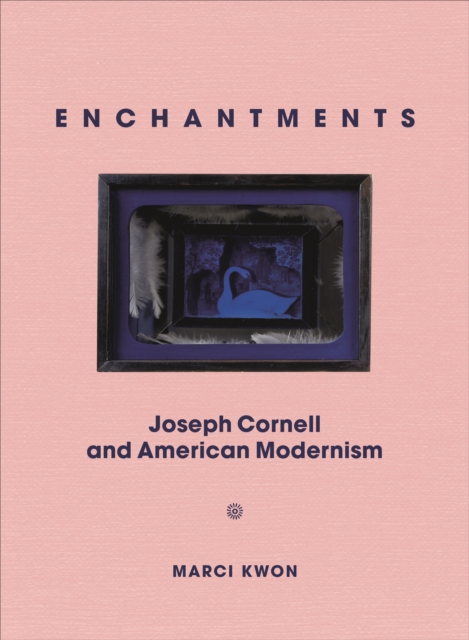
The first major work to examine Joseph Cornell's relationship to American modernismJoseph Cornell (1903-1972) is best known for his exquisite and alluring box constructions, in which he transformed found objects-such as celestial charts, glass ice cubes, and feathers-into enchanted worlds that blur the boundaries between fantasy and the commonplace.
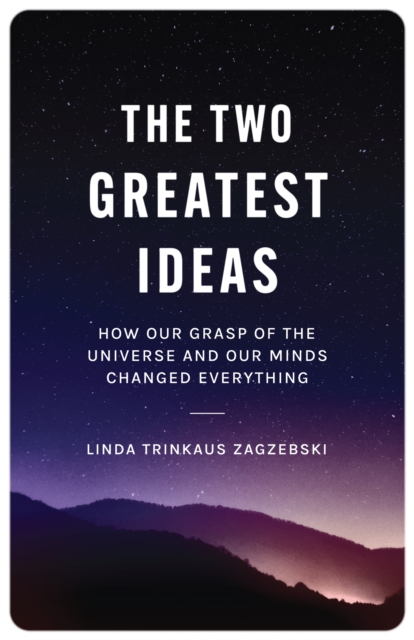
Two simple yet tremendously powerful ideas that shaped virtually every aspect of civilizationThis book is a breathtaking examination of the two greatest ideas in human history.
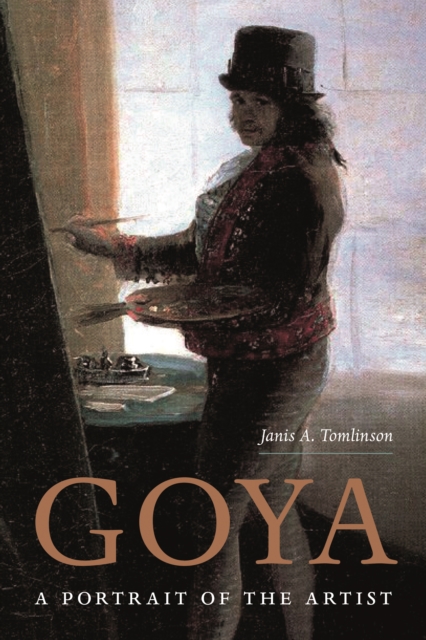
The first major English-language biography of Francisco Goya y Lucientes, who ushered in the modern eraThe life of Francisco Goya (1746-1828) coincided with an age of transformation in Spanish history that brought upheavals in the country's politics and at the court which Goya served, changes in society, the devastation of the Iberian Peninsula in the war against Napoleon, and an ensuing period of political instability.
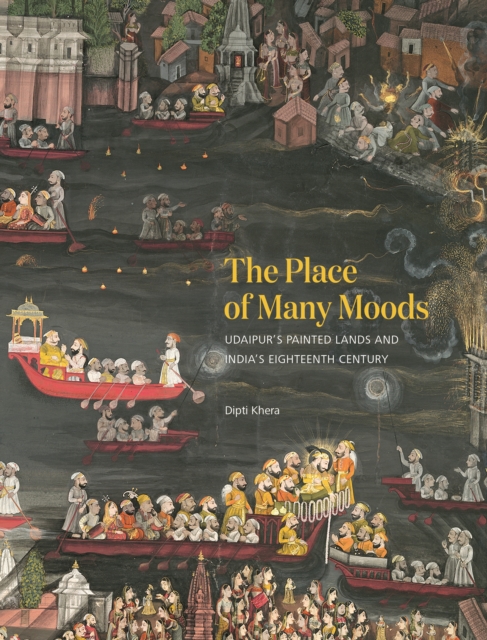
A look at the painting traditions of northwestern India in the eighteenth century, and what they reveal about the political and artistic changes of the eraIn the long eighteenth century, artists from Udaipur, a city of lakes in northwestern India, specialized in depicting the vivid sensory ambience of its historic palaces, reservoirs, temples, bazaars, and durbars.
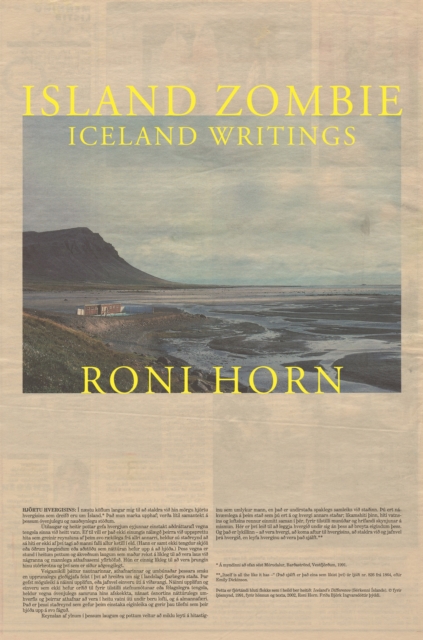
An evocative chronicle of the power of solitude in the natural worldI'm often asked, but have no idea why I chose Iceland, why I first started going, why I still go.
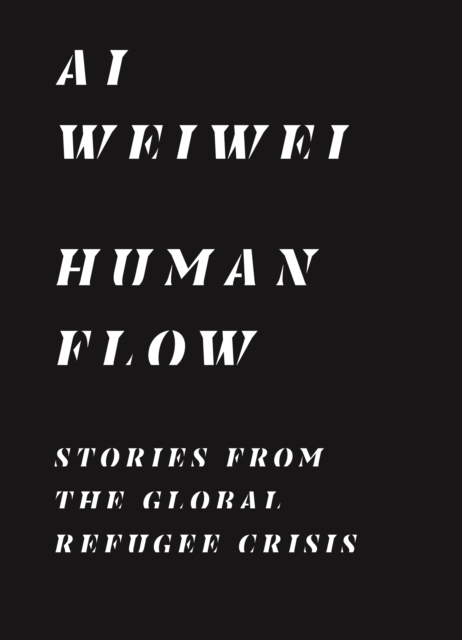
A powerful portrait of the greatest humanitarian emergency of our time, from the director of Human FlowIn the course of making Human Flow, his epic feature documentary about the global refugee crisis, the artist Ai Weiwei and his collaborators interviewed more than 600 refugees, aid workers, politicians, activists, doctors, and local authorities in twenty-three countries around the world.
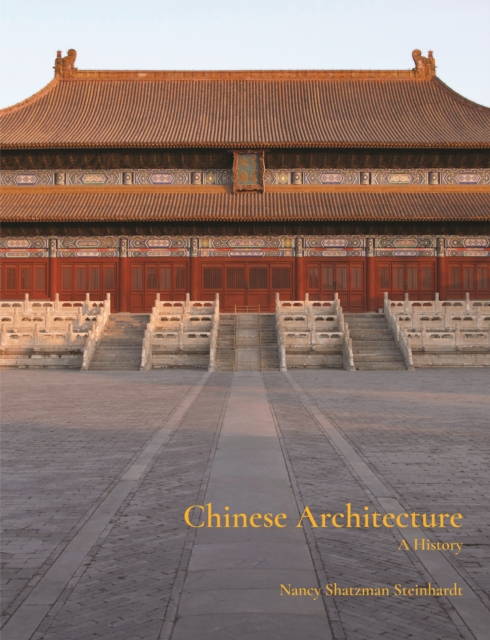
An unprecedented survey of the origins and evolution of Chinese architecture, from the last millennia BCE to todayThroughout history, China has maintained one of the world's richest built civilizations.
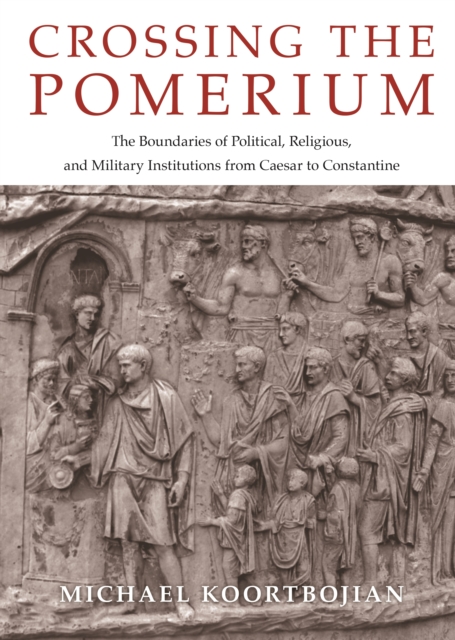
A multifaceted exploration of the interplay between civic and military life in ancient RomeThe ancient Romans famously distinguished between civic life in Rome and military matters outside the city-a division marked by the pomerium, an abstract religious and legal boundary that was central to the myth of the city's foundation.
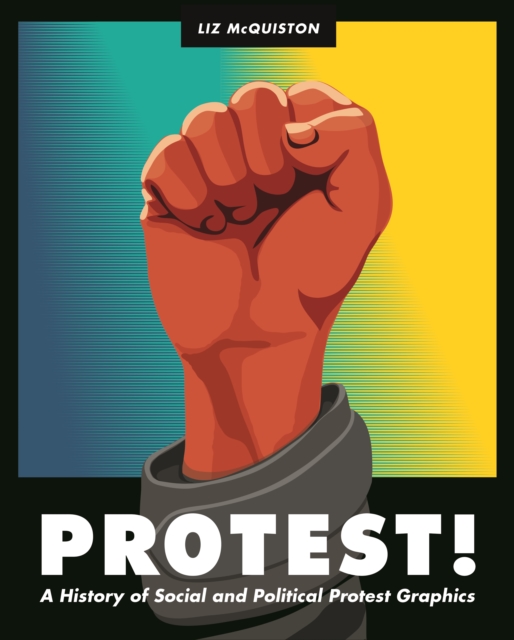
An authoritative, richly illustrated history of six centuries of global protest artThroughout history, artists and citizens have turned to protest art as a means of demonstrating social and political discontent.