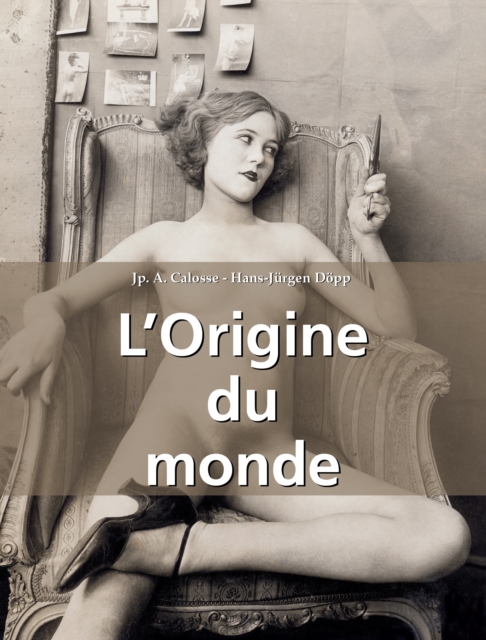
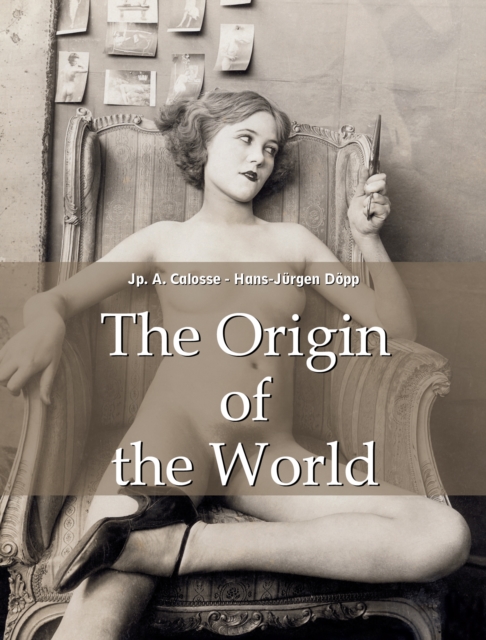
Der Psychoanalytiker Jacques Lacan war nicht nur letzter Besitzer von Courbets Der Ursprung der Welt, sondern war sich auch dessen anzüglichem Inhalt bewusst.
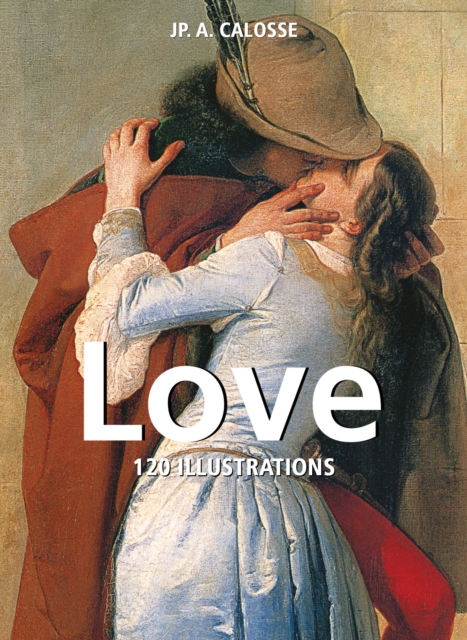
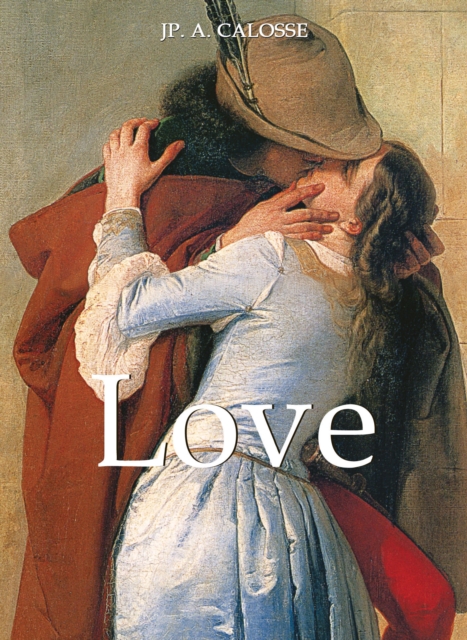
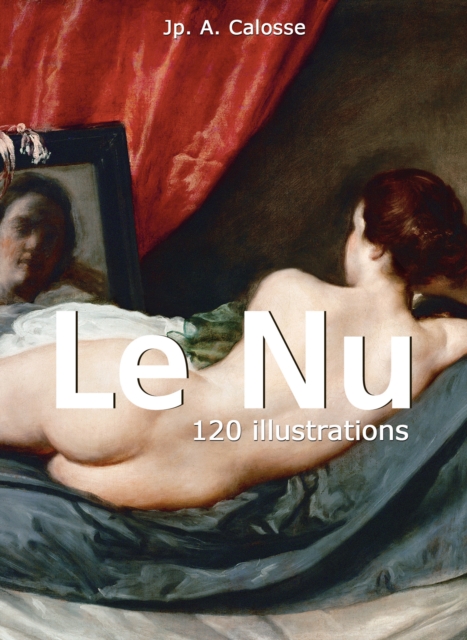
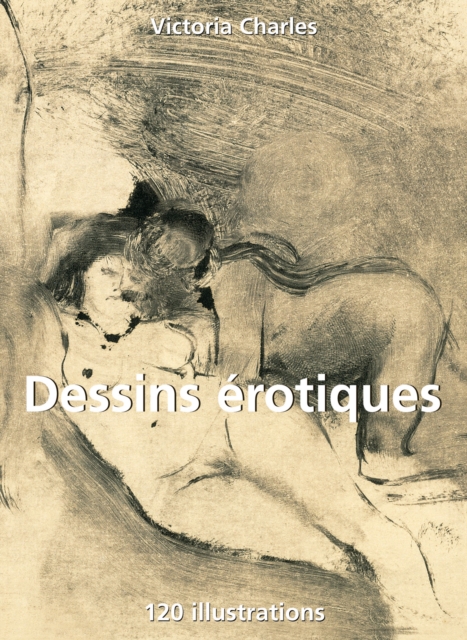
Just as there is a fundamental difference in the use of the words "e;naked"e; and "e;nude"e;, the unclothed body can evoke a feeling of delight or shame, serving as a symbol of contradictory concepts - beauty and indecency.
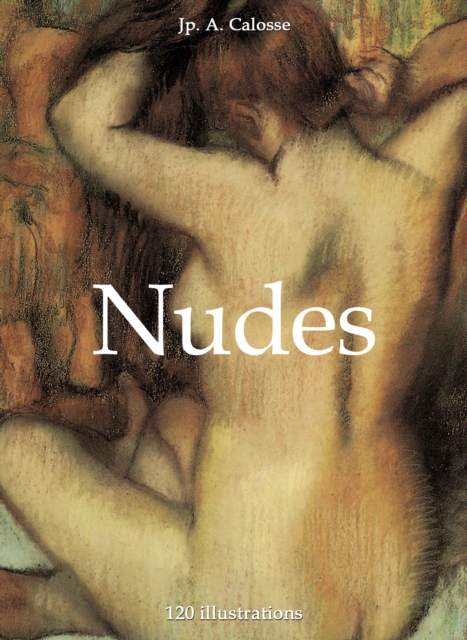
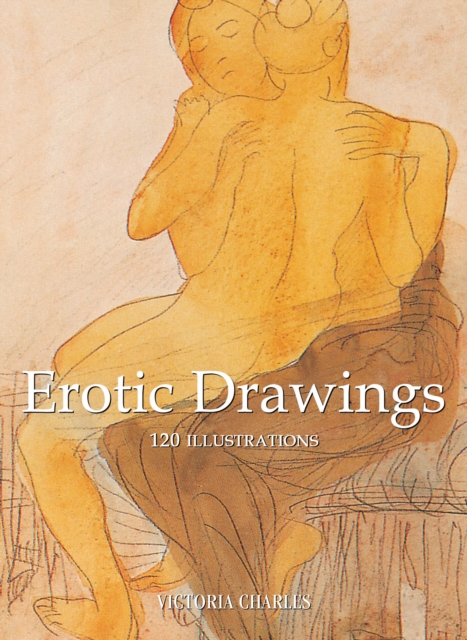
From Michelangelo to Rubens, Degas and Picasso, erotic art has attracted many great masters, who created works that captivate the beholder like few others.
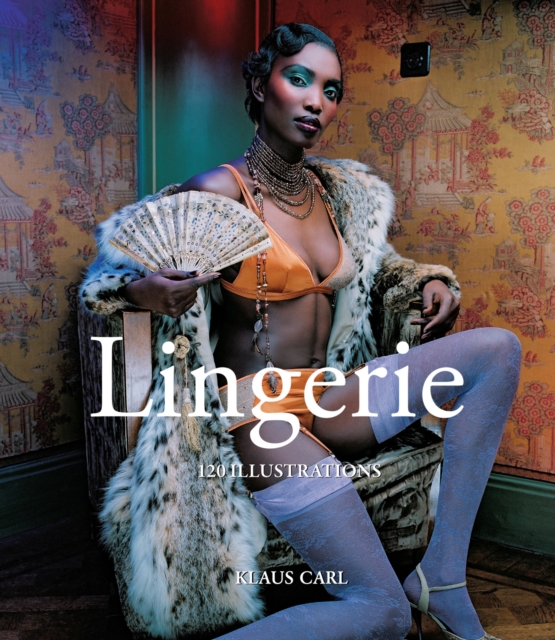
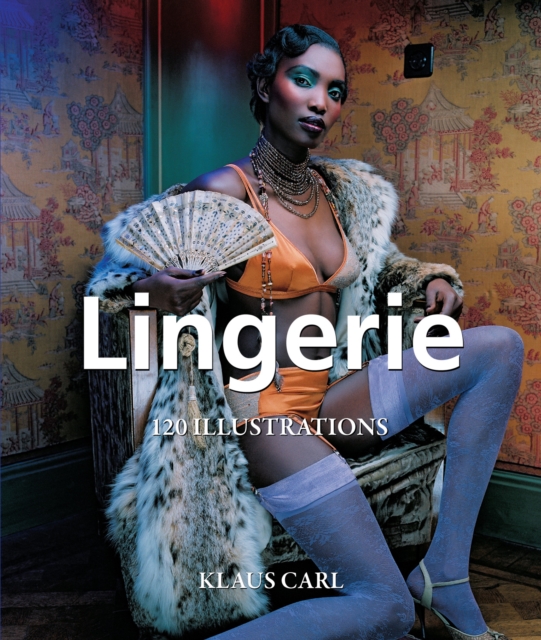
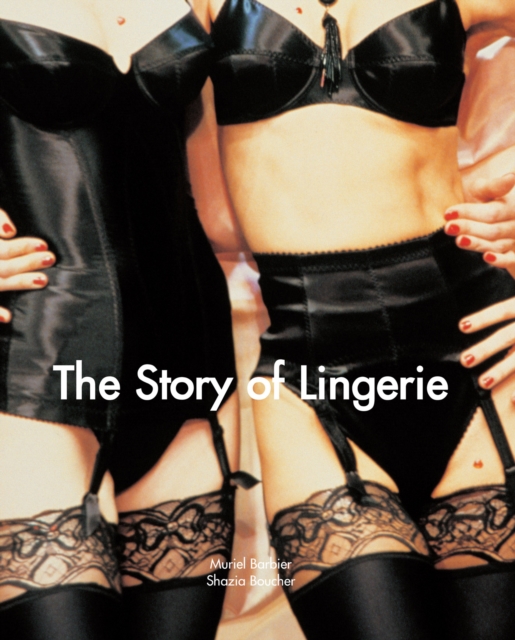
What do the thousands of images of bras and panties on perfectly sculpted bodies that we see spread across billboards and magazines say about our society?
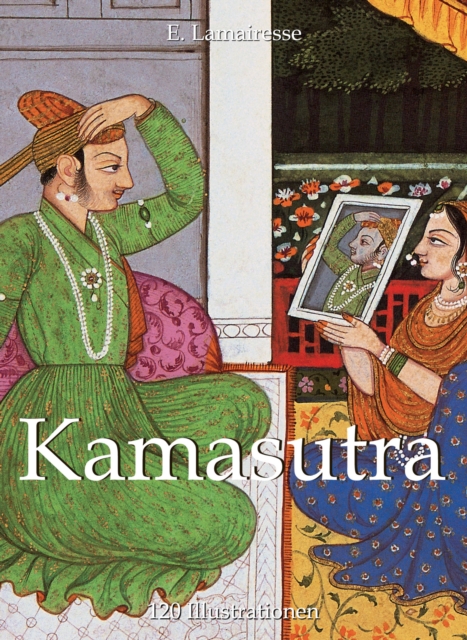
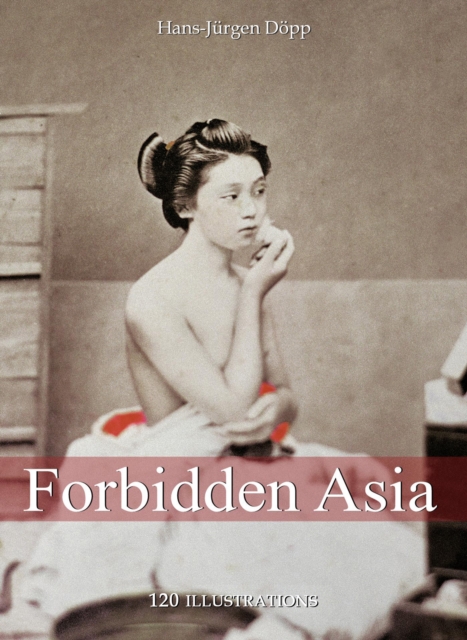
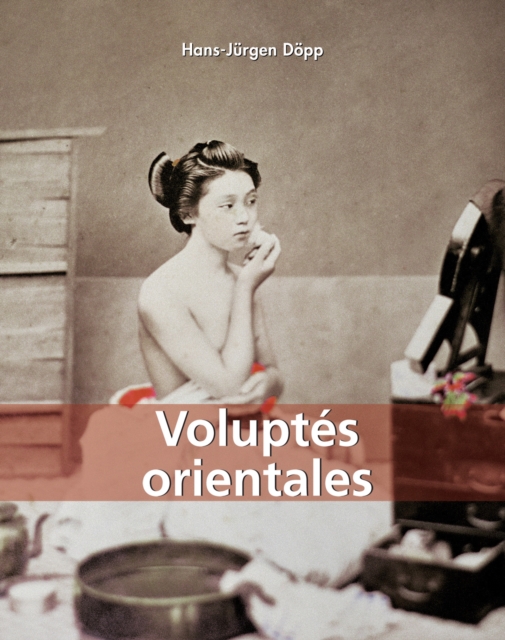
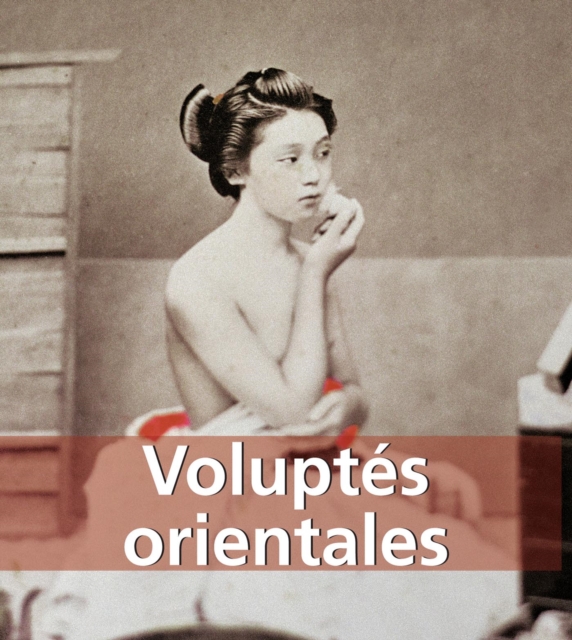
À l'inverse d'un Occident pudibond, l'Asie, et tout particulièrement l'Inde, a su développer une imagerie érotique aux antipodes de toute vulgarité vide de sens.
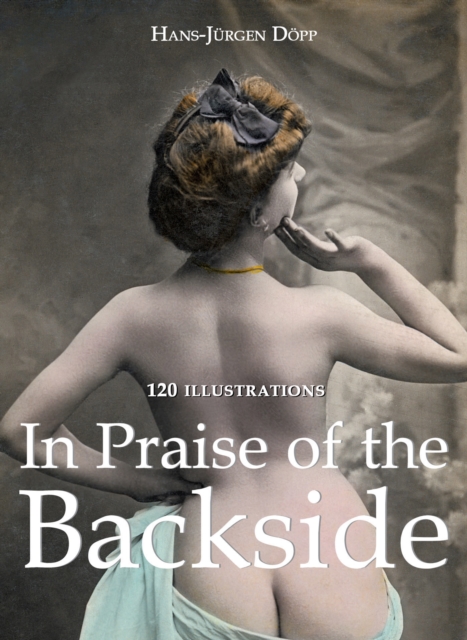
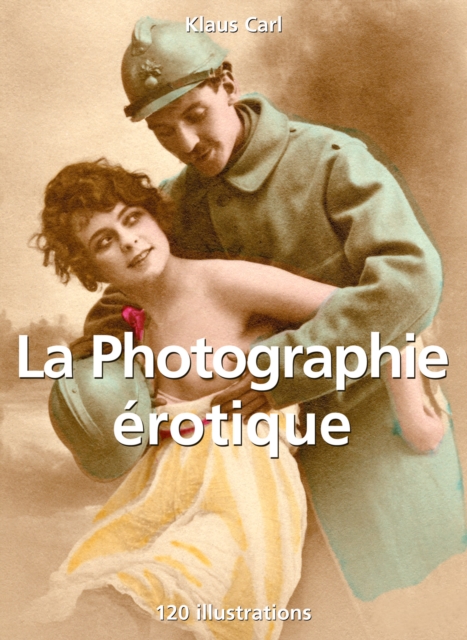
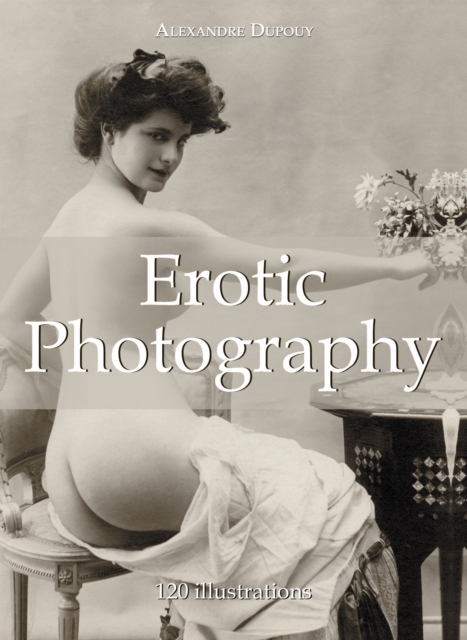
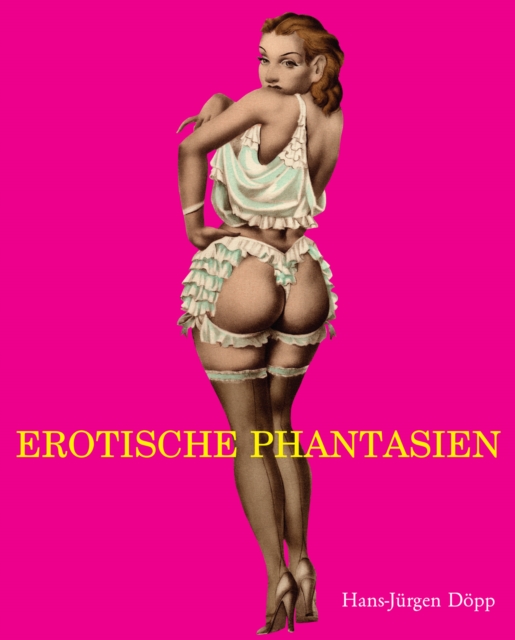
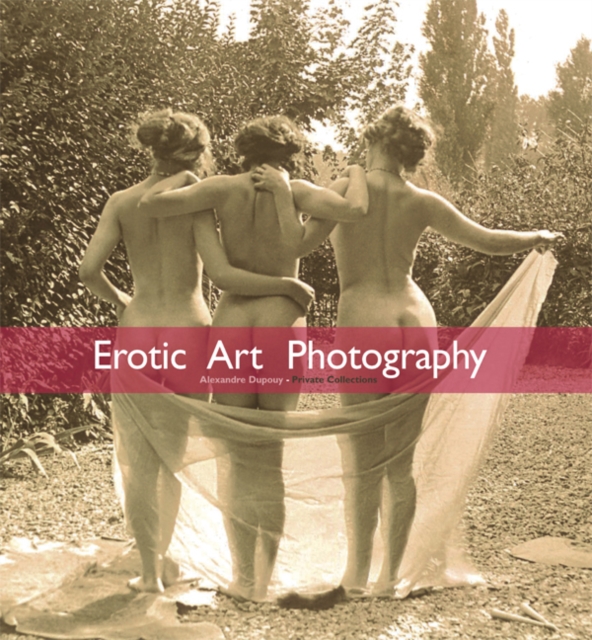
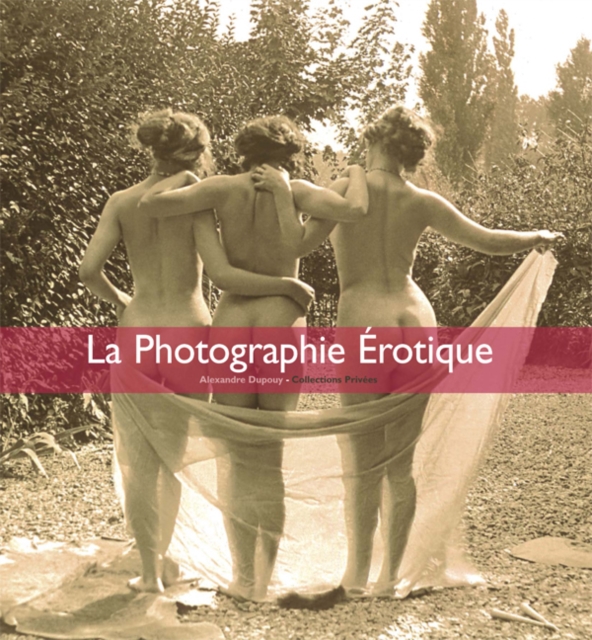
Seitdem Playboy und andere Illustrierte Fotografien des weiblichen Körpers für den modernen Massenmarkt erschlossen haben, hat die erotische Fotografie viel ihres künstlerischen Wertes eingebüßt.
L’ouvrage prend le contre-pied des magazines comme Play Boy qui ont contribué à développer des images du corps féminin formatées et liées à la consommation de masse.
Tout comme le mot « nu » peut avoir deux significations complètement différentes, un corps déshabillé peut provoquer un sentiment de plaisir ou de honte, servant de symbole à des concepts contradictoires, la beauté et l’indécence.
Quelle utilité ont les dessous féminins qui s'étalent aujourd'hui tant sur les affiches que dans les magazines, enveloppant des corps de femmes parfaites?
De Michel-Ange à Rubens, de Degas à Picasso, l’érotisme a toujours attiré les grands maîtres de l’art, qui créèrent des œuvres parmi les plus captivantes.
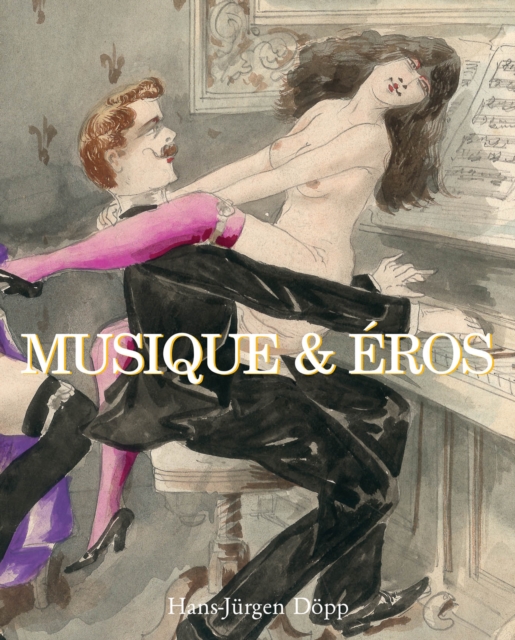
Seit sechs Jahrhunderten die Galanterie vermittelnd und als die Welthauptstadt der Mode und Liebe geltend, ist Paris das definitive Symbol der Erotik und Sexualität.
Amsterdam ist nicht nur für seine Grachten oder seine beeindruckenden Sammlungenmit Meisterwerken Rembrandts, Vermeers und van Goghs bekannt, sondern auch fürsein der Venus gewidmetes Museum, das jährlich mehr als 500 000 Besucher anzieht.
Amsterdam n’est pas sulement célèbre pour ses canaux, ni pour son impressionnantecollection de Rembrandt, Vermeer et Van Gogh, mais aussi pour son musée dédié à Vénus, qui accueille plus de 500 000 visiteurs par an.
Amsterdam is not only famous for its canals, nor for its impressive collections of paintings by Rembrandt, Vermeer, and Van Gogh, but also for its museum dedicated to Venus, which welcomes more than 500,000 visitors per year.
Mit dem Auftreten von Magazinen wie Playboy oder Penthouse, indenen die Körper der Frauen in Hochglanz-Form gebracht zu seinscheinen wie ein maschinell hergestelltes Produkt, ausgedacht, umes in möglichst großer Anzahl visuell einzusetzen, verlor dieerotische Fotografie ihre Adelsurkunden.
Quelle est l’utilité des dessous féminins qui s’affichent aujourd’huitant sur les affiches que dans les magazines, enveloppant des corps defemmes parfaites ?
Welche soziale Relevanz verbirgt sich hinter der knappen Bekleidung perfekt geformter Körper, die wir auf Plakaten und in Magazinen tagtäglich zu Hunderten zu sehen bekommen?
L’ouvrage prend le contre-pied des magazines comme Play Boy qui ont contribué à développer des images du corps féminin formatées et liées à la consommation de masse.