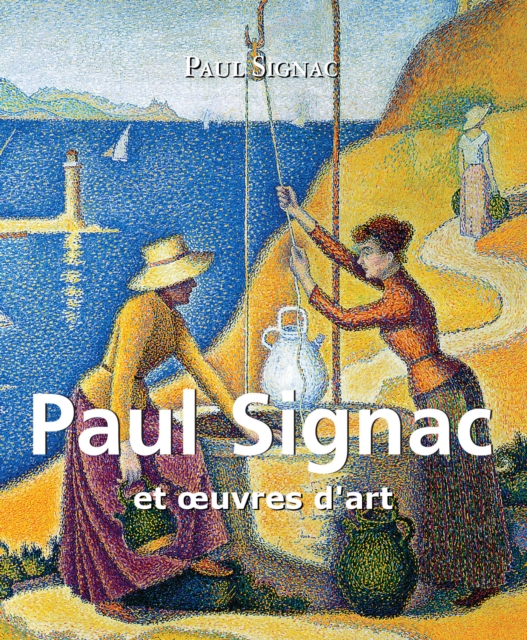
Inspiré dès son jeune âge par le travail de Monet, Paul Signac (1863-1935) était l’ami et le disciple de Georges Seurat qui a mélangé la précision scientifique du pointillisme aux couleurs vivantes et à l’émotion de l’impressionnisme.
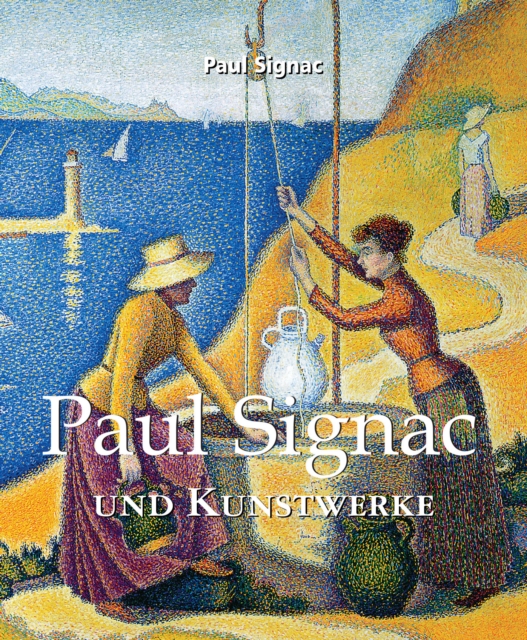
Paul Signac (1863-1935), in jungen Jahren von den Werken Monets inspiriert, war ein Freund und Kollege Georges Seurats, der die wissenschaftliche Präzision des Pointillismus mit der lebendigen Farbe und Emotion des Impressionismus verband.
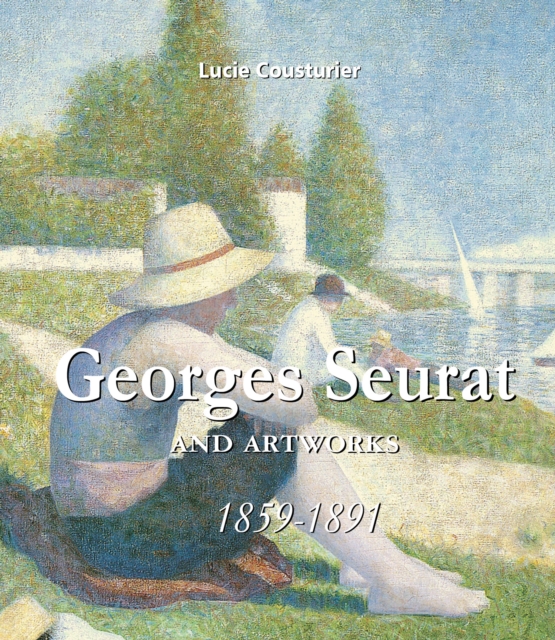
Universally celebrated for the intricacy of his pointillist canvases, Georges Seurat (1859-1891) was a painter whose stunning union of art and science produced uniquely compelling results.
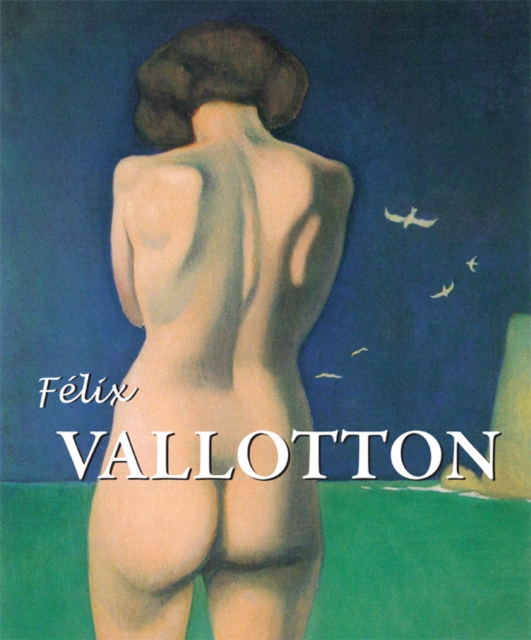
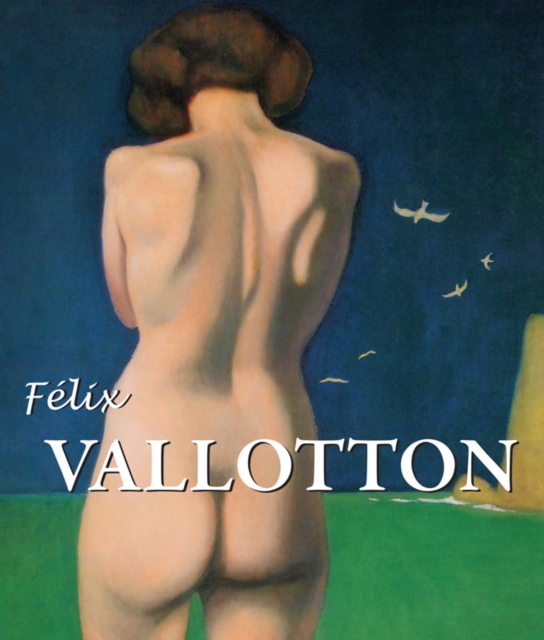
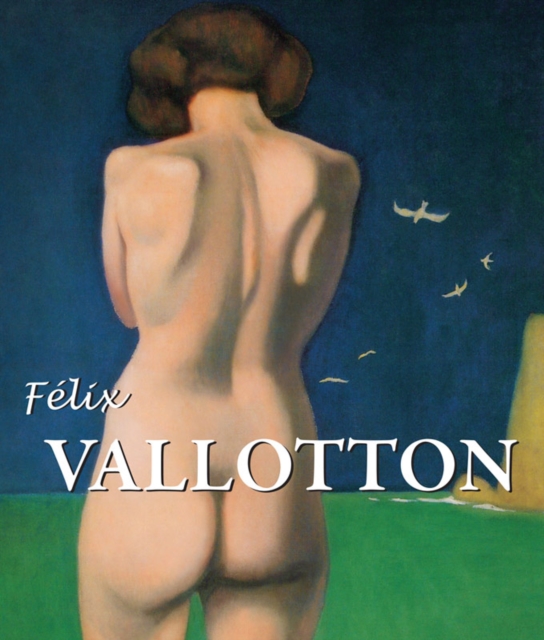
Félix Vallotton, né à Lausanne le 28 décembre 1865 et mort à Paris le 29 décembre 1925, est un artiste peintre, sculpteur et graveur sur bois Suisse, naturalisé Français en 1900.
Félix Vallotton (1865-1925) war ein französischer Künstler der Jahrhundertwende, dessen Werke bürgerliche Konventionen hinterfragten und den Geschlechterkampf thematisierten.
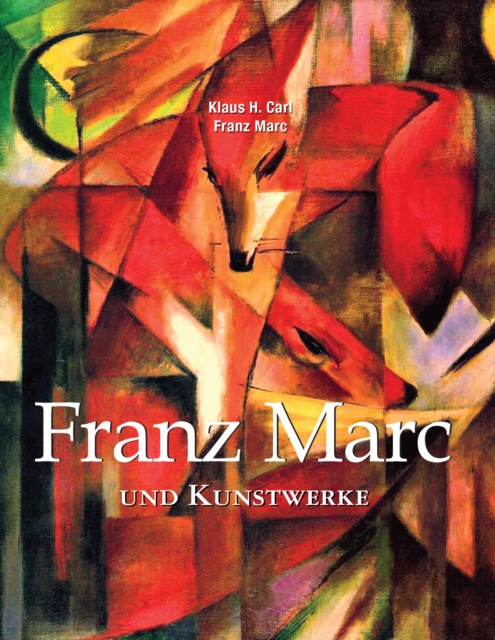
Franz Marc (1880-1916), bedeutender Künstler des deutschen Expressionismus und später von den Nationalsozialisten als entartet gebrandmarkt, war nicht nur ein enger Freund Wassily Kandinskys, sondern auch Mitbegründer des Künstleralmanachs Der Blaue Reiter„.
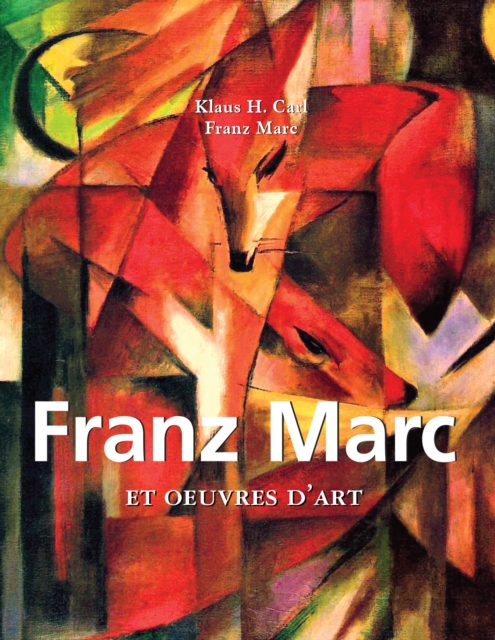
Condamné par les Nazis comme étant un artiste « dégénéré », Franz Marc (1880-1916) est un peintre allemand dont l’utilisation des lignes sèches et de la couleur exprime de manière éloquente la douleur et le traumatisme de la guerre.
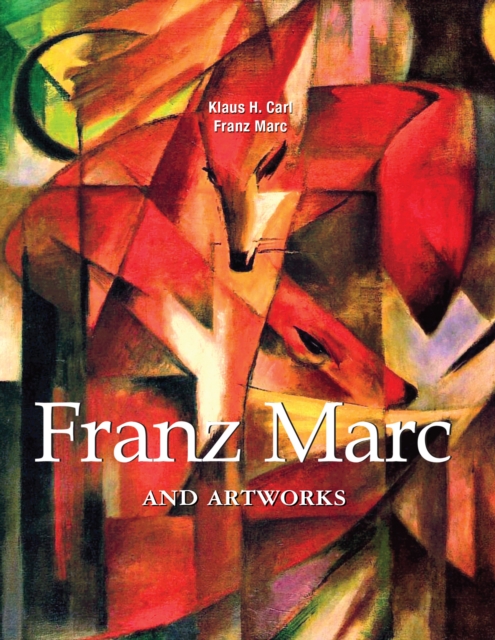
Condemned by the Nazis as a degenerate artist, Franz Marc (1880-1916) was a German painter whose stark linearity and emotive use of color eloquently expressed the pain and trauma of war.
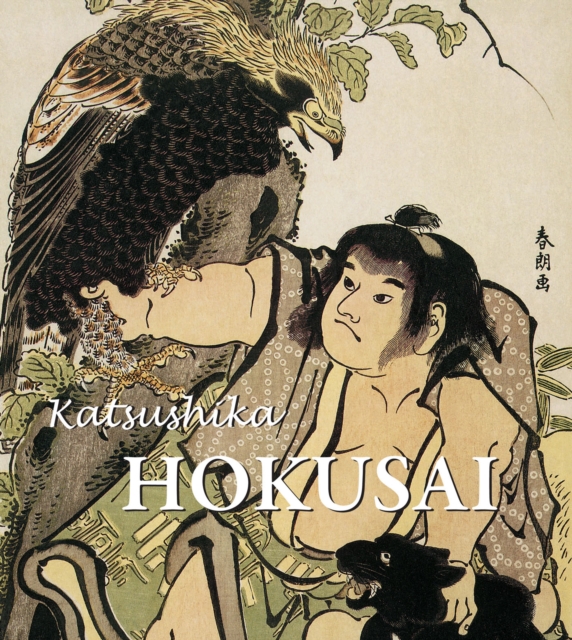
Without a doubt, Katsushika Hokusai is the most famous Japanese artist since the middle of the nineteenth century whose art is known to the Western world.
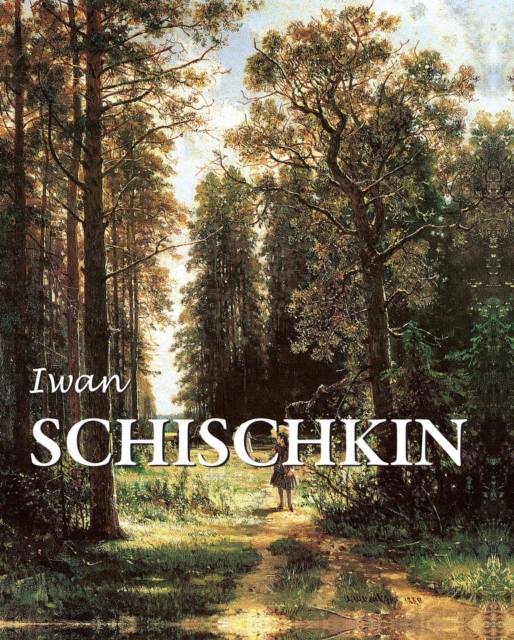
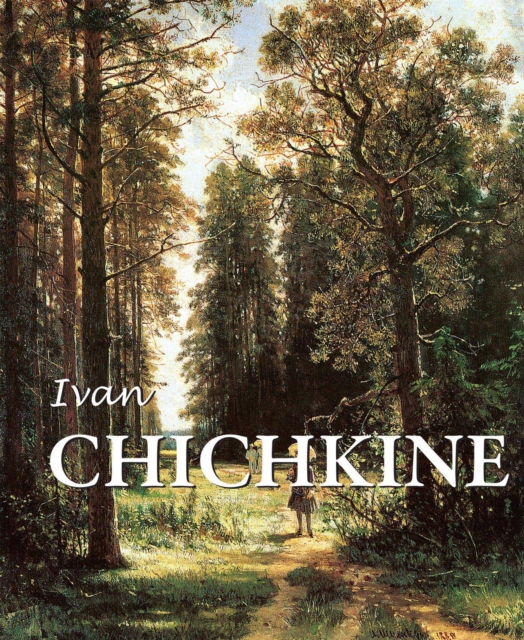
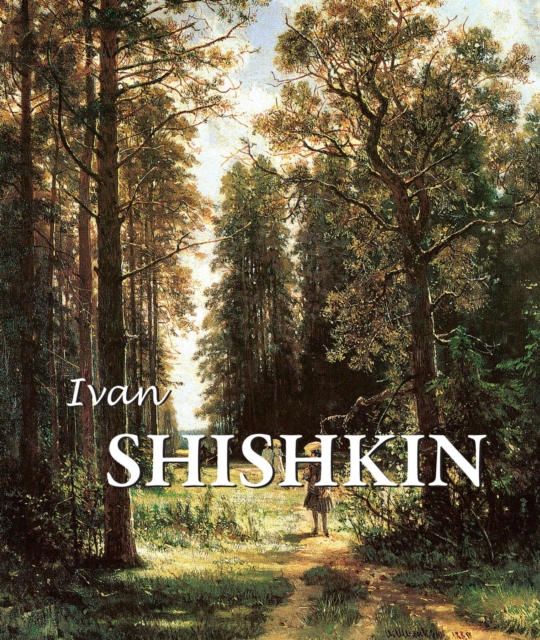
Die russischen Landschaften gehören zu den schönsten der Welt, mit den berühmten Wildblumenteppichen in den Wäldern im Frühling und der eisigen Wintertundra, die das Vordringen Napoleons und Hitlers vereitelte, bilden sie die Kulisse für so viele bekannte Szenen der russischen Literatur.
La campagne russe est l’une des plus charmantes du monde pour ses célèbres étendues de fleurs sauvages qui lui donnent un air de forêt au printemps, pour les hivers polaires de la toundra qui triomphèrent sur l’avancée de Napoléon ou Hitler et qui seront le cadre de nombreuses scènes célèbres de la littérature russe.
Russian countryside is some of the world's most lovely, from the celebrated explosions of wild flowers that fill its forests in the spring, to the icy winter tundra that defeated the advances of Napoleon and Hitler, and provided the backdrop for the drama of many of Russian literature's celebrated scenes.
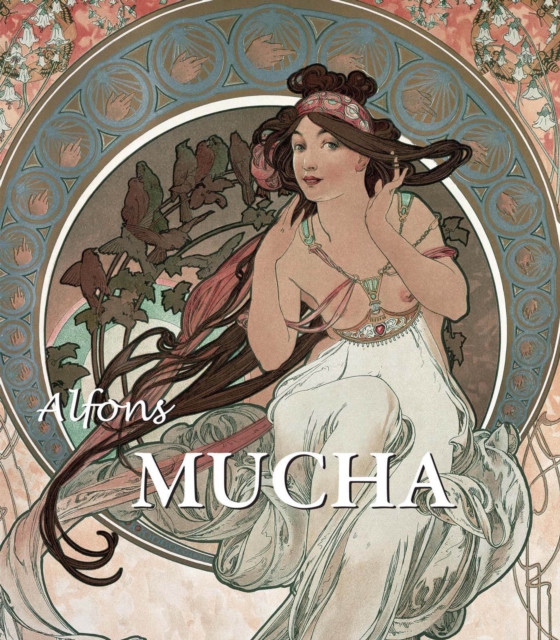
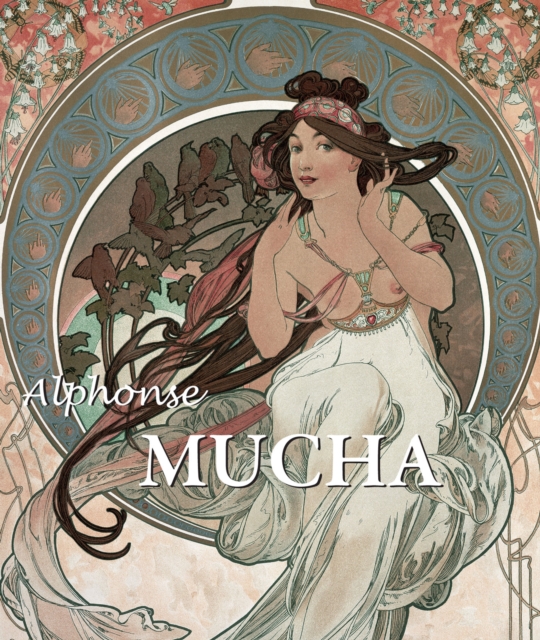
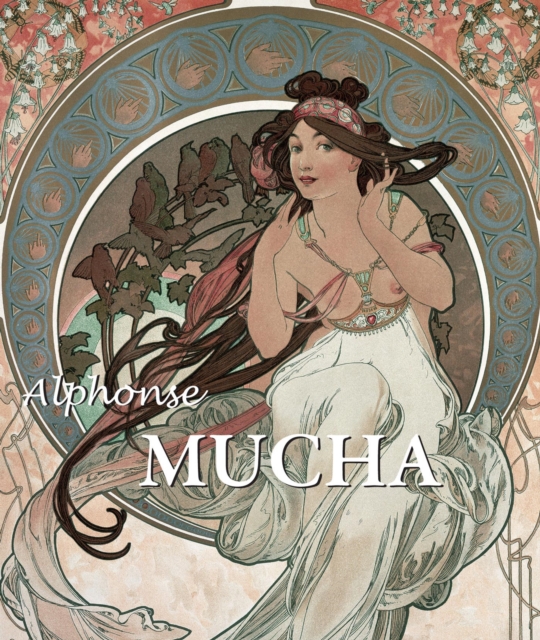
Born in 1860 in a small Czech town, Alphonse Mucha (1860-1939) was an artist on the forefront of Art Nouveau, the modernist movement that swept Paris in the 1910s, marking a return to the simplicity of natural forms, and changing the world of art and design forever.
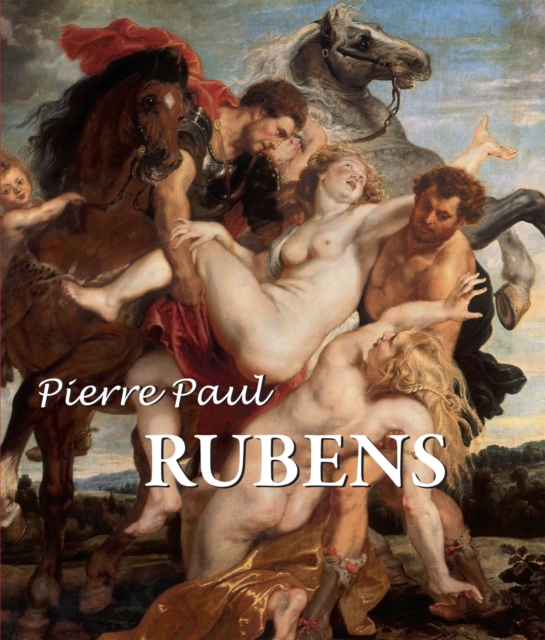
Mondialement célèbre pour ses nus sensuels, aux formes généreuses, Pierre Paul Rubens (1577-1640), était un artiste dont la préoccupation première était la sensualité.
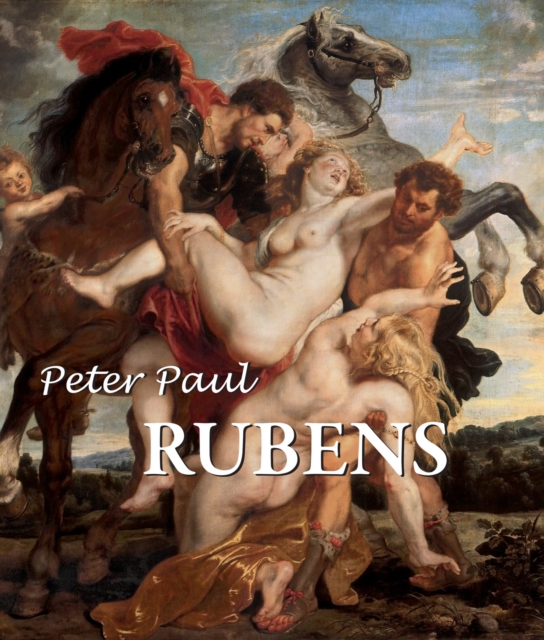
Universally celebrated for his rosy and concupiscent nudes, Peter Paul Rubens (1577-1640) was an artist whose first concern was sensuality in all its forms.
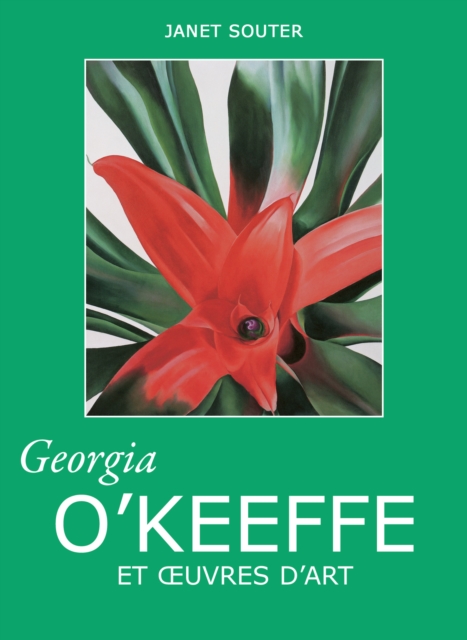
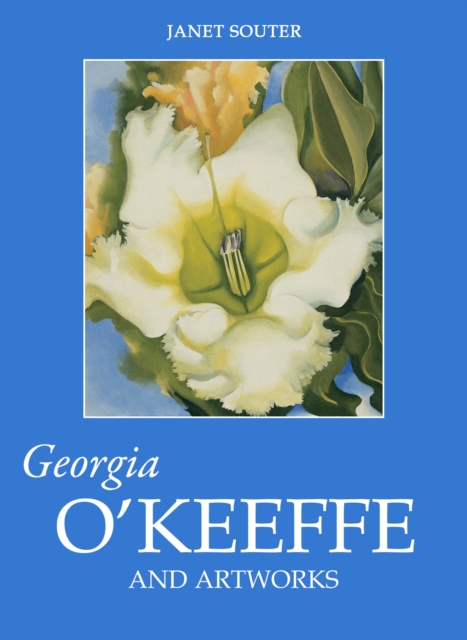
Georgia O’Keeffe (Sun Prarie, Wisconsin, 1887 – Santa Fe, 1986)En 1905, Georgia O’Keeffe suivit des cours à l’ Art Institute de Chicago et débuta sérieusement sa carrière artistique.
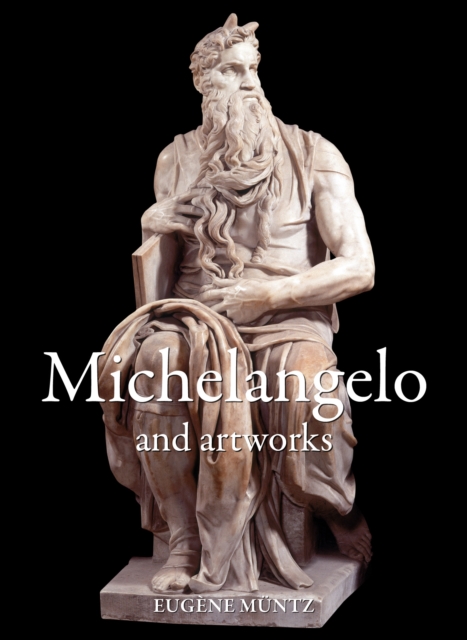
Michelangelo, like Leonardo, was a man of many talents; sculptor, architect, painter and poet, he made the apotheosis of muscular movement, which to him was the physical manifestation of passion.
Michel-Ange (Michelangelo Buonarroti) (Caprese, 1475 – Rome, 1564)Michel-Ange, comme Léonard de Vinci, avait plusieurs cordes à son arc et était à la fois sculpteur, architecte, peintre et poète.
Ernst Ludwig Kirchner (Aschaffenburg, 1880 – Frauenkirch, 1938)«Leader » autoproclamé du groupe d’artistes die Brücke (Pont), fondé à Dresde en 1905, Ernst Ludwig Kirchner, joua un rôle central dans les premiers développements de l’expressionnisme allemand (fig.
Ornans, Courbet's birthplace, is near the beautiful valley of the Doubs River, and it was here as a boy, and later as a man, that he absorbed the love of landscape.
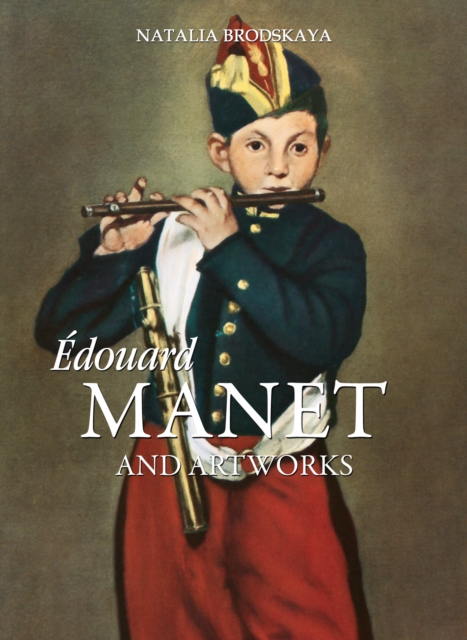
Manet is one of the most famous artists from the second half of the nineteenth century linked to the impressionists, although he was not really one of them.