Two veteran journalists tell the inside story of convicted hate-monger Abu Hamza, his infamous Finsbury Park Mosque and how it turned out a generation of militants willing to die - and kill - for their cause.
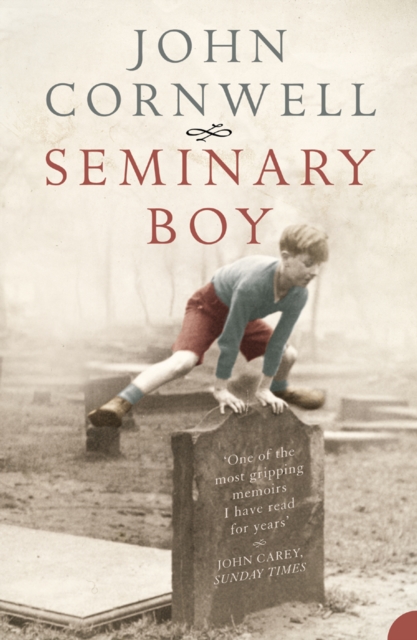
One of the most extraordinary memoirs of recent years, the acclaimed writer John Cornwell has finally written his own story, and the story of a choice he had to make between the Church and a life lived outside its confines.
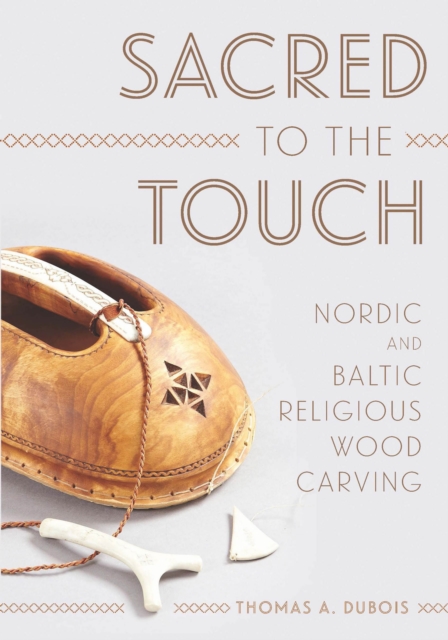
With near-mythical forests of birch and pine, the Nordic and Baltic countries boast a rich tradition of religious wood carving that is in many ways emblematic of their cultures.
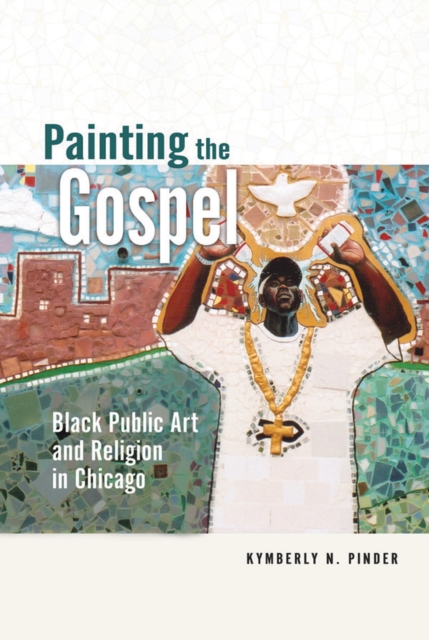
Innovative and lavishly illustrated, Painting the Gospel offers an indispensable contribution to conversations about African American art, theology, politics, and identity in Chicago.
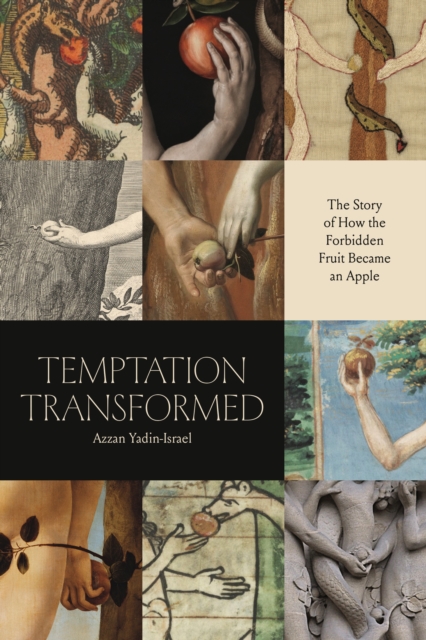
A "e;brisk and entertaining"e; (Wall Street Journal) journey into the mystery behind why the forbidden fruit became an apple, upending an explanation that stood for centuries.
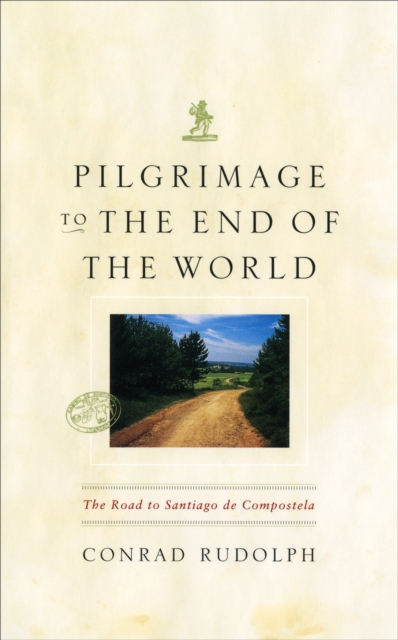
Traveling two and a half months and one thousand miles along the ancient route through southern France and northern Spain, Conrad Rudolph made the passage to the holy site of Santiago de Compostela, one of the most important modern-day pilgrimage destinations for Westerners.
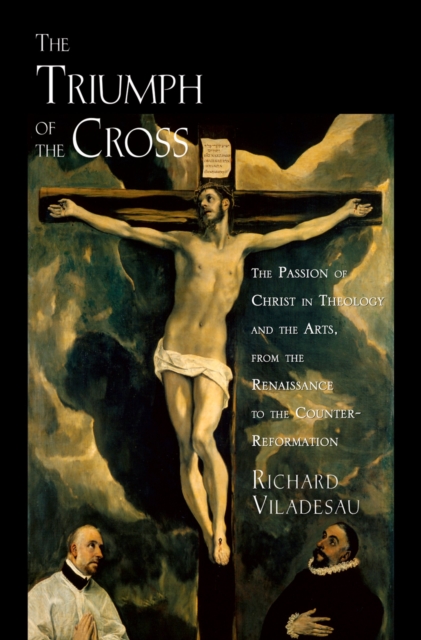
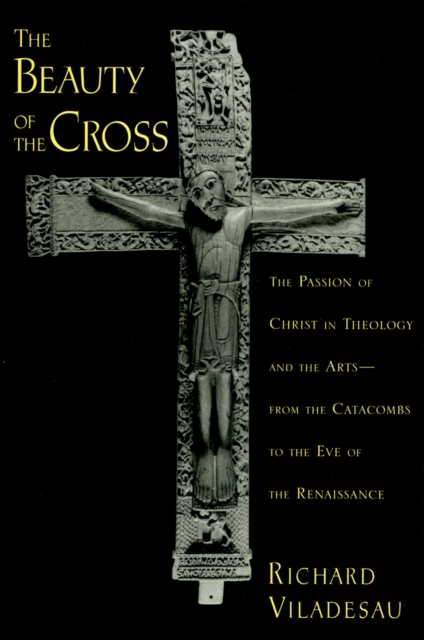
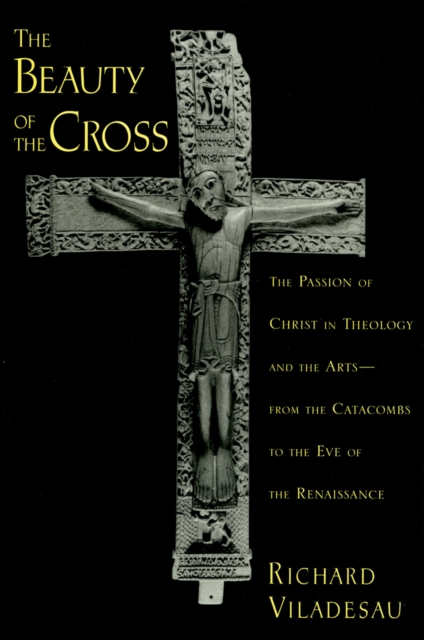
This is a sequel to Richard Viladesau's well-received study, The Beauty of the Cross: The Passion of Christ in Theology and the Arts from the Catacombs to the Eve of the Renaissance.
This is a sequel to Richard Viladesau's well-received study, The Beauty of the Cross: The Passion of Christ in Theology and the Arts from the Catacombs to the Eve of the Renaissance.
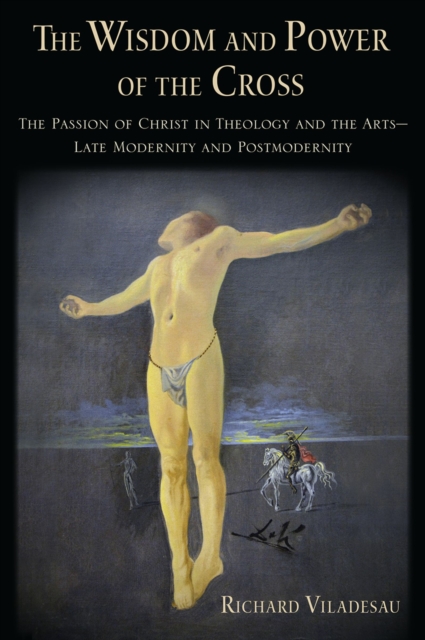
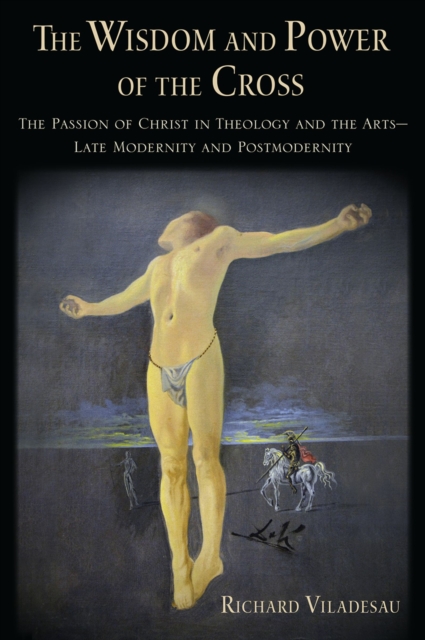
The Wisdom and Power of the Cross is the fifth and final entry in Richard Viladesau's well-regarded series on the theology of the cross, from the historical crucifixion of Jesus to the present day.
The Wisdom and Power of the Cross is the fifth and final entry in Richard Viladesau's well-regarded series on the theology of the cross, from the historical crucifixion of Jesus to the present day.
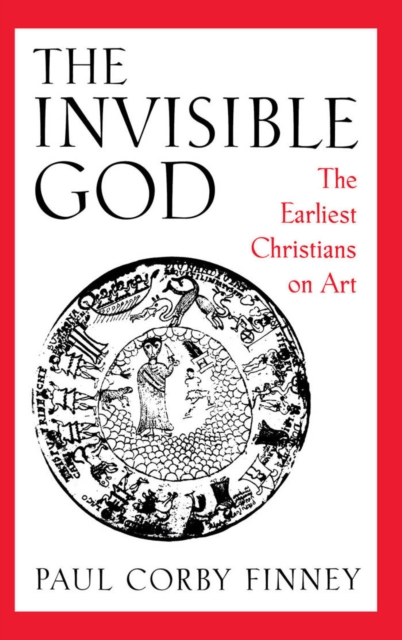
This revisionist study challenges the received opinion that in its earliest manifestations Christianity was a form of religiosity opposed both on principle and in fact to the use of pictures.
In this lavishly illustrated book, David Morgan surveys the visual culture that shaped American Protestantism in the nineteenth and twentieth centuries--a vast record of images in illustrated bibles, Christian almanacs, children's literature, popular religious books, charts, broadsides, Sunday school cards, illuminated devotional items, tracts, chromos, and engravings.
Christian images have a long history within the Western art tradition from the narrative and devotional works of the Medieval and Renaissance periods, to the radical new interpretations of the twenty-first century.
Arguably the pre-eminent European sculptor of his age, but historically considered little more than the facile court sculptor to the grand dukes of Florence, Giambologna played a major role in the artistic transformations of the late sixteenth century.
In the last decades of the nineteenth century, urgent and unprecedented demands among oppressed peoples in colonial India drove what came to be called 'mass conversion movements' towards a range of Christian denominations, launching a revolution in South Asia's two thousand-year Christian history.
Robert Frykenberg's insightful study explores and enhances historical understandings of Christian communities, cultures, and institutions within the Indian world from their beginnings down to the present.
Christian images have a long history within the Western art tradition from the narrative and devotional works of the Medieval and Renaissance periods, to the radical new interpretations of the twenty-first century.
For two-and-a-half millennia these two psalms have been commented on, translated, painted, set to music, employed in worship, and adapted in literature, often being used disputatiously by Jews and Christians alike.
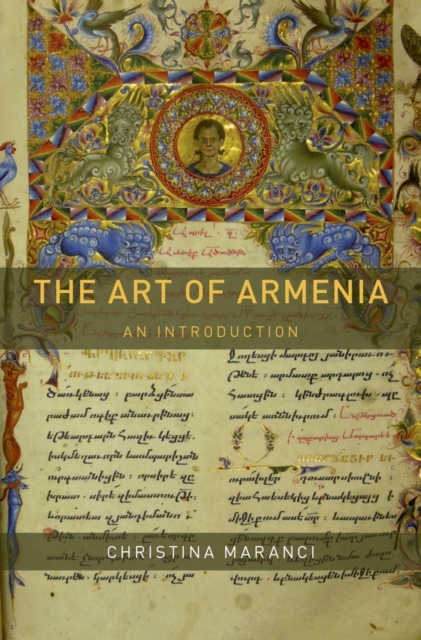
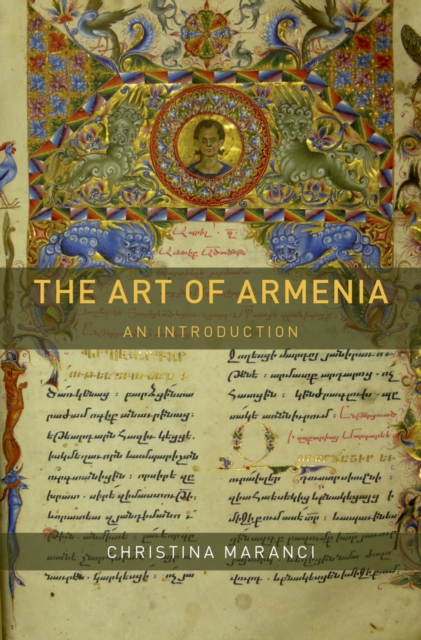
Though immediately recognizable in public discourse as a modern state in a political "e;hot zone,"e; Armenia has a material history and visual culture that reaches back to the Paleolithic era.
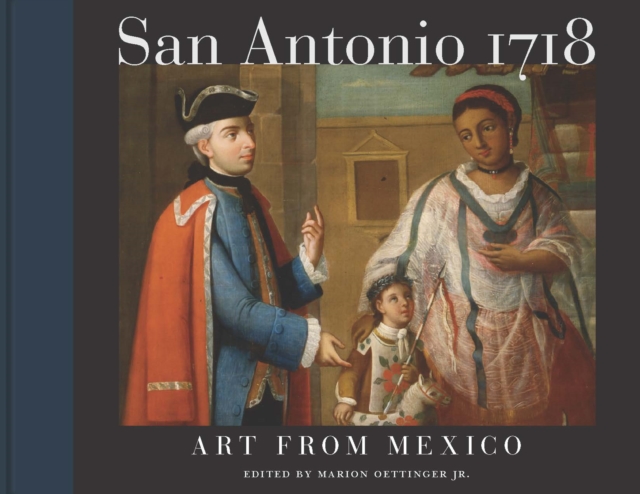
Three hundred years ago San Antonio was founded as a strategic outpost of presidios and missions on the edge of northern New Spain, imposing Spanish political and religious principles on this contested, often hostile region.
In this lavishly illustrated book, David Morgan surveys the visual culture that shaped American Protestantism in the nineteenth and twentieth centuries--a vast record of images in illustrated bibles, Christian almanacs, children's literature, popular religious books, charts, broadsides, Sunday school cards, illuminated devotional items, tracts, chromos, and engravings.
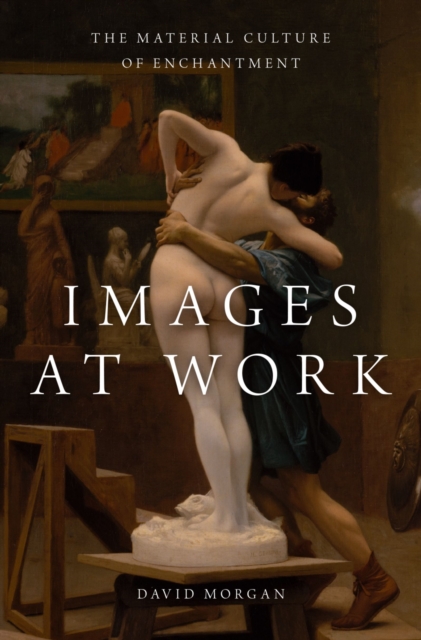
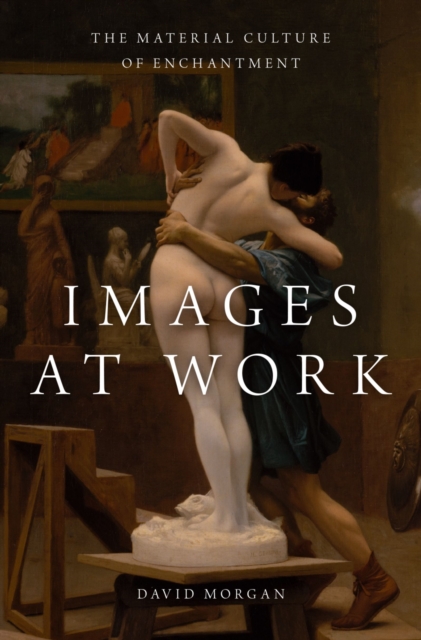
Images can be studied in many ways--as symbols, displays of artistic genius, adjuncts to texts, or naturally occurring phenomena like reflections and dreams.
Images can be studied in many ways--as symbols, displays of artistic genius, adjuncts to texts, or naturally occurring phenomena like reflections and dreams.
Though immediately recognizable in public discourse as a modern state in a political "e;hot zone,"e; Armenia has a material history and visual culture that reaches back to the Paleolithic era.
Dieser Eranos-Band zum Thema Apokalypse ist ein Plädoyer für den Aufbruch des inneren Menschen durch Bewusstseinswandlung und eine neue Haltung zum Göttlich-Geistigen.