Spanning from the classical sculpture of Ancient Rome to contemporary performance art, this vibrantly illustrated guide provides a rich overview of art history, covering many topics explored in a history of art degree.
THE NEW YORK TIMES BESTSELLER***AS READ ON RADIO 4***The bestselling, prizewinning author of How to Live and At the Existentialist Caf explores 700 years of writers, thinkers, scientists and artists, all trying to understand what it means to be truly human.
This introduction to light for students and visual artists explores the way light can be used to create realistic and fantastical effects in a wide range of media.
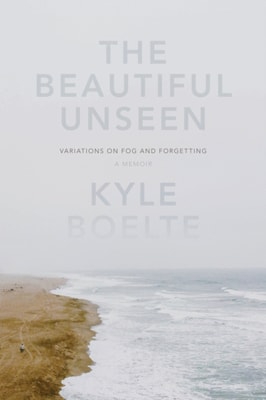
At age thirty, Kyle Boelte finds himself living in San Francisco, where the summer fog blows inland off the ocean and the landscape changes moment to moment.
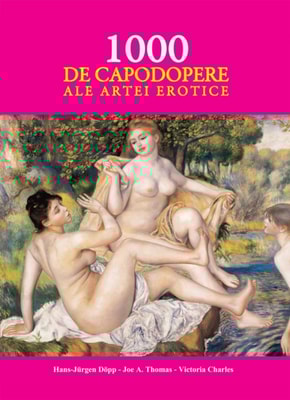
Istoria ne-a demonstrat că imaginile erotice, fie ele acceptate sau respinse, au scos în evidenţă idei noi ale erotismului, aşa cum se poate observa şi în reproducerile din această carte.
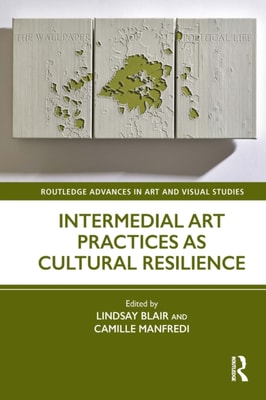
This innovative collection of essays is focused on the idea of transmedialization: the ways that the traditional forms of the predominantly oral cultures of Scotland and Brittany (poetry, song and story) can be transformed by the use of hybrid forms and new digital technologies.
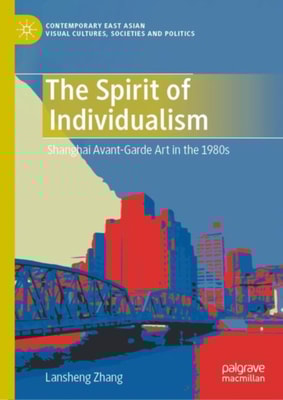
This book is about avant-garde art in Shanghai in the 1980s which challenges the narrative in the current discourse on the appearance of contemporary art in China.
For award-winning science writer and photographer Margie Patlak, exploring the unique nature of the Maine coast opens a door to deeper ties and insights.
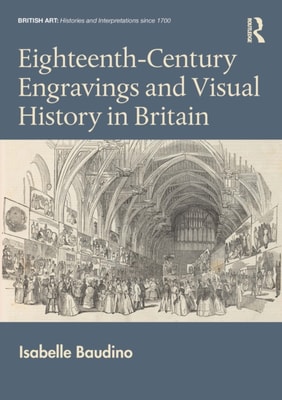
Extending the scholarly discussion of visual history, this book examines eighteenth-century engraved book illustrations in order to outline the genealogy of the modern visualisation of the past in Britain.
Extending the scholarly discussion of visual history, this book examines eighteenth-century engraved book illustrations in order to outline the genealogy of the modern visualisation of the past in Britain.
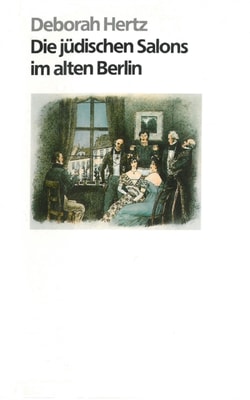
In der von eiserner Staatsraison und beinahe militärischer Staatsdisziplin geprägten preußischen Geschichte hat Deborah Hertz das deutsch-jüdische Salonleben als eine einzigartige kulturelle Ausnahmesituation wiederentdeckt.
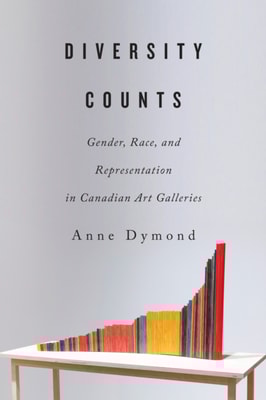
Despite the common belief that art galleries will naturally become more gender equitable over time, the fact is that many art institutions in Canada have become even less so over the last decade, with female artists making up less than 25 per cent of the contemporary exhibitions of several major galleries.
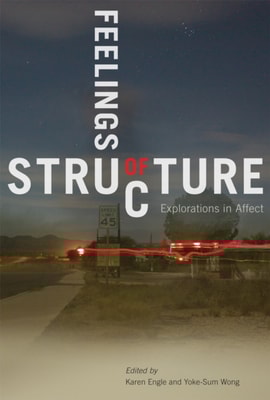
Sweatsuits and the apocalypse, the demands of a sofa, a life recalled through window frames, whale watching through cancer, the serendipity of geographical names in Feelings of Structure, these are just some of the spaces and places, memories, and experiences addressed by the authors in writings that are multilevel explorations of the tangled-up nature of feeling and structure.
Despite the common belief that art galleries will naturally become more gender equitable over time, the fact is that many art institutions in Canada have become even less so over the last decade, with female artists making up less than 25 per cent of the contemporary exhibitions of several major galleries.
Sweatsuits and the apocalypse, the demands of a sofa, a life recalled through window frames, whale watching through cancer, the serendipity of geographical names .
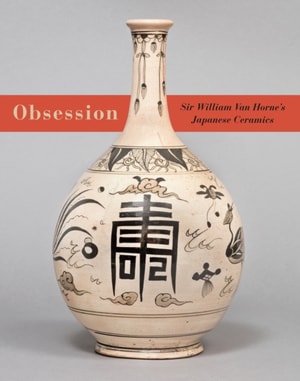
Sir William Van Horne (1843-1915), a gifted connoisseur most famously associated with the building of the Canadian Pacific Railway, amassed of one of the most extensive collections of Japanese ceramics in North America.
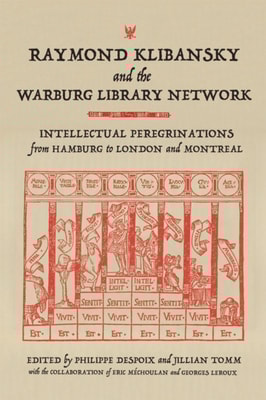
The Warburg Institute, founded in the 1920s in Hamburg by art and cultural historian Aby Warburg, is a pioneering institution that has greatly shaped the fields of art, myth, religion, medicine, philosophy, and intellectual history.
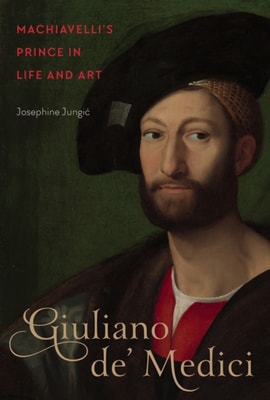
Most modern historians perpetuate the myth that Giuliano de' Medici (1479-1516), son of Lorenzo the Magnificent, was nothing more than an inconsequential, womanizing hedonist with little inclination or ability for politics.
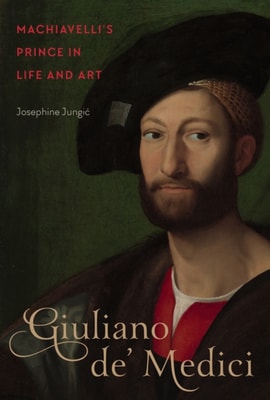
Most modern historians perpetuate the myth that Giuliano de' Medici (1479-1516), son of Lorenzo the Magnificent, was nothing more than an inconsequential, womanizing hedonist with little inclination or ability for politics.