The Canada Council for the Arts is the country's largest provider of grants for artists and arts organizations, benefiting not only writers, visual artists, performers, and musicians but Canadian culture as a whole.
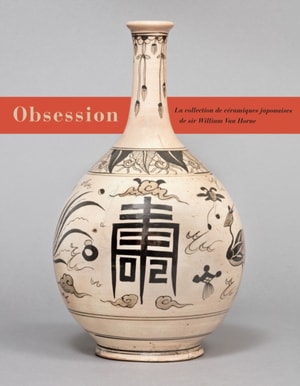
Sir William Van Horne (1843–1915), connaisseur bourré de talent dont la renommée est surtout attribuable à sa contribution à la construction du Chemin de fer Canadien Pacifique, a assemblé l’une des collections les plus complètes de céramiques japonaises en Amérique du Nord.
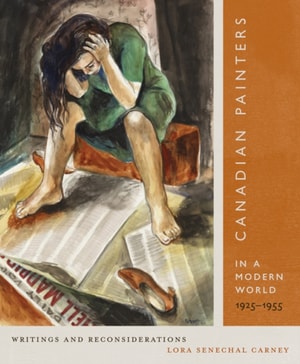
From the Roaring Twenties and the Group of Seven to the Automatistes and the early Cold War, Canadian artists lived through and embodied an era of global tumult and change.
Girls and Our DestinyShaping the Future includes a global overview of girl child issues stemming from gender discrimination and explores the root causes for this disparity.
This book presents over 20 authors' reflections on 'curating care' - and presents a call to give curatorial attention to the primacy of care for all life and for more 'caring curating' that responds to the social, ecological and political analysis of curatorial caregiving.
Restless Infections is an innovative collection of critical essays exploring artistic interventions in urban spaces, focusing on place-making and the politics of space in post-colonial South Africa.
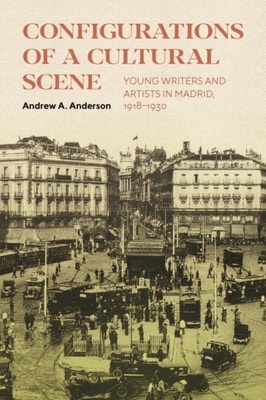
Throughout the 1920s, a remarkable number of young writers and artists lived and worked in Madrid, creating an atmosphere of effervescence and an upsurge in creativity that has rarely been equalled.
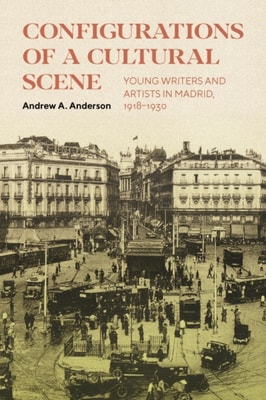
Throughout the 1920s, a remarkable number of young writers and artists lived and worked in Madrid, creating an atmosphere of effervescence and an upsurge in creativity that has rarely been equalled.
In less than half a century, the Socialist Federal Republic of Yugoslavia successfully defeated Fascist occupation, fended off dominating pressures from the Eastern and Western blocs, built a modern society on the ashes of war, created its own form of socialism, and led the formation of the Nonaligned Movement.
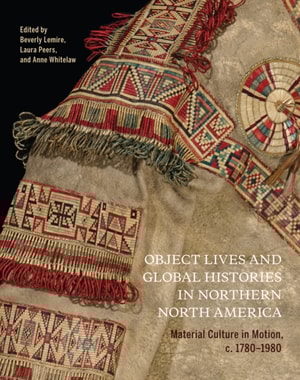
Object Lives and Global Histories in Northern North America explores how close, collaborative looking can discern the traces of contact, exchange, and movement of objects and give them a life and political power in complex cross-cultural histories.
Bringing together fifteen scholars of art and culture, Unsettling Canadian Art History addresses the visual and material culture of settler colonialism, enslavement, and racialized diasporas in the contested white settler state of Canada.
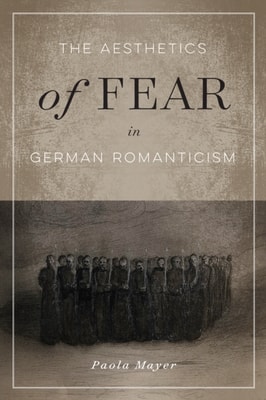
Enlightenment - both the phenomenon specific to the eighteenth century and the continuing trend in Western thought - is an attempt to dispel ignorance, achieve mastery of a potentially hostile environment, and contain fear of the unknown by promoting science and rationality.
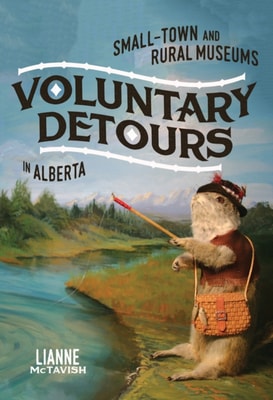
After visiting hundreds of museums across Alberta, Lianne McTavish chronicles some of the most challenging and unexpected sites where the idea of the museum is being reshaped.
In less than half a century, the Socialist Federal Republic of Yugoslavia successfully defeated Fascist occupation, fended off dominating pressures from the Eastern and Western blocs, built a modern society on the ashes of war, created its own form of socialism, and led the formation of the Nonaligned Movement.
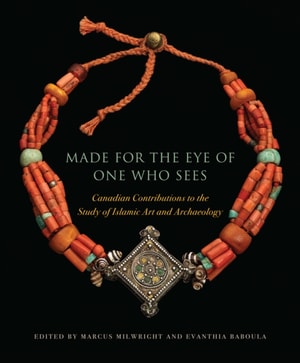
Canada has seen the study of Islamic art and archeology grow steadily over the last five decades, with growth in research and teaching across numerous Canadian universities as well as important collections of Islamic art and archaeological materials, most notably at the Royal Ontario Museum and the Aga Khan Museum.
For centuries, women artists of the Wendat First Nation of Wendake in Quebec have created artworks of intricate design and complex meaning in moosehair and quill embroidery.
The dominant visual language of European painting from the Renaissance to the nineteenth century, history paintings were formidable in their monumental scale, ambitious moral lessons, and intricate narratives.
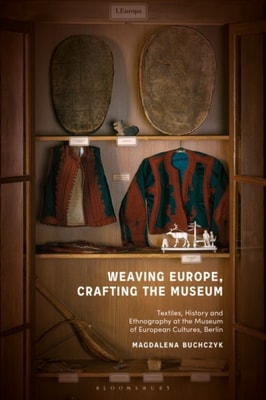
Weaving Europe, Crafting the Museum delves into the history and the changing material culture in Europe through the stories of a basket, a carpet, a waistcoat, a uniform, and a dress.
Weaving Europe, Crafting the Museum delves into the history and the changing material culture in Europe through the stories of a basket, a carpet, a waistcoat, a uniform, and a dress.
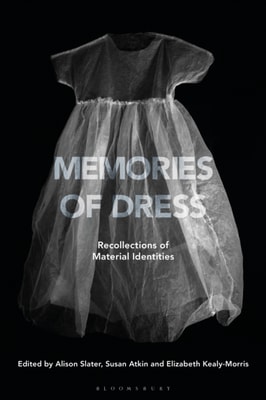
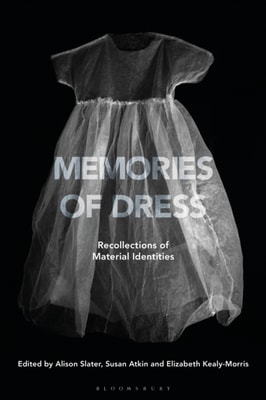
Memories of clothing feature prominently in auto/biographies, yet traditionally they have not been subjected to the same level of academic scrutiny as other sources.
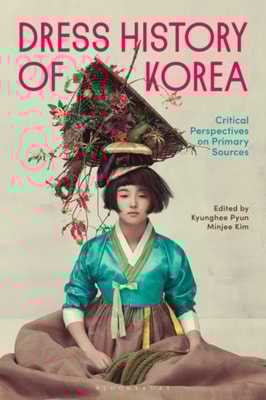
Bringing together a wealth of primary sources and with contributions from leading experts, Dress History of Korea presents the most recent approaches to the interpretation of dress and fashion of Korea.
Bringing together a wealth of primary sources and with contributions from leading experts, Dress History of Korea presents the most recent approaches to the interpretation of dress and fashion of Korea.
Memories of clothing feature prominently in auto/biographies, yet traditionally they have not been subjected to the same level of academic scrutiny as other sources.
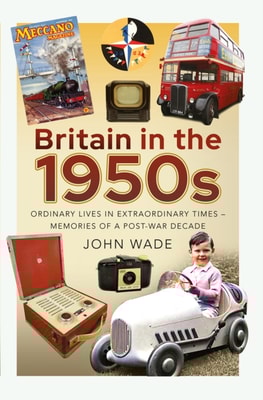
The 1950s was the decade of the Queen's Coronation and the Festival of Britain; of family shops and pea-souper smogs; listening to the wireless and watching the box; when money was counted in pounds, shillings and pence and weights were in pounds and ounces.
Step by step instructions guide you through a range of blending, mark-making, and mixed media techniques to improve your drawing skills, and introduce you to a range of new effects.