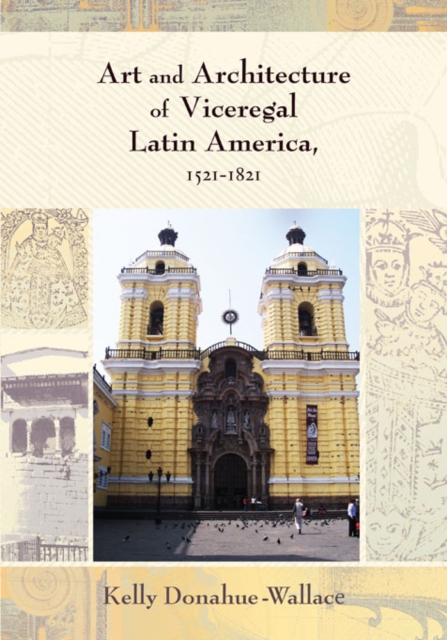
Kelly Donahue-Wallace surveys the art and architecture created in the Spanish Viceroyalties of New Spain, Peru, New Granada, and La Plata from the time of the conquest to the independence era.
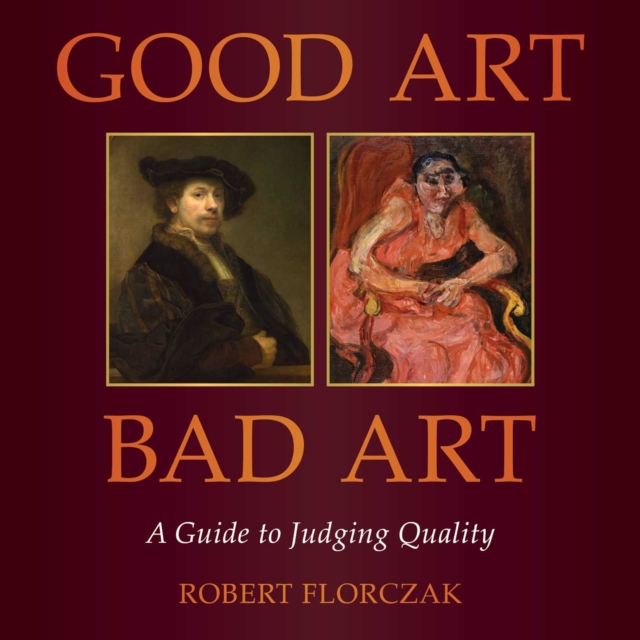
Amanifesto and impassioned plea for artistic excellence When he attended The Cooper Union in the late 1960s, artist Robert Florczak navigated a world of avant-garde experimentation, where modern art reigned supreme.
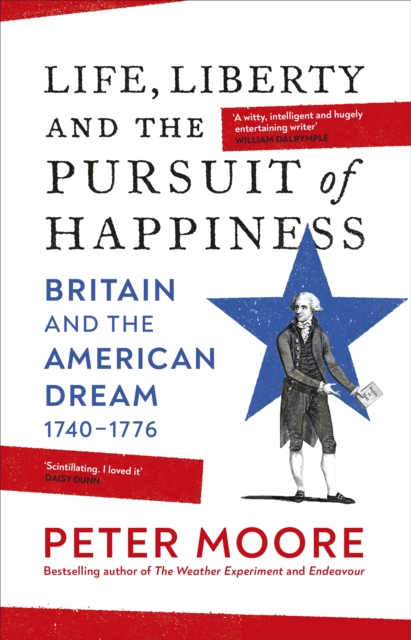
Bestselling historian Peter Moore traces how Enlightenment ideas were exported from Britain and put into practice in America - where they became the most successful export of all time, the American Dream'Absorbing.
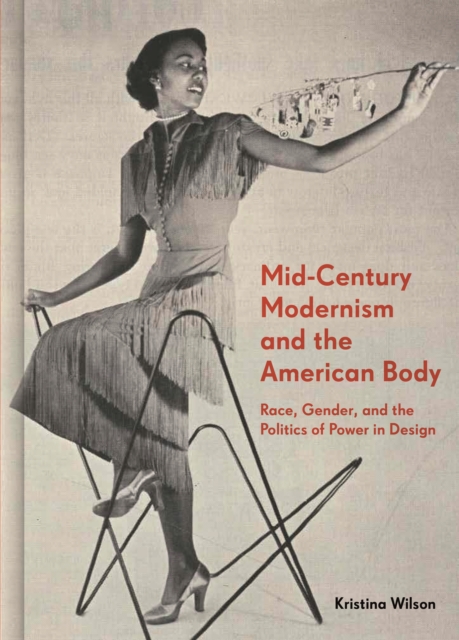
The first investigation of how race and gender shaped the presentation and marketing of Modernist decor in postwar AmericaIn the world of interior design, mid-century Modernism has left an indelible mark still seen and felt today in countless open-concept floor plans and spare, geometric furnishings.
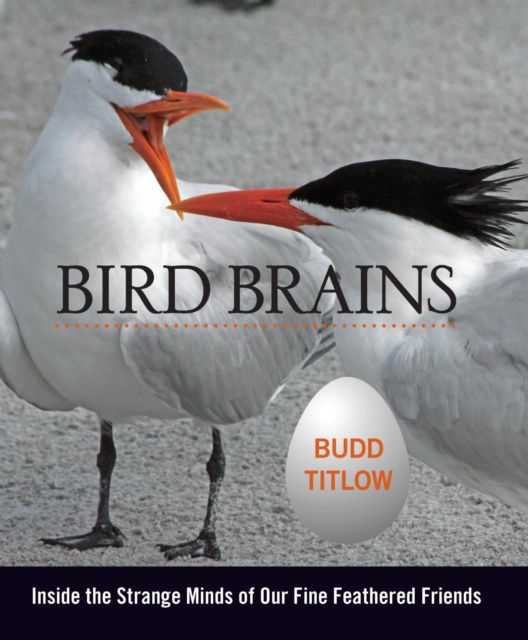
Through a hundred short vignettes accompanied by stunning avian portraits, Bird Brains takes a look at the antics, behaviors, and idiosyncrasies of wild birds from the viewpoint of a professional wildlife biologist and award-winning wildlife photographer.
THE INSTANT SUNDAY TIMES BESTSELLERLONGLISTED FOR THE CUNDILL HISTORY PRIZE'Revelatory' GUARDIAN'A firecracker somehow captured between two covers' LUCY WORSLEYAn instant bestseller and one of the most celebrated history books of the year, Femina reveals the power and influence of medieval women who have been written out of our history.
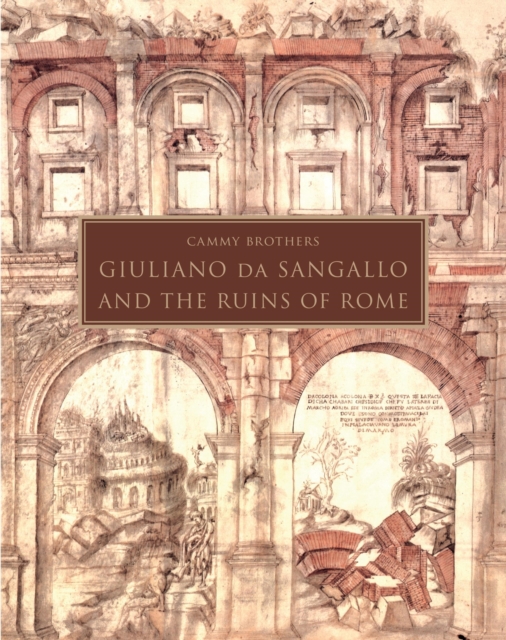
An illuminating reassessment of the architect whose innovative drawings of ruins shaped the enduring image of ancient RomeGiuliano da Sangallo (1443-1516) was one of the first architects to draw the ruins and artifacts of ancient Rome in a systematic way.
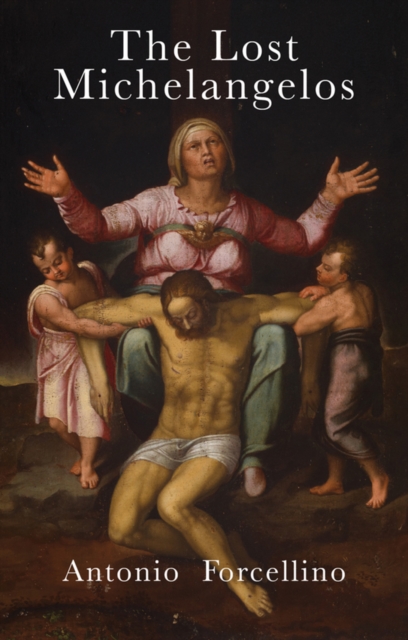
Translated by Lucinda Byatt This book tells the remarkable story of a rare discovery: the uncovering of two lost paintings by the great Renaissance artist Michelangelo.
In this book, Janet Todd, one of the leading authorities on seventeenth- and eighteenth century women writers, discusses gender issues from the Restoration to Romanticism investigating women authors and the fascination with culturally privileged art and with heroic death.
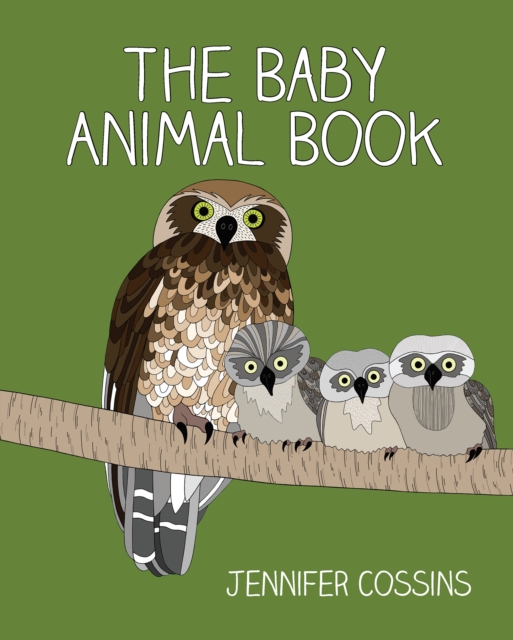
An adorable and informative picture book from the 2017 CBCA shortlisted author/illustrator Jennifer Cossins, author of A-Z of Endangered Animals and 101 Collective Nouns.
Evelyn Waugh's first book: a portrait of one of the greatest artists of the nienteenth century, from one of the greatest writers of the twentieth'Biography, as books about the dead are capriciously catalogued, is still very much in the mode'This is a sparkling account of Dante Gabriel Rossetti's tragic and mysterious life, telling the story behind some of the greatest poetry and painting of the nineteenth century.
Art historians have often minimized the variety and complexity of seventeenth-century Spanish painting by concentrating on individual artists and their works and by stressing discovery of new information rather than interpretation.
Breakfast at Sotheby's is a wry, intimate, truly insider-y exploration of how art acquires its financial value, from Philip Hook, a senior director at Sotheby'sWhen you stand in front of a work of art in a museum or exhibition, the first two questions you normally ask yourself are 1) Do I like it?
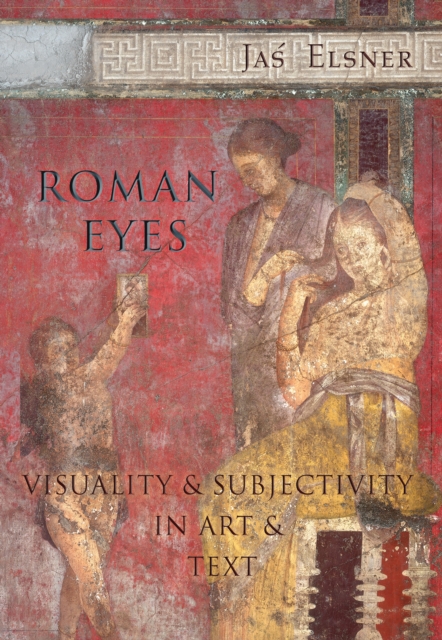
In Roman Eyes, Jas Elsner seeks to understand the multiple ways that art in ancient Rome formulated the very conditions for its own viewing, and as a result was complicit in the construction of subjectivity in the Roman Empire.
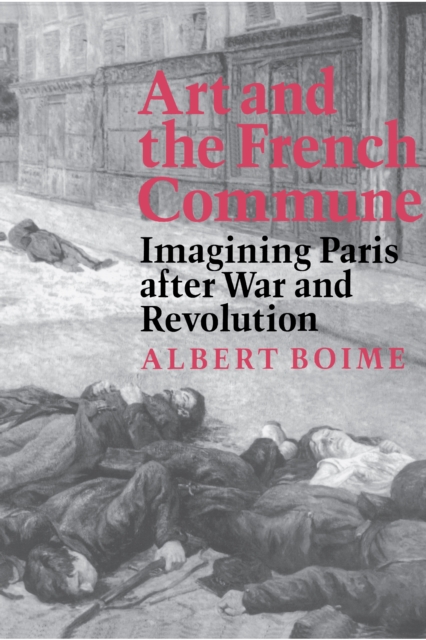
In this bold exploration of the political forces that shaped Impressionism, Albert Boime proposes that at the heart of the modern is a "e;guilty secret"e;--the need of the dominant, mainly bourgeois, classes in Paris to expunge from historical memory the haunting nightmare of the Commune and its socialist ideology.
A major new biography of legendary art collector and philanthropist Isabella Stewart GardnerIsabella Stewart Gardner (1840-1924) assembled an extraordinary collection of art from diverse cultures and eras-and built a Venetian-style palazzo in Boston to share these exquisite treasures with the world.
Between the third and sixth centuries, the ancient gods, goddesses, and heroes who had populated the imagination of humankind for a millennium were replaced by a new imagery of Christ and his saints.
The theory and practice of art underwent a number of fascinating changes between the sixteenth and the eighteenth centuries, changes which are clearly revealed in this unique collection of letters, journals, essays, and other writings by the artists and their contemporaries.
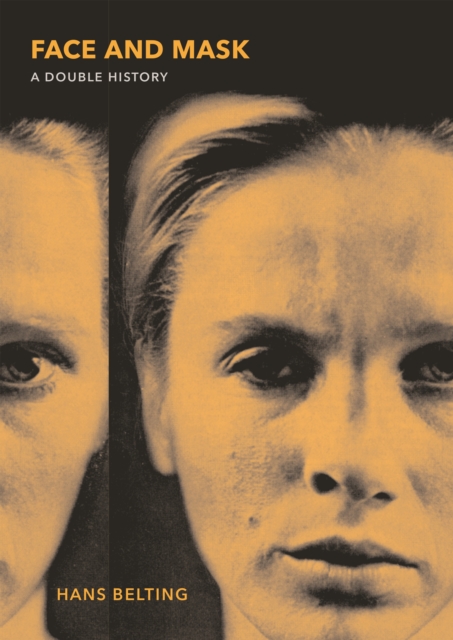
A cultural history of the face in Western art, ranging from portraiture in painting and photography to film, theater, and mass mediaThis fascinating book presents the first cultural history and anthropology of the face across centuries, continents, and media.
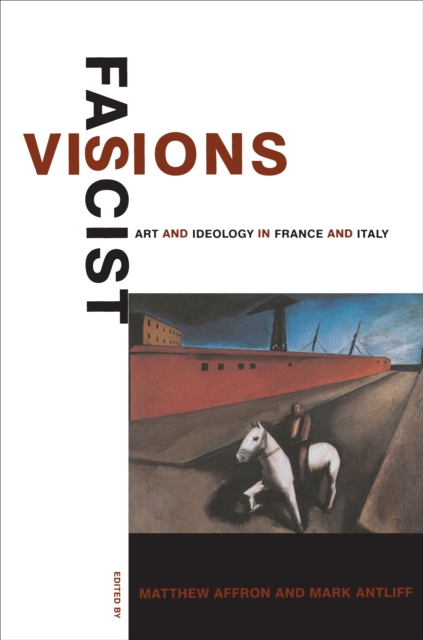
Bringing together studies by art historians, historians, and political scientists, Fascist Visions explores the themes and paradigms that pervaded protofascist and fascist aesthetic discourse, cultural policy, and artistic production in France and Italy.
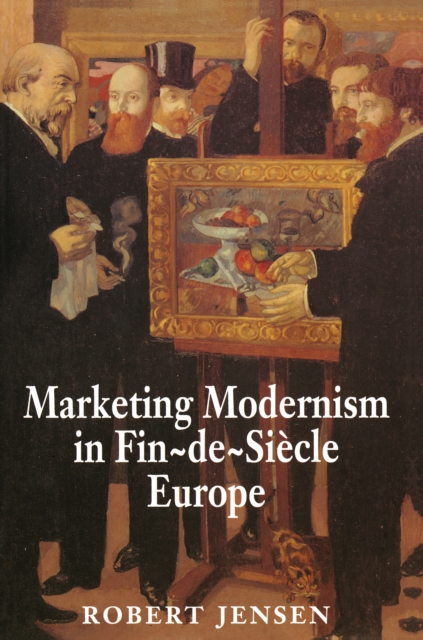
In this fundamental rethinking of the rise of modernism from its beginnings in the Impressionist movement, Robert Jensen reveals that market discourses were pervasive in the ideological defense of modernism from its very inception and that the avant-garde actually thrived on the commercial appeal of anti-commercialism at the turn of the century.
Art historians have often minimized the variety and complexity of seventeenth-century Spanish painting by concentrating on individual artists and their works and by stressing discovery of new information rather than interpretation.
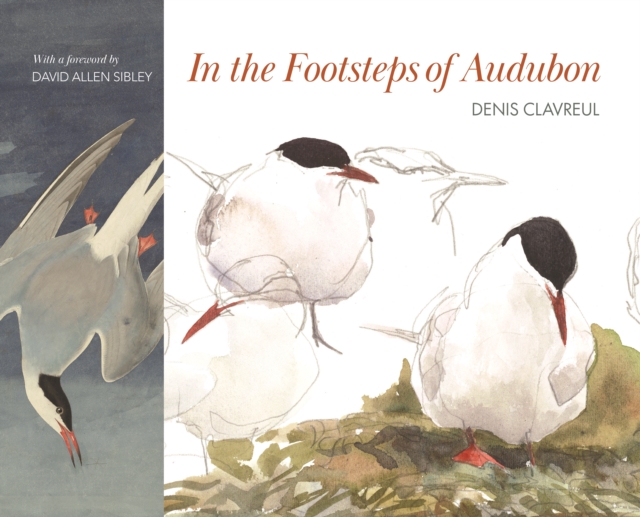
An artist's uniquely personal journey across AmericaIn the nineteenth century, ornithologist and painter John James Audubon set out to create a complete pictorial record of North American birdlife, traveling from Louisiana and the Florida Keys to the Gulf of Saint Lawrence and the cliffs of the Yellowstone River.
A trailblazing look at the historical emergence of a global field in contemporary art and the diverse ways artists become valued worldwidePrior to the 1980s, the postwar canon of ';international' contemporary art was made up almost exclusively of artists from North America and Western Europe, while cultural agents from other parts of the world often found themselves on the margins.