Libro de la Vida, escrito por Santa Teresa de Jesús, es una autobiografía espiritual que relata la vida y experiencias místicas de una de las santas y escritoras más influyentes de la historia.
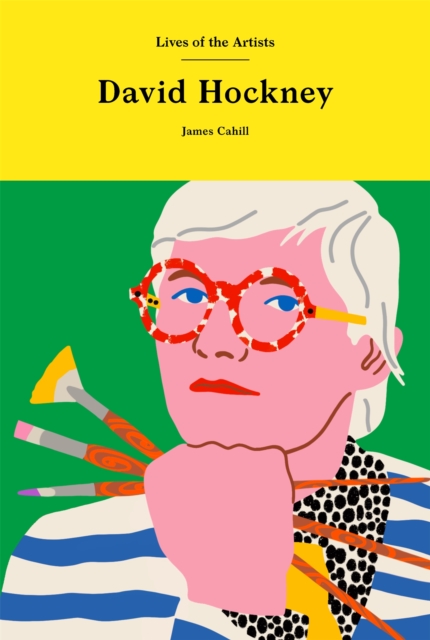
The latest addition to the 'Lives of the Artists' series: highly readable short biographies of the world's greatest artistsDavid Hockney is the most famous living British artist.
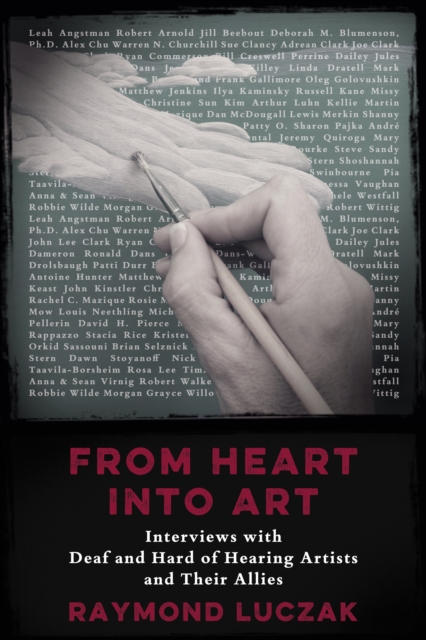
For over a decade, Raymond Luczak, author of Silence Is a Four-Letter Word: On Art & Deafness, has been interviewing Deaf and hard of hearing artists and their allies about their creative and arts accessibility work.
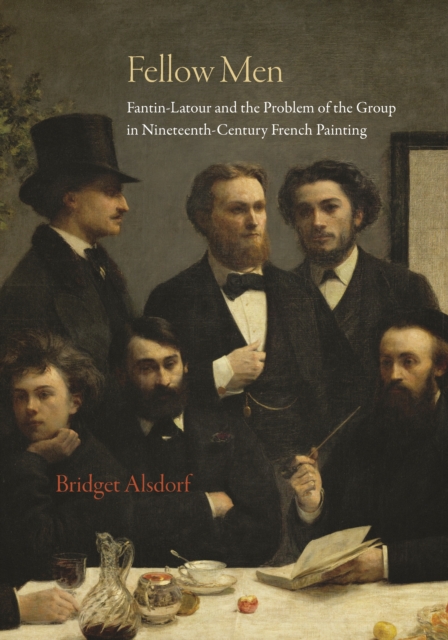
Focusing on the art of Henri Fantin-Latour (1836-1904) and his colleagues Gustave Courbet, Edgar Degas, Edouard Manet, Frederic Bazille, and Pierre-Auguste Renoir, Fellow Men argues for the importance of the group as a defining subject of nineteenth-century French painting.
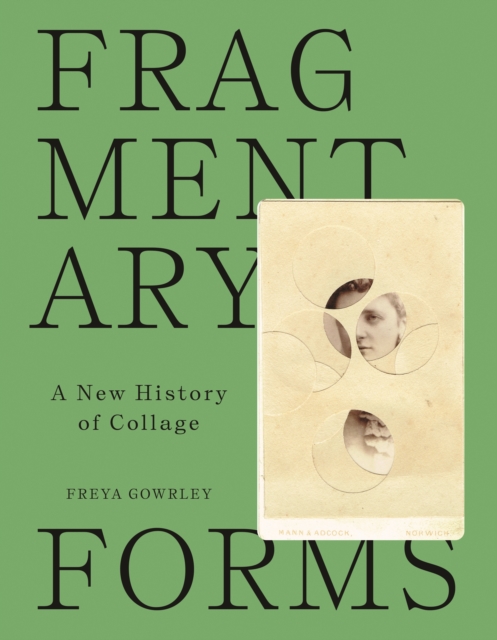
A beautifully illustrated global history of collage from the origins of paper to todayWhile the emergence of collage is frequently placed in the twentieth century when it was a favored medium of modern artists, its earliest beginnings are tied to the invention of paper in China around 200 BCE.
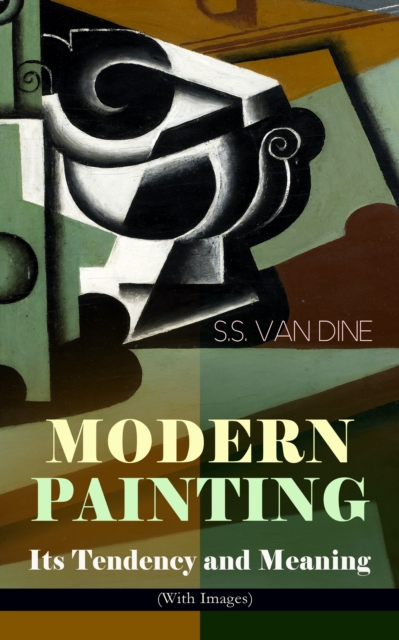
Modern Painting - Its Tendency and Meaning (With Images) is an ambitious critical survey of the aesthetic revolutions that transformed European painting at the turn of the twentieth century.
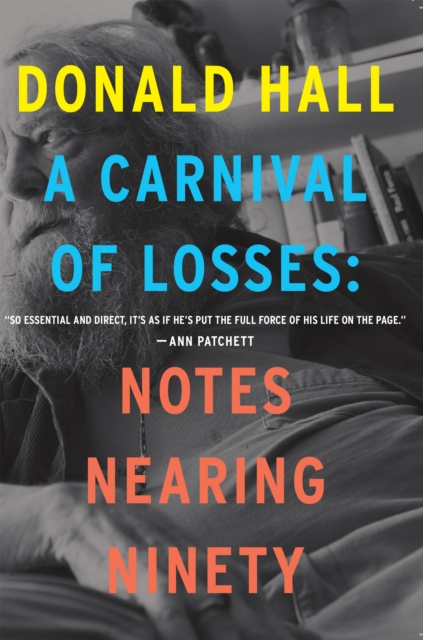
Former poet laureate of the United States Donald Hall's final collection of essays, from the vantage point of very old age, once again ';alternately lyrical and laugh-out-loud funny.
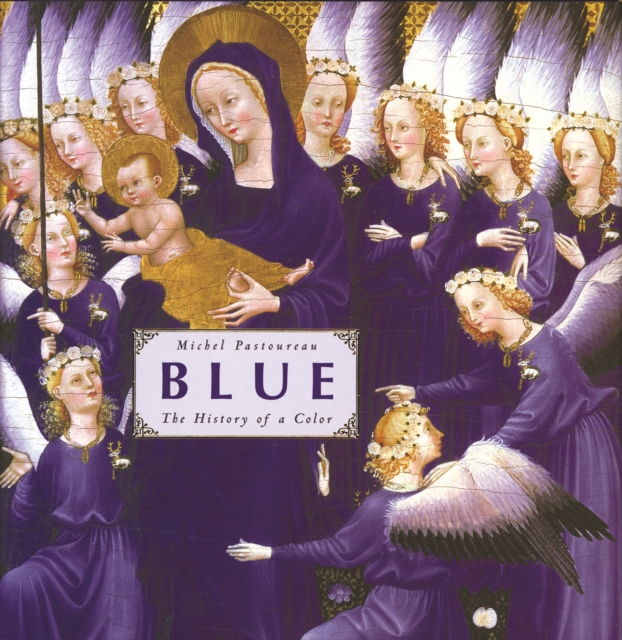
A beautifully illustrated visual and cultural history of the color blue throughout the agesBlue has had a long and topsy-turvy history in the Western world.
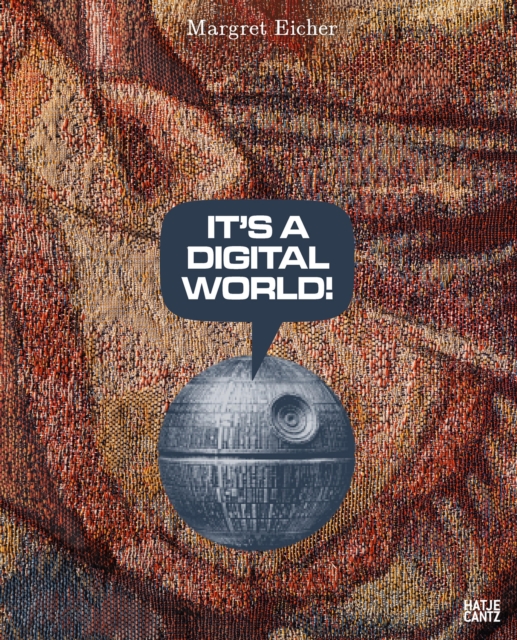
Margret Eicher: Faszinierende Wandteppiche zwischen Kunst, Medien und digitaler Welt – Hochwertiger Bildband mit spektakulärem FarbschnittDie Künstlerin Margret Eicher revolutioniert seit 25 Jahren die Kunst der Tapisserie.
Plateau-Stiefel, ausgefallene Kostüme und viel Schminke Die faszinierende Chronik der Entstehung von KISS Kaum zu glauben: Der erste Auftritt von KISS fand am 30.
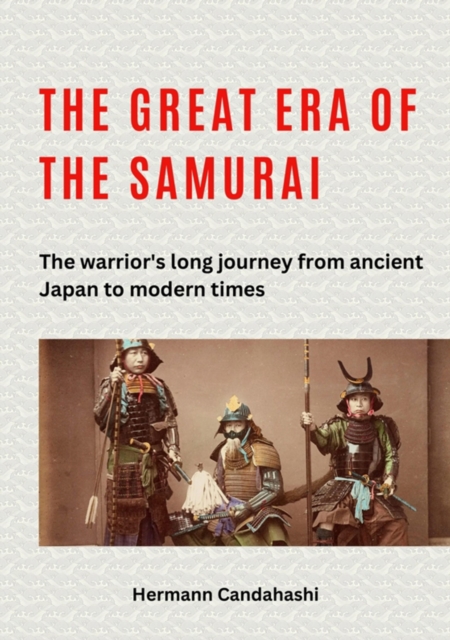
Immerse yourself in the fascinating world of the samurai with "e;The Great Age of the Samurai - The Warrior's Long Journey from Ancient Japan to Modern Times"e;.
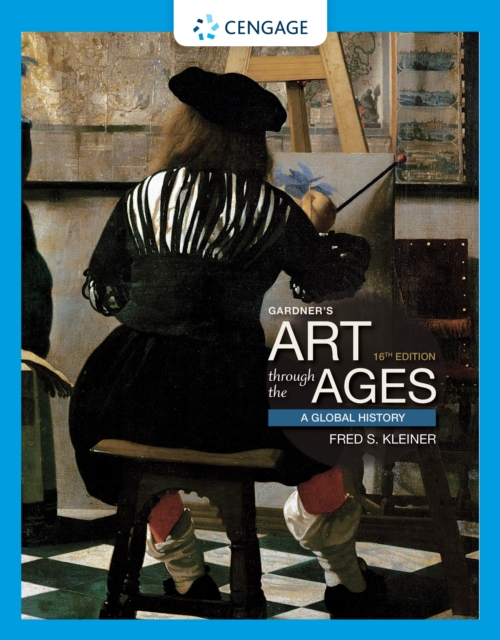
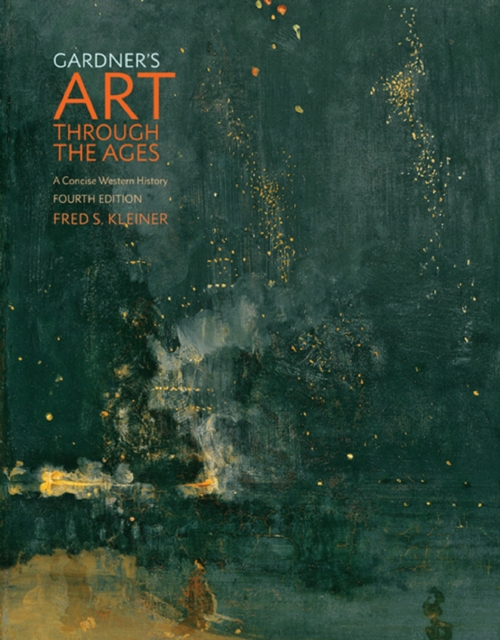
GARDNER'S ART THROUGH THE AGES: A CONCISE WESTERN HISTORY, provides you with a comprehensive, beautifully illustrated tour of the world's great artistic traditions, and, with MindTap, all of the online study tools you need to excel in your art history course!
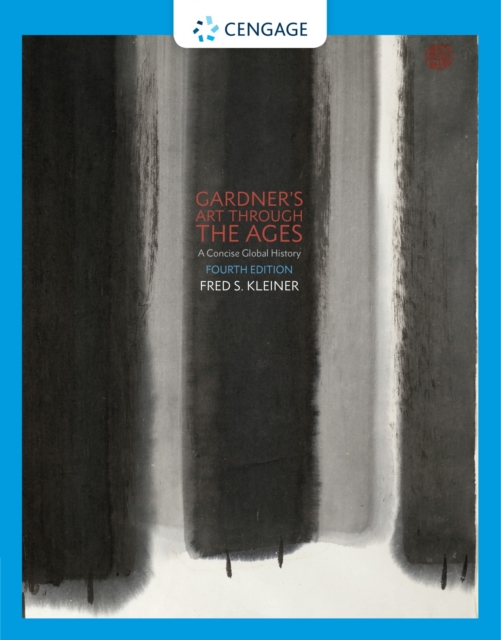
GARDNER'S ART THROUGH THE AGES: A CONCISE GLOBAL HISTORY, 4th Edition provides you with a comprehensive, beautifully illustrated tour of the world's great artistic traditions.
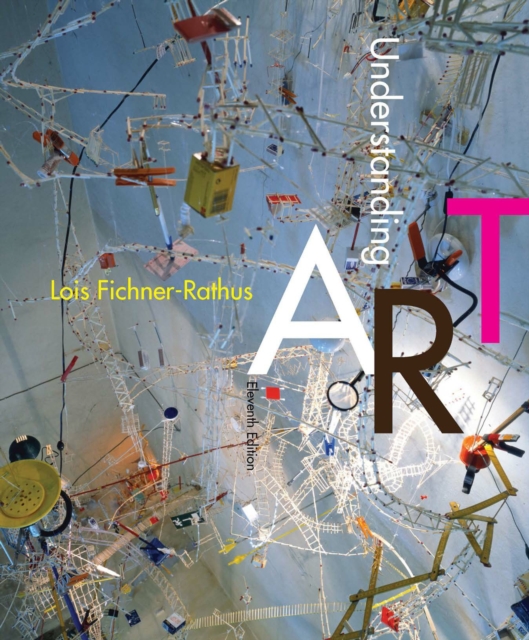
With balanced coverage of art across the chronological and geographical spectrum, UNDERSTANDING ART, 11th Edition, will guide you through beautifully reproduced images, and transport you to museums and monuments all over the world.
'This imaginative and empathetic book will probably not guide you to better sleep, but it will be a fine companion for the wakeful hours'GUARDIAN'A rich kaleidoscope of a book in which a series of visions emerge from the shadows'FINANCIAL TIMES'A celebration of the exuberance of night-time and a moving portrait of the dangers of the dark'THE TIMES'A beautifully written combination of personal reflection and broader thought .
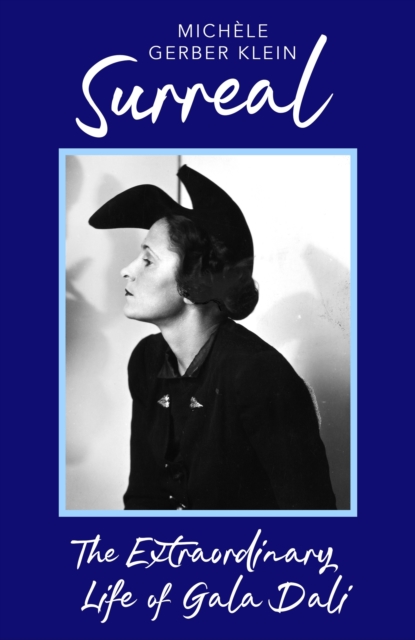
Using previously undiscovered material, Surreal tells the riveting story of Gala Dal ,(1894-1982) who broke away from her cultured but penurious background in pre-Revolutionary Russia to live in Paris with both France's most famous poet, Paul luard, and artist Max Ernst.
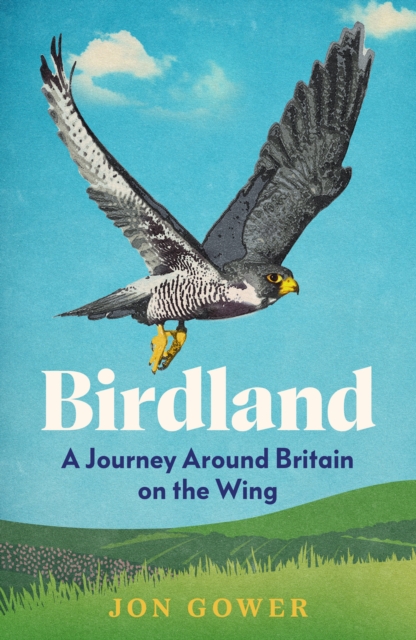
A joyous celebration of Britain's rich bird lifeIn Birdland, journalist and lifelong birder Jon Gower explores our intimate connection with the bird life around us.
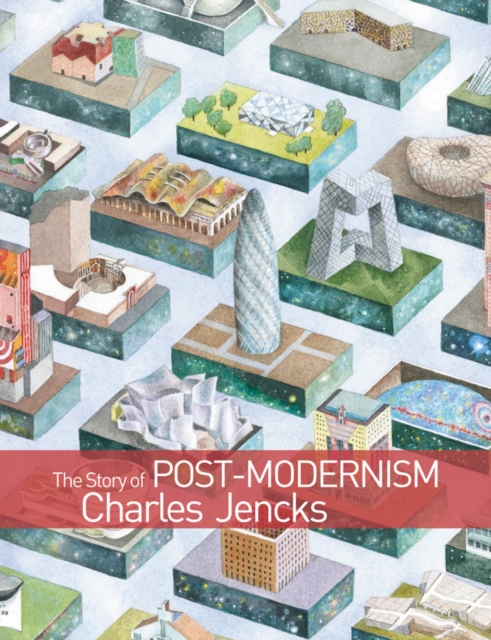
In The Story of Post-Modernism, Charles Jencks, the authority on Post-Modern architecture and culture, provides the defining account of Post-Modern architecture from its earliest roots in the early 60s to the present day.
The book studies the way the luxurious fashion develops re-presentational politics by reinvesting symbolic fields such as art and culture, religion and the sacred as well as politics, in other words fields that represent a certain common pattern of life and a common interest.
The book studies the way the luxurious fashion develops re-presentational politics by reinvesting symbolic fields such as art and culture, religion and the sacred as well as politics, in other words fields that represent a certain common pattern of life and a common interest.
A HISTORY OF ROMAN ART The new edition of the leading textbook on Roman art, updated with new images and expanded geographic and cultural scope A History of Roman Art is an expansive survey of the painting, mosaic, sculpture, decorative arts, and architecture of ancient Rome.
A HISTORY OF ROMAN ART The new edition of the leading textbook on Roman art, updated with new images and expanded geographic and cultural scope A History of Roman Art is an expansive survey of the painting, mosaic, sculpture, decorative arts, and architecture of ancient Rome.
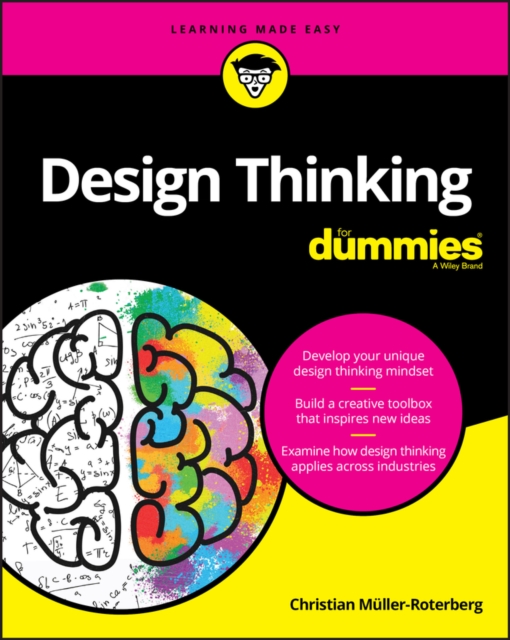
Innovate your business by incorporating design thinking Organizations that can innovate have an advantage over competitors who stick to old processes, models, and products.
Innovate your business by incorporating design thinking Organizations that can innovate have an advantage over competitors who stick to old processes, models, and products.
A ground-breaking new anthology in the Art in Theory series, offering an examination of the changing relationships between the West and the wider world in the field of art and material culture Art in Theory: The West in the World is a ground-breaking anthology that comprehensively examines the relationship of Western art to the art and material culture of the wider world.
A ground-breaking new anthology in the Art in Theory series, offering an examination of the changing relationships between the West and the wider world in the field of art and material culture Art in Theory: The West in the World is a ground-breaking anthology that comprehensively examines the relationship of Western art to the art and material culture of the wider world.
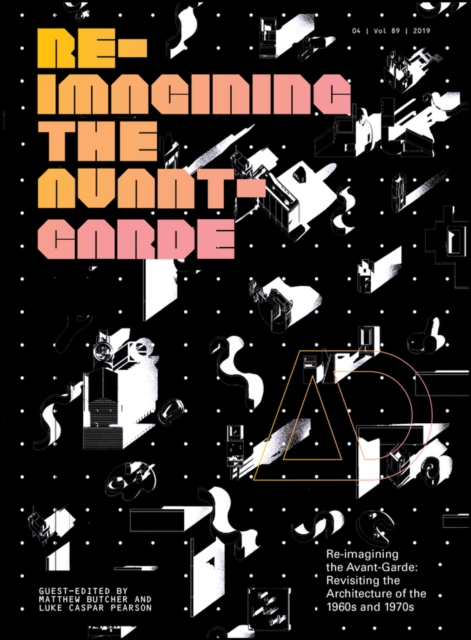
The 1960s and 1970s avant-garde has been likened to an architectural Big Bang , such was the intensity of energy and ambition in which it exploded into the postwar world.