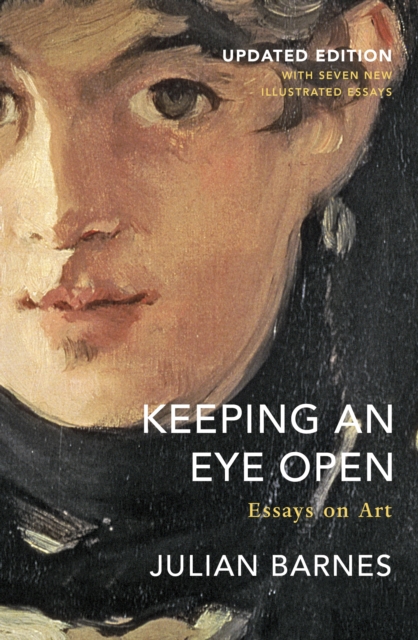
The updated edition of Julian Barnes best-loved writing on art, with seven new exquisite illustrated essays Flaubert believed that it was impossible to explain one art form in terms of another, and that great paintings required no words of explanation.
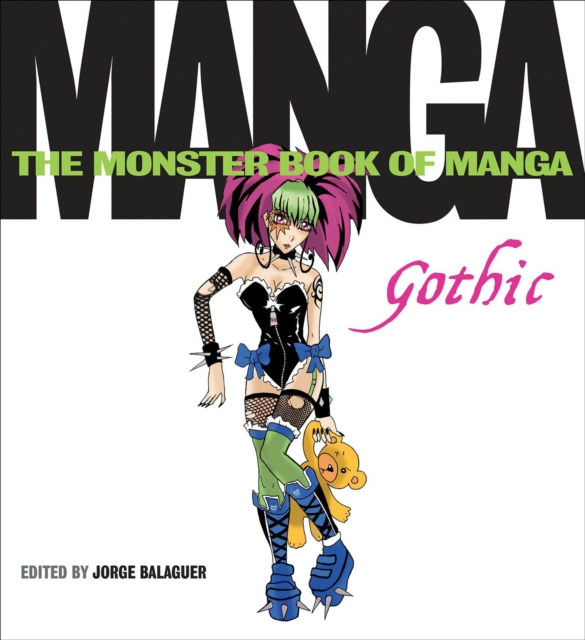
An extraordinary new volume in the bestselling Monster Book of Manga books Gothic features thirty dark characters and easy-to-follow instructions teaching you how to create them.
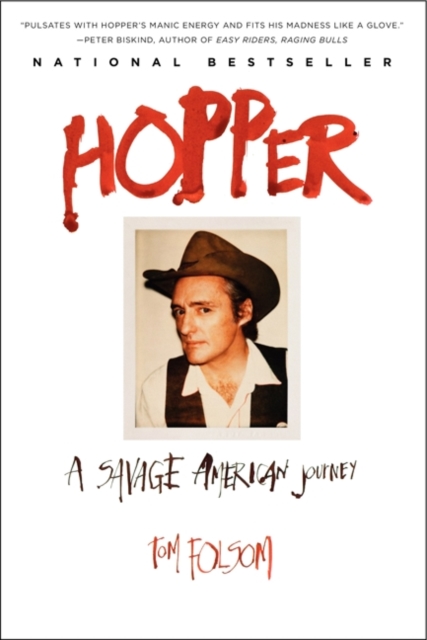
As unconventional a biography as Dennis Hopper was a man, Hopper: A Journey into the American Dream by Tom Folsom charts his roller coaster life and career through the lens of the landscape of American popular culture.
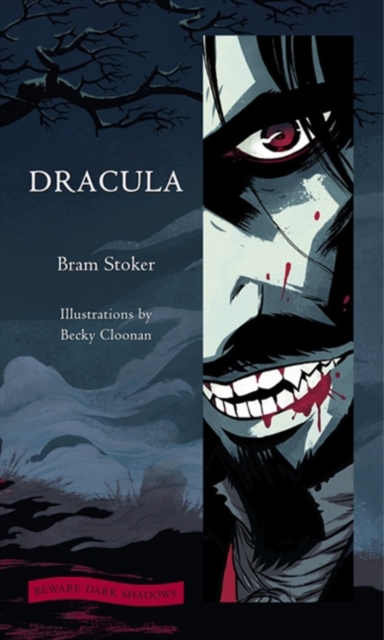
This new edition of Dracula, offering the complete text of the original book with more than 50 original illustrations in the form of horizontal and vertical panels, spot illustrations, and ornate borders by Becky Cloonan, will delight Dracula fans.
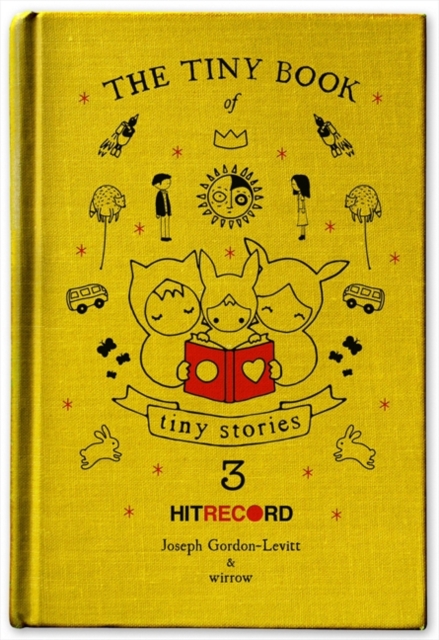
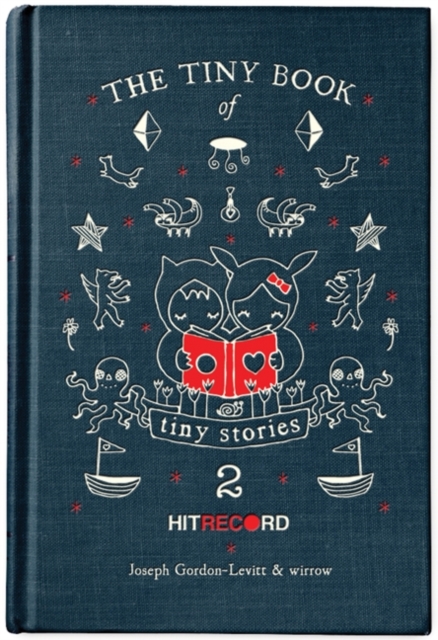
A third anthology of tiny stories told through words and art, from Golden Globe Award-nominee Joseph Gordon-Levitt and his online creative coalition hitRECord, in collaboration with the artist Wirrow.
Actor Joseph Gordon-Levitt (The Dark Knight Rises, Inception, Looper, 500 Days of Summer) made a big splash with The Tiny Book of Tiny Stories—so now he’s back with volume 2!
Master Your Coursework with Collins College OutlinesThe Collins College Outline for Western Civilization to 1500 covers all major events from the earliest known civilizations of Egypt and Sumer to the Greek and Roman Empires through the feudal times, the Middle Ages and the Renaissance, finally concluding with the threshold of the Modern Age.
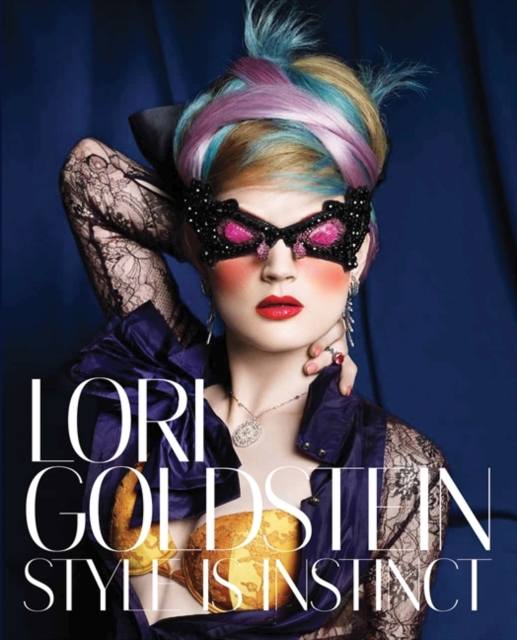
A stunning anthology of the work of visionary stylist Lori Goldstein, whose interpretations of fashion and beauty have produced some of the most groundbreaking and iconic images in fashion and popular culture.
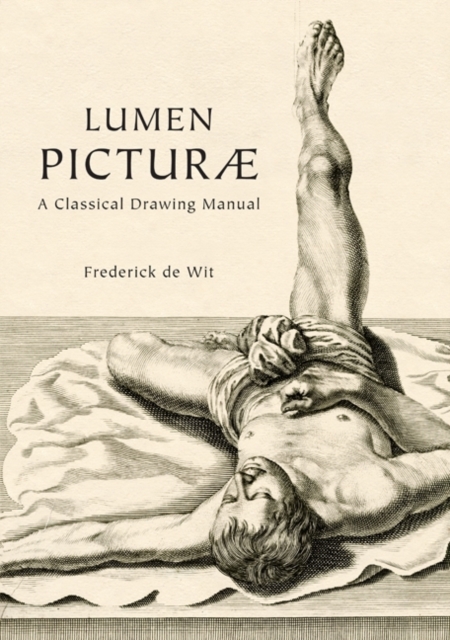
LumenPicturaeis apictorial guide to classicaldrawing as exemplified by the sublime work of the influential 17th centuryDutch engraver Frederick de Wit.
Motley Crue's bassist presents a collection of prose and photographs revealing a look through the eyes of a rock star at a stark, post-addiction world.
A translation of the Kabbalah for the layperson includes a compact presentation of each primary text and features a practical analysis and vital historical information that offer insight into the various aspects of Jewish mysticism.
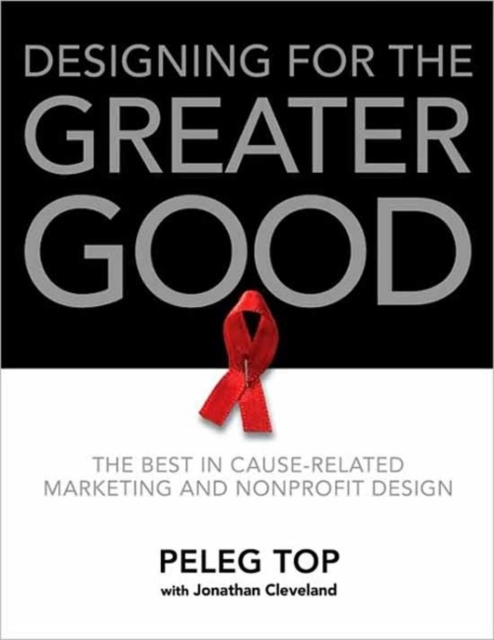
This first-ever book of its kind, Designing for the Greater Good, features hundreds of illustrated examples of the best nonprofit and cause-related design worldwide, plus 24 inspiring case studies and insights into great nonprofit branding campaigns.
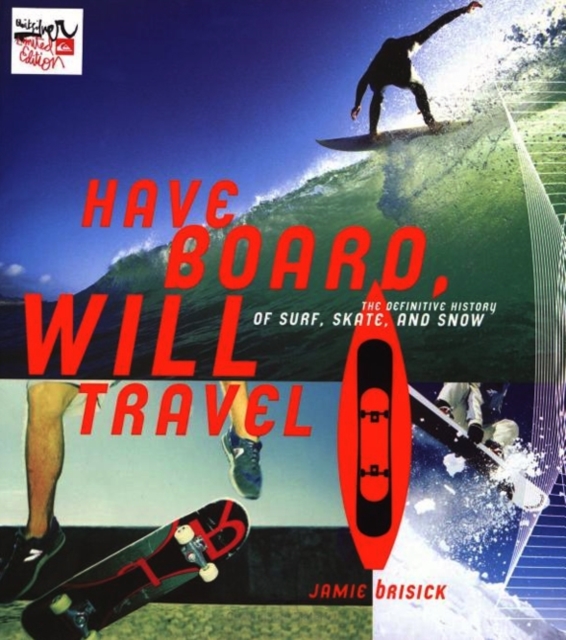
Whether on water, pavement, or fluffy white powder, the history of surfing,skateboarding, and snowboarding is a landscape filled with rugged personalities, exotic locales, wild innovation, and most of all the united dream of becoming one with the oceans, streets, and mountains.
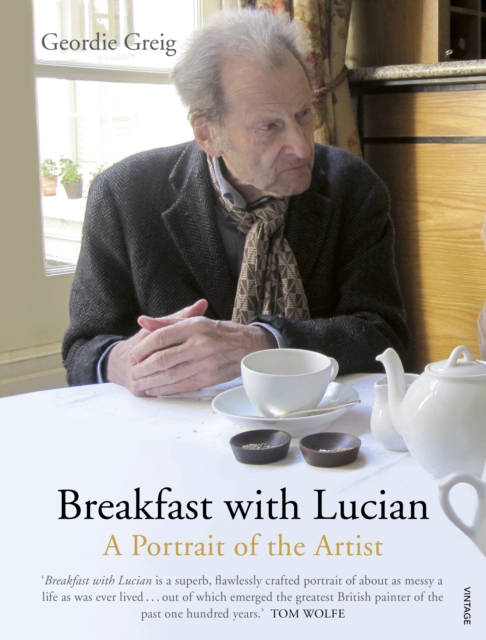
For ten years Geordie Greig was among a very small group of friends who regularly met Lucian Freud for breakfast at Clarke s restaurant on Kensington Church Street.
A hilarious collection of the lowest of the lows from the worst generals to the dumbest dogs, the shortest Hollywood marriages to the most dangerous golf courses.
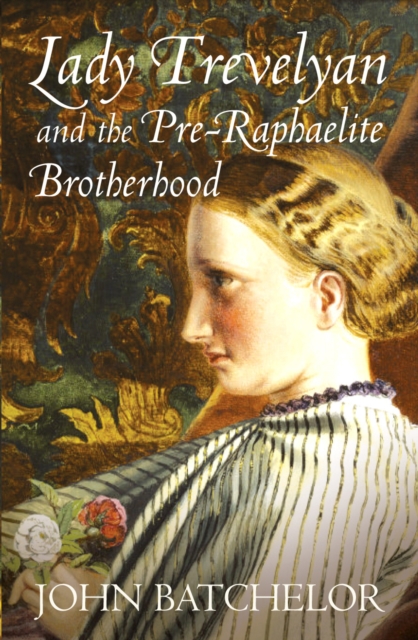
An entertaining account of an extraordinary cultural and historical event: - the establishment by one highly intelligent woman of a salon of the arts in a beautiful country house in Northumberland.
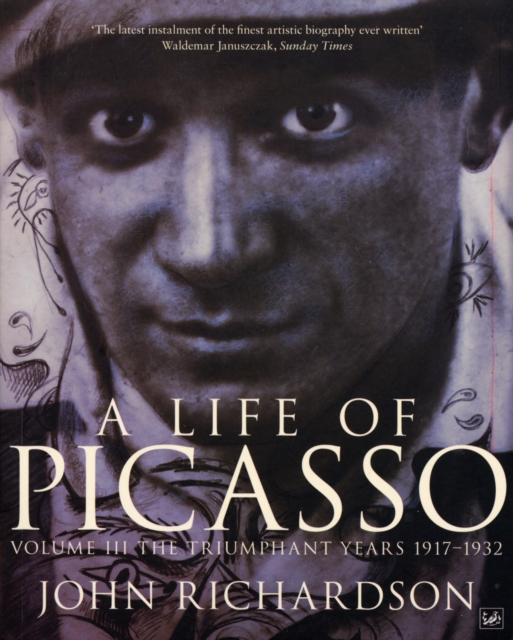
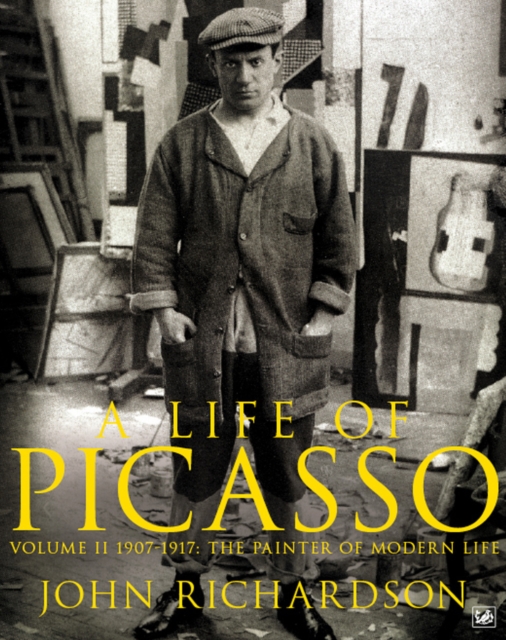
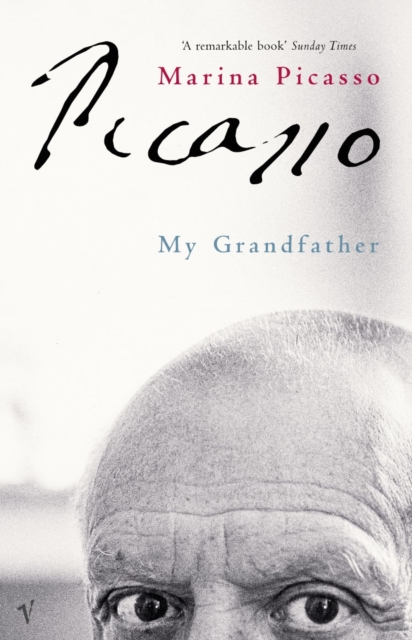
Drawing on exhaustive research from interviews and unpublished archival material, John Richardson has produced the long-awaited third volume of the definitive biography, full of original, groundbreaking new insights into Picasso's life and work.
John Richardson draws on the same combination of lively writing, critical astuteness, exhaustive research, and personal experience which made a bestseller out of the first volume and vividly recreates the artist's life and work during the crucial decade of 1907-17 - a period during which Pablo Picasso and Georges Braque invented Cubism and to that extent engendered modernism.
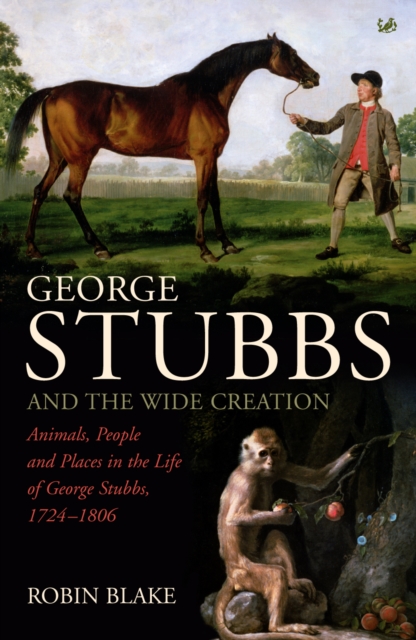
Far more than a fine horse portraitist, George Stubbs was a painter and a printmaker of the highest importance, on a par with his great contemporaries, Hogarth, Reynolds and Gainsborough.
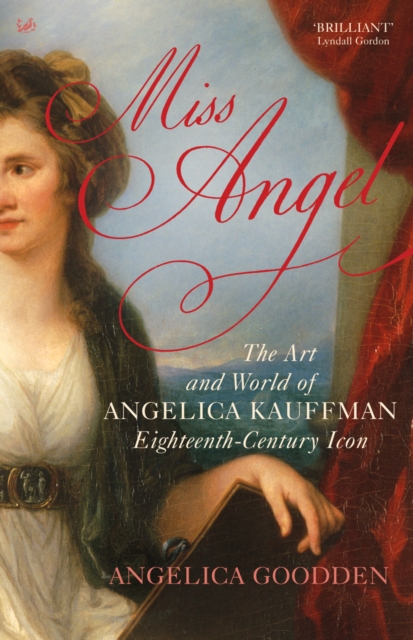
A word was coined to describe the condition of people stricken with a new kind of fever when the Swiss-born artist Angelica Kauffman (1741-1807) came to London in 1766.
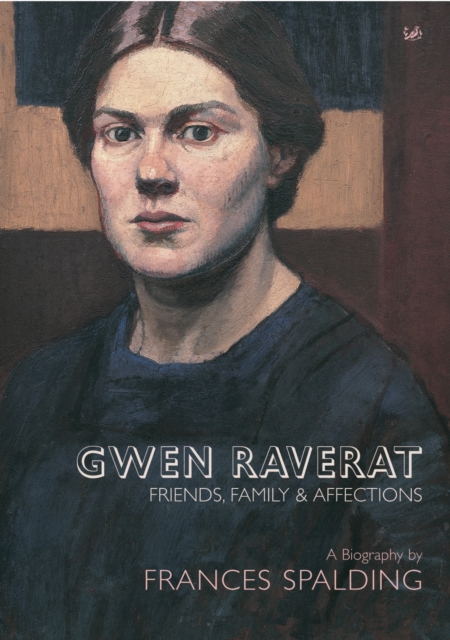
Vanessa Bell, artist, sister of Virginia Woolf, wife of Clive Bell and lover of Duncan Grant, is one of the most fascinating and modern figures of the Bloomsbury set, but unlike most of them she rarely put pen to writing paper.
* Winner of the 2017 National Book Critics Circle Award * National Book Award Finalist * Time magazine Top 10 Nonfiction Book of the Year * New York Times Notable Book * Publishers Weekly Best Books of 2017 This ';epic history' (The Boston Globe) from Pulitzer Prize-winning historian Frances FitzGerald is the first to tell the powerful, dramatic story of the Evangelical movement in Americafrom the Puritan era to the 2016 election.
The New York Times bestselling author of 1421 offers another stunning reappraisal of history, presenting compelling new evidence that traces the roots of the European Renaissance to Chinese exploration in the fifteenth centuryThe brilliance of the Renaissance laid the foundation of the modern world.
150 of the World's Funniest and Most Delightful Christmas CardsKaren Robert has spent the last several years tracking down the wonderful and wacky Christmas cards represented in this bookthe best out of tens of thousands she has reviewed.
In 2002, an ancient limestone box called the James Ossuary was trumpeted on the world's front pages as the first material evidence of the existence of Jesus Christ.
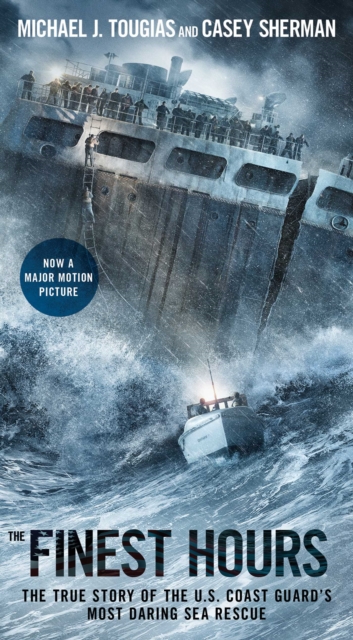
The story behind the major motion picture from Disneystarring Chris Pine, Eric Bana, and Casey Affleckwritten by a recognized master of the genre';a blockbuster account of tragedy at sea' (The Providence Journal).
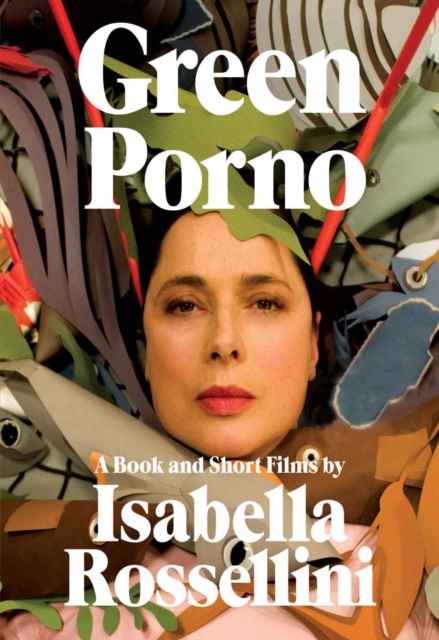
From the beloved actress Isabella Rossellini comes Green Porno, a strange and enlightening visual exploration of the sex lives of insects and sea creatures, based on the wildly popular short videos of the same name.
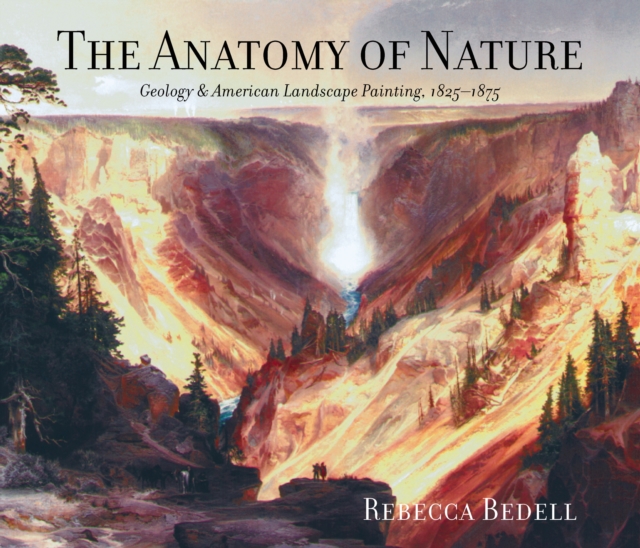
An illuminating account of the interplay between science, religion, and nature in nineteenth-century landscape paintingGeology was in vogue in nineteenth-century America.