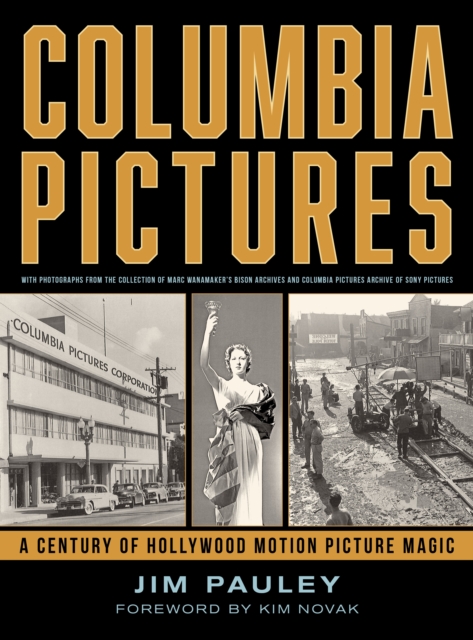
This memoir by the legendary publicist offers "e;an intimate glimpse into the best and the worst of the golden age of Hollywood"e; (Stacy Keach, Golden Globe Award-nominated actor).
Explores art through themes that illuminate cultural, historical, and contemporary issues Art connects us to the world in profound ways, revealing our history, identity, and cultural shifts.
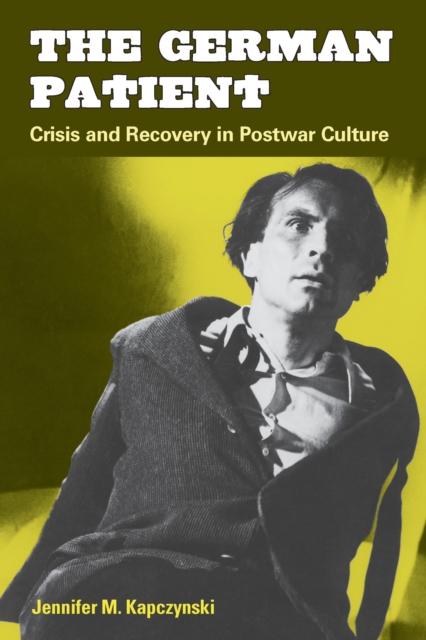
The German Patient takes an original look at fascist constructions of health and illness, arguing that the idea of a healthy "e;national body"e;---propagated by the Nazis as justification for the brutal elimination of various unwanted populations---continued to shape post-1945 discussions about the state of national culture.
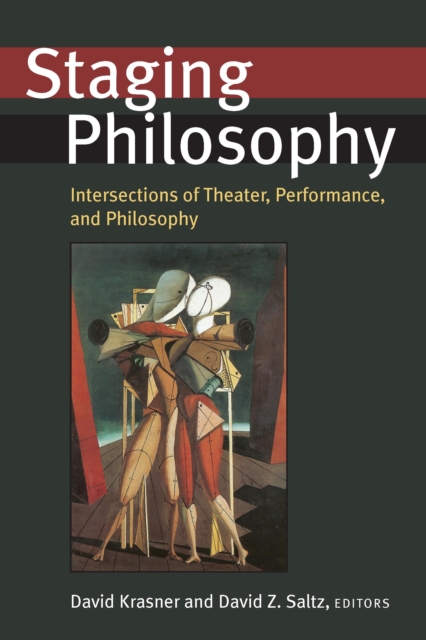
The fifteen original essays in Staging Philosophy make useful connections between the discipline of philosophy and the fields of theater and performance and use these insights to develop new theories about theater.
The German Patient takes an original look at fascist constructions of health and illness, arguing that the idea of a healthy "e;national body"e;---propagated by the Nazis as justification for the brutal elimination of various unwanted populations---continued to shape post-1945 discussions about the state of national culture.
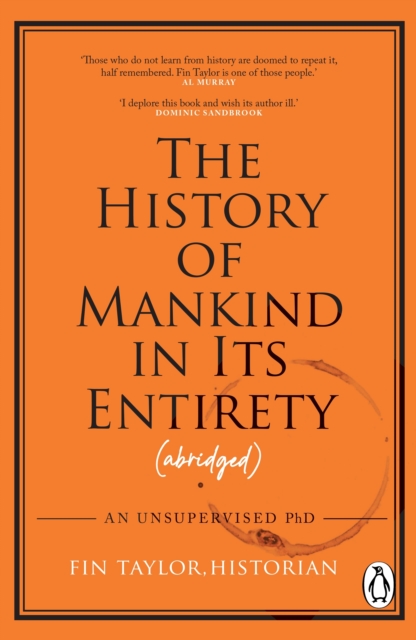
-THE BOOK FOR PEOPLE WHO LIKE HISTORY BUT DON'T CARE WHAT ACTUALLY HAPPENED-'Those who do not learn from history are doomed to repeat it, half remembered.
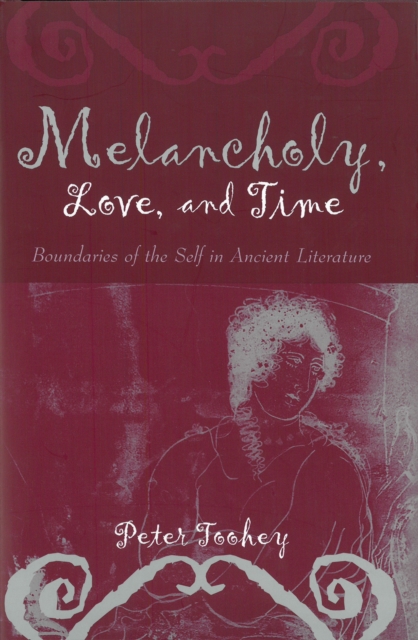
Ancient literature features many powerful narratives of madness, depression, melancholy, lovesickness, simple boredom, and the effects of such psychological states upon individual sufferers.
Drawing on primary empirical research, this book considers the democratic outcomes of political news avoidance, selective news exposure, and misinformation.
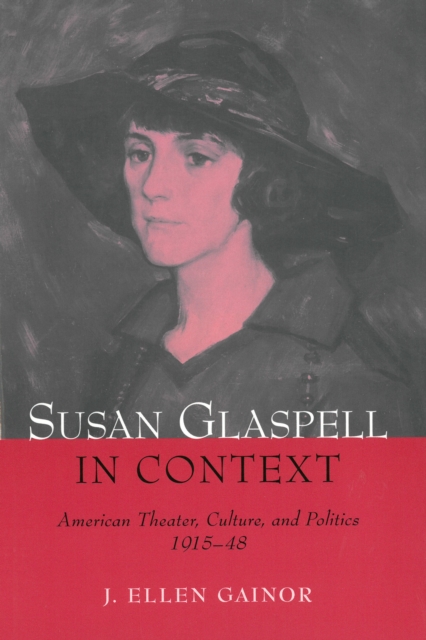
Susan Glaspell in Context not only discusses the dramatic work of this key American author -- perhaps best known for her short story "e;A Jury of Her Peers"e; and its dramatic counterpart, Trifles -- but also places it within the theatrical, cultural, political, social, historical, and biographical climates in which Glaspell's dramas were created: the worlds of Greenwich Village and Provincetown bohemia, of the American frontier, and of American modernism.
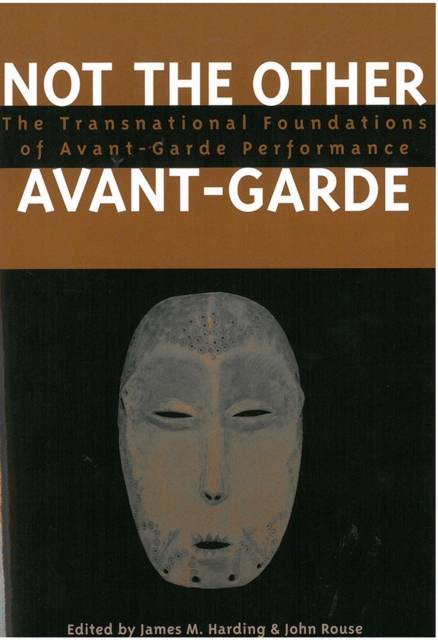
Almost without exception, studies of the avant-garde take for granted the premise that the influential experimental practices associated with the avant-garde began primarily as a European phenomenon that in turn spread around the world.
China's profound influence on the avant-garde in the 20th century was nowhere more apparent than in the work of Ezra Pound, Bertolt Brecht, and the writers associated with the Parisian literary journal Tel quel.
Ancient literature features many powerful narratives of madness, depression, melancholy, lovesickness, simple boredom, and the effects of such psychological states upon individual sufferers.
Susan Glaspell in Context not only discusses the dramatic work of this key American author -- perhaps best known for her short story "e;A Jury of Her Peers"e; and its dramatic counterpart, Trifles -- but also places it within the theatrical, cultural, political, social, historical, and biographical climates in which Glaspell's dramas were created: the worlds of Greenwich Village and Provincetown bohemia, of the American frontier, and of American modernism.
Drawing on primary empirical research, this book considers the democratic outcomes of political news avoidance, selective news exposure, and misinformation.
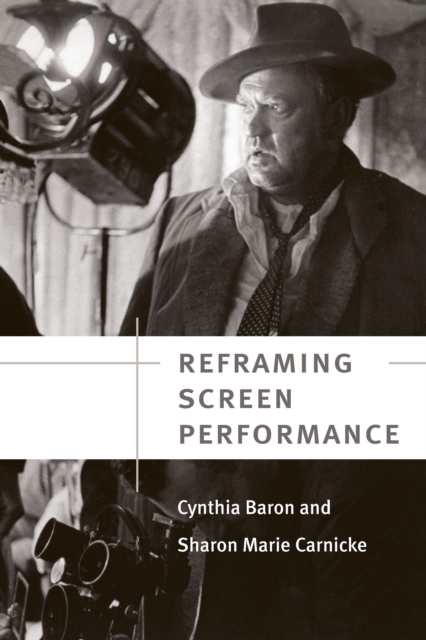
"e;A significant contribution to the literature on screen performance studies, Reframing Screen Performance brings the study of film acting up to date.
Almost without exception, studies of the avant-garde take for granted the premise that the influential experimental practices associated with the avant-garde began primarily as a European phenomenon that in turn spread around the world.
"e;A significant contribution to the literature on screen performance studies, Reframing Screen Performance brings the study of film acting up to date.
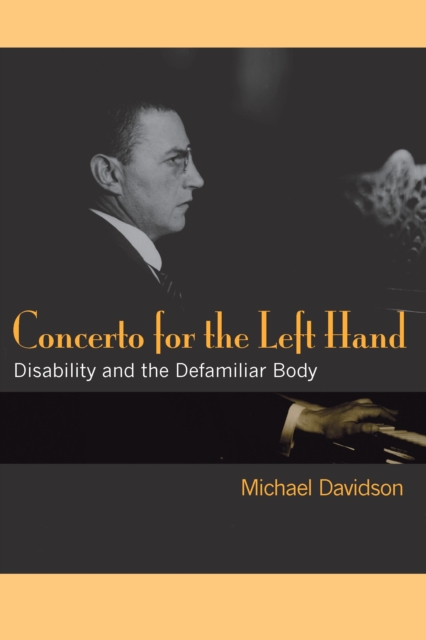
Concerto for the Left Hand is at the cutting edge of the expanding field of disability studies, offering a wide range of essays that investigate the impact of disability across various art forms---including literature, performance, photography, and film.
Concerto for the Left Hand is at the cutting edge of the expanding field of disability studies, offering a wide range of essays that investigate the impact of disability across various art forms---including literature, performance, photography, and film.
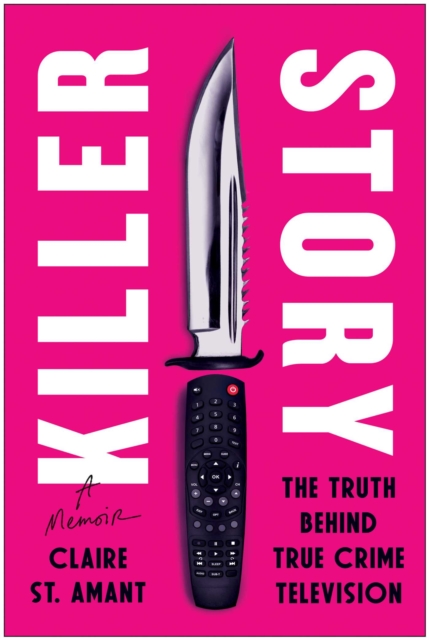
Follow a journalist and TV producer from 48 Hours and 60 Minutes as she carves out a career in the ruthless, knives-out world of true crime television .
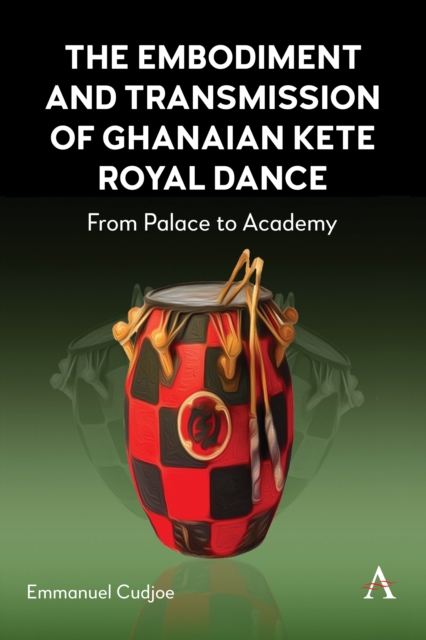
The Kete dance form, once exclusive to royal courts, carries intricate movements, symbolic gestures, and rhythms that mirror Ghanaian history and values.
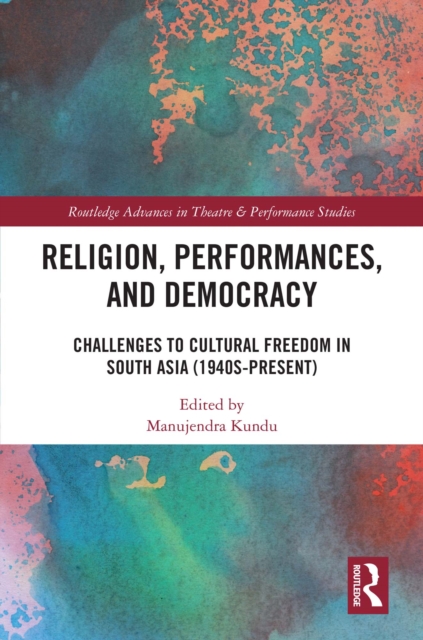
Religion, Performances, and Democracy examines how religion has profoundly influenced the socio political and cultural landscape of South Asia, shaping identities, public and private spaces, and social relationships over centuries.
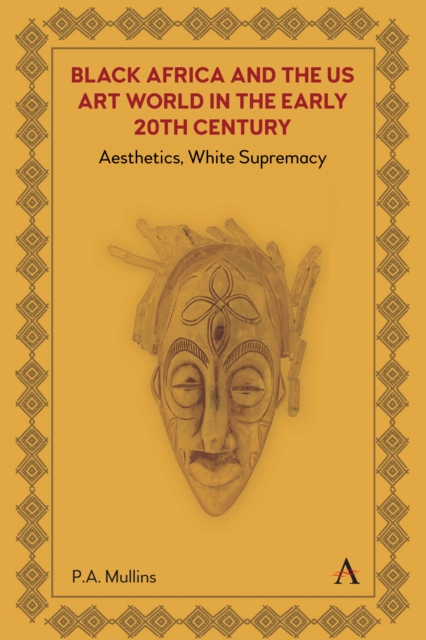
This book will explore several critical connections between Black African objects and white Western aesthetics and artwork in the United States from the late 1800s until 1939.
Drawing on her experiences as a Buddhist teacher in the tradition of Thich Nhat Hanh, Annabelle Zinser developed meditation and mindfulness practices for a variety of everyday situations and the transformation of emotional challenges.
Drawing on her experiences as a Buddhist teacher in the tradition of Thich Nhat Hanh, Annabelle Zinser developed meditation and mindfulness practices for a variety of everyday situations and the transformation of emotional challenges.
From the mountain goats who linger by the visitor's center on Logan Pass to the crystal-clear glacier-fed lakes, from the magnificent views from the Many Glacier Hotel to the old-growth forest landscapes, visitors will find much to ponder and enjoy within these pages.