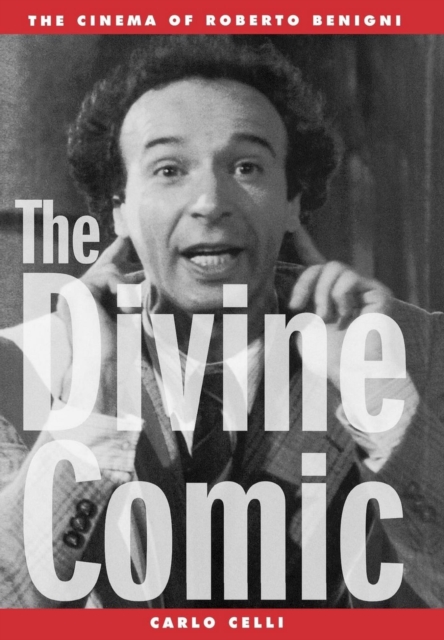
Roberto Benigni, the Italian comedian, actor, director, and writer, gained international fame when his film La vita e bella/ Life Is Beautiful (1997) won three Oscars in 1999, including Best Foreign Film and Best Actor.
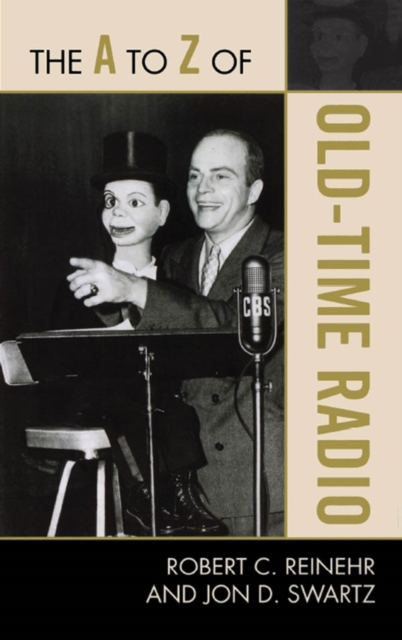
The term Old Time Radio refers to the relatively brief period from 1926, when the National Broadcasting Company first began network broadcasting, until approximately 1960, when television became the dominant communication medium in the United States.
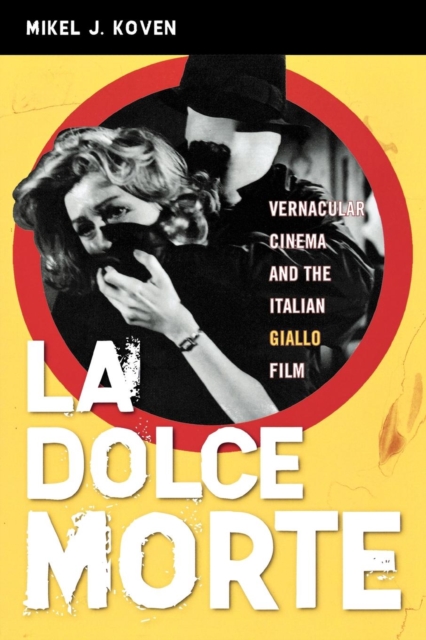
With the exception of die-hard aficionados of European or Italian horror cinema, most people may not have heard of giallo cinema or have seen many films in this subgenre of horror.
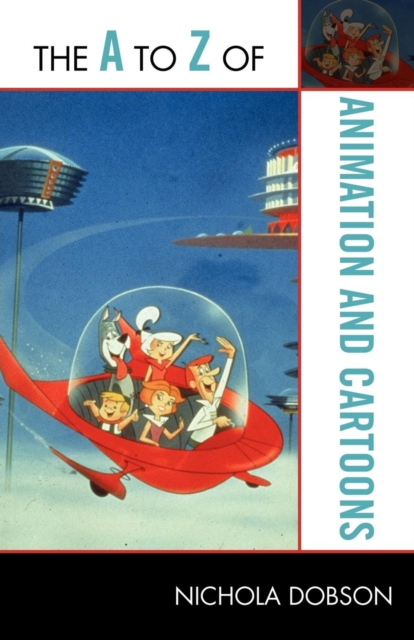
Animation was once a relatively simple matter, using fairly primitive means to produce rather short films of subjects that were generally comedic and often quite childish.
Released in 1972, 1974, and 1990 respectively, Francis Ford Coppola's three-part saga is one of the greatest artistic accomplishments (and financial successes) in the history of Hollywood cinema.
Over the past twenty years, a range of radical developments has revolutionized musicology, leading certain practitioners to describe their discipline as "e;New.
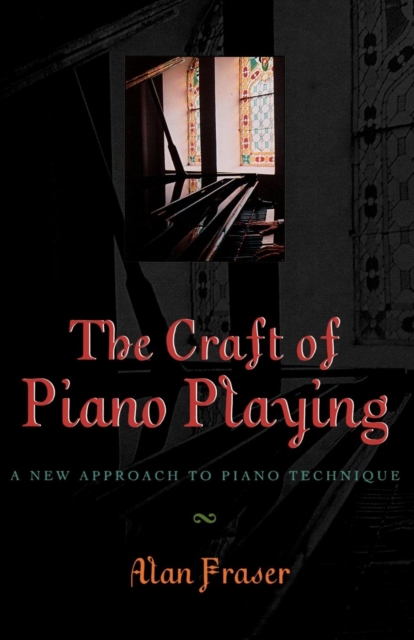
The Craft of Piano Playing presents a new, comprehensive and highly original approach to piano technique with a fascinating series of exercises designed to help the reader put this approach into practice.
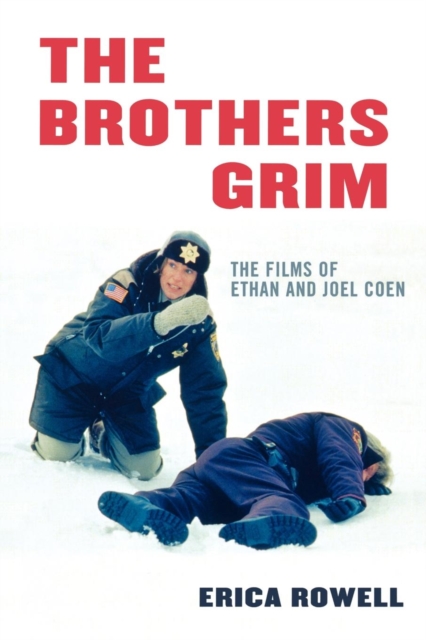
In 1984 Joel and Ethan Coen burst onto the art-house film scene with their neo-noir Blood Simple and ever since then they have sharpened the cutting edge of independent film.
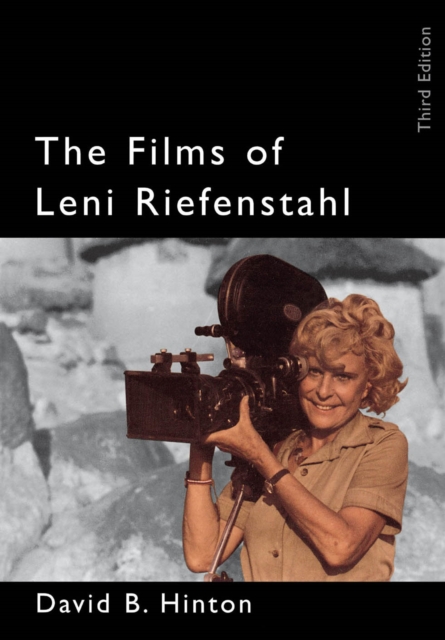
After considerable controversy over the bold appraisal of Riefenstahl in his first two editions, Hinton continues to celebrate the life and films of this brilliant woman in the absence of the repetitious cliches that so often accompany a discussion of such a controversial filmmaker.
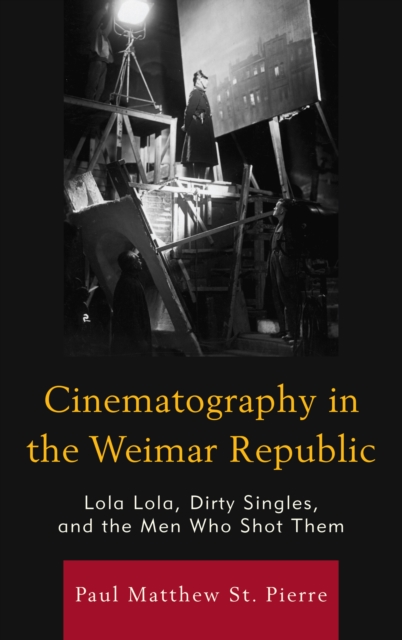
In film history, director-cinematographer collaborations were on a labor spectrum, with the model of the contracted camera operator in the silent era and that of the cinematographer in the sound era.
Over the past twenty years, a range of radical developments has revolutionized musicology, leading certain practitioners to describe their discipline as "e;New.
This book aims to put modern continental philosophy, specifically the sub-fields of phenomenology, existentialism, hermeneutics, deconstruction, critical theory and genealogy, into conversation with the field of contemporary theology.
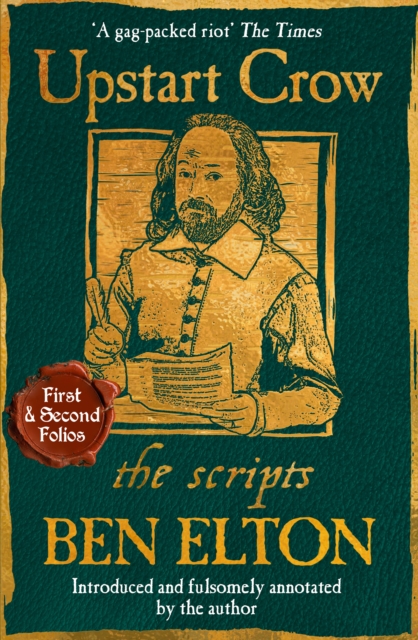
"e;This does indeed deserve comparisons with Blackadder"e; Radio Times"e;A knockabout, well-researched take on the working and domestic life of Shakespeare.
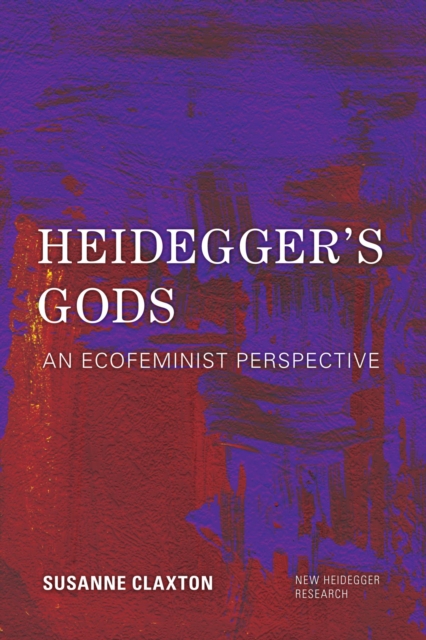
This highly original new book highlights the importance and significance of Heidegger's engagement with the Greeks, the ways in which his views are commensurate with ecofeminism, and the insights that a study of that intersection provides for both the diagnoses of our world's ills and possible curative prescriptions.
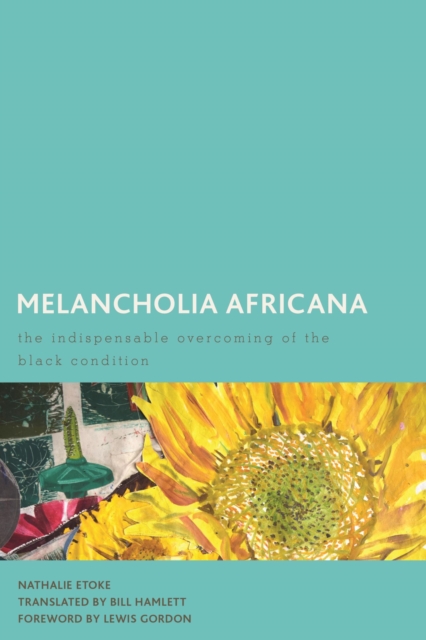
Melancholia Africana argues that in the African and Afro-diasporic context, melancholy is rooted in collective experiences such as slavery, colonization, and the post-colony.
Through his innovative study of language, noted Heidegger scholar Lawrence Hatab offers a proto-phenomenological account of the lived world, the "e;first"e; world of factical life, where pre-reflective, immediate disclosiveness precedes and makes possible representational models of language.
This important new book offers an introduction to Heidegger's phenomenology of perception, interpreting and explaining five key words, 'Sein', 'Dasein', 'Ereignis', 'Lichtung', and 'Geschick'.
Martin Heidegger was a captivating and controversial philosopher, known for his highly original and challenging philosophical concepts, as well as his association with - and sympathy for - the Nazi Party during World War II.
Merleau-Ponty's status as a philosopher of perception is well-established, but his distinctive contributions to the philosophy and phenomenology of language have yet to be fully appreciated.
Contexts of Suffering draws on Martin Heidegger's phenomenology and his analysis of human existence to challenge core assumptions in contemporary psychiatry by contextualizing mental illness and illuminating its existential and experiential qualities.
Whether inscribed in physical media, projected on surfaces, or viewed on digital devices, we find ourselves constantly inundated with streams of visual data.
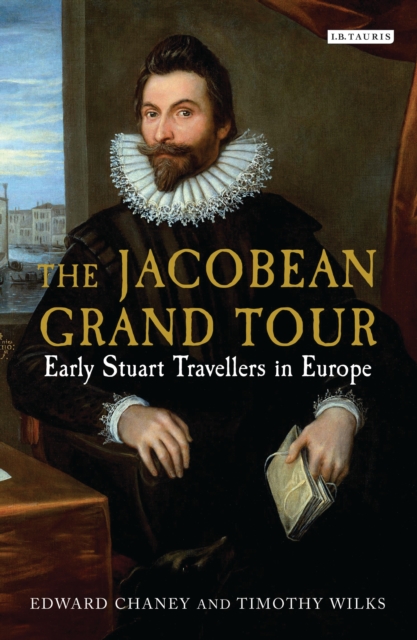
Although the eighteenth century is traditionally seen as the age of the Grand Tour, it was in fact the continental travel of Jacobean noblemen which really constituted the beginning of the Tour as an institutionalized phenomenon.
The Strand is one of London's most iconic streets - today the bustling and thriving home of West End theatres and the luxurious Savoy hotel; in the Victorian era, the Strand was a much more seedy and destitute part of the city.
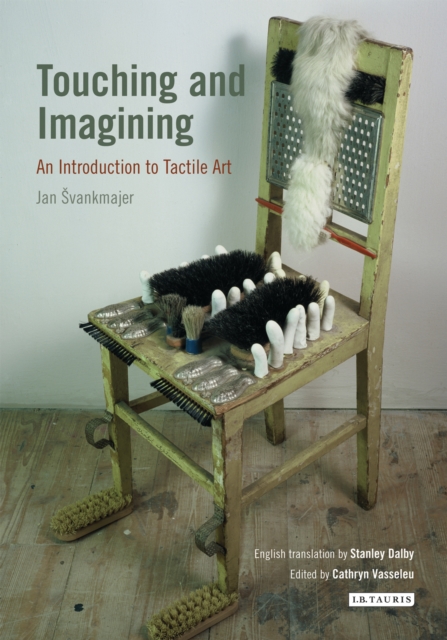
Jan Svankmajer wrote this remarkable book on tactile art when he stopped directing films and experimented intensively with tactile art after repeated censorship by the communist governmnent of Czechoslovakia.
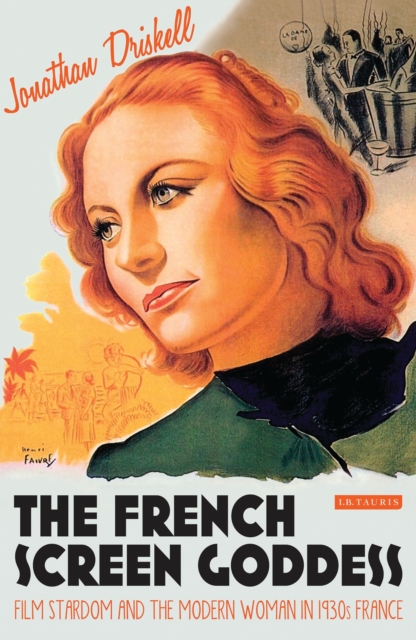
Many years before Brigitte Bardot and Catherine Deneuve rose to fame, the French cinema produced a host of glamorous female stars designed to rival their Hollywood counterparts.
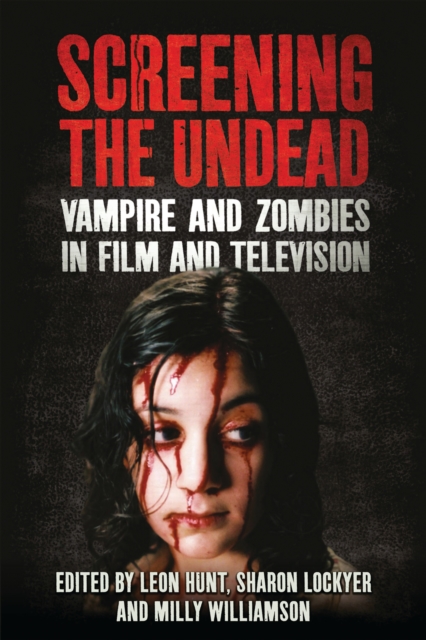
The vampire and the zombie, the two most popular incarnations of the undead, are brought together for a forensic critical investigation in Screening the Undead.
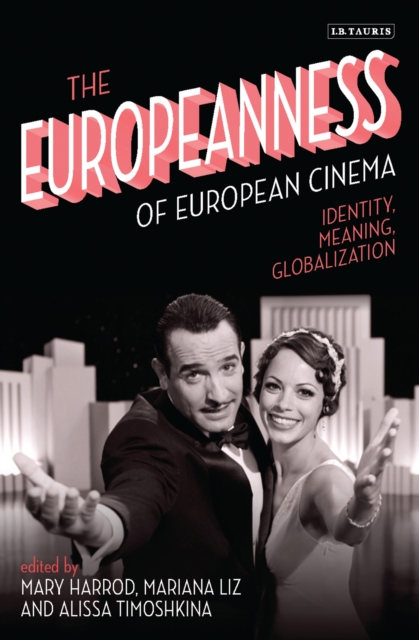
From The Artist to The White Ribbon, from Oscar to Palme d'Or-winning productions, European filmmaking is more prominent, world-wide, than ever before.
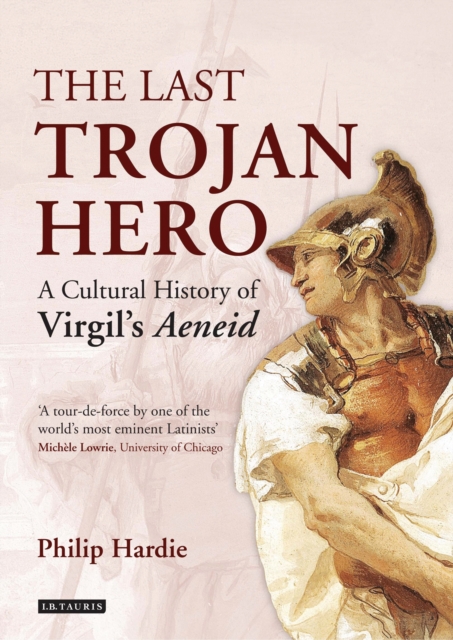
I sing of arms and of a man: his fate had made him fugitive: he was the first to journey from the coasts of Troy as far as Italy and the Lavinian shores.
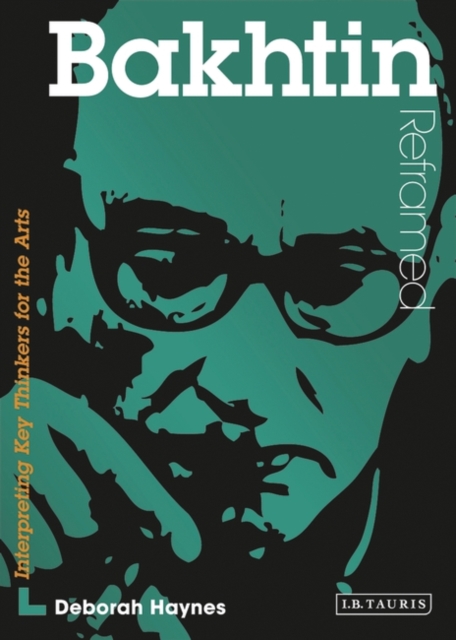
Legendary philosopher and literary critic Mikhail Bakhtin (1895-1975) developed concepts which are bywords within poststructuralist and new historicist literary criticism and philosophy yet have been under-utilised by artists, art historians and art critics.
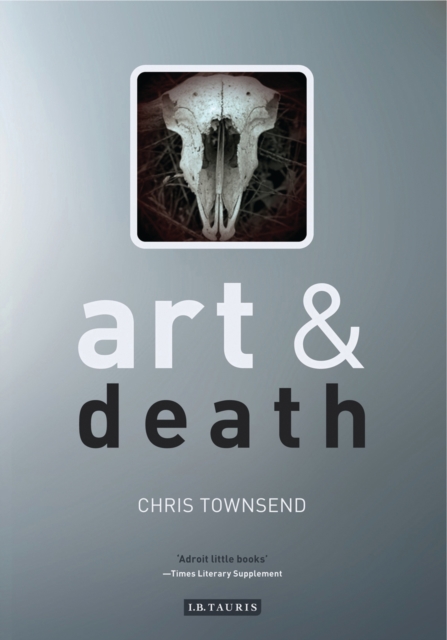
This highly sensitive and beautifully written book looks closely at the way contemporary Western artists negotiate death, both as personal experience and in the wider community.
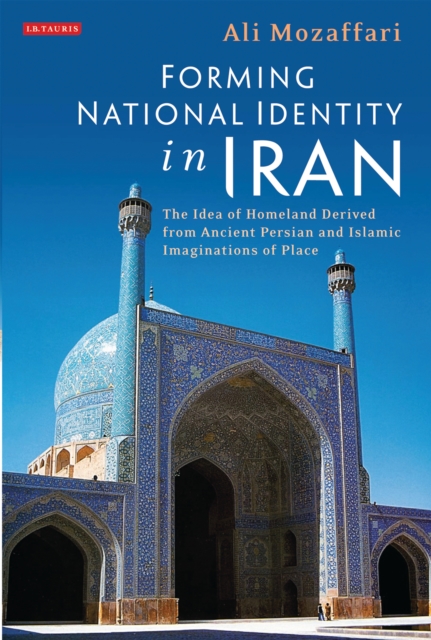
Modern Iran is a country with two significant but competing discourses of national identity, one stemming from ancient pre-Islamic customs and mythology, the other from Islamic Shi'i practices and beliefs.
Modern Iran is a country with two significant but competing discourses of national identity, one stemming from ancient pre-Islamic customs and mythology, the other from Islamic Shi'i practices and beliefs.
Philosophical debates, many of them involving the appropriation of modern Western philosophical doctrines, are a crucial element shaping the intellectual and practical behaviour of many thinkers in the Islamicate world and their audiences.