Media Freedom in an Evolving Journalism Landscape offers an international account of changes and continuity in media freedom and the emergence of new threats in the evolving journalistic sphere.
Written near the end of Sadako Sawamura's remarkable life, My Asakusa (Watashi co Asakusa) is a charming collection of autobiographical essays by a truly self-made woman.
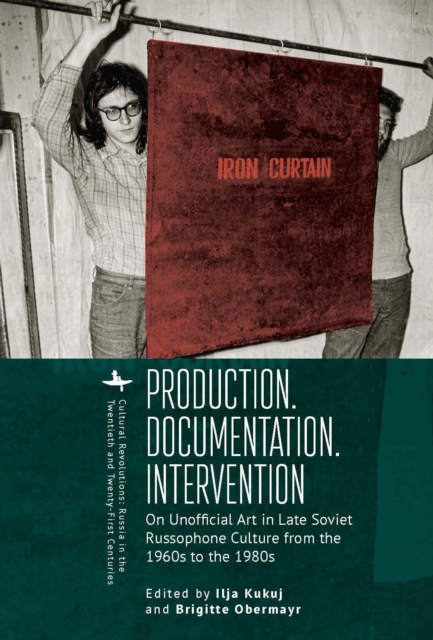
This volume examines the artistic world of late Soviet unofficial artthe work that happened outside official channels, invisible to the general publicand asks what it actually took to make and sustain that world.
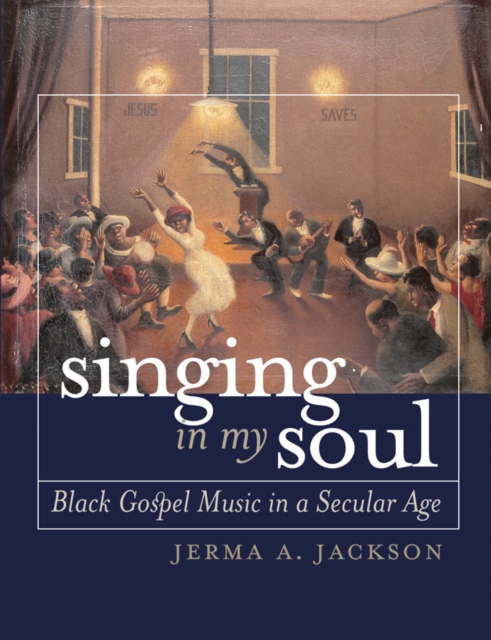
Black gospel music grew from obscure nineteenth-century beginnings to become the leading style of sacred music in black American communities after World War II.
A SUNDAY TIMES BESTSELLER From two-time Academy Award winner from 16 nominations, and five-time BAFTA award winner from 11 nominations, Sir Roger Deakins - widely regarded as the greatest cinematographer of all time - a one-of-a-kind visual memoir, telling his life's story by way of his iconic, beloved films, including The Shawshank Redemption, Skyfall, Fargo, Blade Runner 2049, The Big Lebowski, 1917, and No Country for Old Men, among others.
Written near the end of Sadako Sawamura's remarkable life, My Asakusa (Watashi co Asakusa) is a charming collection of autobiographical essays by a truly self-made woman.
In the evolving landscape of digital product development, navigating the complexities of emerging technologies, user expectations, and team dynamics can feel daunting.
The art of the story-teller examines the craft of storytelling, highlighting its role in nurturing imagination, engagement, and learning among children.
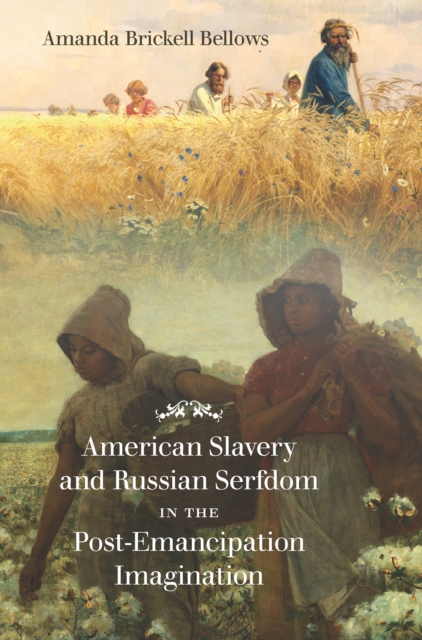
The abolition of Russian serfdom in 1861 and American slavery in 1865 transformed both nations as Russian peasants and African Americans gained new rights as subjects and citizens.
The abolition of Russian serfdom in 1861 and American slavery in 1865 transformed both nations as Russian peasants and African Americans gained new rights as subjects and citizens.
Branded Heritage and Real Estate presents a bold and timely investigation into the intersection of two powerful forces reshaping our cities today: the financialisation of space and the strategic use of heritage as a vehicle for profit.
Late Stage: Theatrical Perspectives on Age and Aging represents the first comprehensive anthology to critically interrogate the intersection of age studies with theater and performance studies.
It is impossible to understand principles without some statement of theory; and a book in order to be practical must therefore be to some extent theoretical.
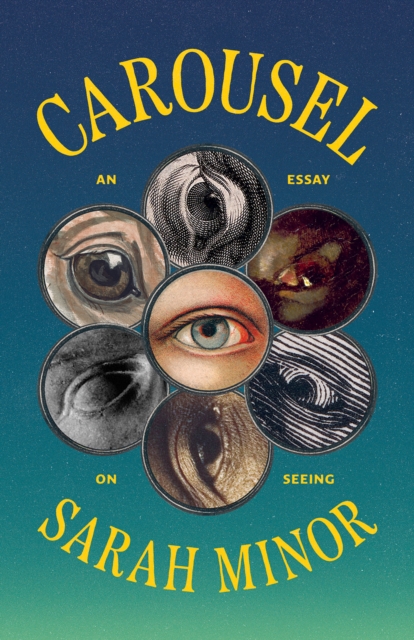
From an award-winning writer, a critical reflection on the human desire to see and be seenCarousel opens as a professor begins delivering a lecture to a hot room.
Famous affinities of history - Complete explores some of the most captivating love stories of notable historical figures, intertwining romance with the forces that shaped their lives and legacies.
MODERN scientific publications, although they may in some or even many cases equal in their scientific quality the memoirs of earlier workers, do not, on the average, reach a high standard as regards illustration.
Late Stage: Theatrical Perspectives on Age and Aging represents the first comprehensive anthology to critically interrogate the intersection of age studies with theater and performance studies.
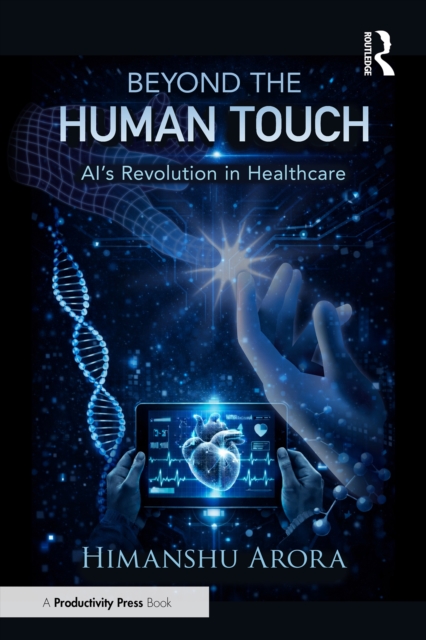
Beyond the Human Touch: AI's Revolution in Healthcare provides a comprehensive, accessible, and engaging exploration of how Artificial Intelligence (AI) is transforming healthcare.
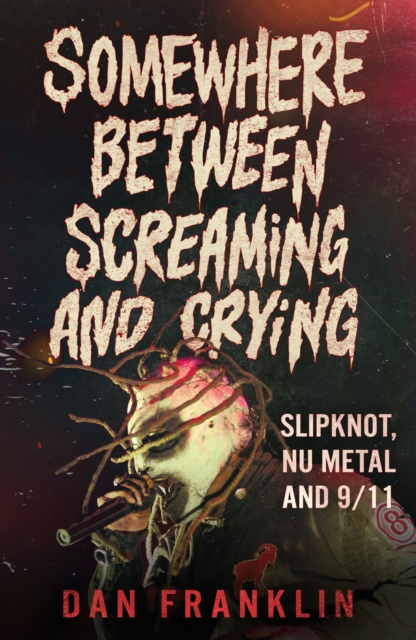
A captivating biography of Slipknot by acclaimed music writer, Dan Franklin, to coincide with the 25th Anniversary of Iowa: an album that redefined metal.
Create original 3D games by combining Blender 5's modeling tools with Unity 6's real-time engine in a streamlined, procedural workflowFree with your book: DRM-free PDF version + access to Packt's next-gen Reader*Key FeaturesIntegrate Blender 5 and Unity 6 for seamless 3D game developmentUse procedural geometry, asset linking, and automation toolsAutomate asset export and scene updates with PythonBook DescriptionCombine the best of two powerful tools, Blender 5 and Unity 6, to create stunning, real-time 3D games.
Witty, personal, and engaging, this cri de coeur from an esteemed critic takes on the age-old question of what elevates a mere building into an art formWhat is it about architecture that distinguishes it from ordinary building?
Media Freedom in an Evolving Journalism Landscape offers an international account of changes and continuity in media freedom and the emergence of new threats in the evolving journalistic sphere.
Scottish-born stylist Ray Petri (1948 1989), founder of the maverick Buffalo collective, defined the look and feel of radical 1980s magazines such as The Face, i-D, and Arena.
'An astonishing adventure' - Isabella Tree, author of Wilding'Teeming with life' - The Irish Times'Enchanting' - New Scientist'Absorbing' - Country LifeA mind-expanding deep dive into how animals have shaped us, from the Paleolithic to the present day.
On conducting (Ueber das Dirigiren): A treatise on style in the execution of classical music offers a detailed examination of the principles and artistry required in orchestral leadership.
Create original 3D games by combining Blender 5's modeling tools with Unity 6's real-time engine in a streamlined, procedural workflowFree with your book: DRM-free PDF version + access to Packt's next-gen Reader*Key FeaturesIntegrate Blender 5 and Unity 6 for seamless 3D game developmentUse procedural geometry, asset linking, and automation toolsAutomate asset export and scene updates with PythonBook DescriptionCombine the best of two powerful tools, Blender 5 and Unity 6, to create stunning, real-time 3D games.
This book takes an approach that leverages methods using time series analysis, machine learning, and stochastic models to effectively forecast solar power.
'We never go out of style' - Taylor From the dazzling sparkle of Lover and the ethereal lace of Folklore to the cosy plaids of Evermore, Taylor's eras-defining looks have influenced a generation.
The recent success of the Left Behind book series, which sold over 50 million books, points to an enormous readership of evangelical Christian literature that has not gone unnoticed by the mainstream publishing world.
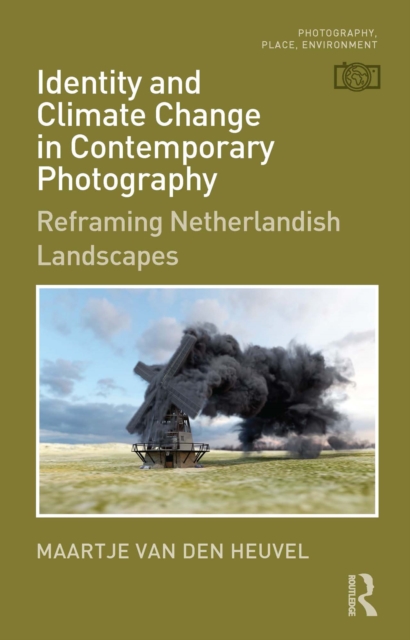
Through an interdisciplinary lens, this book examines how contemporary photography captures shifting attitudes towards Dutch land, water, history, and identity, in the context of the Netherlands being at the crossroads of industrial globalisation and climate vulnerability.
Between their formation in 1977 and retirement as a band in 2012, INXS went from pub band to world fame with their unique hybrid of rock, pop and funk.
The recent success of the Left Behind book series, which sold over 50 million books, points to an enormous readership of evangelical Christian literature that has not gone unnoticed by the mainstream publishing world.
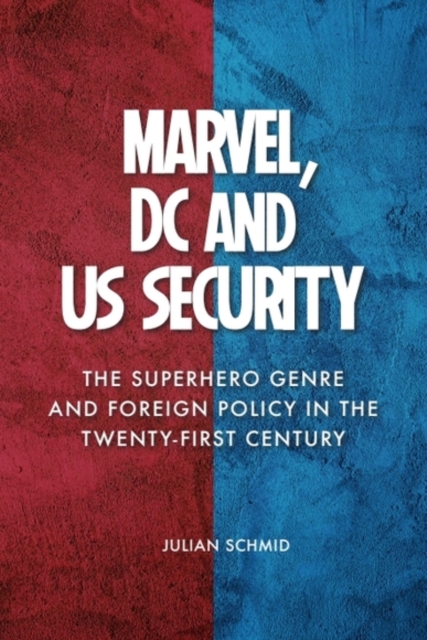
This book considers how the long-standing superhero genre has been reinvigorated in the twenty-first century as an interlocutor of security and surveillance discourses following the events of ‘9/11’.