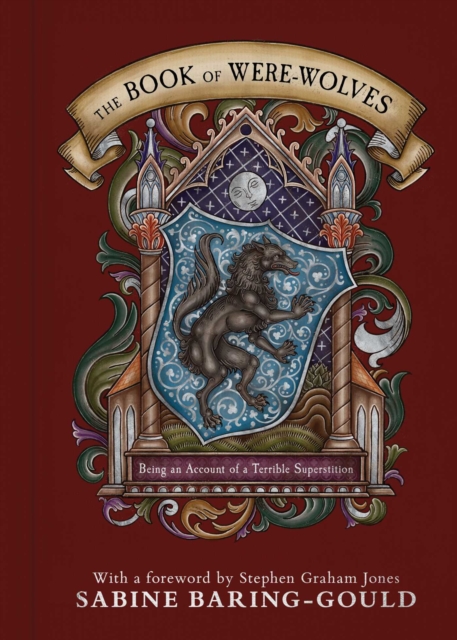
Anglican priest and author Sabine Baring-Goulds The Book of Were-Wolves has long prowled the edges of horror lore and been whispered about by devoted fans, but now, after decades, this ancient work reemerges in a stunning hardcover edition, introduced by modern horror master Stephen Graham Jones.
Assembled from centuries of oral folk poetry, The Kalevala gave Finland its national epic - a sweeping saga of shamans, sky-forged treasures, doomed love, and a magic mill that grinds out fortune itself.
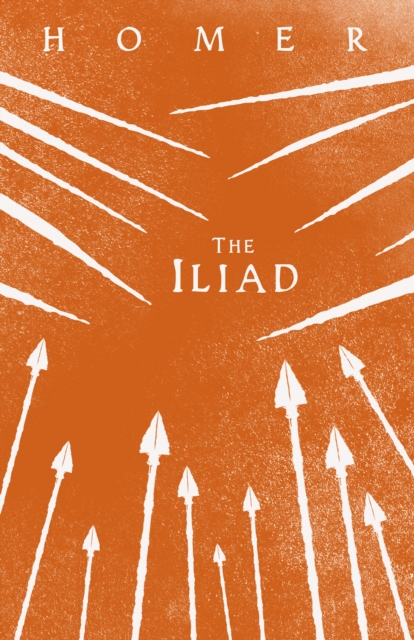
The wrath of Achilles, the fall of heroes and the will of the gods - The Iliad is Homer's towering epic of the Trojan War, published here in Alexander Pope's celebrated verse translation.
The Odyssey is Homer's epic of homecoming - the ten-year voyage of Odysseus back from Troy, through monsters, gods and the lure of the sea - published here in Alexander Pope's celebrated verse translation.
Obra extraordinaria, además de por su contenido, por las extraordinarias circunstancias que la rodean, las "Fábulas mitológicas" son, junto con la "Biblioteca mitológica" de Apolodoro, uno de los compendios fundamentales de mitos de la Antigüedad grecorromana.
La figura de la primera poeta del mundo occidental está envuelta en un misterio que ha suscitado curiosidad, admiración y rechazo a lo largo de los siglos.
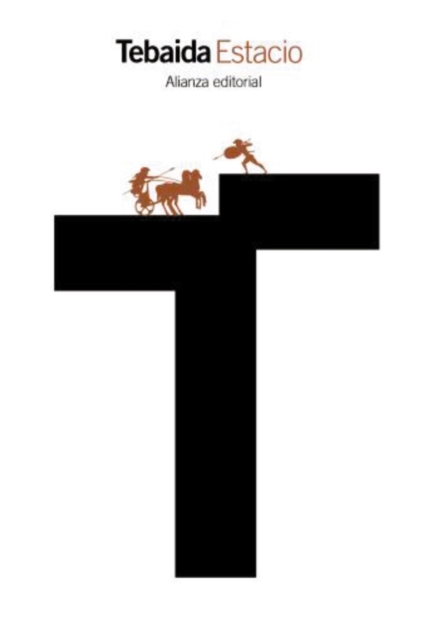
Además del gran valor que tiene para la historia de la épica antigua la "Tebaida", del poeta y maestro latino Estacio (45-96), por cuanto se trata de la única epopeya que ha llegado hasta nosotros, y además íntegra, referente al ciclo tebano -y, por lo tanto, en la estela de tragedias como "Los Siete contra Tebas", de Esquilo; "Antígona", "Edipo rey" y "Edipo en Colono", de Sófocles; o "Fenicias" y "Suplicantes", de Eurípides, todas presentes en esta colección-, el poema merece por sí mismo ser rescatado del olvido.
"Las obras más hermosas de la literatura acadia" presenta una selección de aquellos textos que, por su importancia y calidad, resultan imprescindibles para acceder no solo al rico y desconocido mundo de la literatura y la cultura en lengua acadia, sino a la antigua Mesopotamia en general.
Eine Sammlung von vierundzwanzig Legenden, die auf unterschiedlichen frühen Quellen beruhen: Neben der titelgebenden Legende geht es beispielsweise ebenso in "Die heilige Cäcilia", "Die Mutter Gottes und der Räuber" oder "Der Soldat und das Jesuskind" um die Wunderwelt der Heiligen, die sich dem Leser beim Eintauchen in das Geschehen offenbart.
"Dein Sohn wird dich töten und seine Mutter zur Frau nehmen" – diese fürchterliche Prophezeiung bringt den griechischen König Laios dazu, seinem Sohn die Fußsohlen zu durchstechen und ihn in der Wildnis auszusetzen.
Studienarbeit aus dem Jahr 2021 im Fachbereich Philosophie - Philosophie außerhalb der abendländischen Tradition, Note: 1,3, Leuphana Universität Lüneburg, Sprache: Deutsch, Abstract: Diese Arbeit beschäftigt sich mit der Frage, wie und warum Odysseus in den gegebenen Situationen zu einer bestimmten List greift und inwiefern er damit sein Selbstbild definiert.
Studienarbeit aus dem Jahr 2020 im Fachbereich Griechisch / Altgriechisch, Note: 2,0, Leuphana Universität Lüneburg, Sprache: Deutsch, Abstract: Diese Arbeit beschäftigt sich mit Homers "Odyssee".
Studienarbeit aus dem Jahr 2020 im Fachbereich Germanistik - Literaturgeschichte, Epochen, Note: 1,3, Universität Leipzig (Germanistik), Veranstaltung: Thüring von Ringoltingen, Melusine, Sprache: Deutsch, Abstract: Kern der Untersuchung bildet die Frage der Verortung der Undinenfigur innerhalb des Entdämonisierungsprozesses.