Among the oldest adventure stories still told, Homer's Odyssey - rendered here in prose - follows Odysseus, hero-king of Ithaca, through ten years of trial on his long voyage home from the Trojan War.
This epic volume brings together the two greatest adventure stories ever told - Homer's Iliad and Odyssey - the twin heroic poems at the foundation of Western literature, retold here in prose.
This edition of The Iliad is Homer's legendary account of the Trojan War in prose - an epic battle fought over three thousand years ago that left a lasting mark on world history.
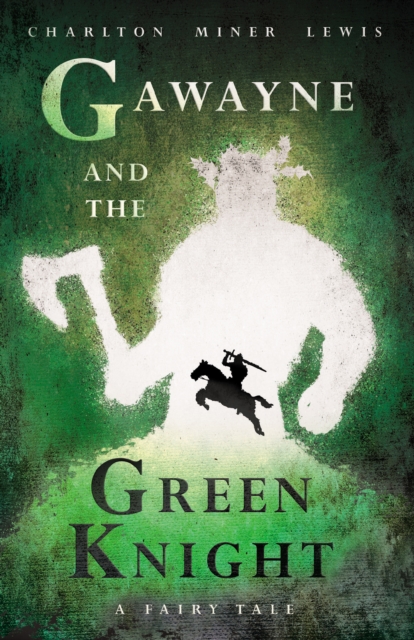
Featuring both the original text and a modern, translated version, this fourteenth-century Arthurian poem tells the legendary tale of the mysterious Green Knight and Sir Gawain, a great knight of the Round Table.
The legendary tale of King Arthur and his Knights of the Round Table is one of the most famous folk tales in history, with Merlin the Wizard and the virtuous Sir Lancelot being known and loved by young and old alike to this day.
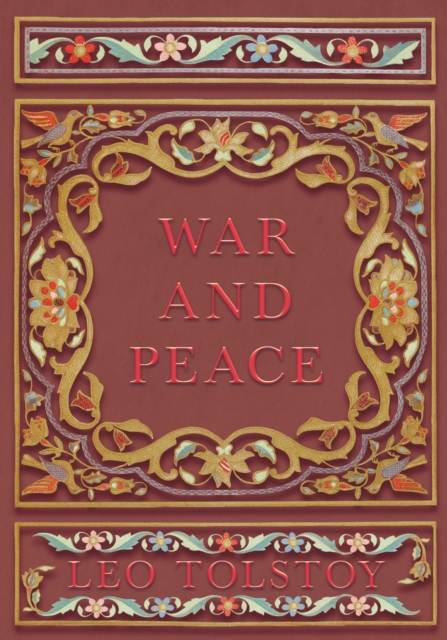
One of the most famous examples of classic world literature, Tolstoy's "e;War and Peace"e; is an epic chronicle of France's invasion of Russia and the aftermath of the Napoleonic era on Russian society as experienced by five families belonging to the aristocracy.
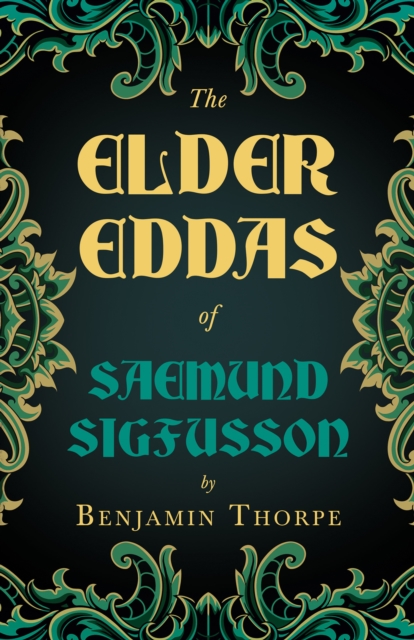
In the following grand and ancient lay, dating most probably from the time of heathenism, are set forth, as the utterances of a Vala, or wandering prophetess, as above described, the story of the creation of the world from chaos, of the origin of the giants, the gods, the dwarfs, and the human race, together with other events relating to the mythology of the North, and ending with the destruction of the gods and the world, and their renewal.
The play is notable for its absurd humour, its imaginative appeal for an end to the Peloponnesian War and for the author's spirited response to condemnations of his previous play, The Babylonians, by politicians such as Cleon, who had reviled it as a slander against the Athenian polis.
The Frogs tells the story of the god Dionysus, despairing of the state of Athens' tragedians, and allegedly recovering from the disastrous Battle of Arginusae.
Unlike the author's other early plays, it includes no direct mention of the Peloponnesian War and there are few references to Athenian politics, and yet it was staged not long after the commencement of the Sicilian Expedition, an ambitious military campaign that had greatly increased Athenian commitment to the war effort.
Mythology is the body of myths and teachings that belong to the ancient people, concerning their gods and heroes, the nature of the world, and the origins and significance of their own cult and ritual practices.
Lysistrata persuades the women of Greece to withhold sexual privileges from their husbands and lovers as a means of forcing the men to negotiate peace - a strategy, however, that inflames the battle between the sexes.
Hesiod's Theogony is a large-scale synthesis of a vast variety of local Greek traditions concerning the gods, organized as a narrative that tells how they came to be and how they established permanent control over the cosmos.
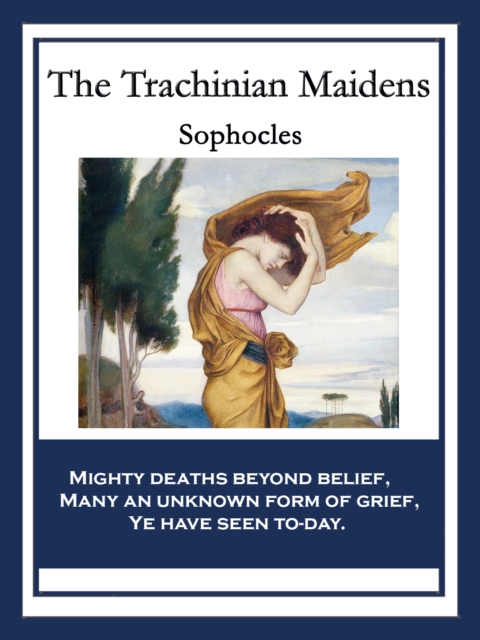
'The Trachinian Maidens' (also 'Women of Trachis' or 'The Trachiniae') is an Athenian tragedy by Sophocles, in which Deianeira, the wife of Heracles, is distraught over her husband's neglect of her family.
A conversational text that addresses many philosophical concepts as well as Western religion by questioning good versus evil and the unnecessary suffering of innocent people.
Similar to Nicomachean Ethics, Aristotle explores another facet of good living by outlining the best governing practices that benefit the majority, and not the minority.
The Poetics is a fundamental text that examines the development, production and effectiveness of poetry as it pertains to a writer and their intended audience.
Though it tells the stories of the defeated, Prometheus Bound and Other Plays features four tragedies that depict both unfortunate demises and the essence of the fighting human spirit.
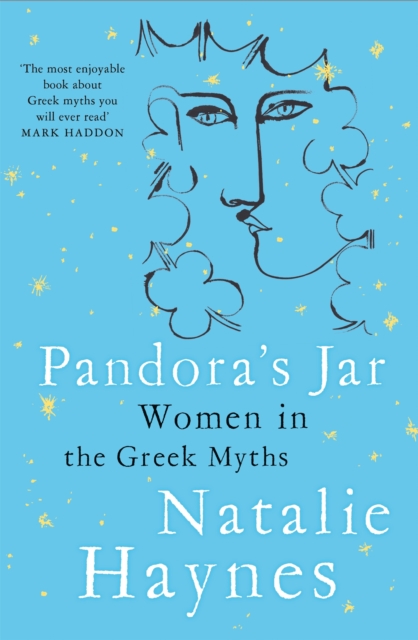
In the many retellings of the Greek myths, the focus is generally on gods and heroes, but Natalie Haynes refocuses our gaze on the remarkable women at the centre of these ancient stories.
This commentary on the 6th book of the Iliad concentrates on the interpretation of two episodes which have received a great deal of scholarly attention: the encounter between Diomedes and Glaukos, which surprisingly ends with an exchange of weapons and not a duel, and the series of scenes 'Hector in Troy', which reveal the hero's conflicting roles as defender of the city and father of his family.
WHEN GODS TURN VENGEFUL, ONLY THE BRAVE CAN DEFY FATE AND FIND THEIR WAY HOMEDiscover Stephen Fry's epic re-telling of the Odyssey for the 21st century'Relatable and full of humour ' GUARDIAN'Fry breathes contemporary relevance into these ancient tales' OBSERVER--After the fall of Troy, wily Odysseus, King of Ithaca, sails for home and his steadfast queen Penelope.