Haunting and enigmatic, Virgil's Eclogues combined a Greek literary form with scenes from contemporary Roman life to create a work that inspired a whole European tradition of pastoral poetry.
In The War with Hannibal, Livy (59 BC-AD 17) chronicles the events of the Second Punic War between Rome and Carthage, until the Battle of Zama in 202 BC.
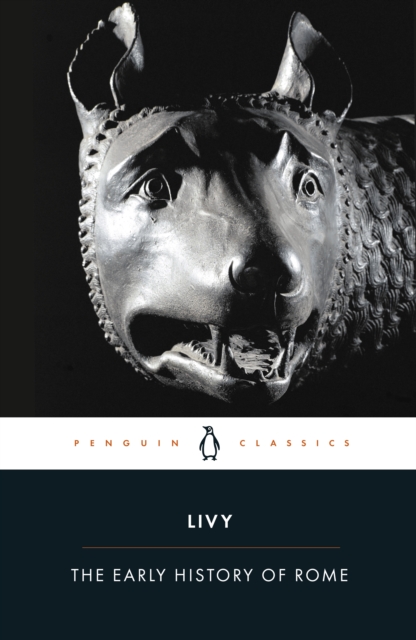
'I hope my passion for Rome's past has not impaired my judgement; for I do honestly believe that no country has ever been greater or purer than ours or richer in good citizens and noble deeds'Livy dedicated most of his life to writing some 142 volumes of history, the first five of which comprise The Early History of Rome.
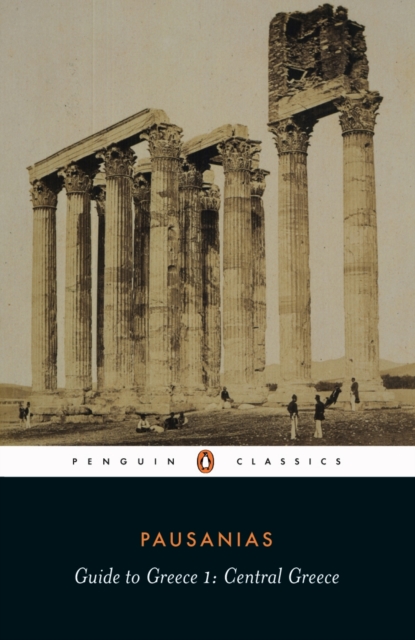
Written in the second century AD by a Greek traveller for a predominantly Roman audience, Pausanias' Guide to Greece is an extraordinarily literate and well-informed guidebook.
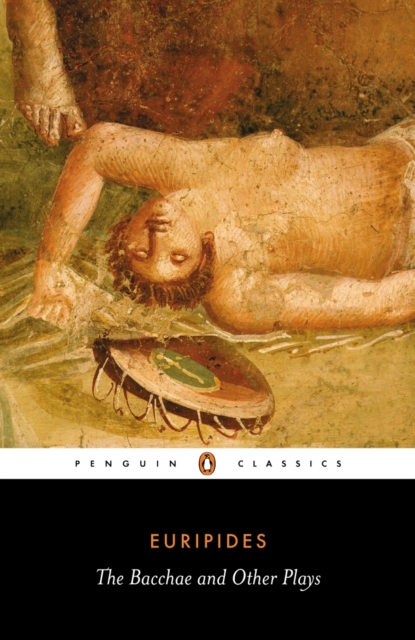
Through their sheer range, daring innovation, flawed but eloquent characters and intriguing plots, the plays of Euripides have shocked and stimulated audiences since the fifth century BC.
Agememnon is the first part of the Aeschylus's Orestian trilogy in which the leader of the Greek army returns from the Trojan war to be murdered by his treacherous wife Clytemnestra.
Written during the long battles with Sparta that were to ultimately destroy ancient Athens, these six plays by Euripides brilliantly utilize traditional legends to illustrate the futility of war.
One of the greatest playwrights of Ancient Greece, the works of Euripides (484-406 BC) were revolutionary in their depiction of tragic events caused by flawed humanity, and in their use of the gods as symbols of human nature.
Set immediately prior to the trial and execution of Socrates in 399 BC, Theaetetus shows the great philosopher considering the nature of knowledge itself, in a debate with the geometrician Theodorus and his young follower Theaetetus.
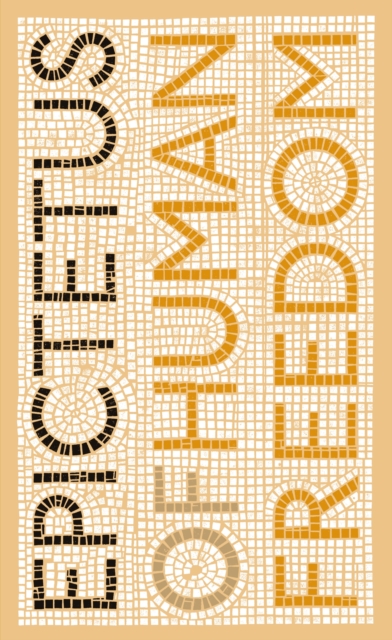
In this personal and practical guide to moral self-improvement and living a good life, the second-century philosopher Epictetus tackles questions of freedom and imprisonment, stubbornness and fear, family, friendship and love, and leaves an intriguing document of daily life in the classical world.
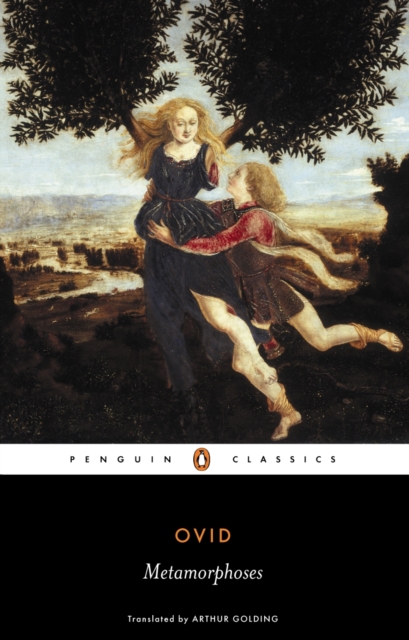
Bringing together a series of ingeniously linked myths and legends, Ovid's deliciously witty and poignant Metamorphoses describes a magical world in which men and women are transformed - often by love - into flowers, trees, animals, stones and stars.
One of the most controversial of all works to survive from ancient Rome, the Augustan History is our main source of information about the Roman emperors from 117 to 284 AD.
Cicero's speeches "e;In Defence of Sextus Roscius of Amerina,"e; "e;In Defence of Aulus Cluentius Habitus,"e; "e;In Defence of Gaius Rabirius,"e; "e;Note on the Speeches in Defence of Caelius and Milo,"e; and "e;In Defence of King Deiotarus"e; provide insight into Roman life, law, and history.
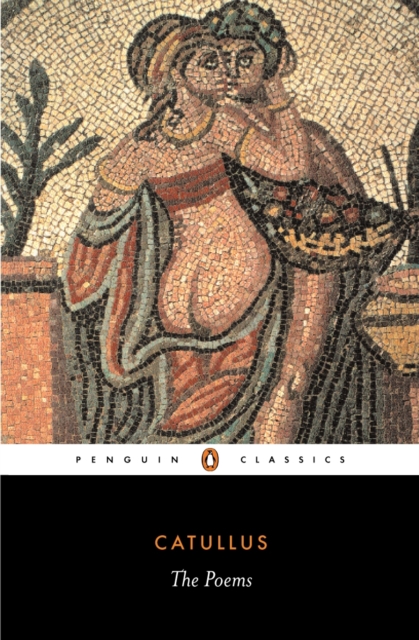
One of the most versatile of Roman poets, Catullus wrote verse of an almost unparalleled diversity and stylistic agility, from the brevity of the epigram to the sustained elegance of the elegy.
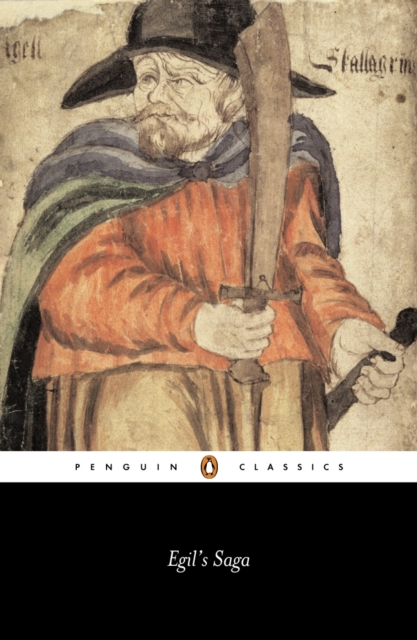
Egil's Saga tells the story of the long and brutal life of tenth-century warrior-poet and farmer Egil Skallagrimsson: a morally ambiguous character who was at once the composer of intricately beautiful poetry, and a physical grotesque capable of staggering brutality.
Alcestis/Medea/The Children of Heracles/Hippolytus'One of the best prose translations of Euripides I have seen' Robert FaglesThis selection of plays shows Euripides transforming the titanic figures of Greek myths into recognizable, fallible human beings.
'The first great book, and the first great book about the suffering and loss of war' GuardianOne of the foremost achievements in Western literature, Homer's Iliad tells the story of the darkest episode in the Trojan War.
Amid the corruption and power struggles of the collapse of the Roman Republic, Cicero (106-43BC) produced some of the most stirring and eloquent speeches in history.
Plutarch's vivid and engaging portraits of the Spartans and their customs are a major source of our knowledge about the rise and fall of this remarkable Greek city-state between the sixth and third centuries BC.
Dramatic artist, natural scientist and philosopher, Plutarch is widely regarded as the most significant historian of his era, writing sharp and succinct accounts of the greatest politicians and statesman of the classical period.
For the great Roman orator and statesman Cicero, 'the good life' was at once a life of contentment and one of moral virtue - and the two were inescapably intertwined.
The classic translation of the cornerstone work of western philosophyPlato's Republic is widely acknowledged as one of the most influential works in the history of philosophy.
Aesop was probably a prisoner of war, sold into slavery in the early sixth century BC, who represented his masters in court and negotiations, and relied on animal stories to put across his key points.
Based on the legends used in Greek drama, Seneca's plays are notable for the exuberant ruthlessness with which disastrous events are foretold and then pursued to their tragic and often bloodthirsty ends.
After the execution of Socrates in 399 BC, a number of his followers wrote dialogues featuring him as the protagonist and, in so doing, transformed the great philosopher into a legendary figure.
This collection of Ovid's poems deals with the whole spectrum of sexual desire, ranging from deeply emotional declarations of eternal devotion to flippant arguments for promiscuity.
Rich in drama and humour, they include the controversial Ion, a debate on poetic inspiration; Laches, in which Socrates seeks to define bravery; and Euthydemus, which considers the relationship between philosophy and politics.