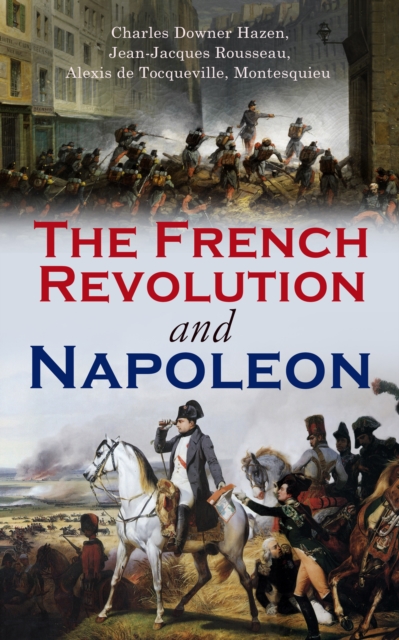
The French Revolution overthrew the monarchy, established a republic, catalyzed violent periods of political turmoil, and finally culminated in a dictatorship under Napoleon who brought many of its principles to areas he conquered in Western Europe and beyond.
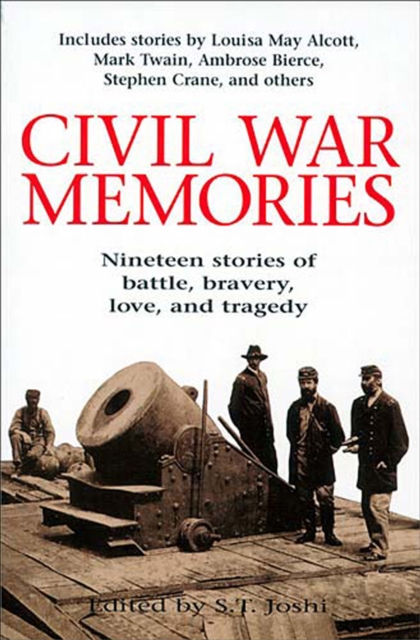
A collection of short fiction portraying all phases of the war from Louisa May Alcott, Mark Twain, Ambrose Bierce, Stephen Crane, Henry James, and others.
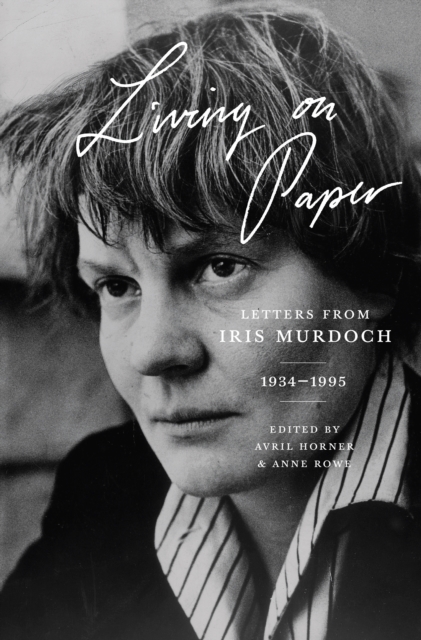
For the first time, novelist Iris Murdoch's life in her own words, from girlhood to her last yearsIris Murdoch was an acclaimed novelist and groundbreaking philosopher whose life reflected her unconventional beliefs and values.
Liz Earle provides a clear guide to all of the nutrients that our bodies need and explains how you can use diet and supplements to stay strong, energetic and healthy.
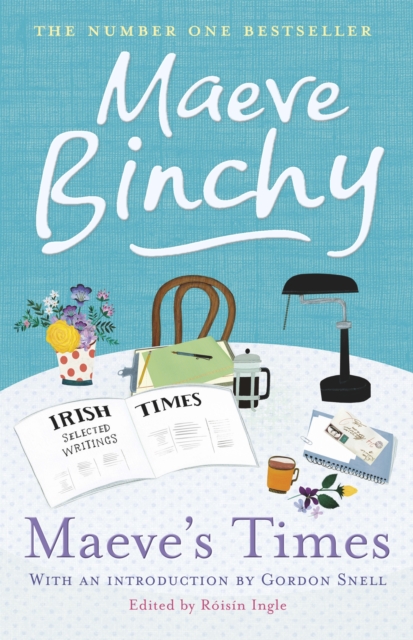
'Maeve's Times is funny and clever and kind, which are excellent qualities in both books and people' Irish Times'As someone who fell off a chair not long ago trying to hear what they were saying at the next table in a restaurant, I suppose I am obsessively interested in what some might consider the trivia of other people's lives.
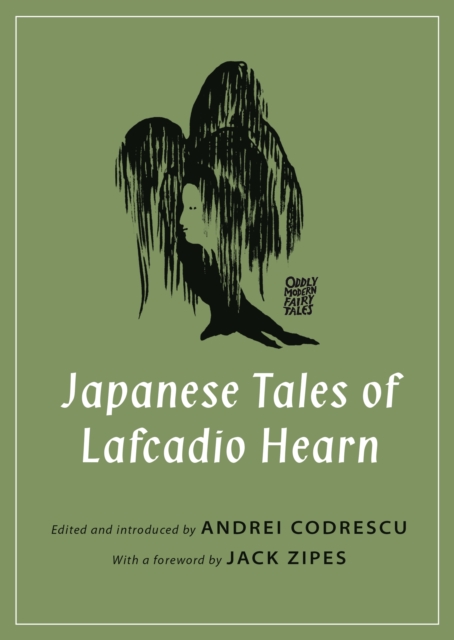
A collection of twenty-eight brilliant and strange stories, inspired by Japanese folk tales and written by renowned Western expatriate Lafcadio HearnLafcadio Hearn (1850-1904) was one of the nineteenth century's best-known writers, his name celebrated alongside those of Mark Twain and Robert Louis Stevenson.
This carefully crafted ebook: "e;THE "e;UNCONSCIOUS"e; TRILOGY: The Interpretation of Dreams, Psychopathology of Everyday Life & Wit and Its Relation to the Unconscious"e; is formatted for your eReader with a functional and detailed table of contents.
The Millionaire's Seductive RevengeMillionaire Brant Matthews's desire for his secretary only fully ignited when she became engaged to his business partner.
Award-winning New York Times bestseller and consummate storyteller Susan Wiggs brings you three enthralling historical romances about unconventional women and the men who learn to love them.
New York Times and USA TODAY bestselling author Sherryl Woods draws you into the world of Rose Cottage, where the D'Angelo sisters reunite with family and find lasting love.
The Forbidden TwinThe mysterious "e;lady in red"e; who appeared at his Manhattan apartment inflamed his senses and ignited his passion, but John Harlan's new lover was one woman he could never possess: his ex-fiancee's twin sister, Scarlet.
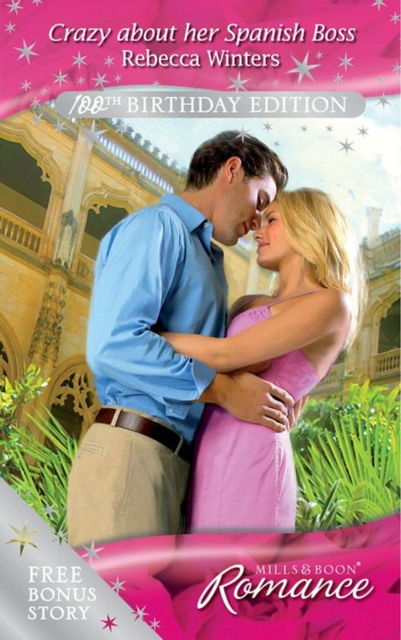
DOORSTEP TWINS Rebecca WintersStrangers Gabi Turner and powerful Greek CEO Andreas Simonides are thrown together on the beautiful Greek island of Milos to care for their baby twin nephews.
Stranded With The GroomThe annual mail-order bride re-enactment was a smashing success - until librarian Katie Fenton found herself 'wed' to a sexy mystery man - handsome Justin Caldwell.
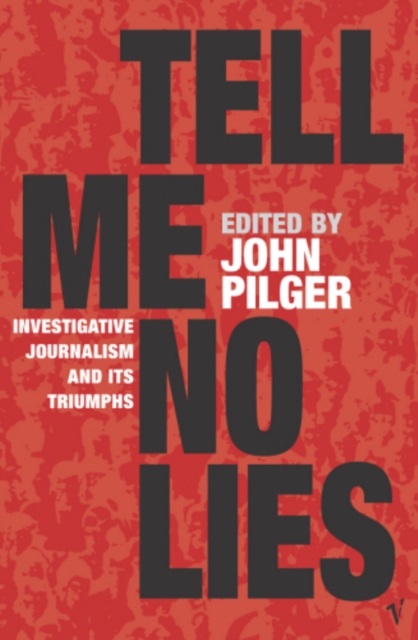
Tell Me No Lies is a celebration of the very best investigative journalism, and includes writing by some of the greatest practitioners of the craft: Seymour Hersh on the My Lai massacre; Paul Foot on the Lockerbie cover-up; Wilfred Burchett, the first Westerner to enter Hiroshima following the atomic bombing; Israeli journalist Amira Hass, reporting from the Gaza Strip in the 1990s; Gunter Wallraff, the great German undercover reporter; Jessica Mitford on 'The American Way of Death'; Martha Gelhorn on the liberation of the death camp at Dachau.
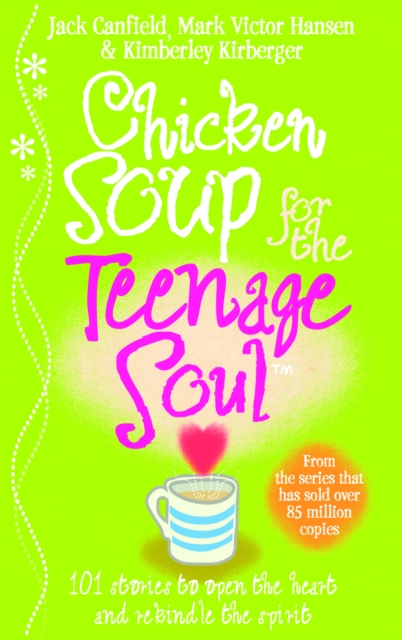
Chicken Soup for the Teenage Soul is your handbook for surviving and succeeding during the exciting teen years with both your sanity and sense of humour intact.
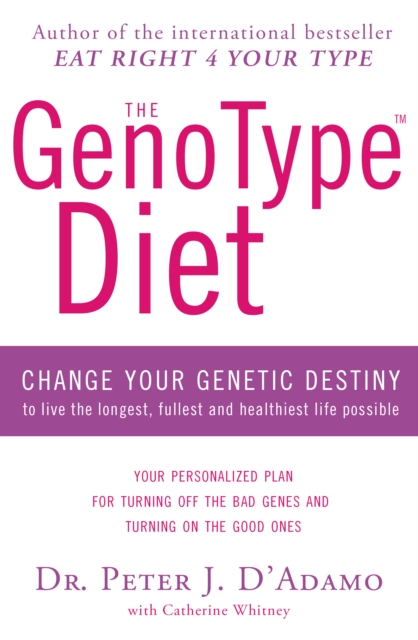
With his acclaimed Eat Right 4 Your Type diet series, Dr Peter D'Adamo started a health craze which proved that when it comes to dieting, one plan does not fit all.
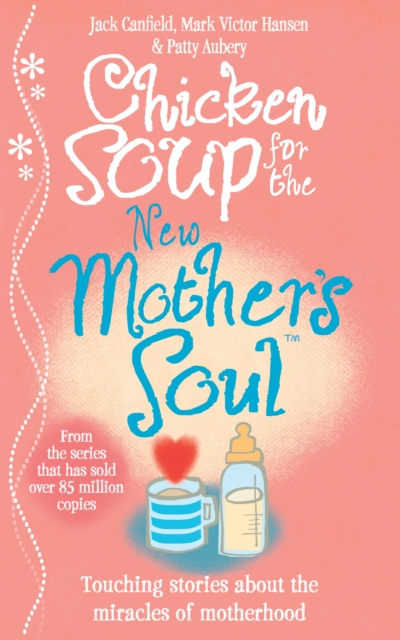
Chicken Soup for the New Mother's Soul is a collection of stories from the hearts of mothers, old and new, about the most amazing and profound experience in a woman's life - the birth of her first child.
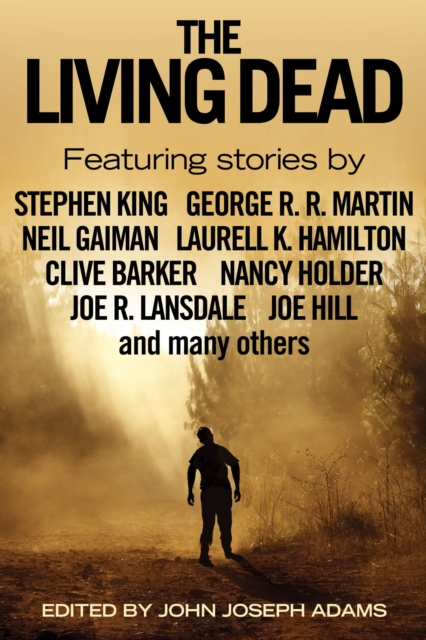
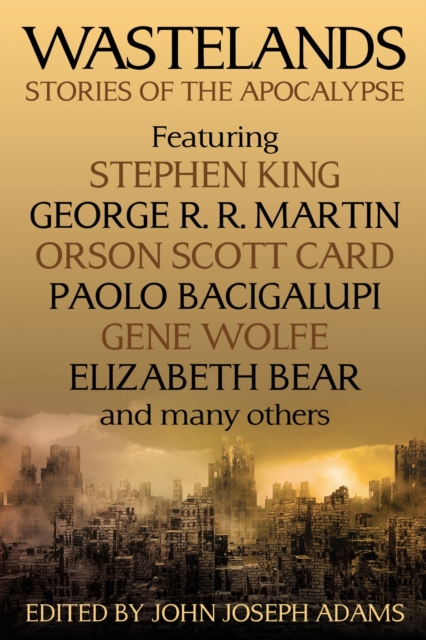
An anthology of post-apocalyptic short fiction from some of the biggest names in science fiction and speculative fiction - including Stephen King, George R.
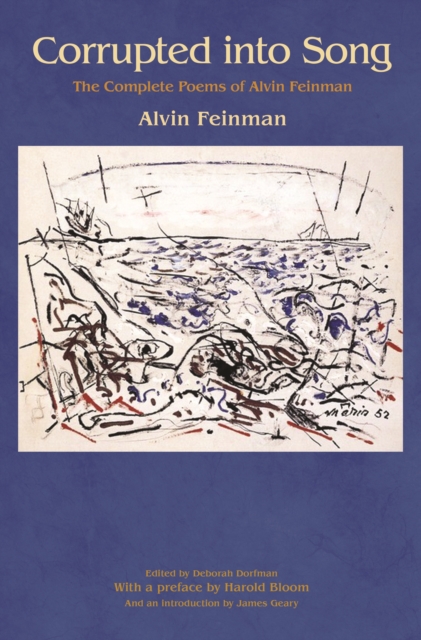
A definitive edition that introduces a major American poet to a new generation of readersAccording to Harold Bloom, "e;The best of Alvin Feinman's poetry is as good as anything by a twentieth-century American.