This thoughtful examination of incarceration in the United States from the 1980s to the current time offers for consideration a transparent and humane correctional model for the future.
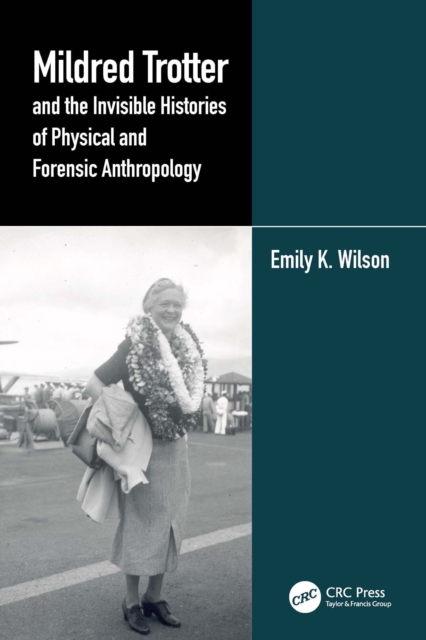
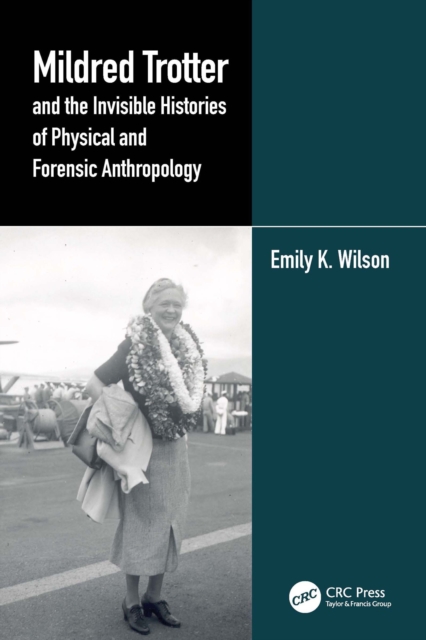
In the wake of World War II, anatomist and anthropologist Mildred Trotter left the Midwest for a temporary post as the forensic anthropology expert for the Army in the Territory of Hawaii.
In the wake of World War II, anatomist and anthropologist Mildred Trotter left the Midwest for a temporary post as the forensic anthropology expert for the Army in the Territory of Hawaii.
This book, first published in 1984, examines the lifetime of Georges Cuvier, and in his constant and varying struggles to retain his position both as a politician and as a leading naturalist we find displayed almost all of the political tensions of Restoration France.
This book, first published in 1984, examines the lifetime of Georges Cuvier, and in his constant and varying struggles to retain his position both as a politician and as a leading naturalist we find displayed almost all of the political tensions of Restoration France.
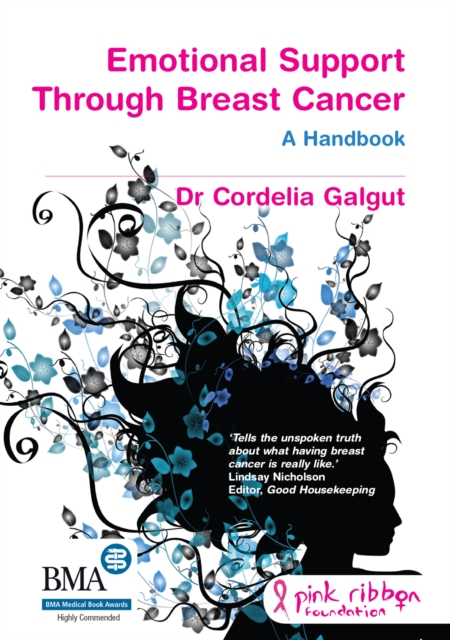
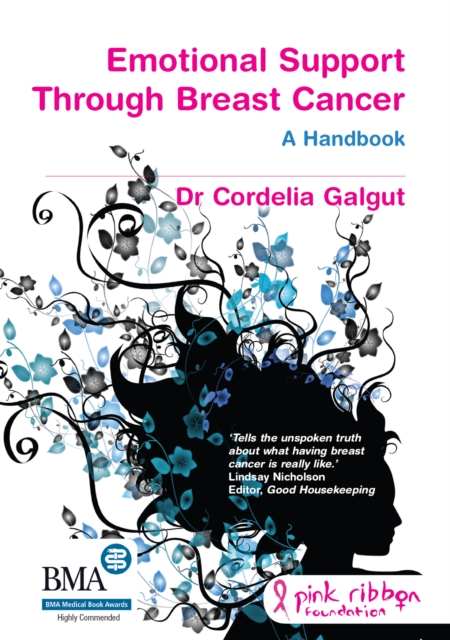
This compassionate guide presents an array of new perspectives on the emotional effects of breast cancer and includes many personal testimonies from women who have been diagnosed with this disease.
This compassionate guide presents an array of new perspectives on the emotional effects of breast cancer and includes many personal testimonies from women who have been diagnosed with this disease.
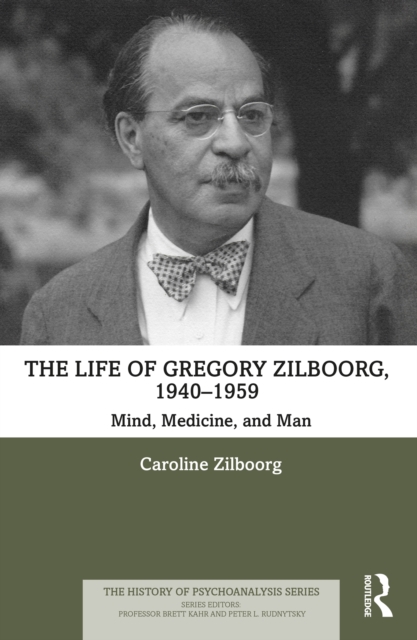
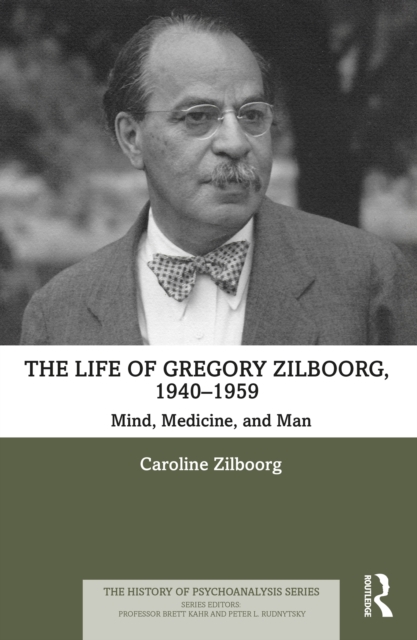
The Life of Gregory Zilboorg, 1940-1959: Mind, Medicine, and Man is the second volume of a meticulously researched two-part biography of the Russian-American psychoanalyst Gregory Zilboorg and chronicles the impact of the Second World War on his work and thinking as well as his divorce, remarriage, and conversion to Catholicism.
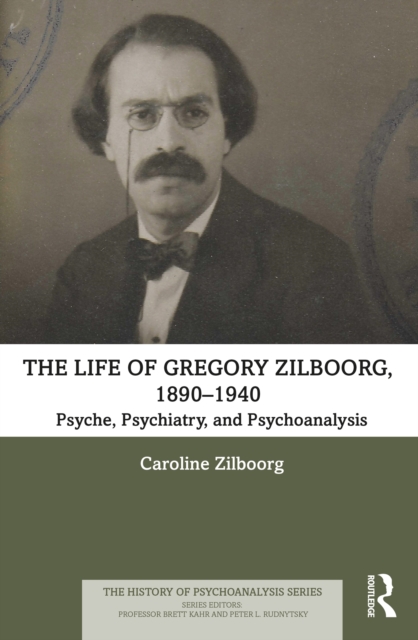
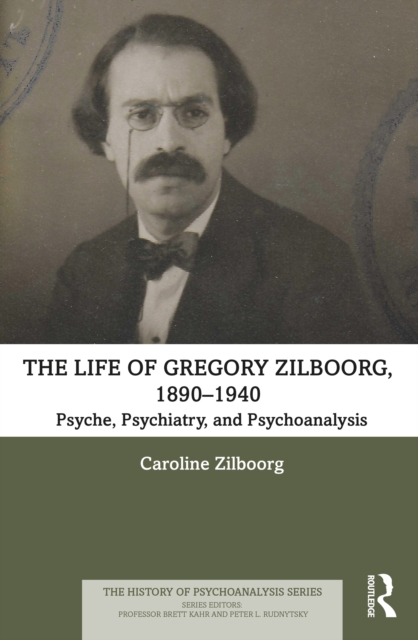
The Life of Gregory Zilboorg, 1890-1940: Psyche, Psychiatry, and Psychoanalysis is the first volume of a meticulously researched two-part biography of the Russian-American psychoanalyst Gregory Zilboorg and chronicles the period from his birth as a Jew in Tsarist Russia to his prominence as a New York psychoanalyst on the eve of the Second World War.
The Life of Gregory Zilboorg, 1940-1959: Mind, Medicine, and Man is the second volume of a meticulously researched two-part biography of the Russian-American psychoanalyst Gregory Zilboorg and chronicles the impact of the Second World War on his work and thinking as well as his divorce, remarriage, and conversion to Catholicism.
The Life of Gregory Zilboorg, 1890-1940: Psyche, Psychiatry, and Psychoanalysis is the first volume of a meticulously researched two-part biography of the Russian-American psychoanalyst Gregory Zilboorg and chronicles the period from his birth as a Jew in Tsarist Russia to his prominence as a New York psychoanalyst on the eve of the Second World War.
Key Thinkers in Industrial and Organizational Psychology explores the lives, ideas, contributions, and impact of key figures who have shaped and developed industrial and organizational (I-O) psychology.
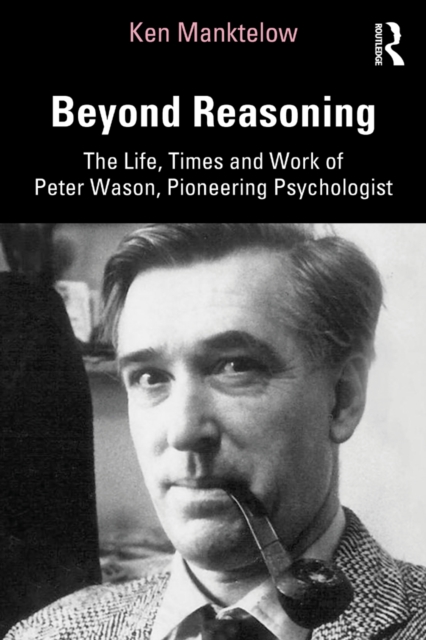
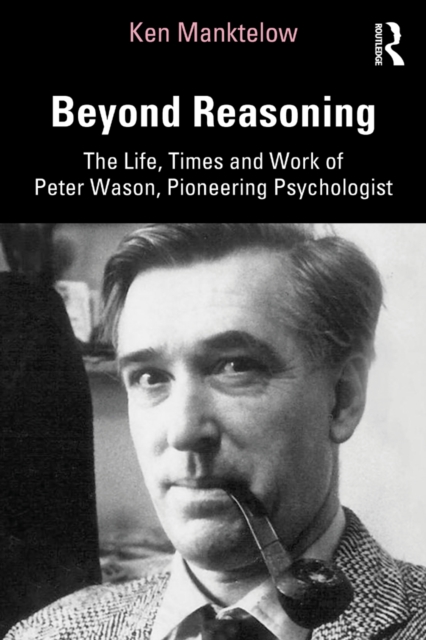
This book tells the story of Peter Cathcart Wason, offering unique insights into the life of the pioneering research psychologist credited for establishing a whole new field of science: the psychological study of reasoning.
This book tells the story of Peter Cathcart Wason, offering unique insights into the life of the pioneering research psychologist credited for establishing a whole new field of science: the psychological study of reasoning.
Originally published in 1979, this was the first biography of Jonathan Potts, a prominent Pennsylvania Quaker and physician who served in the Continental army during the Revolutionary War.
Originally published in 1979, this was the first biography of Jonathan Potts, a prominent Pennsylvania Quaker and physician who served in the Continental army during the Revolutionary War.
These volumes make new contributions to the history of psychiatry and society in three ways: First, they propose a theory of values and ideology influencing the evolution of psychiatry and society in recurring cycles, and survey the history of psychiatry in recent centuries in light of this theory.
These volumes make new contributions to the history of psychiatry and society in three ways: First, they propose a theory of values and ideology influencing the evolution of psychiatry and society in recurring cycles, and survey the history of psychiatry in recent centuries in light of this theory.
These volumes make new contributions to the history of psychiatry and society in three ways: First, they propose a theory of values and ideology influencing the evolution of psychiatry and society in recurring cycles, and survey the history of psychiatry in recent centuries in light of this theory.
These volumes make new contributions to the history of psychiatry and society in three ways: First, they propose a theory of values and ideology influencing the evolution of psychiatry and society in recurring cycles, and survey the history of psychiatry in recent centuries in light of this theory.
The image of Robert Boyle owes much to a series of evaluations of him written shortly after his death by men who had known him well, such as John Evelyn, Gilbert Burnet and Sir Peter Pett.
Forensic Applications of Mass Spectrometry combines the most current developments in applications of mass spectrometry techniques to forensic analyses.
The image of Robert Boyle owes much to a series of evaluations of him written shortly after his death by men who had known him well, such as John Evelyn, Gilbert Burnet and Sir Peter Pett.
Forensic Applications of Mass Spectrometry combines the most current developments in applications of mass spectrometry techniques to forensic analyses.
Originally published in 1915, The Natural Theology of Evolution looks at the concept of natural theology, examining the argument for the existence of God based on reason and ordinary experiences of nature.
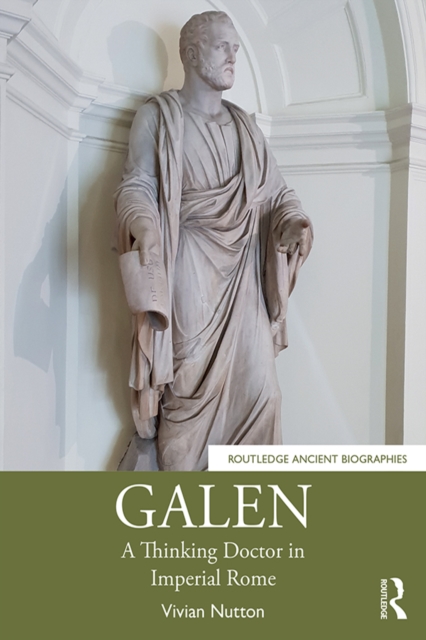
This volume offers a comprehensive biography of the Roman physician Galen, and explores his activities and ideas as a doctor and intellectual, as well as his reception in later centuries.
This volume offers a comprehensive biography of the Roman physician Galen, and explores his activities and ideas as a doctor and intellectual, as well as his reception in later centuries.
Originally published in 1915, The Natural Theology of Evolution looks at the concept of natural theology, examining the argument for the existence of God based on reason and ordinary experiences of nature.
An engaging account of the life and work of the legendary polymath Alexander von HumboldtIn this lucid biography, Andreas Daum offers a succinct and novel interpretation of the life and oeuvre of Alexander von Humboldt (1769-1859).
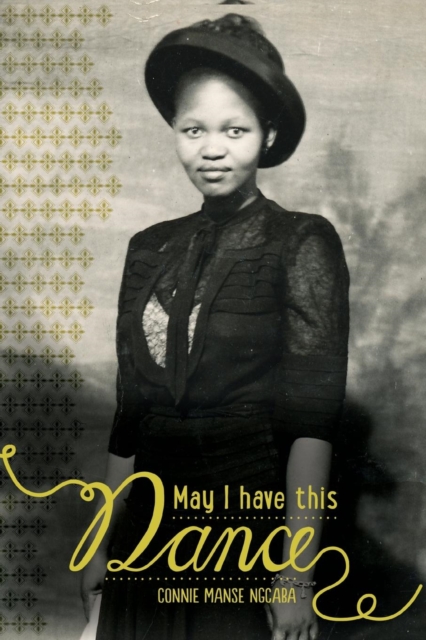
May I Have This Dance tells the courageous and moving story of Connie Manse Ngcaba, who grew up in the Eastern Cape, South Africa, where she became a nurse, community figurehead and a leading voice of dissent against the apartheid regime.
In the opening of Holding Silvan: A Brief Life, Monica Wesolowska gives birth to her first child, a healthy-seeming boy who is taken from her arms for observation when he wont stop crying.
Fruitcake Hill is a cleverly written history and personal memoir of an Irish family from the Chicago suburbs that has continuously occupied a single farmhouse property for over 137 years.
When the author was a kid, a big white sleek ambulance squatted like a lion in the driveway next door, always ready to go, and sometimes it did, roaring down the street.
In 2001 Peter Anderson was 37 and had the perfect life: very much in love and recently married with an infant daughter he adored; an intelligent and sensitive man working a job he loved as a popular secondary school teacher and a talented sportsman training for a marathon.