Desde sus inicios, Kylian Mbappé está escribiendo una de las historias más bonitas del fútbol mundial: la de un delantero extraordinario, un jugador sin igual y un campeón con carácter.
Unas memorias llenas de fuerza y vitalidad de la ganadora del Premio Booker por Niña, mujer, otrasEn 2019 Bernardine Evaristo se convirtió en la primera mujer negra que ganaba el Booker desde la creación del galardón cincuenta años atrás.
Una emocionante nueva biografía de John von Neumann, el genio perdido que inventó nuestro mundo: los teléfonos inteligentes que hoy llevamos en nuestros bolsillos, las mentes cibernéticas, los caprichos de la teoría de juegos, la biología evolutiva, las bases lunares autorreplicantes y las armas nucleares.
"Cuando los gigantes caminaban sobre la Tierra" es, ante todo, la biografía definitiva de Led Zeppelin, una banda que en apenas una década transformó la historia de la música y desapareció de repente tras una década de éxitos, y también de excesos encarnados en el lema: «sexo, drogas y rock&roll».
The Beauty of Service is a powerful anthology that brings together inspiring narratives from authors of diverse backgrounds across the African continent.
El nuevo libro de Stejarel Olaru trata sobre una de las mejores atletas de todos los tiempos, Nadia Comaneci, la primera gimnasta del mundo en lograr la puntuación perfecta ¡10!
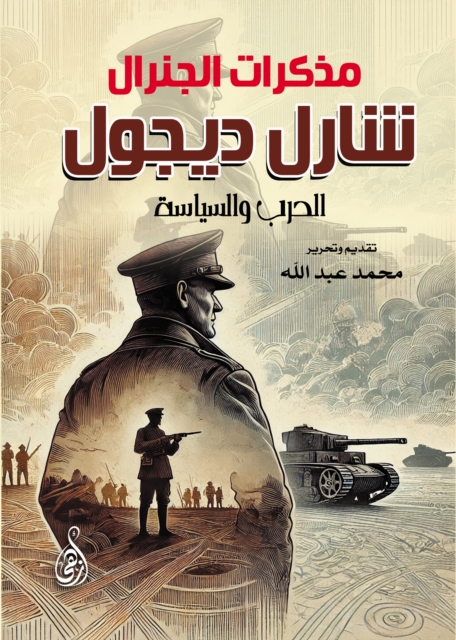
On April 27, 1969, the famous French General Charles de Gaulle announced his retirement from political life, devoting the remainder of his life to writing his memoirs until his death at the age of 80.
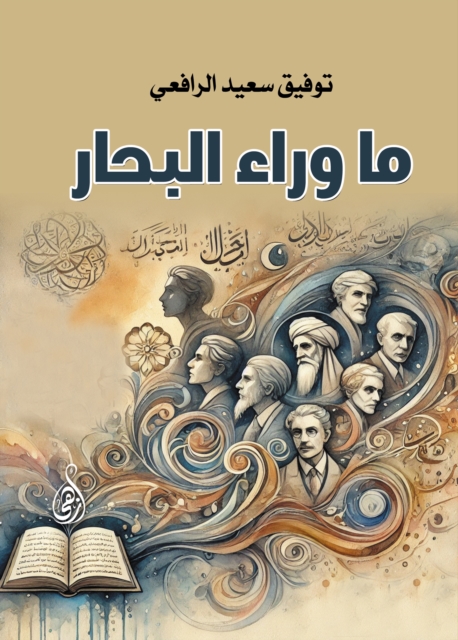
The book before us is a cultural encyclopedia that explores the depths of Arab genius in the Americas, fulfilling the promise made by the author in the conclusion of his book, "Amin al-Rihani.
Jiří Pohátka sheds light on the diaries of Czechoslovak Zionist leader Egon Redlich, a leading member of the Maccabi HaKer Zionist organization, who was imprisoned in the Theresienstadt concentration camp before being transferred to Auschwitz.
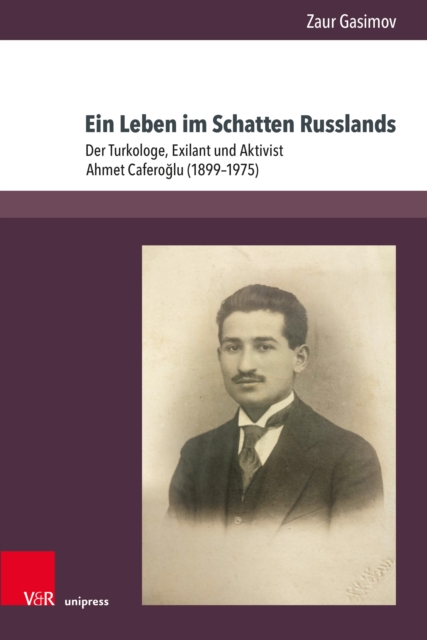
Der international anerkannte Turkologe Ahmet Caferoğlu wurde im spätzaristischen Kaukasus geboren und absolvierte seine Ausbildung in Kyjiw, Baku, Breslau und Berlin.
A true story of the battered life of a foremast crewman, Two Years Before the Mast is Richard Henry Danas classic travel narrative, which inspired canonical works such as Moby Dick and Sailing Alone Around the World.
A true story of the battered life of a foremast crewman, Two Years Before the Mast is Richard Henry Danas classic travel narrative, which inspired canonical works such as Moby Dick and Sailing Alone Around the World.
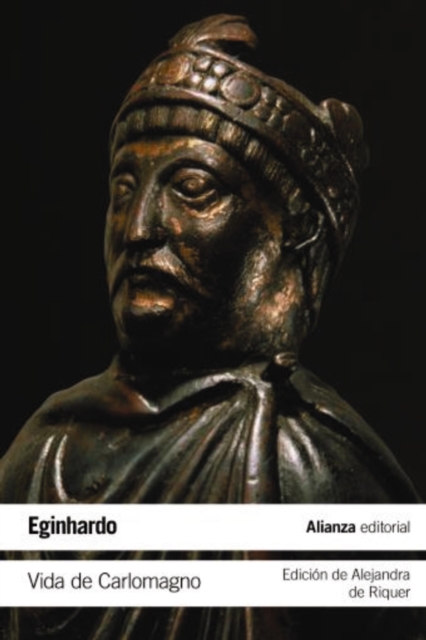
Compuesta durante el reinado de Ludovico Pío, hijo y sucesor del emperador, la "Vida de Carlomagno" ("Vita Karoli") es la primera biografía laica escrita en la Edad Media.
Packed with hard-won wisdoms and gentle truths, this is Miranda s honest exploration of the lessons she has learned on her journey from illness to recovery'A bombshell, moving, inspirational.
Cartas a Milena reúne la correspondencia que entre 1920 y 1922 Franz Kafka (1883-1924) dirigió a Milena Jesenská, mujer de temperamento excepcional residente en Viena, con quien trabó conocimiento a raíz de su voluntad de traducir al checo dos de sus relatos.
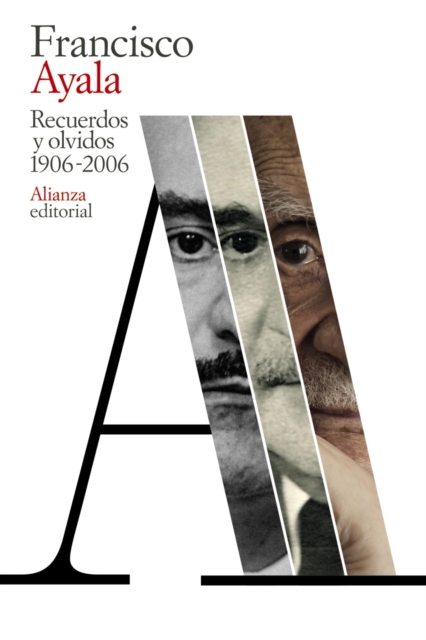
Narrador, crítico social y agudo ensayista, Francisco Ayala (1906-2009) participó a lo largo de su vida en las peripecias de una historia agitada y llena de convulsiones, de la que pudo rendir cumplido testimonio desde su personal perspectiva y con la integridad del intelectual que, ante aquello en lo que cree, no admite compromisos ni se acoge a subterfugios.
'Demonstrates how to create enduring value' - Larry Fink, Chairman and CEO of BlackRock'For leaders seeking to create outsized impact' - Ruth Porat, President and CIO of Alphabet and GoogleExpert advice to master your potential, from the founder and CEO of Discovery and Vitality.
No son frecuentes las obras que, por distintos motivos, consiguen atraer la atención de sucesivas generaciones de lectores y estudiosos; obras que por extrañas razones o sinrazones ejercen una clara seducción, no se sabe muy bien si debido a su contenido o a una leyenda que el tiempo no hace sino acrecentar.
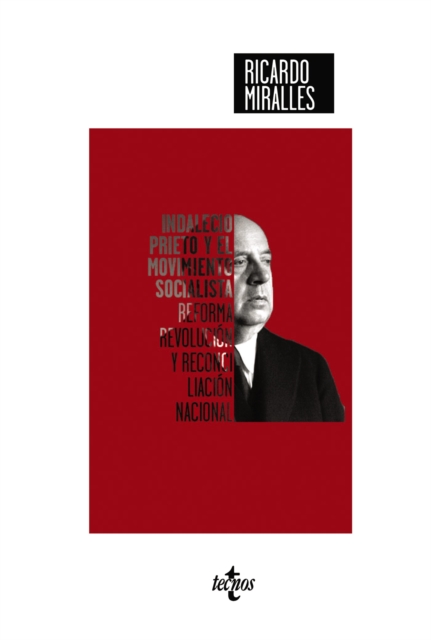
Indalecio Prieto Tuero (Oviedo, 1883-México, 1962) fue uno de los más importantes políticos socialistas de la llamada «segunda generación», la que sucedió al fundador del PSOE, Pablo Iglesias.
Es sind die kleinen Bilder, die der Autor zeichnet und die die dem Grunde nach bekannte Geschichte des Ringes von Vater, Soldatenkönig, und Sohn, der spätere Friedrich der große, so lesenswert machen.
From ESPN reporter Marc Raimondi comes a compelling, gripping narrative history of professional wrestling's legendary faction, The NWO (New World Order), from their inception in 1996 to their influence on American pop culture today.
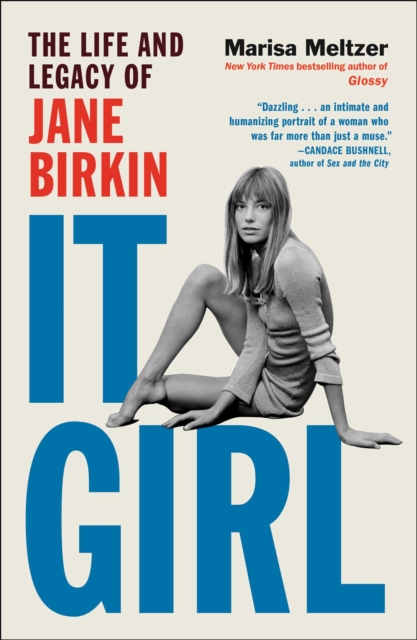
NATIONAL BESTSELLER The first comprehensive biography of Jane Birkinactress, singer, and legendary style iconand her profound cultural impact, from the acerbic, culturally astute, and genuine (The New York Times) author of the instant New York Times bestseller Glossy.
In der Fortsetzung von "Blume und Flamme" erzählt Emmy Ball-Hennings ihre Lebenserinnerungen weiter: Bisweilen poetisch im Ausdruck und voller Humor berichtet die Autorin, die nicht immer einen gradlinigen Weg ging, von den Stationen in ihrem Leben sowie von den Menschen, denen sie dabei begegnet ist.
Der autobiographisch geprägte psychologische Entwicklungsroman über einen jungen Mann, der unbedingt Schauspieler werden möchte und doch scheitert: Anton Reiser versucht, seinem armen und pietistischen Elternhaus zu entkommen, doch nach einem Selbstmordversuch schickt ihn sein Ausbilder zurück zu seiner Familie.
90 classic titles celebrating 90 years of Penguin Books'All Frenchmen know you have to become civilised between eighteen and twenty-three and that civilisation comes upon you by contact with an older woman, by revolution, by army discipline, by any escape or any subjection, and then you are civilised and life goes on normally in a latin way.