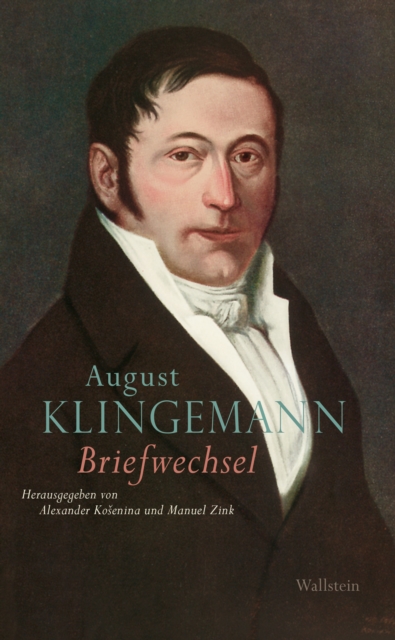
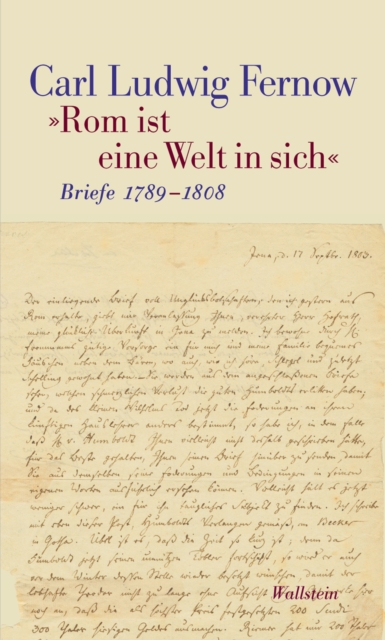
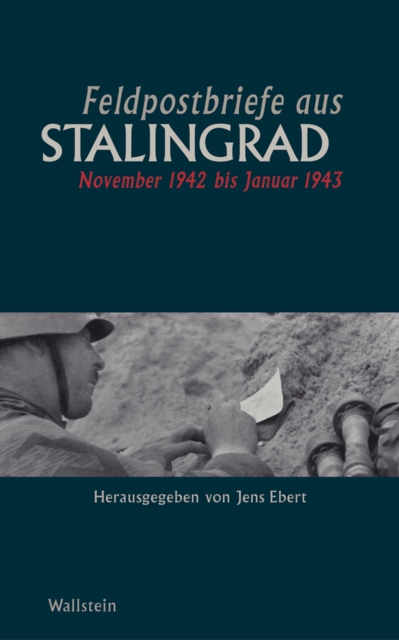
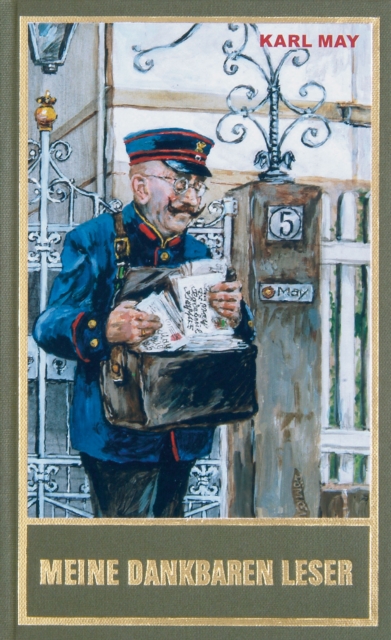
Die Korrespondenz des Braunschweiger Theaterdirektors August Klingemann eröffnetein riesiges Netzwerk aus Regisseuren, Schauspielern, Dramatikern und Verlegernder Goethezeit.
Die Tagebuchauswahl aus fast fünfzig Jahren zeigt einen großen Künstler der Leipziger Schule bei der Arbeit, beim Nachdenken über sein Ich und die Welt.
Peter Rühmkorf und Walther von der Vogelweide: eine freundschaftliche Annäherung zweier großer Lyriker über die Jahrhunderte hinweg, erzählt anhand von Gedichten, Briefen und Tagebuchnotizen.
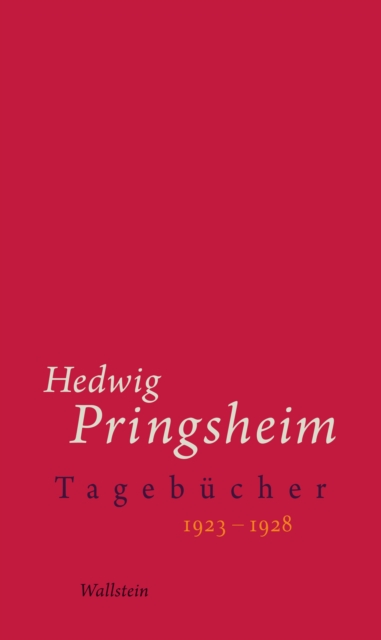
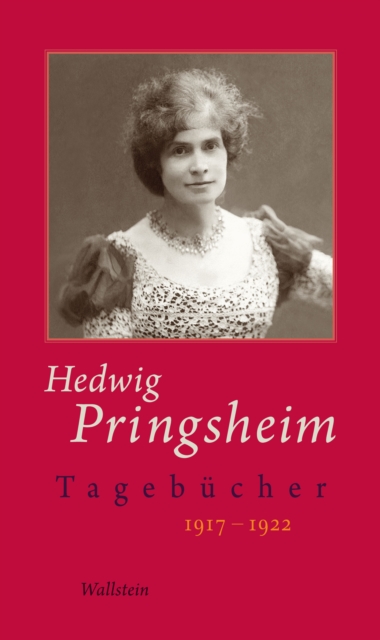
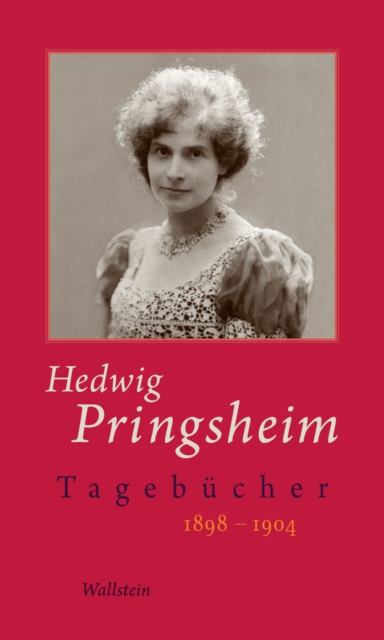
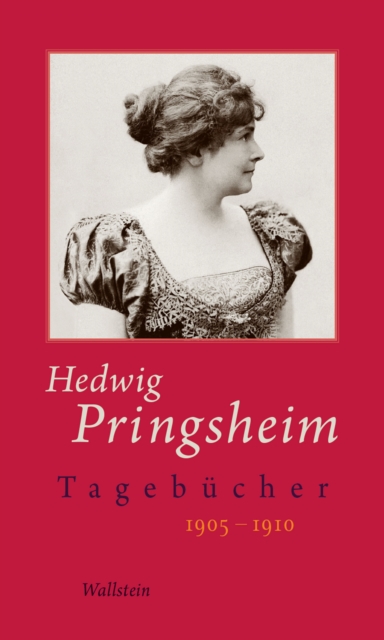
Das großbürgerliche Leben der Familie Pringsheim setzt sich in den Jahren von 1898 bis 1904 mit intensiver Teilnahme am kulturellen Leben Münchens und ausgedehnter Geselligkeit ungetrübt weiter fort.
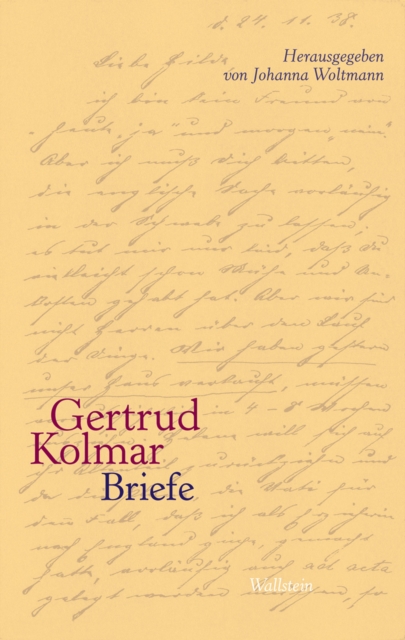
Im Zentrum dieser Edition stehen die Briefe, die Gertrud Kolmar von September 1938 bis zu ihrer Deportation im März 1943 nach Auschwitz an ihre in die Schweiz emigrierte Schwester Hilde Wenzel schrieb.
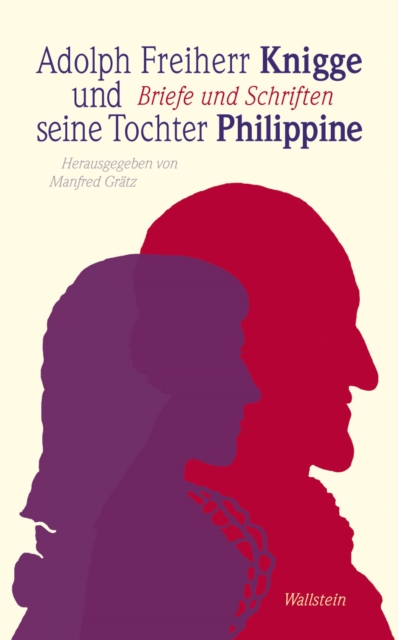
Knigge zeigt sich in seiner Korrespondenz von unterschiedlichsten Seiten: engagiert und distanziert, diskussionsfreudig und widersprüchlich, verärgert und kämpferisch, hilfsbereit und gefühlvoll.
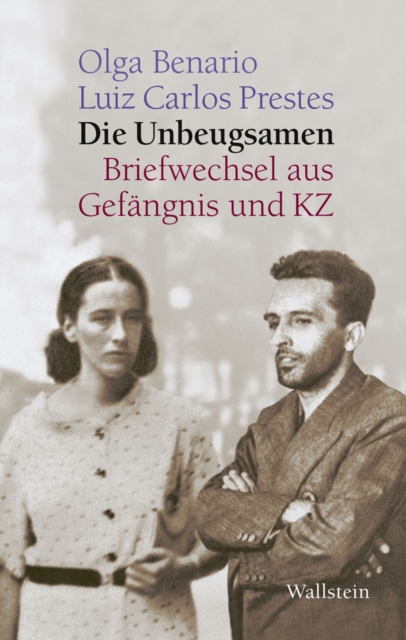
Die deutsche Jüdin und Komintern-Agentin Olga Benario wurde Ende 1936, nachdem sie in Brasilien an einem misslungenen Aufstand beteiligt gewesen war, hochschwanger an Nazideutschland ausgeliefert.
Im Sommer 1789 gab Adolph Freiherr Knigge, Verfasser des berühmten "Umgangs mit Menschen", seine vierzehnjährige Tochter Philippine (1775-1841) nach Detmold in Pension.
Este segundo número del cuaderno Intertextos del Programa de Comunicación Social de la Universidad Jorge Tadeo Lozano está construido en torno a la línea temática Educación para la comunicación social.
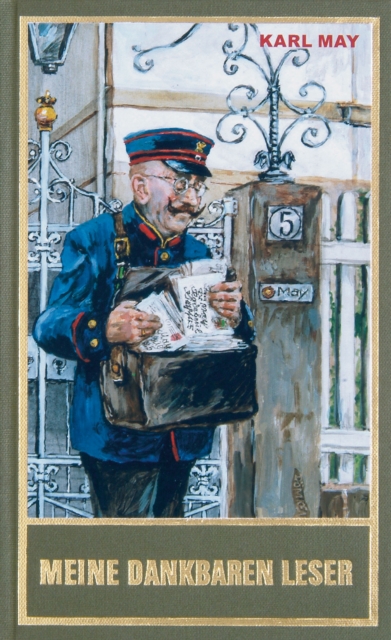
Im Januar 1902 erschien erstmals eine kleine Broschüre mit dem langen Titel "'Karl May als Erzieher' und 'Die Wahrheit über Karl May' oder 'Die Gegner Karl Mays in ihrem eigenen Lichte'" mit der Verfasserangabe "von einem dankbaren May-Leser".
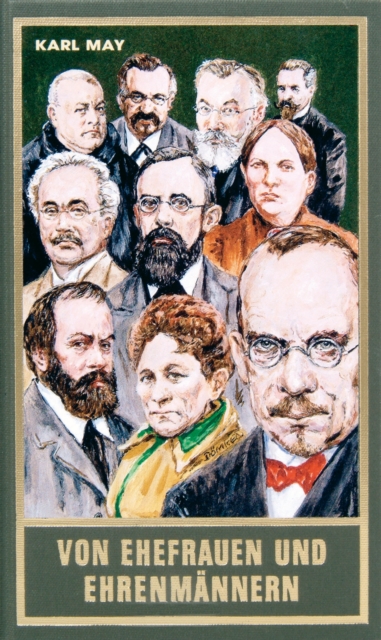
Band 85 der Gesammelten Werke stellt einen der ungewöhnlichsten und zugleich menschlich bewegendsten Texte Karl Mays in den Mittelpunkt: "Frau Pollmer, eine psychologische Studie".
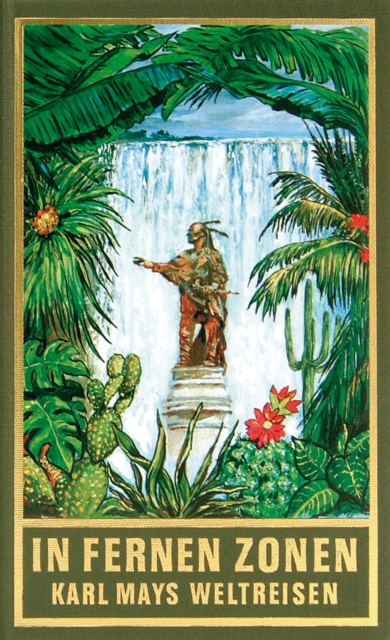
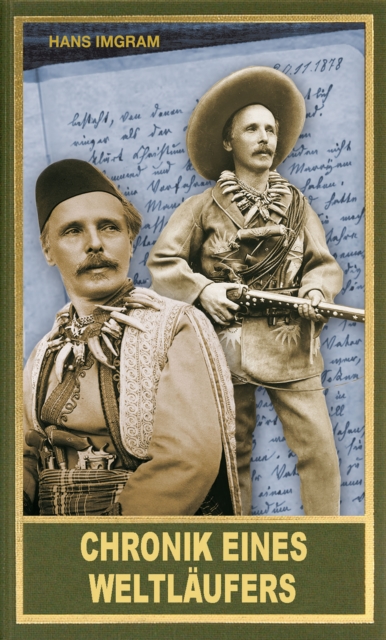
Seit Jahrzehnten stellte sich Karl-May-Lesern, -Sammlern und -Forschern immer wieder die Frage, ob, wann und wohin der berühmte Schriftsteller tatsächlich gereist ist.
Die bewegende Liebes- und Glaubensgeschichte von Jim und Elisabeth ElliotEigentlich hatten sich Jim und Elisabeth für die Ehelosigkeit und die radikale Nachfolge Jesu entschieden.
Im Januar 1902 erschien erstmals eine kleine Broschüre mit dem langen Titel "'Karl May als Erzieher' und 'Die Wahrheit über Karl May' oder 'Die Gegner Karl Mays in ihrem eigenen Lichte'" mit der Verfasserangabe "von einem dankbaren May-Leser".