Erstmals erscheinen in ungekürzter Form und mit Originaldokumenten jene Aufzeichnungen, die Karl Ignaz Hennetmair Tag für Tag von all dem machte, was er mit Thomas Bernhard sprach und erlebte.
«Demonstrationen, welche die Polizei erlaubt, sollten von den Veranstaltern verboten werden», rief Rolf Hochhuth 1968 den Notstandsgegnern zu, die sich in Frankfurt versammelt hatten.
«Die besondere Bedeutung, die das Briefeschreiben für mich hat, hat mehrere Gründe: Vor allem vergegenwärtige ich mir dabei das Zuhause, Dich, meine Nächsten und überhaupt unsere Welt; es ist für mich hier die einzige Gelegenheit, etwas zu schreiben; es ist für mich die einzige Gelegenheit zu leidlicher intellektueller Selbstverwirklichung; manches wird mir erst beim Schreiben klar; es ist meine einzige Kommunikation mit Dir und unserer Welt.
Moral in Zeiten der Globalisierung: Václav Havels eindringliche Reden über die Zukunft Europas und der WeltIn diesem Band versammelt sind ausgewählte Reden von Václav Havel, dem ehemaligen Dissidenten und späteren Präsidenten der Tschechoslowakei, aus den Jahren 1992 bis 1997.
Ein Straßenmusiker mit begrenztem Repertoire, ein religiöser Exhibitionist am Hauptbahnhof, ein betender Autofahrer, dubiose Möwenfänger und feiernde Krankenschwestern – die Twittermeldungen der Osloer Polizei sind kleine Perlen des trockenen Humors, die beileibe nicht nur Recht und Ordnung dienen, sondern vor allem von den großen und kleinen Absurditäten der Polizeiarbeit erzählen.
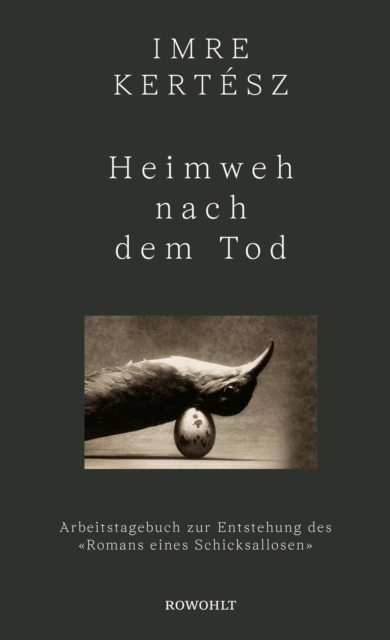
Handelte es sich bei Imre Kertész' berühmtem «Galeerentagebuch» um eine bewußte Komposition seiner jahrzehntelangen Aufzeichnungen, bilden die Tagebücher 2001–2009 ein unbearbeitetes, ursprünglich nicht für die Öffentlichkeit gedachtes «journal intime» von überraschender, oft verstörender Offenheit.
In einer Gesellschaft, «in der man nur leben kann und darf, wenn man ihr den Rücken kehrt», führte Imre Kertész jahrzehntelang, gleichsam als Gefangener seiner Erfahrungen, eine Geheimexistenz: zurückgezogen, ganz und gar ausgerichtet auf das Schreiben, jene Zwangsarbeit, ohne die das Sein unerträglich war.
Im Juni 1966 berichteten alle deutschen Zeitungen auf Seite eins über die Verhaftung eines 19-jährigen Metzgergesellen, der auf unvorstellbar grausame Weise vier Schuljungen missbraucht und zu Tode gequält hatte.
«Unsre Cap Arcona ist ein schönes, sehr komfortables Schiff; das Leben an Bord kennen Sie ja, mit den endlosen Malzeiten und dem scheußlich vielen Essen, das das wesentlichste Interesse der Reisenden ausmacht.
Dreißigjährig, nach Jahren erfolgloser Arbeit an seinem ersten Romanprojekt «Ich, der Henker», den Bekenntnissen eines Naziverbrechers, entschließt Imre Kertész sich zu einer «nüchternen Selbstprüfung».
Ob als ARD-Korrespondent aus Warschau und Moskau, als der Mann von Monitor oder mit seinen Filmen aus fernen Ländern – Klaus Bednarz ist den Fernsehzuschauern der siebziger, achtziger und neunziger Jahre vertraut wie nur wenige andere.
Der New Yorker Maler Duncan Hannah hat die siebziger Jahre über Tagebuch geführt – ein Glücksfall, eine literarische Entdeckung: «Dive» liest sich wie der letzte große Beatroman.
«Wahrscheinlich ahnen Sie gar nicht, was für ein seltenes Geschenk für mich das würdigende Interesse eines unabhängigen Geistes in meinem täglichen Kampf gegen das Schweigen ist», schreibt Kertész 1977 aus Budapest an Eva Haldimann, die Literaturkritikerin der «Neuen Zürcher Zeitung», die, aus Ungarn gebürtig, das Geschehen in ihrer ehemaligen Heimat mit ihren klugen Rezensionen über Jahrzehnte zuverlässig begleitete, um den Autoren «ein kleines Fenster nach dem Westen zu öffnen».
Eine Sammlung von Albert Camus' eindringlichsten Essays, Briefen, Reden und Aufzeichnungen über die Suche nach Gerechtigkeit in einer ungerechten Welt.
Die spektakuläre Erstveröffentlichung eines der bedeutendsten Briefwechsel der LiteraturDer Briefwechsel zwischen Gretha und Ernst Jünger geht über eine Korrespondenz zwischen Ehepartnern weit hinaus.