First published in 1998, this volume combines a bio-critical account of Caroline Bowles Southey's career with a general selection of her works, both poetry and prose, with the latter drawing attention on her remarkable talent as a letter writer.
First published in 1998, this volume combines a bio-critical account of Caroline Bowles Southey's career with a general selection of her works, both poetry and prose, with the latter drawing attention on her remarkable talent as a letter writer.
First published in 1998, this collection of letters, presented with scholarly introduction, notes and glosses, enters the debate on women and gender in early modern England as documents for the case of Elizabeth Wiseman, a wealthy widow.
First published in 1998, this collection of letters, presented with scholarly introduction, notes and glosses, enters the debate on women and gender in early modern England as documents for the case of Elizabeth Wiseman, a wealthy widow.
My interest in USS Howorth originated during my thirty-three months of duty in the Pacific Fleet destroyer Hamner, named after Howorth's gunnery officer killed at Okinawa, Lieutenant Henry R.
An avid reader of naval history since my father's service in World War II, I had been struck by the marked contrast between the touching personal depictions of WW II photo-journalism and the dearth of portrayals of sailors as persons, not just undefined elements of crews.
An avid reader of naval history since my father's service in World War II, I had been struck by the marked contrast between the touching personal depictions of WW II photo-journalism and the dearth of portrayals of sailors as persons, not just undefined elements of crews.
My interest in USS Howorth originated during my thirty-three months of duty in the Pacific Fleet destroyer Hamner, named after Howorth's gunnery officer killed at Okinawa, Lieutenant Henry R.
Originally published in 1937, The Correspondence of Sir Walter Scott and Charles Robert Maturin contains twenty-two letters presenting a penetrating and vivid self-portrait of Sir Walter Scott.
Originally published in English in 1950 this is one of the most revealing works by one of Italy's foremost philosophers of the 20th century, who was also a courageous and effective opponent of Fascism.
This edition presents the extant journals of Pauline Clairmont (1825-1891) and Wilhelm Clairmont (1831-1895), the niece and nephew of Claire Clairmont (1798-1879) who was Mary Shelley's (1797-1851) stepsister.
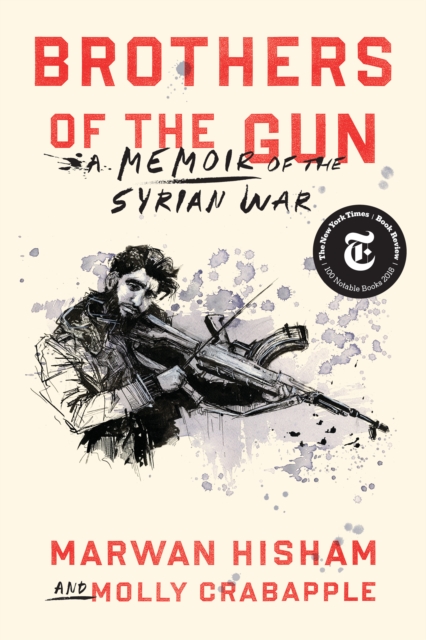
A bracingly immediate memoir of the Syrian civil war from its inception to the present, by a young man coming of age during the Syrian war, and whose friends traveled divergent paths through the carnage.
Celebrating Anne Truitt's centenary, this posthumously published work serves as the fourth and final volume in her remarkable series of journals "e;Impressive .
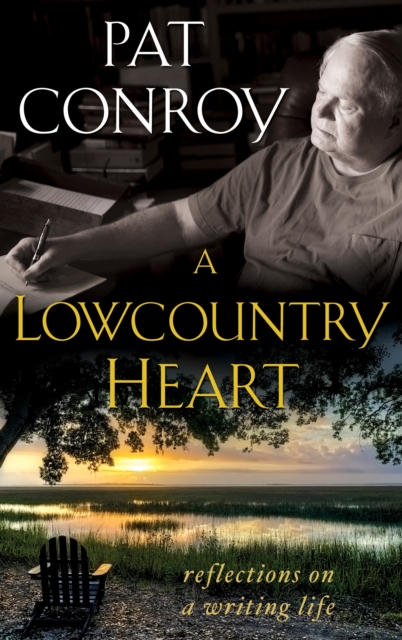
Final words and heartfelt remembrances from bestselling author Pat Conroy take center stage in this winning nonfiction collection, supplemented by touching pieces from Conroy’s many friends.
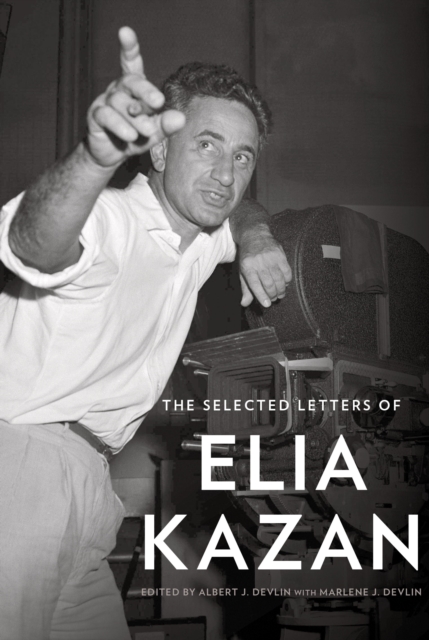
This collection of nearly three hundred letters gives us the life of Elia Kazan unfiltered, with all the passion, vitality, and raw honesty that made him such an important and formidable stage director (A Streetcar Named Desire, Death of a Salesman), film director (On the Waterfront, East of Eden), novelist, and memoirist.
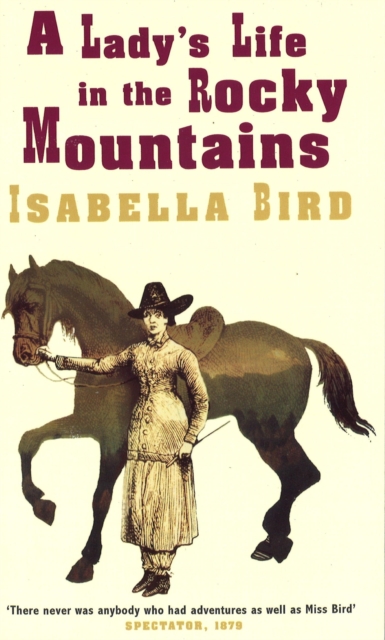
'There never was anybody who had adventures as well as Miss Bird' SPECTATOR'Venture deep into the Colorado wilderness, and you will find her long-lasting legacy in the community of people choosing to live a life without limits' RUBY WAX, GUARDIAN 'This book is an unputdownable record of a truly astounding journey' DERVLA MURPHY, IRISH TIMESBorn in 1831, Isabella, daughter of a clergyman, set off alone to the Antipodes in 1872 'in search of health' and found she had embarked on a life of adventurous travel.
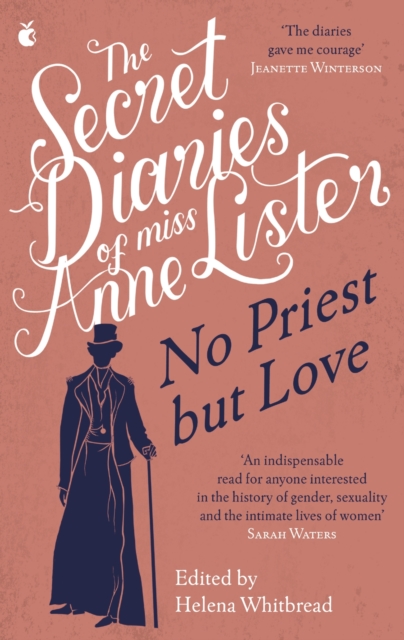
THE FIRST MODERN LESBIAN 'The details of Anne's love affairs and flirtations are there, free from suppression or euphemism' GUARDIAN 'Engaging, revealing, at times simply astonishing' SARAH WATERS'The Lister diaries are the Dead Sea Scrolls of lesbian history; they changed everything' EMMA DONOGHUE Anne Lister (1791-1840) was one of the most remarkable women of her time.
On 9th August 2001, twenty-two days after Jeffrey Archer was sentenced to four years in prison for perjury, he was transferred from HMP Belmarsh, a double-A Category high-security prison in south London, to HMP Wayland, a Category C establishment in Norfolk.
From the private papers of Jane Austen and Mozart to those of Anne Boleyn and Nelson, Love Letters of Great Men and Women collects together some of the most romantic letters in history.
Winner of the Nobel Prize for LiteratureFrom the Booker Prize-winning author, Letters Between a Father and Son is an engrossing collection continuing into the early years of V.
From the bestselling author of Kane and Abel, Hell is the first volume in Jeffrey Archer's The Prison Diaries - the author's daily record of the time he spent locked inside.
Selected by Kazin's acclaimed biographer, an enlightening collection of the private writings of one of the twentieth century's most fascinating intellectuals.
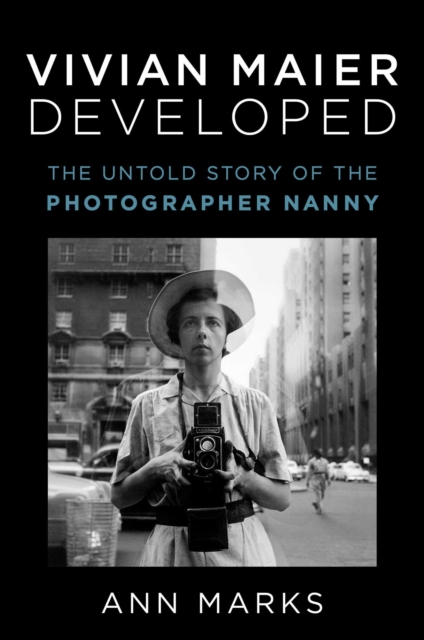
The ';astonishing' (People) and definitive biography that unlocks the ';riveting' (Vogue) story of Vivian Maier, the nanny who lived secretly as a world-class photographer, featuring nearly 400 of her images, many never seen before, placed for the first time in the context of her life.
In 2018 Project Love launched their debut journal Goodbye 2018, Hello 2019, an end-of-year guide that helps you to say a proper farewell to one year as it comes to an end and create a vision and a plan for the year ahead.
This title opens a new window into the life and thought of Alexis de Tocqueville, presenting him as not only a political thinker but also a person deeply shaped by the tensions and ideals of his time.
The evening is a naturally reflective time of the day, when thoughts can end up going round and round in your head, landing on worst-case scenarios and interpretations.
A Spectator Book of the YearAn Observer, New Statesman, Financial Times, Irish Times and Scotsman 2021 Non-Fiction Highlight'Compassionate, beautifully written .
'Inspiring' GUARDIAN'Heartbreaking' INDEPENDENT'I loved it' ADAM KAY'Beautiful' MATT HAIG'Luminous' NICCI GERRARD'Essential reading' MADELEINE BUNTING'A celebration' CHRISTIE WATSON-----A Best Book for Summer in The Times, Guardian and The iIndependent Book of the Month-----Caring is an issue that affects us all - as bestselling novelist Kate Mosse knows all too well.
Shortlisted for the 2022 Bollinger Everyman Wodehouse Prize for Comic Fiction'Utterly, utterly perfect and brilliant - I think it is, simply, a new classic, and the book every woman will be able to trust to make her happy when she picks it up' - Caitlin Moran'Utterly wonderful .
On August 16, 1952, Ian Fleming wrote to his wife, Ann, "e;My love, This is only a tiny letter to try out my new typewriter and to see if it will write golden words since it is made of gold.
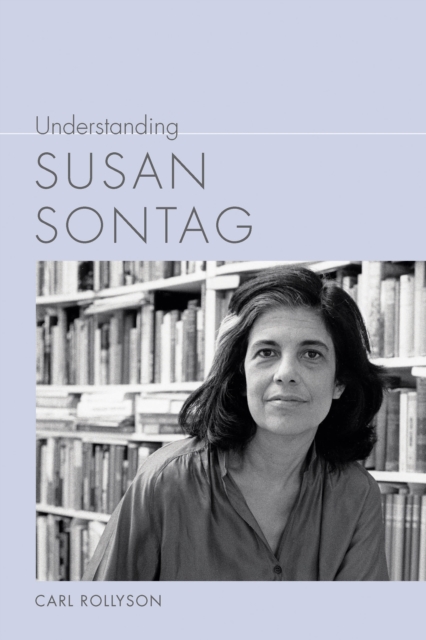
A comprehensive account of the author's entire career through the lens of her recently published diariesWith the publication of Susan Sontag's diaries, the development of her career can now be evaluated in a more genetic sense, so that the origins of her ideas and plans for publication are made plain in the context of her role as a public intellectual, who is increasingly aware of her impact on her culture.
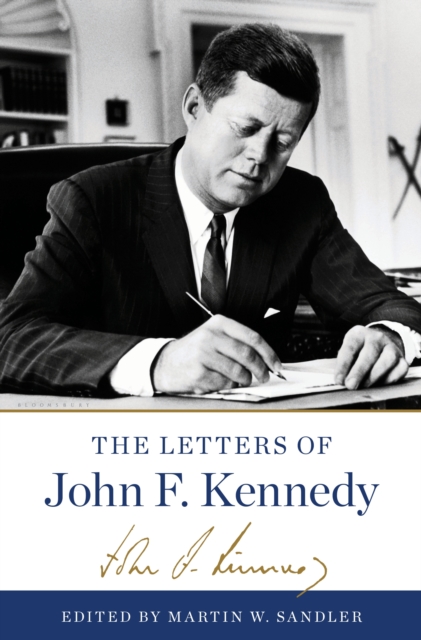
John Fitzgerald Kennedy led his nation for little more than a thousand days, yet his presidency is intensely remembered, not merely as a byproduct of his tragic fate.