Susan Whyman draws on a hidden world of previously unknown letter writers to explore bold new ideas about the history of writing, reading and the novel.
Seneca's Letters to Lucilius are a rich source of information about ancient Stoicism, an influential work for early modern philosophers, and a fascinating philosophical document in their own right.
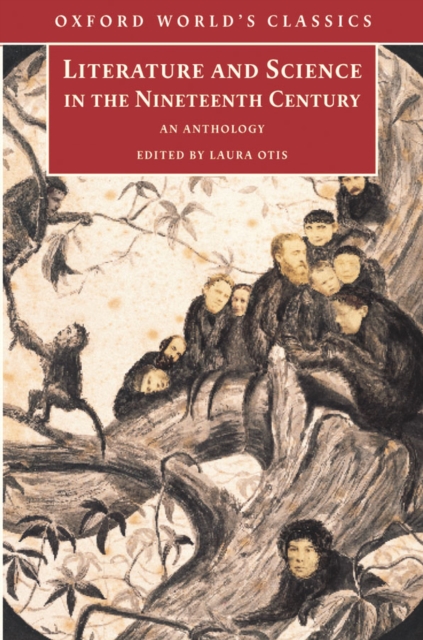
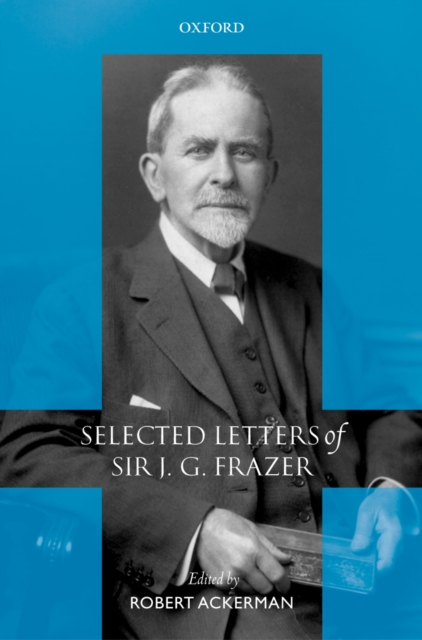
'It has been said by its opponents that science divorces itself from literature; but the statement, like so many others, arises from lack of knowledge.
'It has been said by its opponents that science divorces itself from literature; but the statement, like so many others, arises from lack of knowledge.
The Letters of Richard Cobden (1804-65) aims in four printed volumes to provide the first critical edition of Cobden's letters, publishing the complete text in as near the original form as possible, accompanied by full scholarly apparatus, together with an introduction to each volume re-assessing Cobden's importance in their light.
Susan Whyman draws on a hidden world of previously unknown letter writers to explore bold new ideas about the history of writing, reading and the novel.
This edited collection of letters by William Empson (1906-1984), one of the foremost writers and literary critics of the twentieth century, ranges across the entirety of his career.
Seneca's Letters to Lucilius are a rich source of information about ancient Stoicism, an influential work for early modern philosophers, and a fascinating philosophical document in their own right.
Edmund Spenser, Selected Letters and Other Papers provides the first published text of the diplomatic and personal papers written, copied, and handled by Spenser during his years of secretarial service and colonial planting in Ireland, 1580-1589.
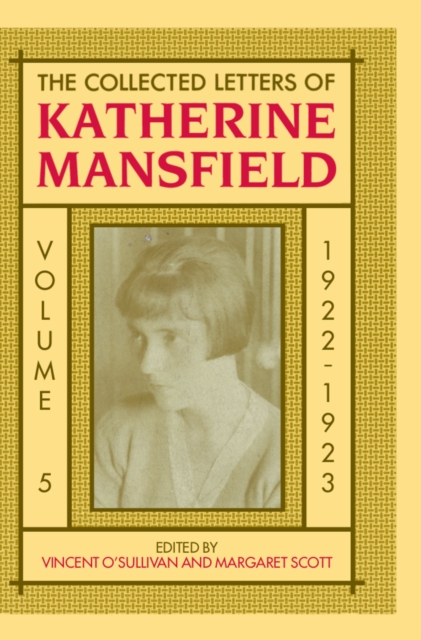
The fifth and final volume of the Collected Letters of Katherine Mansfield covers the almost thirteen months during which her attention at first was firmly set on a last chance medical cure, then finally on something very different - if death came to seem inevitable, how should one behave in the time that remained, so one could truly say one lived?
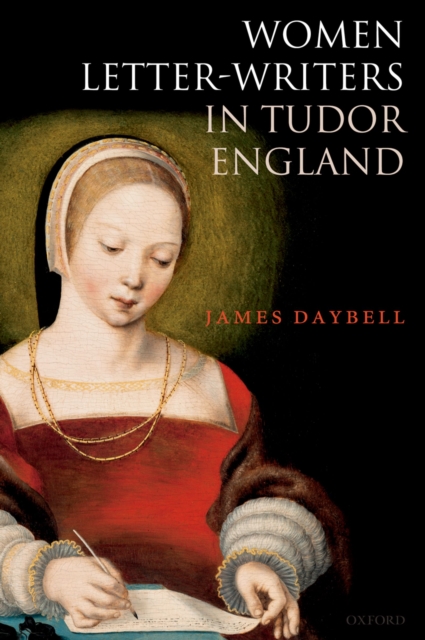
This book represents the most comprehensive study of women's letters and letter-writing during the early modern period so far undertaken, and acts as an important corrective to traditional ways of reading and discussing letters as private, elite, male, and non-political.
'Your Majesty may find it extraordinary that I should answer with a shipment of fruit your letter of 6 August, in which you inform me that you are sending the plan for a treaty, and that of the 8 September, in which you are so good as to share with me equally important intelligence.
'Your Majesty may find it extraordinary that I should answer with a shipment of fruit your letter of 6 August, in which you inform me that you are sending the plan for a treaty, and that of the 8 September, in which you are so good as to share with me equally important intelligence.
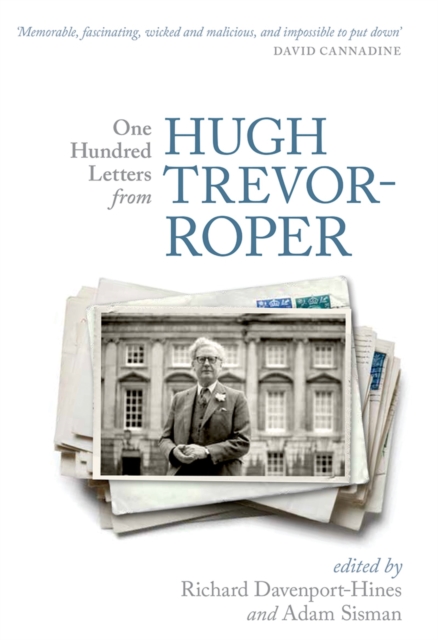
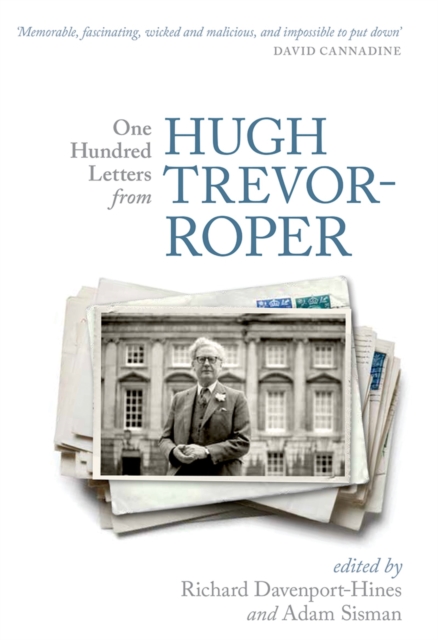
The one hundred letters brought together for this book illustrate the range of Hugh Trevor-Roper's life and preoccupations: as an historian, a controversialist, a public intellectual, an adept in academic intrigues, a lover of literature, a traveller, a countryman.
The one hundred letters brought together for this book illustrate the range of Hugh Trevor-Roper's life and preoccupations: as an historian, a controversialist, a public intellectual, an adept in academic intrigues, a lover of literature, a traveller, a countryman.
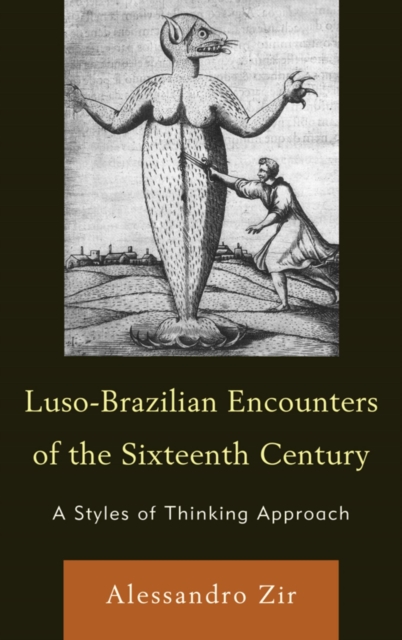
As it happens with other early-Modern corpora, the descriptive texts from 16th-century encounters of the Portuguese colonizers in Brazil are well-known for their strangeness.
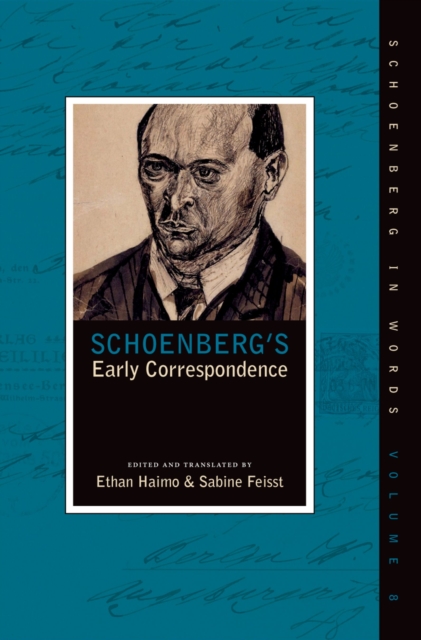
Early in his career, the composer Arnold Schoenberg maintained correspondence with many notable figures: Gustav Mahler, Heinrich Schenker, Guido Adler, Arnold Rose, Richard Strauss, Alexander Zemlinsky, and Anton von Webern, to name a few.
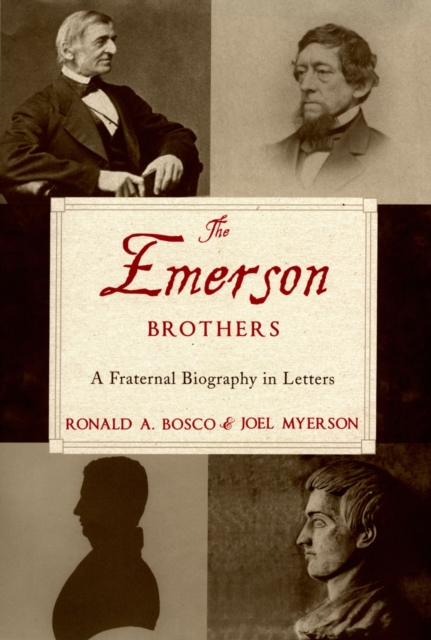
The Emerson Brothers: A Fraternal Biography in Letters is a narrative and epistolary biography drawn from the unpublished lifelong correspondence exchanged among four brothers: Charles Chauncy, Edward Bliss, Ralph Waldo, and William Emerson.
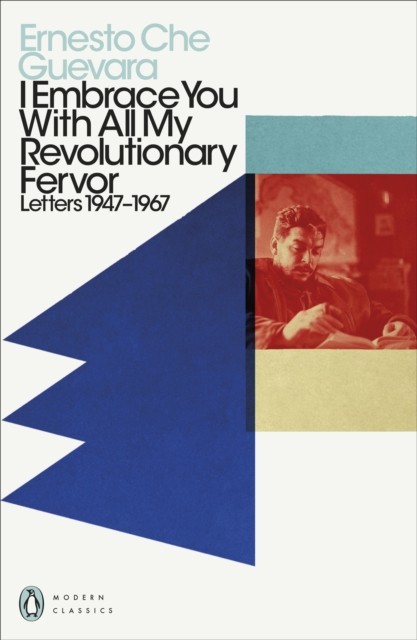
An extraordinary selection of the letters of Che Guevara'Always be capable of feeling deeply any injustice committed against anyone, anywhere in the world'Che Guevara was an inveterate letter writer and diarist throughout his short but extraordinary life.