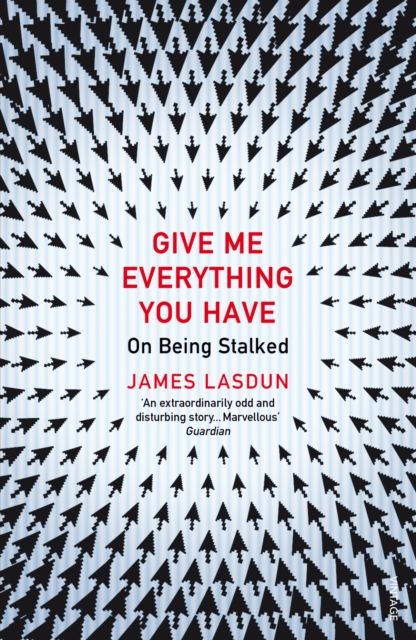
A true story of obsessive love turning to obsessive hate, Give Me Everything You Have chronicles the author s strange and harrowing ordeal at the hands of a former student, a self-styled verbal terrorist , who began trying, in her words, to ruin him .
Life was cheap in the Toxteth and Wavertree districts of Liverpool, and more murders were committed there than in any other part of the city; and so this tough inner-city area became known as Murder Mile.
Just before 3am on January 24th, 1941, when Britain was preoccupied with surviving the Blitz, the body of Josslyn Hay, Earl of Erroll, was discovered lying on the floor of his Buick, at a road intersection some miles outside Nairobi, with a bullet in his head.
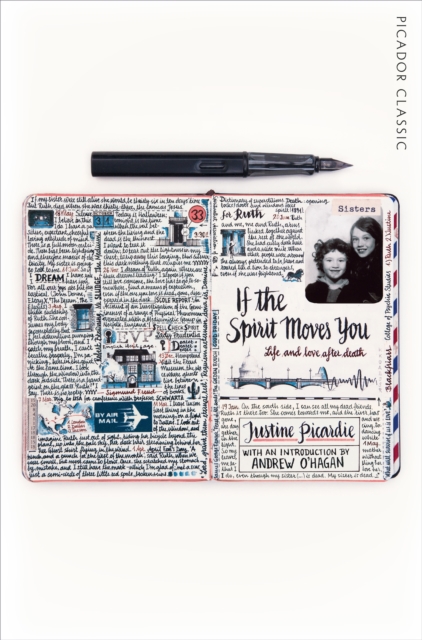
With an introduction by Andrew O'HaganWhen I think about her now, which is most of the time, it's like rewinding a silent film in my head: I see the crucial scenes in our lives together.
From the author of Heart the LoverThe New York Times bestsellerEuphoria is Lily King's gripping novel inspired by the true story of a woman who changed the way we understand our world.
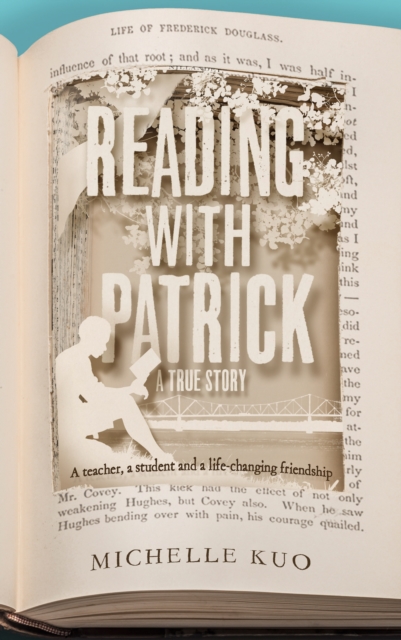
As a young English teacher keen to make a difference in the world, Michelle Kuo took a job at a tough school in the Mississippi Delta, sharing books and poetry with a young African-American teenager named Patrick and his classmates.
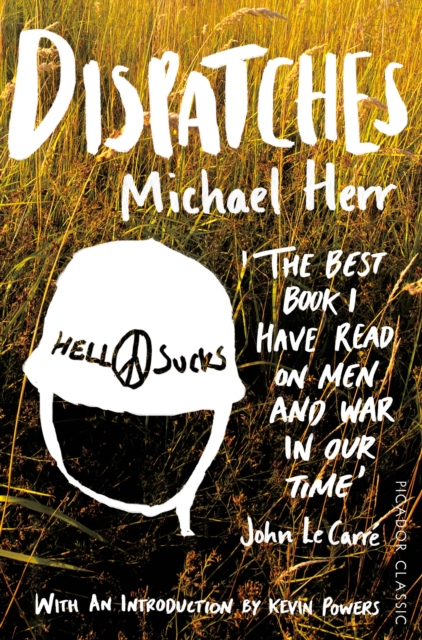
'The best book I have ever read on men and war in our time' - John Le CarreThe groundbreaking work of journalism which inspired Stanley Kubrick's classic Vietnam War film, Full Metal Jacket.
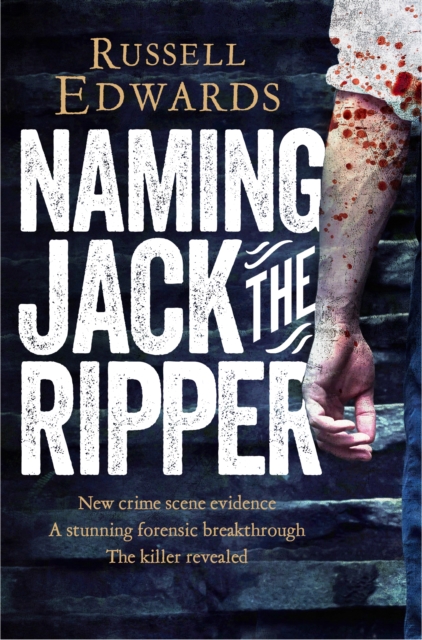
Bringing together ground-breaking forensic discoveries - including vital DNA evidence - and gripping historical detective work, Naming Jack the Ripper constructs the first truly convincing case for identifying the world's most notorious serial killer.
A non-fiction thriller by international bestselling author Blaine Harden (Escape from Camp 14) that explores the world's most repressive state through the intertwined lives of two North Koreans, one infamous, one obscure: Kim Il Sung, the former North Korean leader and No Kum Sok, once the state's youngest jet fighter pilot.
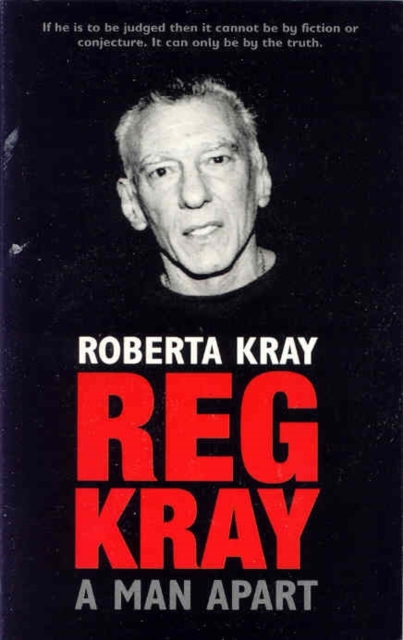
Reg Kray, an inside account by Reggie Kray's wife Roberta, discovers who the real Reg Kray was, deconstructing the man lost beneath the layers of attitude and opinion, exaggeration and distortion, destined to spend so much of his life behind bars.
A Cold Case is the story of how Andy Rosenzweig, retired Manhattan cop, reopened an investigation into a double murder that had happened more than thirty years earlier.
A heartbreaking and moving true story of two sisters separated at birth, and their journey towards finding each other, celebrating the true meaning of family.
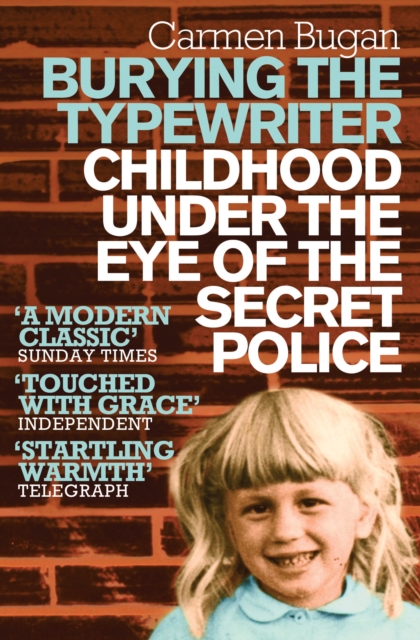
'A modern classic' - The Sunday Times'This story starts roughly in the 1970s, a few years after I was born, about the time when I began to have memories and my father's codename was already long established as "e;Andronic"e;, a name we learned about only last summer .
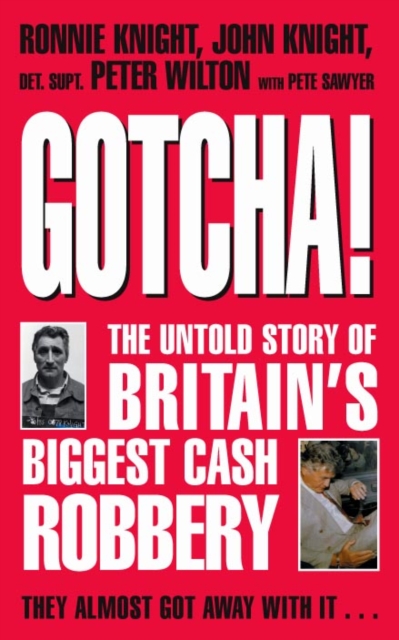
On Easter Monday 1983 armed robbers got into the supposedly impregnable Security Express depot in Shoreditch, neatly capturing the guards and holding them hostage.