BBC RADIO 4 BOOK OF THE WEEK SHORTLISTED FOR THE ORWELL PRIZE 2012 SHORTLISTED FOR THE CRIME WRITERS ASSOCIATION NON-FICTION DAGGER AWARD 'THE MOST IMPORTANT CRIME STORY OF THE DECADE' Scottish Mail Manchester.
Growing up in Rhodesia in the 1960s, Peter Godwin inhabited a magical and frightening world of leopard-hunting, lepers, witch doctors, snakes and forest fires.
THE INSTANT SUNDAY TIMES BESTSELLER BY THE AWARD-WINNING AUTHOR OF THE FIVEIn this gripping examination of one of the most infamous murders of the twentieth century, prizewinning social historian Hallie Rubenhold gives voice to those who have never properly been heard the women.
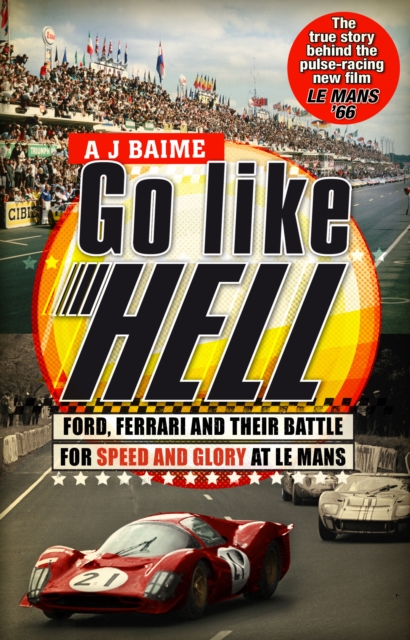
Coming to cinemas in November 2019, under the title LE MANS '66 ____________________In the 1960s Enzo Ferrari emerged as the dominant force in sports cars in the world, creating speed machines that were unbeatable on the race track.
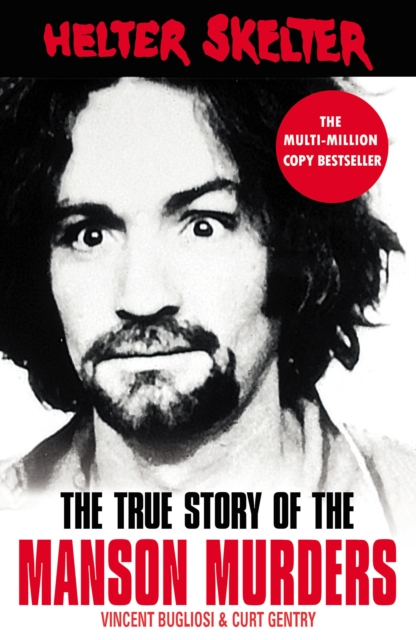
THE BEST-SELLING TRUE CRIME BOOK IN HISTORY-----------------------------As seen in the new hit Netflix show Conversations with a Killer: The Charles Manson Tapes-----------------------------The shocking true story of the Tate-LaBianca murders, revealed in this harrowing, terrifying book penned by the prosecutor who finally put Charles Manson behind bars.
A young girl at the mercy of her abusive stepfather and the religious community that protects him - Bad Things in the Night is a moving true story of pain and triumph.
The Lives Less Ordinary series brings you the most exciting, adventurous and entertaining true-life writing that is out there, for men who are time-poor but want the best.
The Lives Less Ordinary series brings you the most exciting, adventurous and entertaining true-life writing that is out there, for men who are time-poor but want the best.
In the brilliant AWKWARD SITUATIONS FOR MEN, Danny Wallace entertained us with wonderfully funny true stories from his often embarrassing and bewildering everyday life as a man.
_______The shocking, gripping autobiography from one of the UK's most infamous criminals and gang leaders, and one half of the legendary Kray Twins, Reggie Kray.
_____________________________At Ronnie Kray's funeral, London crime expert John Pearson saw a man he didn't recognise - but who all the notorious criminals present deferred to.
In December 1968 two girls who lived next door to each other - Mary, aged eleven, and Norma, thirteen - stood before a criminal court in Newcastle, accused of strangling two little boys; Martin Brown, four years old, and Brian Howe, three.
On 29 March 1912, as Scott and his two companions lay dying in their tent, elsewhere on the polar ice-cap six members of his ill-fated expedition were fighting for their lives.
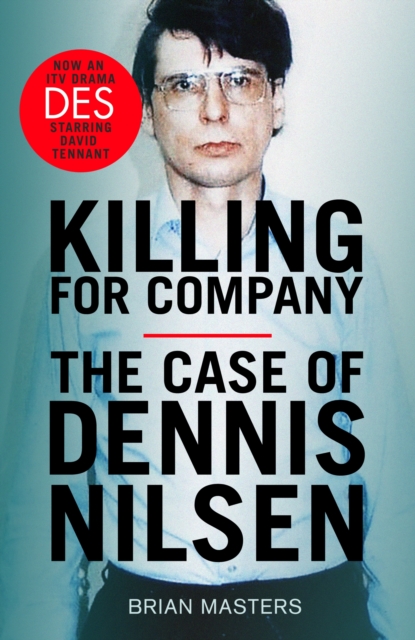
WINNER OF THE GOLD DAGGER AWARD FOR CRIME NON-FICTIONThe definitive, Sunday Times bestselling true story of serial-killer Dennis Nilsen and the murders he committed, written with Nilsen's full cooperation.
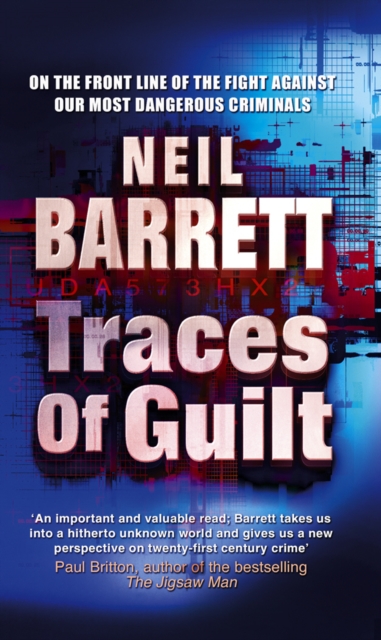
Nearly every week the headlines of national newspapers shout allegations about the latest credit card fraud, internet paedophile, or major corporations whose computers have been hacked.
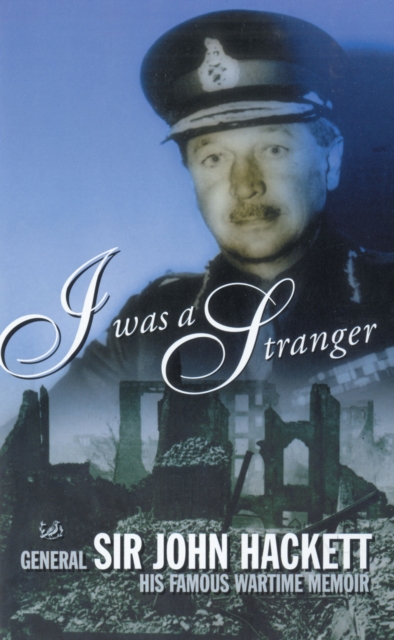
Badly wounded at the battle of Arnhem, and then spirited from his hospital bed by the Dutch Resistance, Brigadier John Hackett spent the winter of 1944 in Nazi-occupied Holland, hidden by a Dutch family, at great risk to their own lives, in a house a stone's throw from a German military police billet.