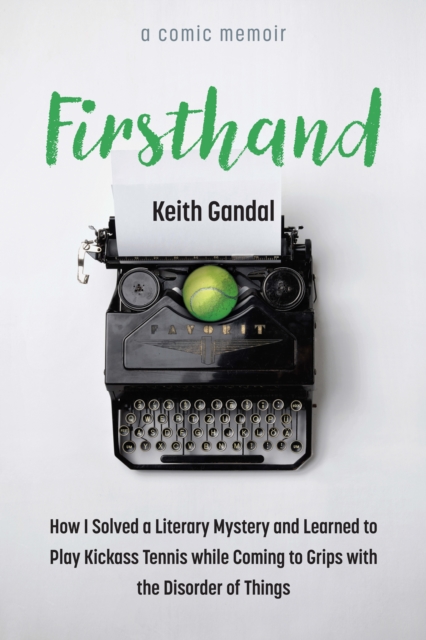
The first part of this fascinating account of a biographers problems tells of the adventures of one biographer in tracking down clues in several parts of the world accidental discovery, long pursuit of a watward detail, and suggestions of new ways of turning up evidence.
This volume of distinguished stories and poems brings together a number of writers who have either taught or studied at the University of North Carolina at Greensboro during the past thirty years.
Orr traces Aycocks growth from farm boy to practicing lawyer and on to that final eminence in which his fame spread beyond the state in connection with his brilliant oratory, his interest in public education, and his devotion to the Democratic party.
The varied career of Walter Hines Page affected many facets of the American political and social milieu from the end of Reconstruction through World War I.
A pillar of radical activism in nineteenth-century America, Amy Kirby Post (180289) participated in a wide range of movements and labored tirelessly to orchestrate ties between issues, causes, and activists.
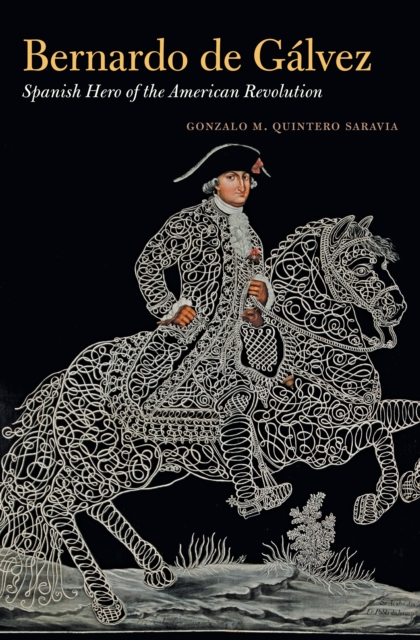
Although Spain was never a formal ally of the United States during the American Revolution, its entry into the war definitively tipped the balance against Britain.
With full attention to the classical, medievel, and Renaissance traditions that constituted the milieu in which Milton wrote, Lieb explores the sacral basis of Miltons thought.
As the most learned and eminent public lawyer in Germany, a busy administrator, and a prolific writer, Moser (1701-85) lived and breathed the political order.
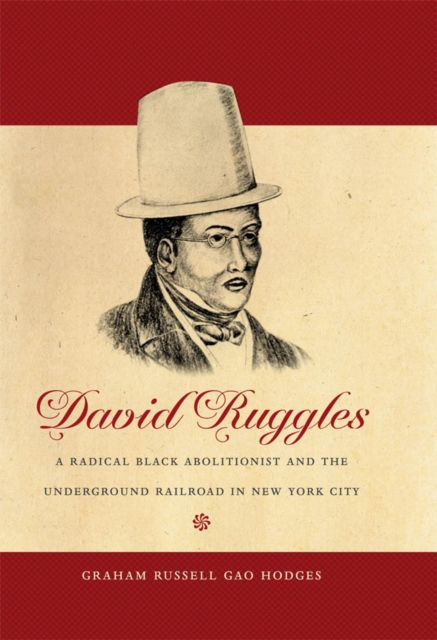
David Ruggles (18101849) was one of the most heroic and has been one of the most often overlooked figures of the early abolitionist movement in America.
Wilhelm II (1859-1941), King of Prussia and German Emperor from 1888 to 1918, reigned during a period of unprecedented economic, cultural, and intellectual achievement in Germany.
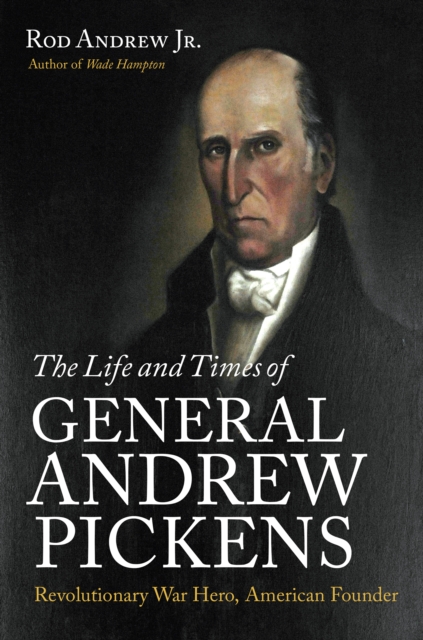
Andrew Pickens (17391817), the hard-fighting South Carolina militia commander of the American Revolution, was the hero of many victories against British and Loyalist forces.
William Tryons role in the affairs of British America during the last years of the empire, and his inability to stem the collapse of that empire, makes for a fascinating story.
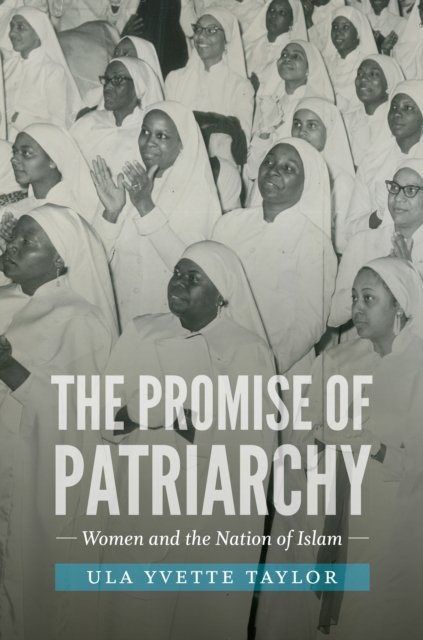
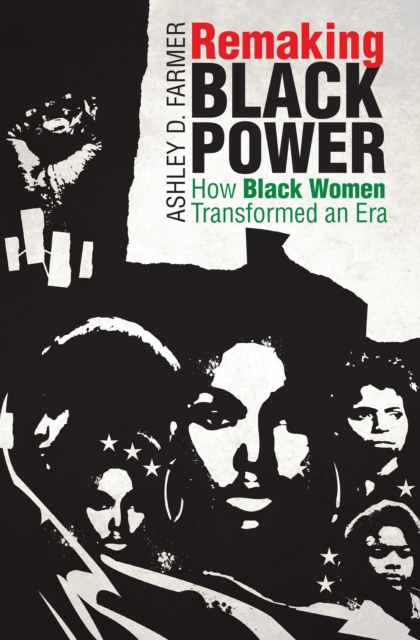
The patriarchal structure of the Nation of Islam (NOI) promised black women the prospect of finding a provider and a protector among the organizations men, who were fiercely committed to these masculine roles.
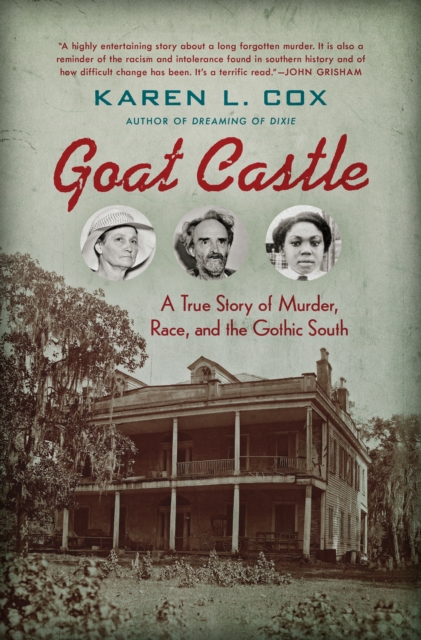
In 1932, the city of Natchez, Mississippi, reckoned with an unexpected influx of journalists and tourists as the lurid story of a local murder was splashed across headlines nationwide.
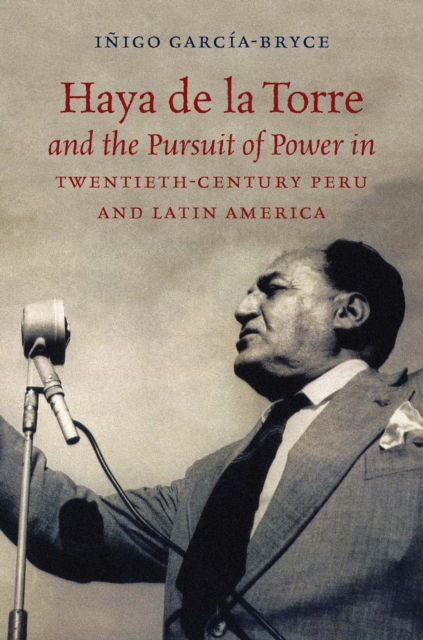
Like Fidel Castro and Che Guevara, Peruvian Vctor Ral Haya de la Torre (18951979) was one of Latin Americas key revolutionary leaders, well known across national boundaries.
In this collection of nine essays, a group of internationally known classicists examine from a variety of viewpoints the speeches that Thucydides inserted into the history of the Peloponnesian War.
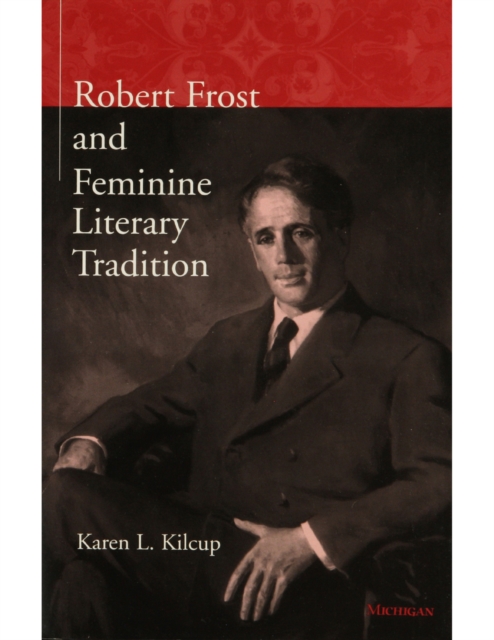
In spite of Robert Frost's continuing popularity with the public, the poet remains an outsider in the academy, where more "e;difficult"e; and "e;innovative"e; poets like T.
This collection of diverse pieces excerpts from novels, essays, poems, historical records, and newspaper and magazine articles is a warm and interesting summing-up of North Carolina.
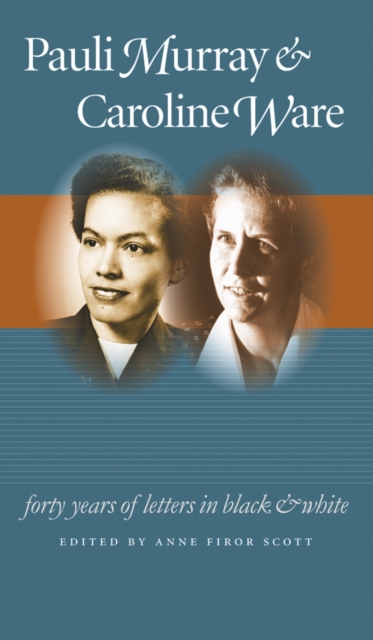
In 1942 Pauli Murray, a young black woman from North Carolina studying law at Howard University, visited a constitutional law class taught by Caroline Ware, one of the nation's leading historians.
The varied career of Walter Hines Page affected many facets of the American political and social milieu from the end of Reconstruction through World War I.
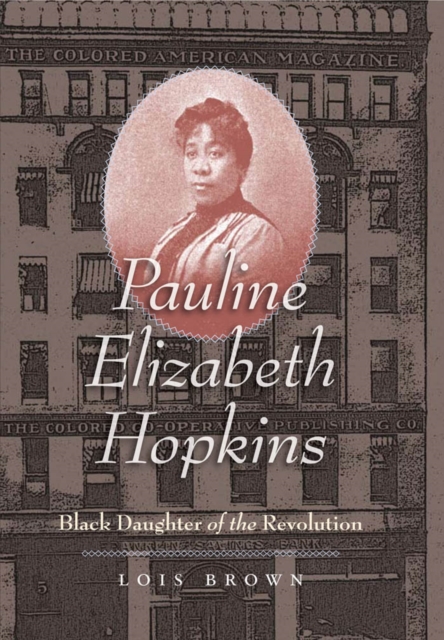
Born into an educated free black family in Portland, Maine, Pauline Elizabeth Hopkins (18591930) was a pioneering playwright, journalist, novelist, feminist, and public intellectual, best known for her 1900 novel Contending Forces: A Romance of Negro Life North and South.
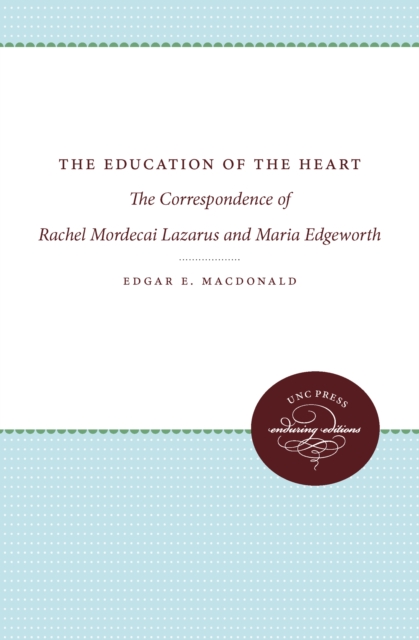
In 1815 a young North Carolina schoolteacher who was Jewish wrote to the celebrated Maria Edgeworth to ask why British novelists wrote in such a prejudiced manner about Jews.
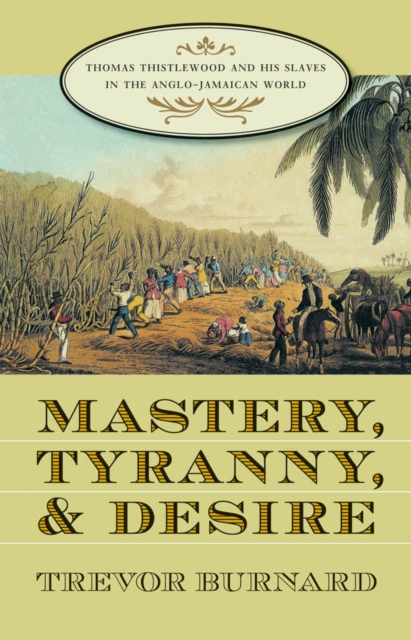
Eighteenth-century Jamaica, Britains largest and most valuable slave-owning colony, relied on a brutal system of slave management to maintain its tenuous social order.
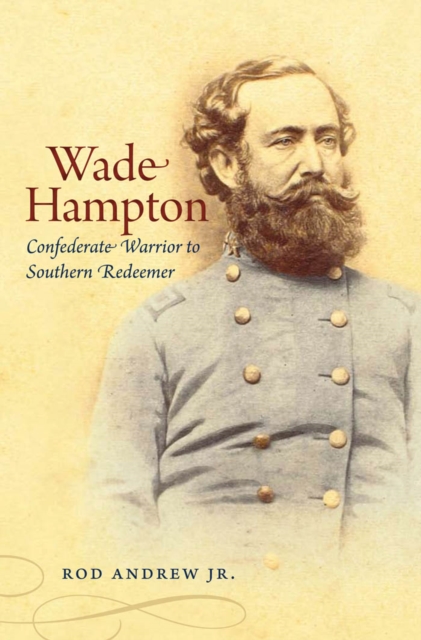
One of the Souths most illustrious military leaders, Wade Hampton III was for a time the commander of all Lees cavalry and at the end of the war was the highest-ranking Confederate cavalry officer.
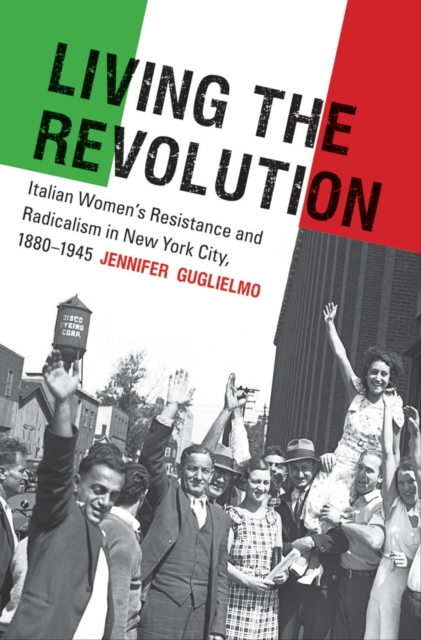
Italians were the largest group of immigrants to the United States at the turn of the twentieth century, and hundreds of thousands led and participated in some of the periods most volatile labor strikes.
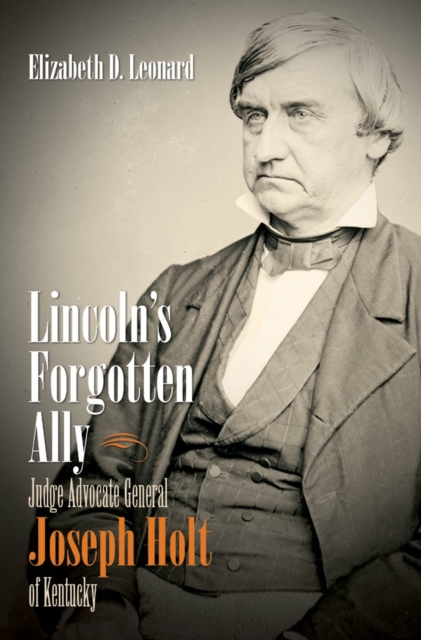
Joseph Holt, the stern, brilliant, and deeply committed Unionist from Kentucky, spent the first several months of the American Civil War successfully laboring to maintain Kentuckys loyalty to the Union and then went on to serve as President Lincolns judge advocate general.
William Tryons role in the affairs of British America during the last years of the empire, and his inability to stem the collapse of that empire, makes for a fascinating story.