William Tryons role in the affairs of British America during the last years of the empire, and his inability to stem the collapse of that empire, makes for a fascinating story.
The Daughter as Reader juxtaposes personal narrative with literary criticism to celebrate the ways in which literature enriches and shapes individual experience.
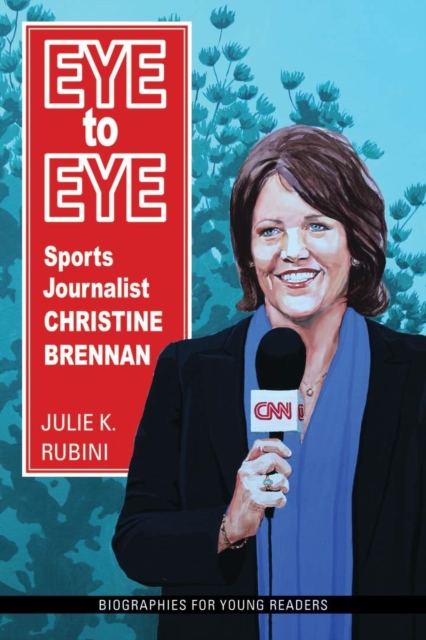
Christine Brennan, the USA Today sports columnist, author, and commentator, uses her voice to advocate for diversity and equality in the world of sports, and her wisdom to encourage future journalists.
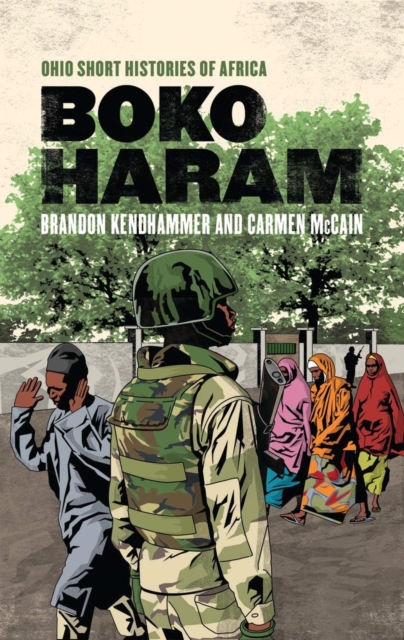
From its small-time origins in the early 2000s to its transformation into one of the world's most-recognized terrorist groups, this remarkable short book tells the story of Boko Haram's bloody, decade-long war in northeastern Nigeria.
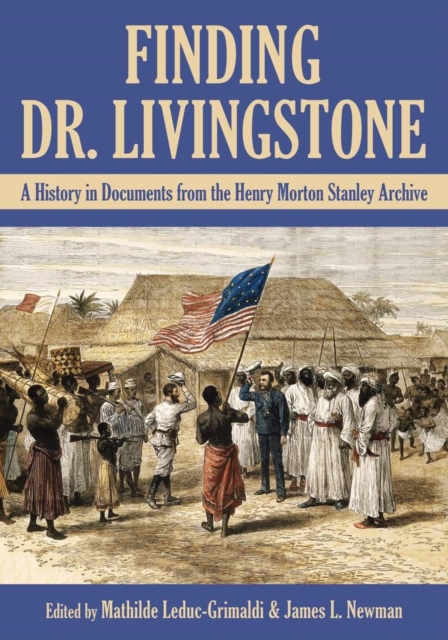
This eye-opening perspective on Stanley's expedition reveals new details about the Victorian explorer and his African crew on the brink of the colonial Scramble for Africa.
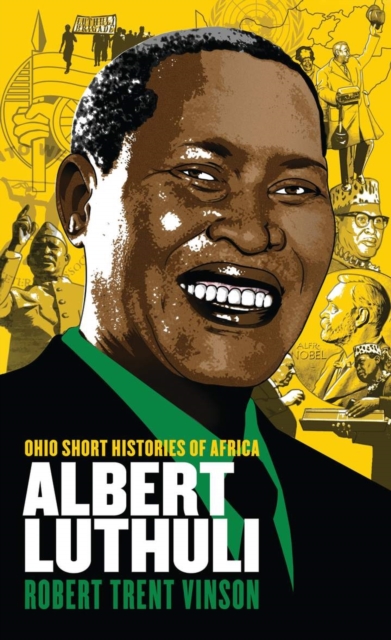
In an excellent addition to the Ohio Short Histories of Africa series, Robert Trent Vinson recovers the important but largely forgotten story of Albert Luthuli, Africa's first Nobel Peace Prize winner and president of the African National Congress from 1952 to 1967.
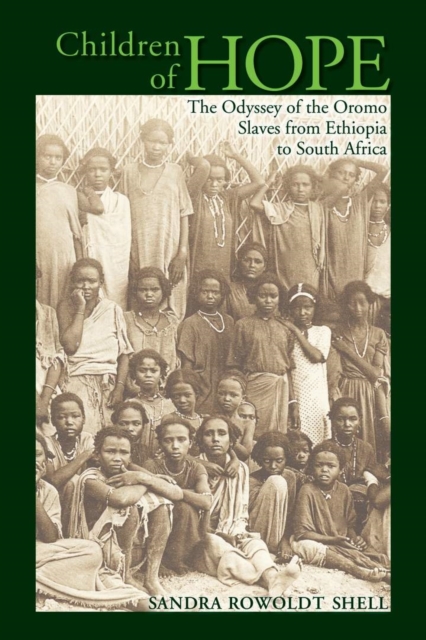
In Children of Hope, Sandra Rowoldt Shell traces the lives of sixty-four Oromo children who were enslaved in Ethiopia in the late-nineteenth century, liberated by the British navy, and ultimately sent to Lovedale Institution, a Free Church of Scotland mission in the Eastern Cape, South Africa, for their safety.
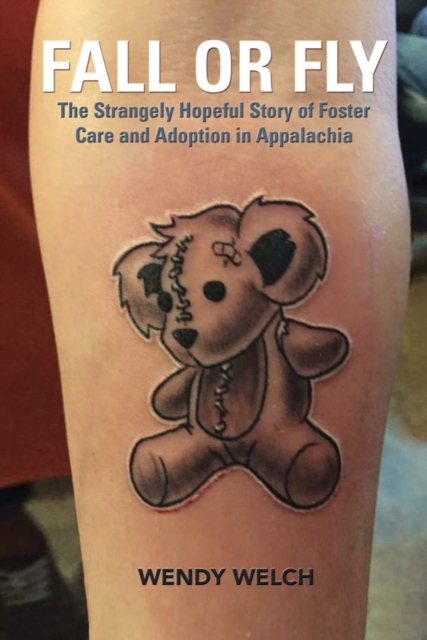
When Deborah Gold and her husband signed up to foster parent in their rural mountain community, they did not foresee that it would lead to a roller-coaster fifteen years of involvement with a traumatized yet resilient birth family.
Margaret Garner was the runaway slave who, when confronted with capture just outside of Cincinnati, slit the throat of her toddler daughter rather than have her face a life in slavery.
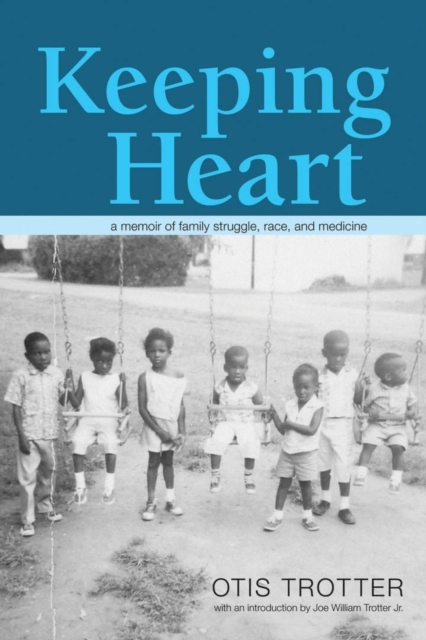
"e;After saying our good-byes to friends and neighbors, we all got in the cars and headed up the hill and down the road toward a future in Ohio that we hoped would be brighter,"e; Otis Trotter writes in his affecting memoir, Keeping Heart: A Memoir of Family Struggle, Race, and Medicine.
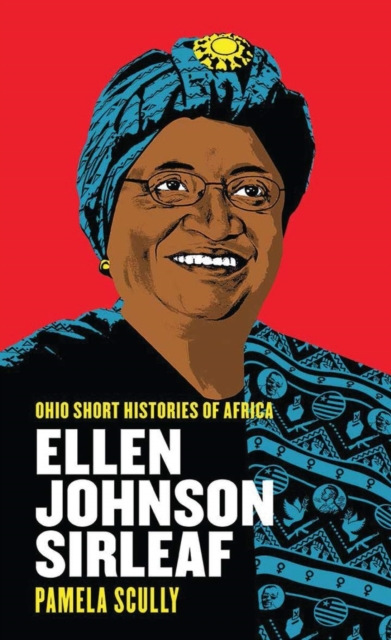
In this timely addition to the Ohio Short Histories of Africa series, Pamela Scully takes us from the 1938 birth of Nobel Peace Prize winner and two-time Liberian president Ellen Johnson through the Ebola epidemic of 2014-15.
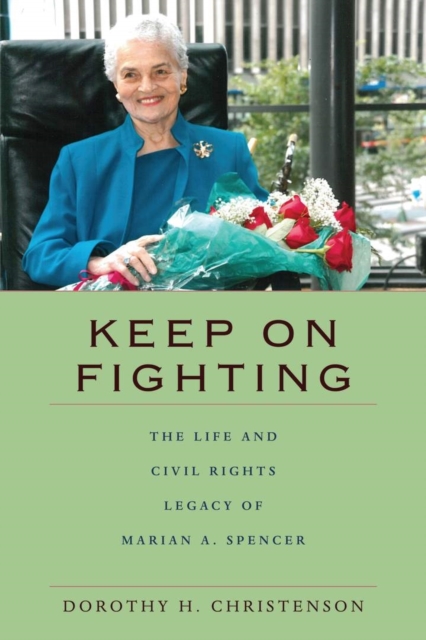
Marian Alexander Spencer was born in 1920 in the Ohio River town of Gallipolis, Ohio, one year after the "e;Red Summer"e; of 1919 that saw an upsurge in race riots and lynchings.
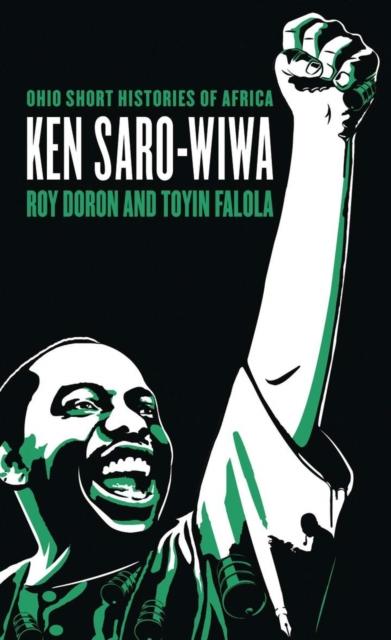
Hanged by the Nigerian government on November 10, 1995, Ken Saro-Wiwa became a martyr for the Ogoni people and human rights activists, and a symbol of modern Africans' struggle against military dictatorship, corporate power, and environmental exploitation.
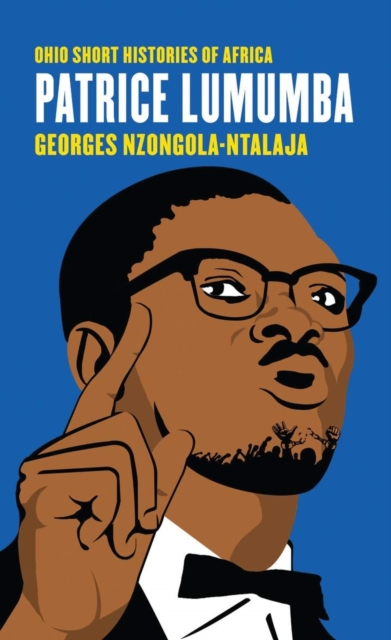
Patrice Lumumba was a leader of the independence struggle in what is today the Democratic Republic of the Congo, as well as the country's first democratically elected prime minister.
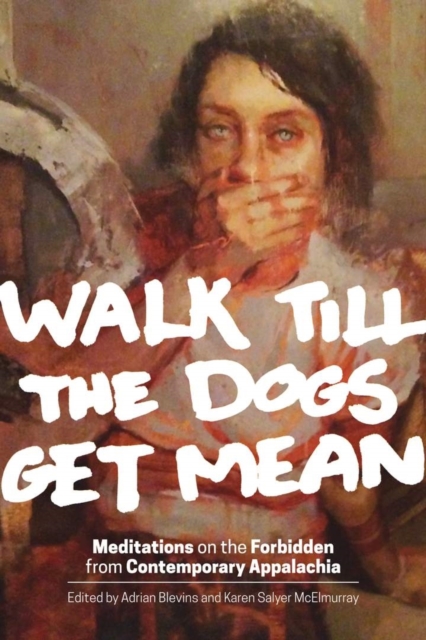
In Walk Till the Dogs Get Mean, Adrian Blevins and Karen Salyer McElmurray collect essays from today's finest established and emerging writers with roots in Appalachia.
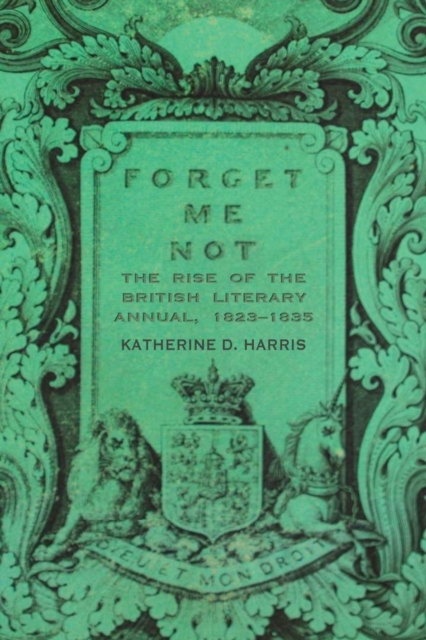
By November 1822, the British reading public had already voraciously consumed both Walter Scott's expensive novels and Rudolf Ackermann's exquisite lithographs.
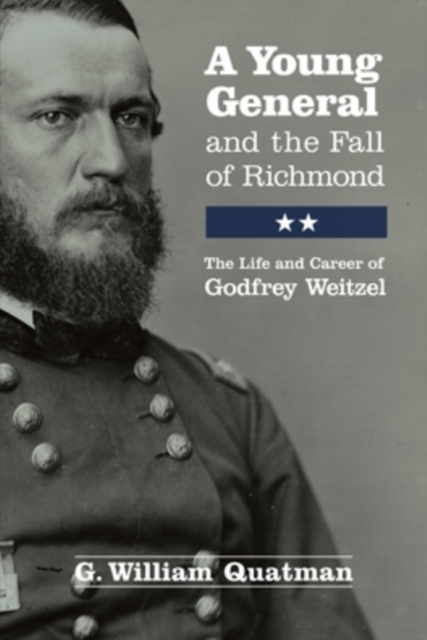
Despite his military achievements and his association with many of the great names of American history, Godfrey Weitzel (1835-1884) is perhaps the least known of all the Union generals.
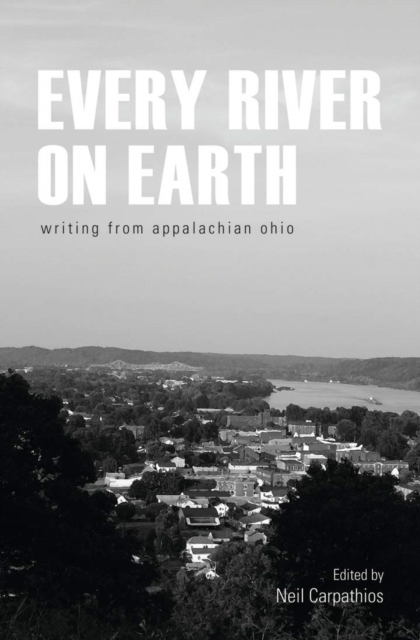
Every River on Earth: Writing from Appalachian Ohio includes some of the best regional poetry, fiction, and creative nonfiction from forty contemporary writers, both established and up-and-coming.
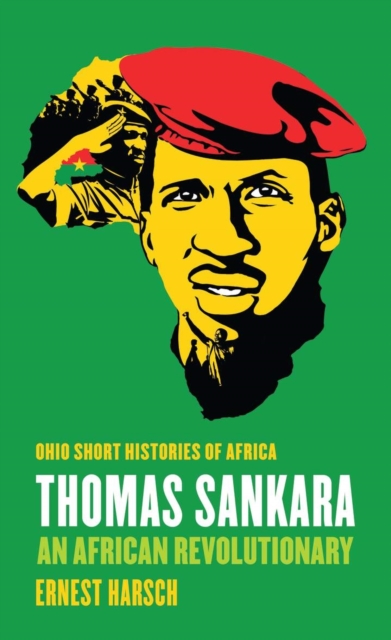
Thomas Sankara, often called the African Che Guevara, was president of Burkina Faso, one of the poorest countries in Africa, until his assassination during the military coup that brought down his government.
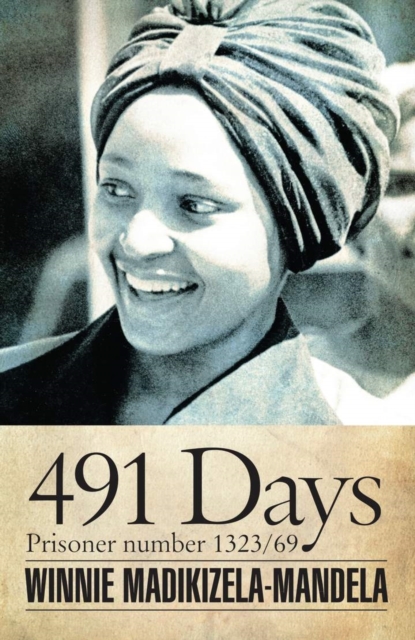
On a freezing winter's night, a few hours before dawn on May 12, 1969, South African security police stormed the Soweto home of Winnie Madikizela-Mandela, activist and wife of the imprisoned Nelson Mandela, and arrested her in the presence of her two young daughters, then aged nine and ten.
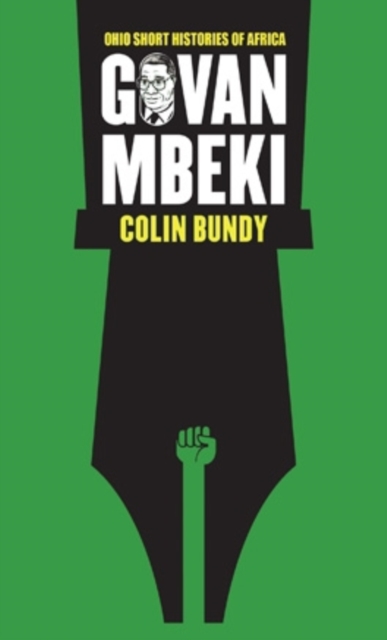
Govan Mbeki (1910-2001) was a core leader of the African National Congress, the Communist Party, and the armed wing of the ANC during the struggle against apartheid.
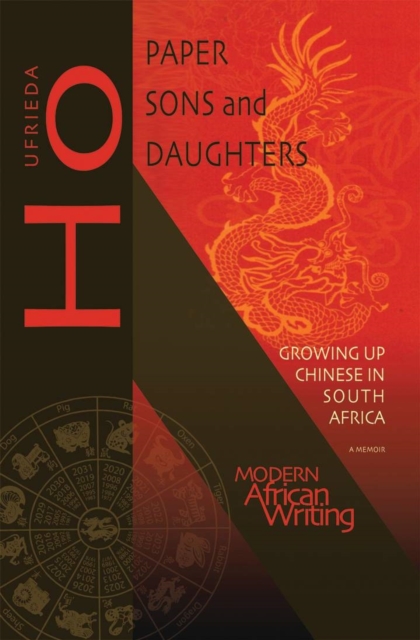
Ufrieda Ho's compelling memoir describes with intimate detail what it was like to come of age in the marginalized Chinese community of Johannesburg during the apartheid era of the 1970s and 1980s.
George Herbert Mead, one of America's most important and influential philosophers, a founder of pragmatism, social psychology, and symbolic interactionism, was also a keen observer of American culture and early modernism.