This volume extends the theoretical scope of the important concept of empathy by analysing not only the cultural contexts that foster the generating of empathy, but in focusing also on the limits of pro-social feelings and the mechanisms that lead to its blocking.
The potential of video games as storytelling media and the deep involvement that players feel when they are part of the story needs to be analysed vis-a-vis other narrative media.
While policymakers in the world reiterate the importance of protecting voice diversity, traditional media conglomerates and new social media giants make their task increasingly challenging.
This collection brings together leading research on contemporary and popular culture, focussing on marginalised voices and representations; socially marginalised, marginalised in media and media scholarship.
This book demonstrates how the roles of "e;author,"e; "e;marketer,"e; and "e;reviewer"e; are being redefined, as online environments enable new means for young adults to participate in the books they love.
This book reinvigorates the space between scholarly texts on self-representation, voice and agency and practical field-guides to community media and digital storytelling.
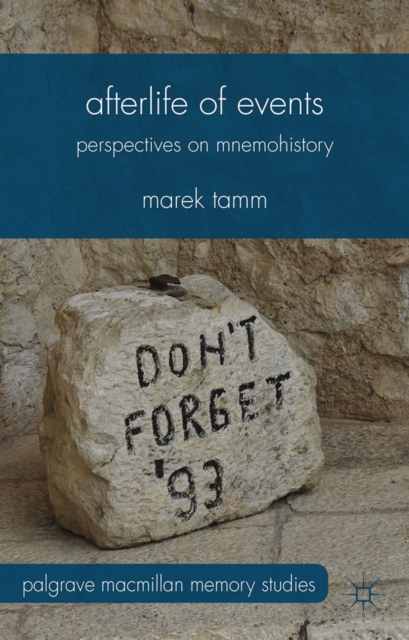
Recently, we have witnessed a rearticulation of the traditional relationship between the past, present and future, broadening historiography's range from studying past events to their later impact and meaning.
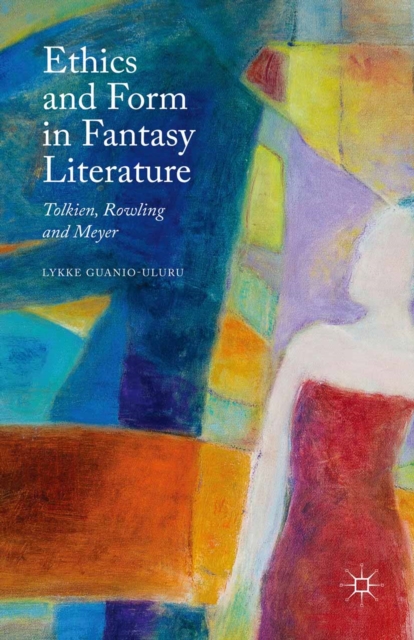
Ethics and Form in Fantasy Literature: Tolkien, Rowling and Meyer by Lykke Guanio-Uluru examines formal and ethical aspects of The Lord of the Rings , Harry Potter and the Twilight series in order to discover what best-selling fantasy texts can tell us about the values of contemporary Western culture.
The personal anecdotes and candid reflections on the lives and work of these important critical scholars, and their predictions on the future of the field, make this book a valuable resource for scholars and students of communication, media studies, political economy, political science, and those interested in critical theoretical approaches.
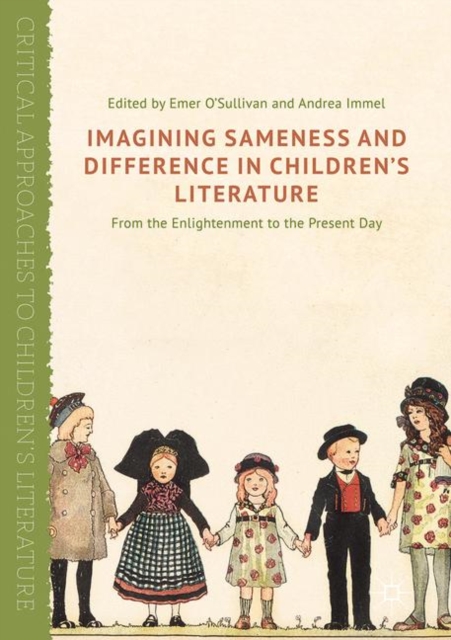
This book investigates how cultural sameness and difference has been presented in a variety of forms and genres of children's literature from Denmark, Germany, France, Russia, Britain, and the United States; ranging from English caricatures of the 1780s to dynamic representations of contemporary cosmopolitan childhood.
This book offers a critical analysis of the effect of usage of locative social media on the perceptions and phenomenal experience of lived in spaces and places.
This book is a collection of diverse essays by scholars, policy-makers and creative practitioners who explore the burgeoning field of cultural measurement and its political implications.
In this book, the authors examine manifestations of transmedia storytelling in different historical periods and countries, spanning the UK, the US and Argentina.
Exploring the transition of celebrities into institutional-electoral politics, the book argues that many insights developed by genre theorists could be highly instrumental to understand the celebrity politics phenomenon.
This book places children's literature at the forefront of early twentieth-century debates about national identity and class relations that were expressed through the pursuit of leisure.
This book features a cutting edge approach to the study of film adaptations of literature for children and young people, and the narratives about childhood those adaptations enact.
Examining culturally significant works of children's culture through a posthumanist, or animality studies lens, Animality and Children's Literature and Film argues that Western philosophy's objective to establish a notion of an exclusively human subjectivity is continually countered in the very texts that ostensibly work to this end.
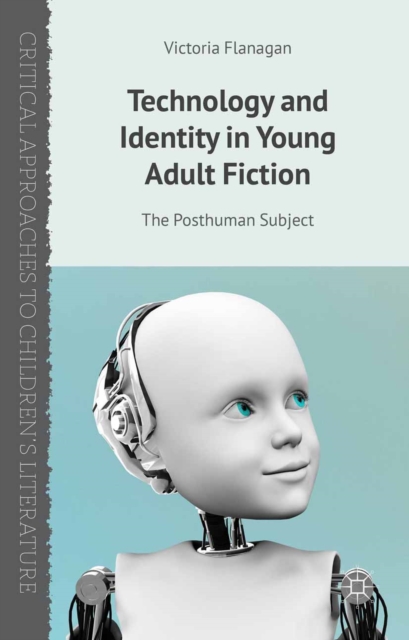
Technology and Identity in Young Adult Fiction is not a historical study or a survey of narrative plots, but takes a more conceptual approach that engages with the central ideas of posthumanism: the fragmented nature of posthuman identity, the concept of agency as distributed and collective and the role of embodiment in understandings of selfhood.
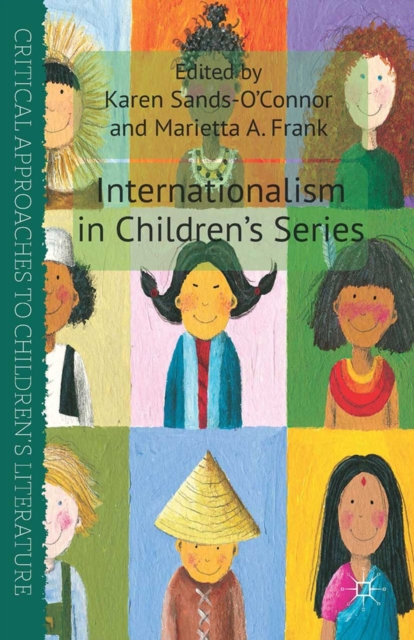
Internationalism in Children's Series brings together international children's literature scholars who interpret 'internationalism' through various cultural, historical and theoretical lenses.
Seriality and Texts for Young People is a collection of thirteen scholarly essays about series and serial texts directed to children and youth, each of which begins from the premise that a basic principle of seriality is repetition.
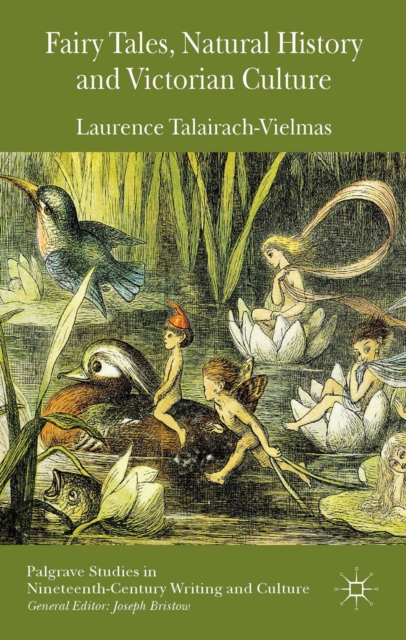
Fairy Tales, Natural History and Victorian Culture examines how literary fairy tales were informed by natural historical knowledge in the Victorian period, as well as how popular science books used fairies to explain natural history at a time when 'nature' became a much debated word.
The first critical edition of the beloved classics that established Edith Nesbit as a major children's writer provides extensive guidance to help today's reader navigate the enchanting world of the Bastable family.
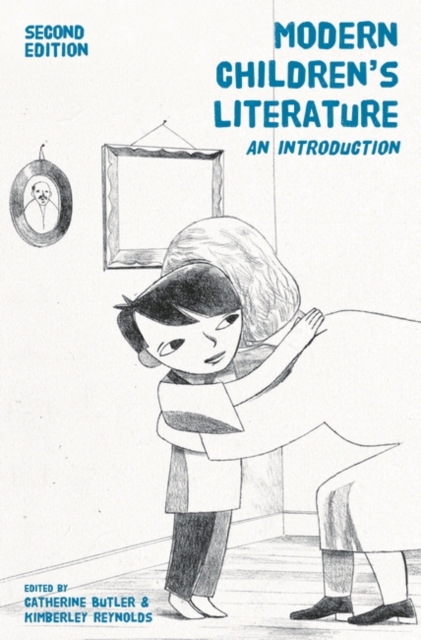
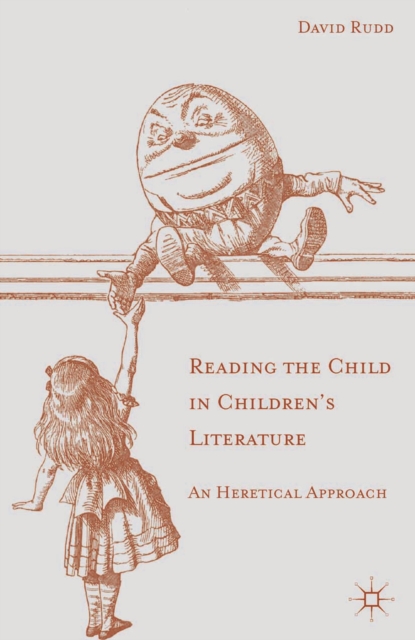
An essential text that provides students with a dynamic, sophisticated and controversial look at the critical representation of the child in children's literature, arguing for a more open and eclectic approach: one that celebrates the diverse power, appeal and possibilities of children's literature.
Adopting a truly global, theoretical and multidisciplinary perspective, Media Pluralism and Diversity intends to advance our understanding of media pluralism across the globe.
This book explores the literary and cultural history behind certain Christmas and Halloween traditions, and examines the way that they have moved into broadcasting.
This book explores the phenomenon of the story paper, the meanings and values children took from their reading, and the responses of adults to their reading choices.
Offers new insights into the continuing influence of postmodernism on a wide range of international picture books for children published between 1963 and 2008.