Bridging art and innovation, this book invites readers into the processes of artists, curators, cultural producers and historians who are working within new contexts that run parallel to or against the phenomenon of 'maker culture'.
Bridging art and innovation, this book invites readers into the processes of artists, curators, cultural producers and historians who are working within new contexts that run parallel to or against the phenomenon of 'maker culture'.
This volume presents a contrastive study of the overlapping careers of Shakespeare and Caravaggio through the comparison of their strikingly similar conventional belief in symbol and the centrality of the subject, only to gradually open it up in an exaltation of multiplicity and the "e;indistinct regard"e; (Othello).
This volume presents a contrastive study of the overlapping careers of Shakespeare and Caravaggio through the comparison of their strikingly similar conventional belief in symbol and the centrality of the subject, only to gradually open it up in an exaltation of multiplicity and the "e;indistinct regard"e; (Othello).
Wild Anthropocene examines four key areas-the politics of deep time, neoliberalism's socio-ecological impacts, global population growth and inter-species entanglement-to demonstrate how literature illuminates progressive solutions to Anthropocene challenges.
As readers, we develop an impression of characters and their settings in a novel based on the author's description of their physical characteristics and surroundings.
As readers, we develop an impression of characters and their settings in a novel based on the author's description of their physical characteristics and surroundings.
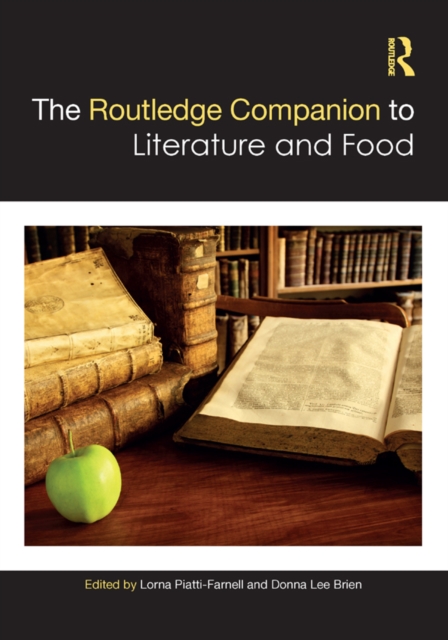
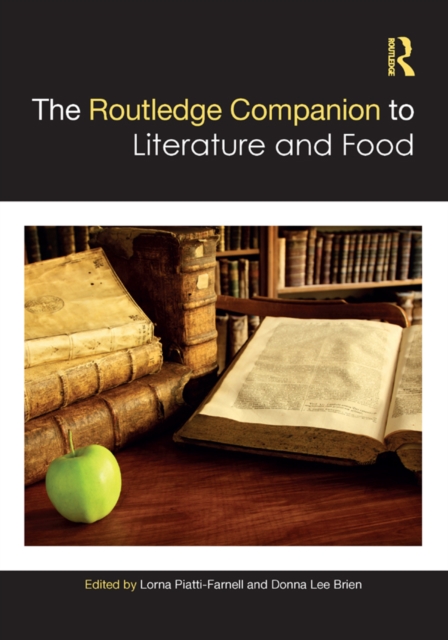
The Routledge Companion to Literature and Food explores the relationship between food and literature in transnational contexts, serving as both an introduction and a guide to the field in terms of defining characteristics and development.
The Routledge Companion to Literature and Food explores the relationship between food and literature in transnational contexts, serving as both an introduction and a guide to the field in terms of defining characteristics and development.
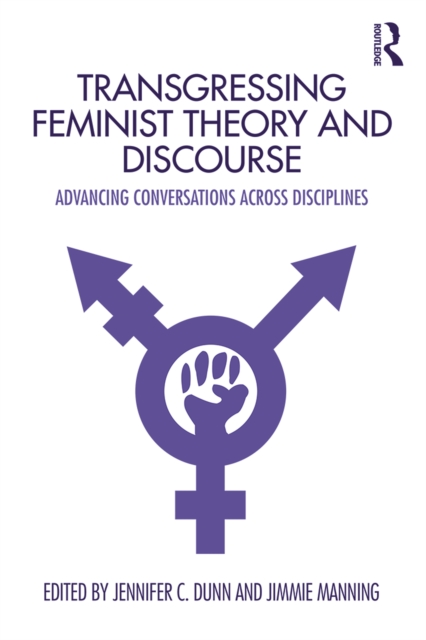
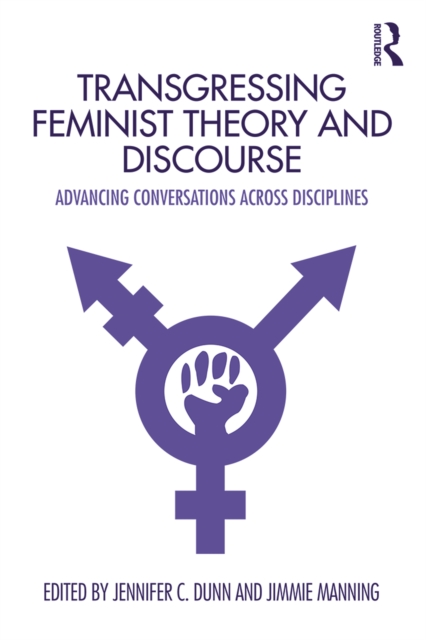
Despite decades of activism, resistance, and education, both feminists and gender rebels continue to experience personal, political, institutional, and cultural resistance to rights, recognition, and respect.
Despite decades of activism, resistance, and education, both feminists and gender rebels continue to experience personal, political, institutional, and cultural resistance to rights, recognition, and respect.
Bringing together ecofeminism and ecological literary criticism (ecocriticism), this book presents diverse ways of understanding and responding to the tangled relationships between the personal, social, and environmental dimensions of human experience and expression.
Bringing together ecofeminism and ecological literary criticism (ecocriticism), this book presents diverse ways of understanding and responding to the tangled relationships between the personal, social, and environmental dimensions of human experience and expression.
Piracy and Captivity in the Mediterranean explores the early modern genre of European Barbary Coast captivity narratives from the sixteenth to the nineteenth century.
Piracy and Captivity in the Mediterranean explores the early modern genre of European Barbary Coast captivity narratives from the sixteenth to the nineteenth century.
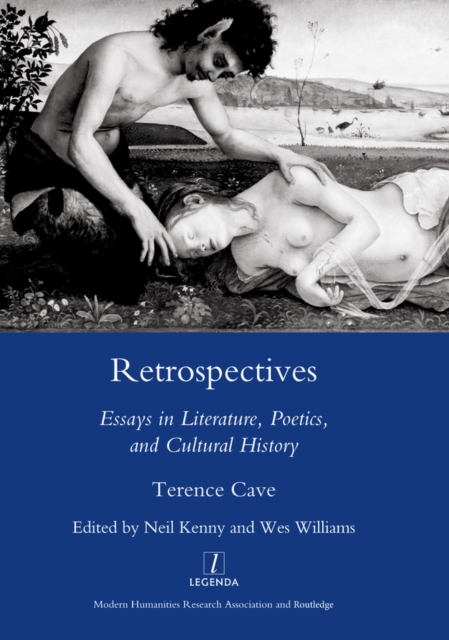
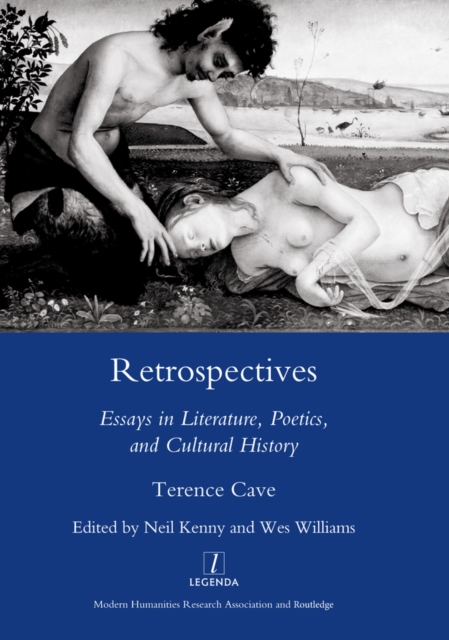
"e;Terence Cave's work has made a major contribution to the rethinking of the relationship between literature, history and culture over the last half-century.
"e;Terence Cave's work has made a major contribution to the rethinking of the relationship between literature, history and culture over the last half-century.
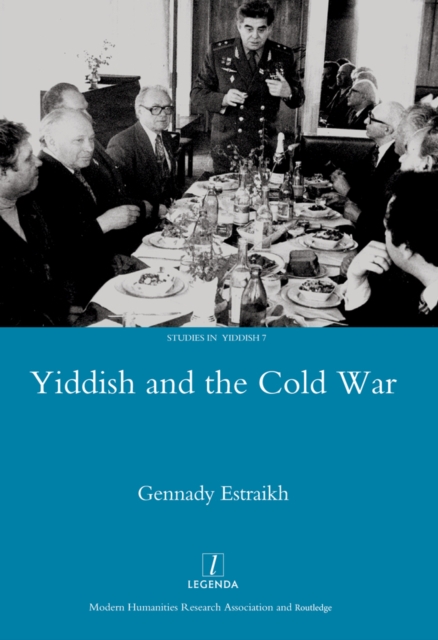
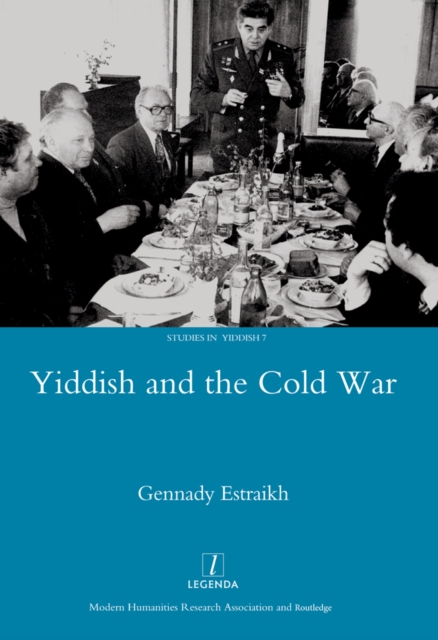
"e;Yiddish-speaking groups of Communists played a visible role in many countries, most notably in the Soviet Union, United States, Poland, France, Canada, Argentina and Uruguay.
"e;Yiddish-speaking groups of Communists played a visible role in many countries, most notably in the Soviet Union, United States, Poland, France, Canada, Argentina and Uruguay.
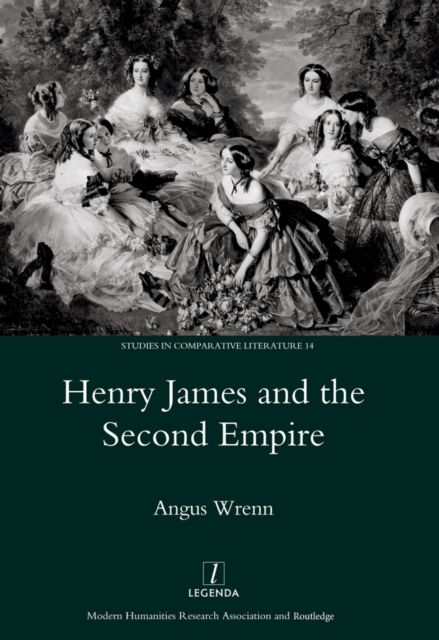
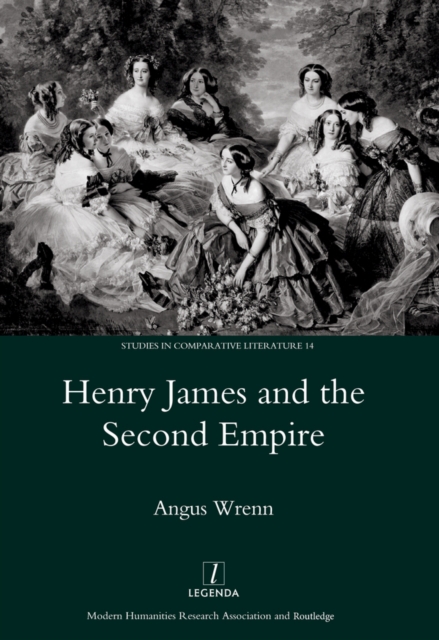
"e;Three years spent in France, during the 'Second Empire' of Napoleon III, gave Henry James an early mastery of the French language and its literature.
"e;Three years spent in France, during the 'Second Empire' of Napoleon III, gave Henry James an early mastery of the French language and its literature.