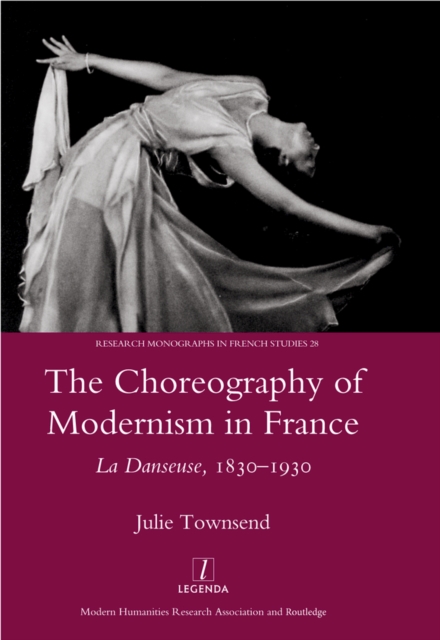
"e;Whether in the pages of a trashy novel, in the glow of gaslights, in a dance hall, or on the walls of art galleries, the figure of the female dancer haunts nineteenth-century French culture.
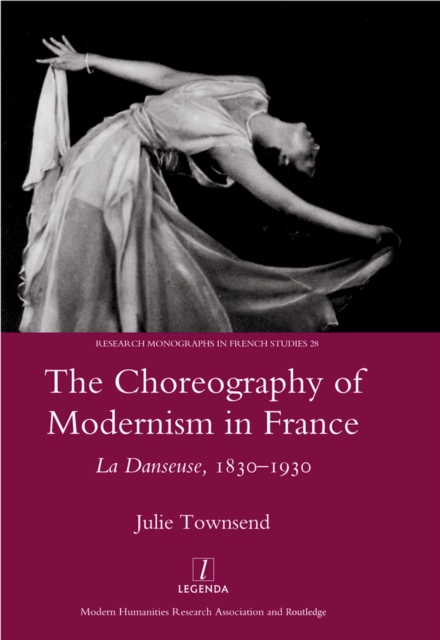
"e;Whether in the pages of a trashy novel, in the glow of gaslights, in a dance hall, or on the walls of art galleries, the figure of the female dancer haunts nineteenth-century French culture.
"e;How have French Jewish women reacted to the great traumas of the last century - the Holocaust, North African decolonization and the resulting migration of African Jews to France, the Arab-Israeli crisis and the aftermath of 9/11?
"e;How have French Jewish women reacted to the great traumas of the last century - the Holocaust, North African decolonization and the resulting migration of African Jews to France, the Arab-Israeli crisis and the aftermath of 9/11?
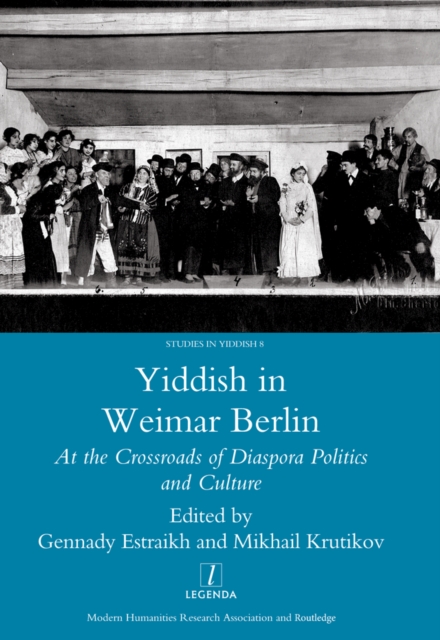
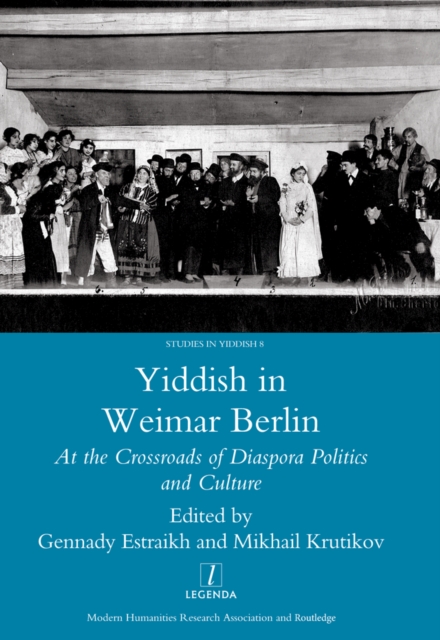
"e;Berlin emerged from the First World War as a multicultural European capital of immigration from the former Russian Empire, and while many Russian emigres moved to France and other countries in the 1920s, a thriving east European Jewish community remained.
"e;Berlin emerged from the First World War as a multicultural European capital of immigration from the former Russian Empire, and while many Russian emigres moved to France and other countries in the 1920s, a thriving east European Jewish community remained.
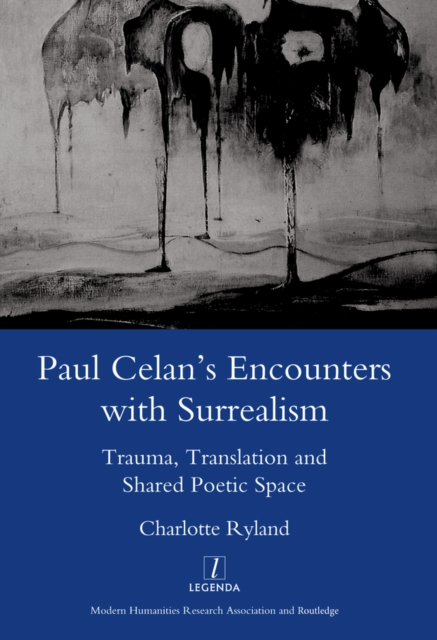
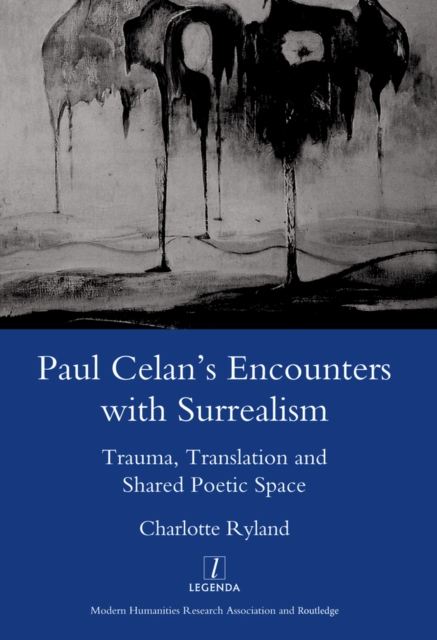
"e;Paul Celan (1920-1970), one of the most important and challenging poets in post-war Europe, was also a prolific and highly idiosyncratic translator.
"e;Paul Celan (1920-1970), one of the most important and challenging poets in post-war Europe, was also a prolific and highly idiosyncratic translator.
"e;The possibility of ekphrasis, the verbal representation of visual imagery, is fundamental to all writing about art, be it art criticism, theory or a passage in a novel.
"e;The possibility of ekphrasis, the verbal representation of visual imagery, is fundamental to all writing about art, be it art criticism, theory or a passage in a novel.
"e;That a symbolic object or work of art participates in what it signifies, as a part within a whole, was a controversial claim discussed with particular intensity in the wake of Immanuel Kant's Critique of Judgment.
"e;That a symbolic object or work of art participates in what it signifies, as a part within a whole, was a controversial claim discussed with particular intensity in the wake of Immanuel Kant's Critique of Judgment.
"e;Between 1880 and 1940, English responses to French poetry evolved from marginalised expressions of admiration associated with rebellion against the "e;"e;establishment"e;"e; to mainstream mutual exchange and appreciation.
"e;Between 1880 and 1940, English responses to French poetry evolved from marginalised expressions of admiration associated with rebellion against the "e;"e;establishment"e;"e; to mainstream mutual exchange and appreciation.
"e;The arch-Romantic Victor Hugo (1802-85) and the Existentialist philosopher Jean-Paul Sartre (1905-80) are widely perceived to have little in common beyond their canonical status.
"e;The arch-Romantic Victor Hugo (1802-85) and the Existentialist philosopher Jean-Paul Sartre (1905-80) are widely perceived to have little in common beyond their canonical status.
"e;Written by leading scholars in the field, this collection analyses the notion of travel writing as a genre, while tracing significant examples of Mediterranean travel writing that return us to Ancient Greece, to Medieval pilgrimages, to Venetians diplomatic missions, to an Egyptian's account of Paris in the nineteenth century, to French artistic journeys in North Africa and to contemporary narratives of privileged resettlement, death and dislocation.
"e;Written by leading scholars in the field, this collection analyses the notion of travel writing as a genre, while tracing significant examples of Mediterranean travel writing that return us to Ancient Greece, to Medieval pilgrimages, to Venetians diplomatic missions, to an Egyptian's account of Paris in the nineteenth century, to French artistic journeys in North Africa and to contemporary narratives of privileged resettlement, death and dislocation.
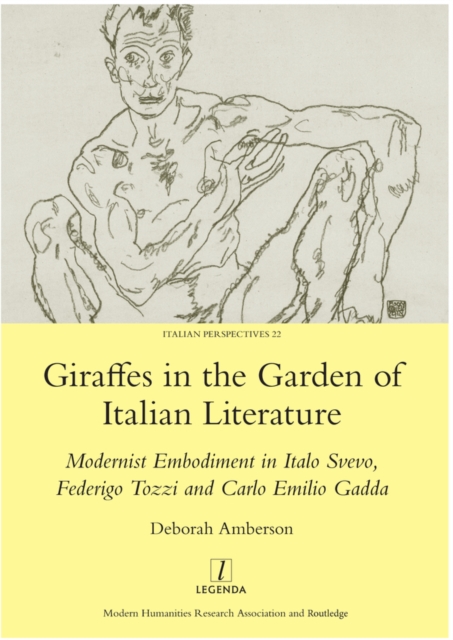
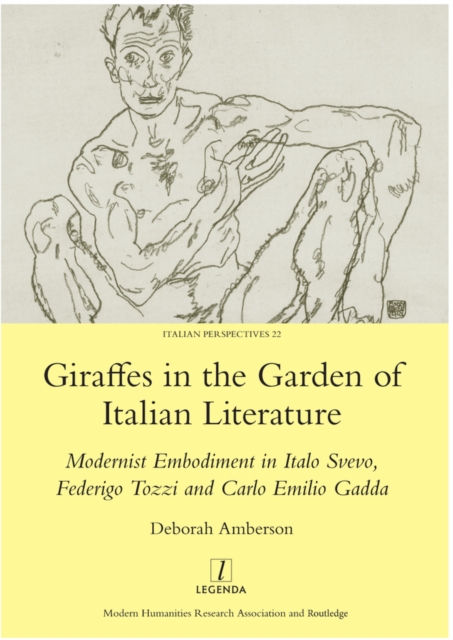
"e;Writing in 1926, Carlo Emilio Gadda (1893-1973) acknowledges his peculiarity within the Italian literary field by describing himself as a giraffe or a kangaroo in Italy's beautiful garden of literature.
"e;Writing in 1926, Carlo Emilio Gadda (1893-1973) acknowledges his peculiarity within the Italian literary field by describing himself as a giraffe or a kangaroo in Italy's beautiful garden of literature.
"e;There is no possibility of entering the world of Yiddish, its literature and culture, without understanding what the shtetl was, how it functioned, and what tensions charged its existence.
"e;There is no possibility of entering the world of Yiddish, its literature and culture, without understanding what the shtetl was, how it functioned, and what tensions charged its existence.
"e;Early in the twentieth century, Yiddish, previously stigmatized as a corrupt jargon, came to be recognized as a language in its own right, and one moreover that was already the vehicle for a rich literature.
"e;Early in the twentieth century, Yiddish, previously stigmatized as a corrupt jargon, came to be recognized as a language in its own right, and one moreover that was already the vehicle for a rich literature.
"e;After more than twenty years as a full member of the European Union, Greece has produced a literature with radically different thematic, ideological and linguistic orientations from previous periods, for both domestic and international reasons.
"e;After more than twenty years as a full member of the European Union, Greece has produced a literature with radically different thematic, ideological and linguistic orientations from previous periods, for both domestic and international reasons.
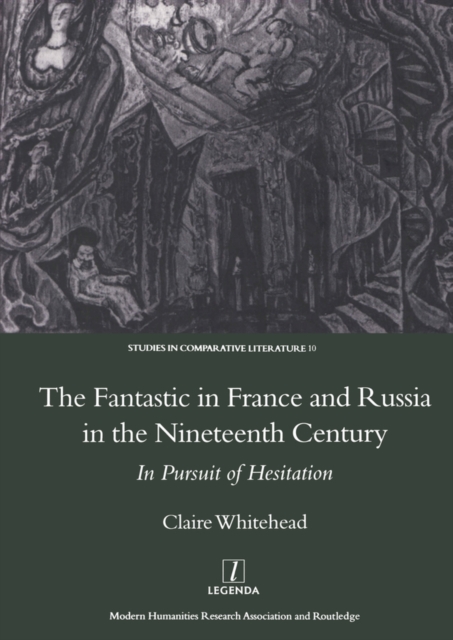
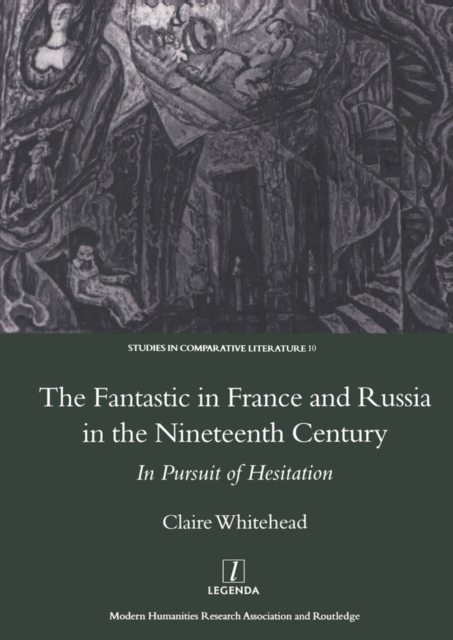
"e;Hesitation between a natural or supernatural interpretation of fictional events is the life-blood of the fantastic; but just how is this hesitation provoked?
"e;Hesitation between a natural or supernatural interpretation of fictional events is the life-blood of the fantastic; but just how is this hesitation provoked?
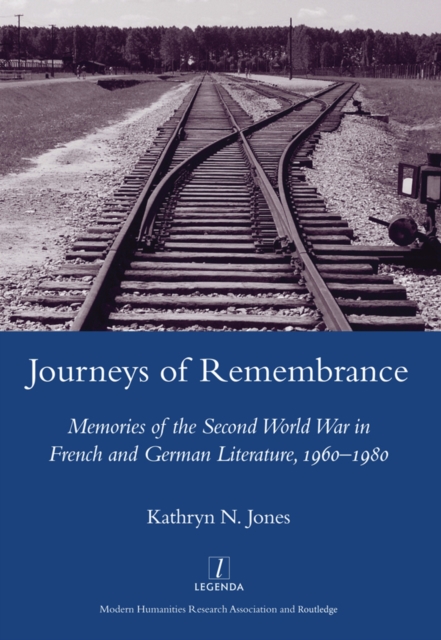
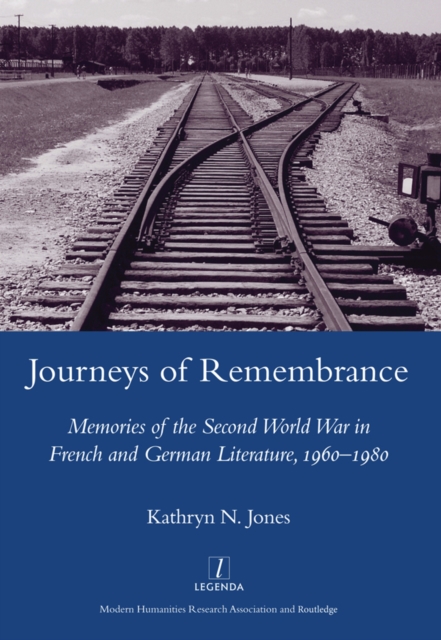
"e;The Second World War was a common experience of cultural and historical rupture for many European countries, but studies of this period and its after-images often remain locked in national frameworks.
"e;The Second World War was a common experience of cultural and historical rupture for many European countries, but studies of this period and its after-images often remain locked in national frameworks.
"e;Shakespeares works do not embody any doctrine or set of beliefs, as his critics have long been tempted to suggest, but they do stage encounters with certain kinds of thinking ethical, political, epistemological, even metaphysical that still concern us nowadays.
"e;Shakespeares works do not embody any doctrine or set of beliefs, as his critics have long been tempted to suggest, but they do stage encounters with certain kinds of thinking ethical, political, epistemological, even metaphysical that still concern us nowadays.