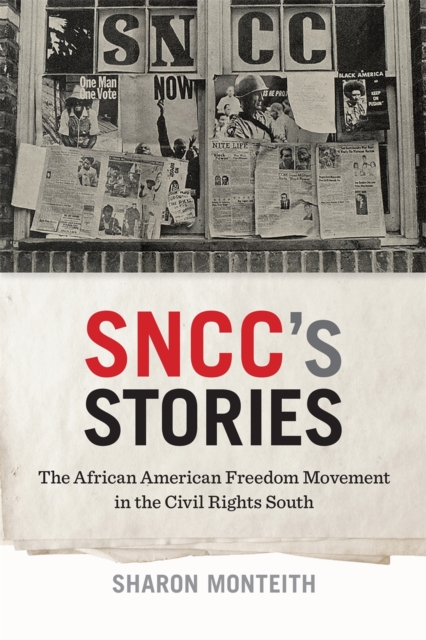
Formed in 1960 in Raleigh, North Carolina, the Student Non-violent Coordinating Committee (SNCC) was a high-profile civil rights collective led by young people.
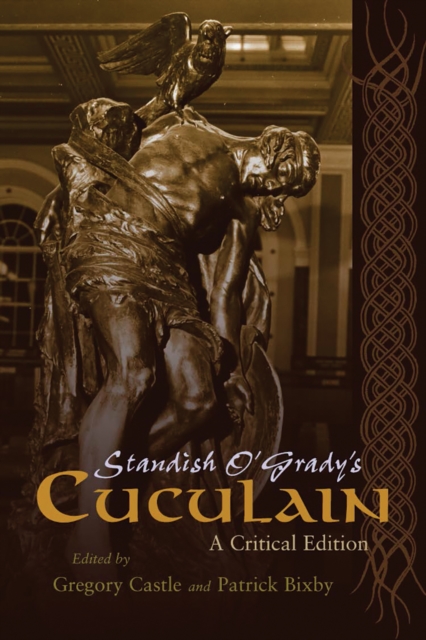
Between 1878 and 1881, Standish O'Grady published a three-volume History of Ireland that simultaneously recounted the heroic ancient past of the Irish people and helped to usher in a new era of cultural revival and political upheaval.
During the past thirty years, the editors of the Hudson Review have observed a trend among some of the best literary essayists and reviewers to situate their criticism in a deeply personal manner as opposed to the theoretical, technocratic work being produced in many literary and academic publications.
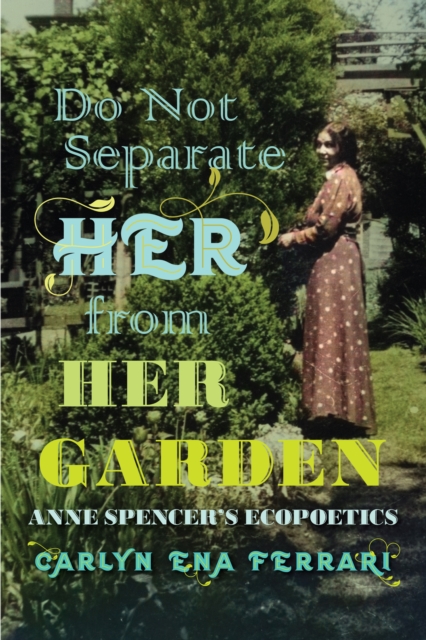
Garden writing is not just a place to find advice about roses and rutabagas; it also contains hidden histories of desire, hope, and frustration and tells a story about how Americans have invested grand fantasies in the common soil of everyday life.
Critics agree in the abstract that "e;metafiction"e; refers to any novel that draws attention to its own fictional construction, but metafiction has been largely associated with the postmodern era.
Winner of the 2023 Jordan Schnitzer Book Award for best book in the category of Jewish literature and linguistics Traditionally the scene of some of London's poorest, most crime-ridden neighborhoods, the East End of London has long been misunderstood as abject and deviant.
Melville's Other Lives is the first book-length study on The Piazza Tales-Herman Melville's only authorized collection of short fiction published in his lifetime-and the first book to explore the rich and varied subject of embodiment in any published collection of Melville's stories.
Two distinctly different meanings of piracy are ingeniously intertwined in Monica Cohen's lively new book, which shows how popular depictions of the pirate held sway on the page and the stage even as their creators were preoccupied with the ravages of literary appropriation.
Driven to the Field traces the culture of sharecropping-crucial to understanding life in the southern United States-from Emancipation to the twenty-first century.
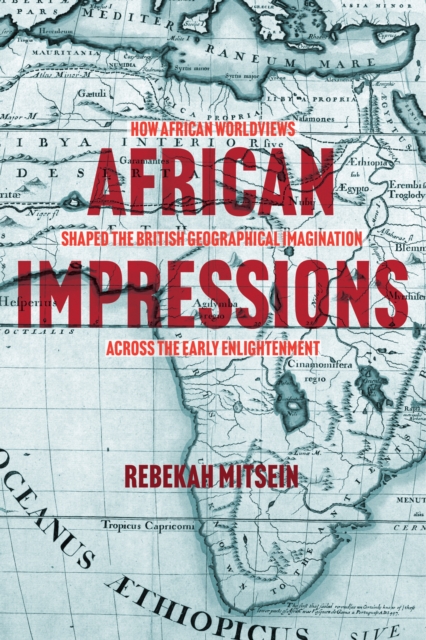
Shortlist--2023 Oscar Kenshur Book PrizeWinner--2022 Walker Cowen Memorial Prize Nineteenth-century European representations of Africa are notorious for depicting the continent with a blank interior.
The Price of Slavery analyzes Marx's critique of capitalist slavery and its implications for the Caribbean thought of Toussaint Louverture, Henry Christophe, C.
Would it surprise you to learn that there was a contemporary of Ernest Hemingway's who, in his romantic questing and hell-or-high-water pursuit of life and his art, was closer to the Hemingwayesque ideal than Hemingway himself?
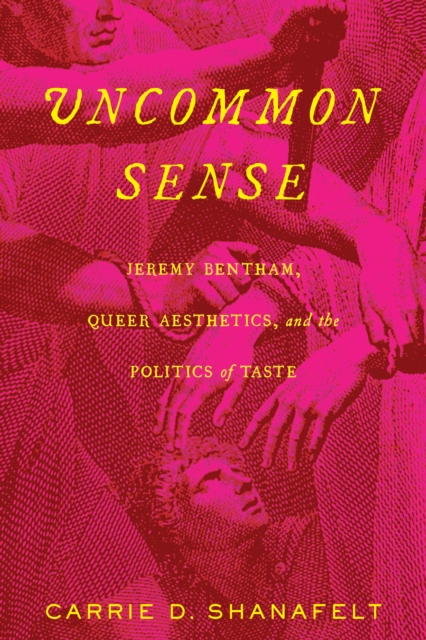
Infamous for authoring two concepts since favored by government powers seeking license for ruthlessness-the utilitarian notion of privileging the greatest happiness for the most people and the panopticon-Jeremy Bentham is not commonly associated with political emancipation.
The Antilles remain a society preoccupied with gradations of skin color and with the social hierarchies that largely reflect, or are determined by, racial identity.
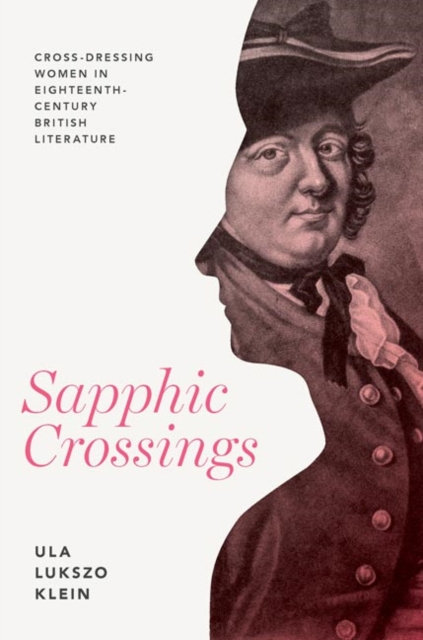
Across the eighteenth century in Britain, readers, writers, and theater-goers were fascinated by women who dressed in men's clothing-from actresses on stage who showed their shapely legs to advantage in men's breeches to stories of valiant female soldiers and ruthless female pirates.
A hierarchical model of human societies' relations with the natural world is at the root of today's climate crisis; Narrating the Mesh contends that narrative form is instrumental in countering this ideology.
Saul Steinberg's inimitable drawings, paintings, and assemblages enriched the New Yorker, gallery and museum shows, and his own books for more than half a century.
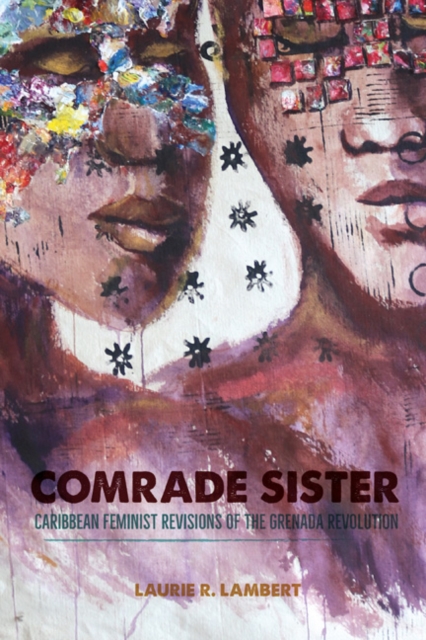
In 1979, the Marxist-Leninist New Jewel Movement under Maurice Bishop overthrew the government of the Caribbean island country of Grenada, establishing the People's Revolutionary Government.
In addition to being a poet, fiction writer, playwright, and essayist, Langston Hughes was also a globe-trotting cosmopolitan, travel writer, translator, avid international networker, and-perhaps above all-pan-Africanist.
Accounts of the rise of American literature often start in the 1850s with a cluster of "e;great American novels"e;-Hawthorne's The Scarlet Letter, Melville's Moby-Dick and Stowe's Uncle Tom's Cabin.
The dandy, a nineteenth-century character and concept exemplified in such works as Wilde's The Picture of Dorian Gray, reverberates in surprising corners of twentieth- and twenty-first-century culture.
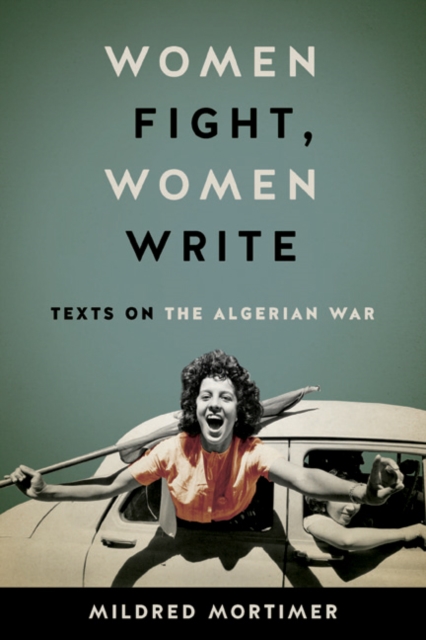
Today, the "e;fight to write"e;-the struggle to become the legitimate chronicler of one's own story-is being waged and won by women across mediums and borders.
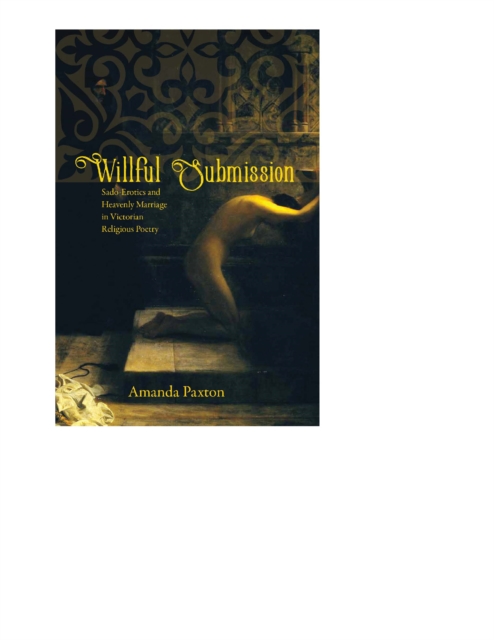
Victorian England: a Jesuit priest writes of wrestling with God at night, limbs entangled; an Anglican sister begs Jesus, her divine lover, to end her aching anticipation of their union; a clergyman exhorts nuns to study the example of medieval women who suffered on the rack in order to become "e;brides"e; of Christ.
Two distinctly different meanings of piracy are ingeniously intertwined in Monica Cohen's lively new book, which shows how popular depictions of the pirate held sway on the page and the stage even as their creators were preoccupied with the ravages of literary appropriation.
For more than eighty years, Faulkner criticism has attempted to "e;see all Yoknapatawpha,"e; the fictional Mississippi county in which the author set all but four of his novels as well as more than fifty short stories.